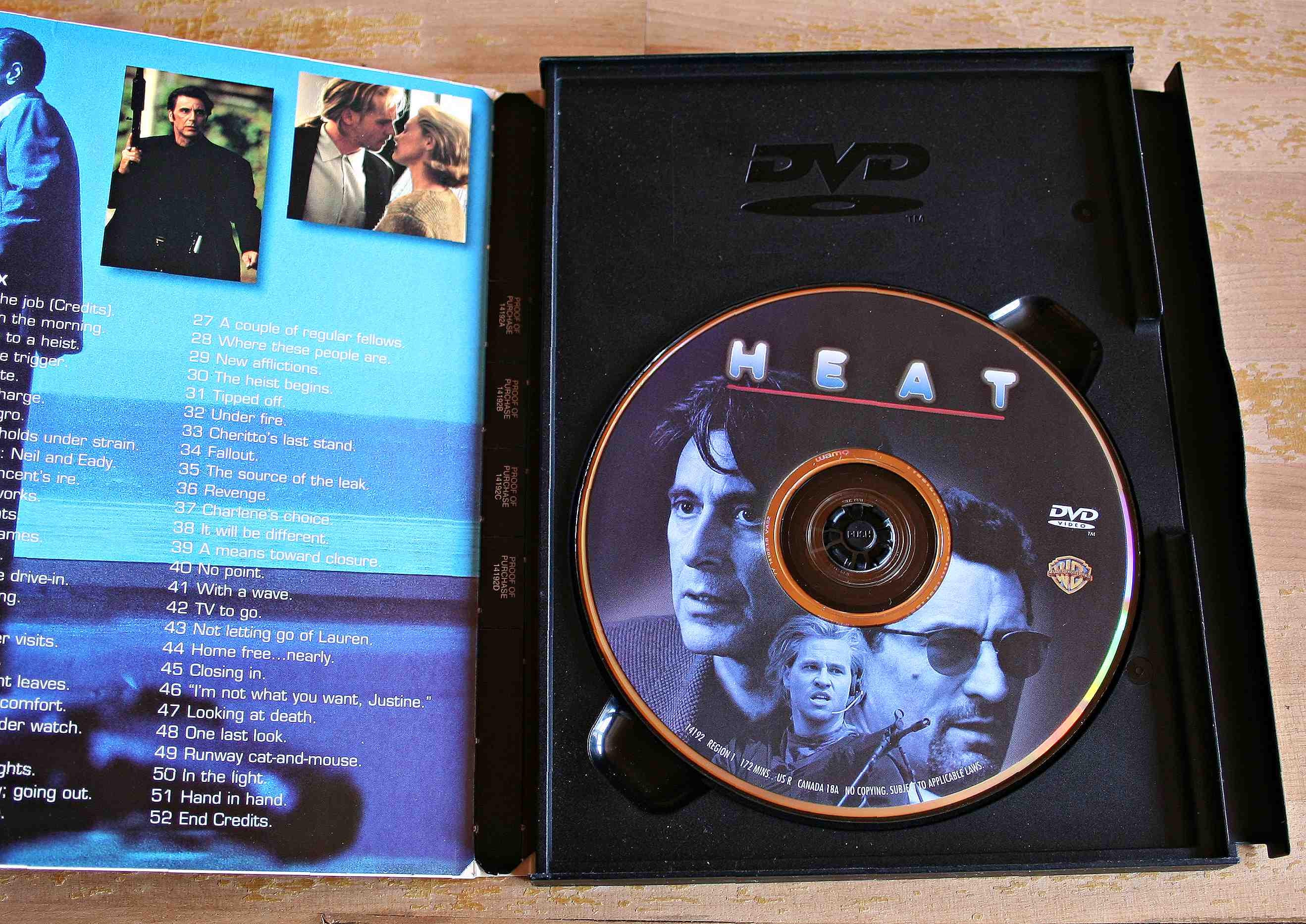
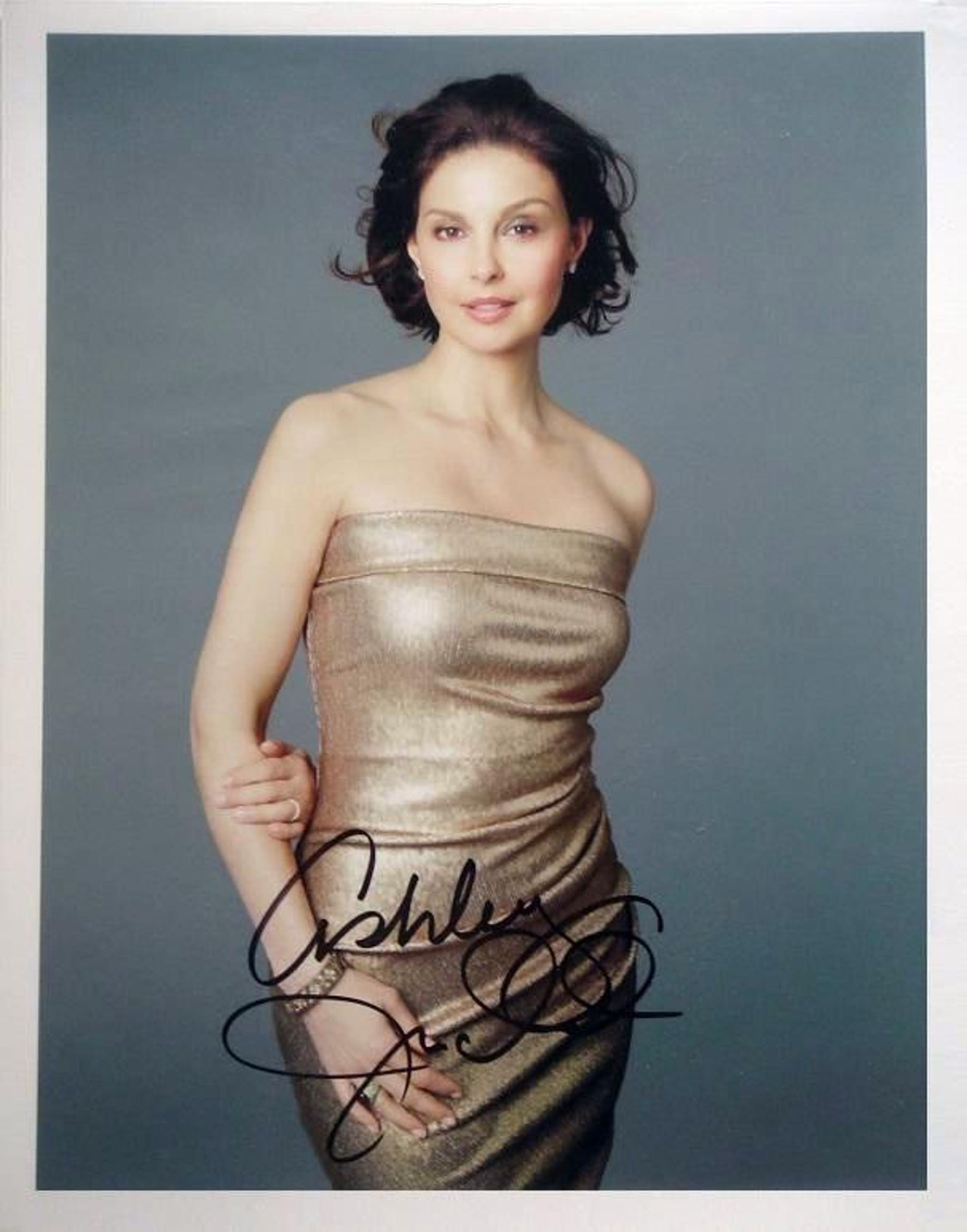
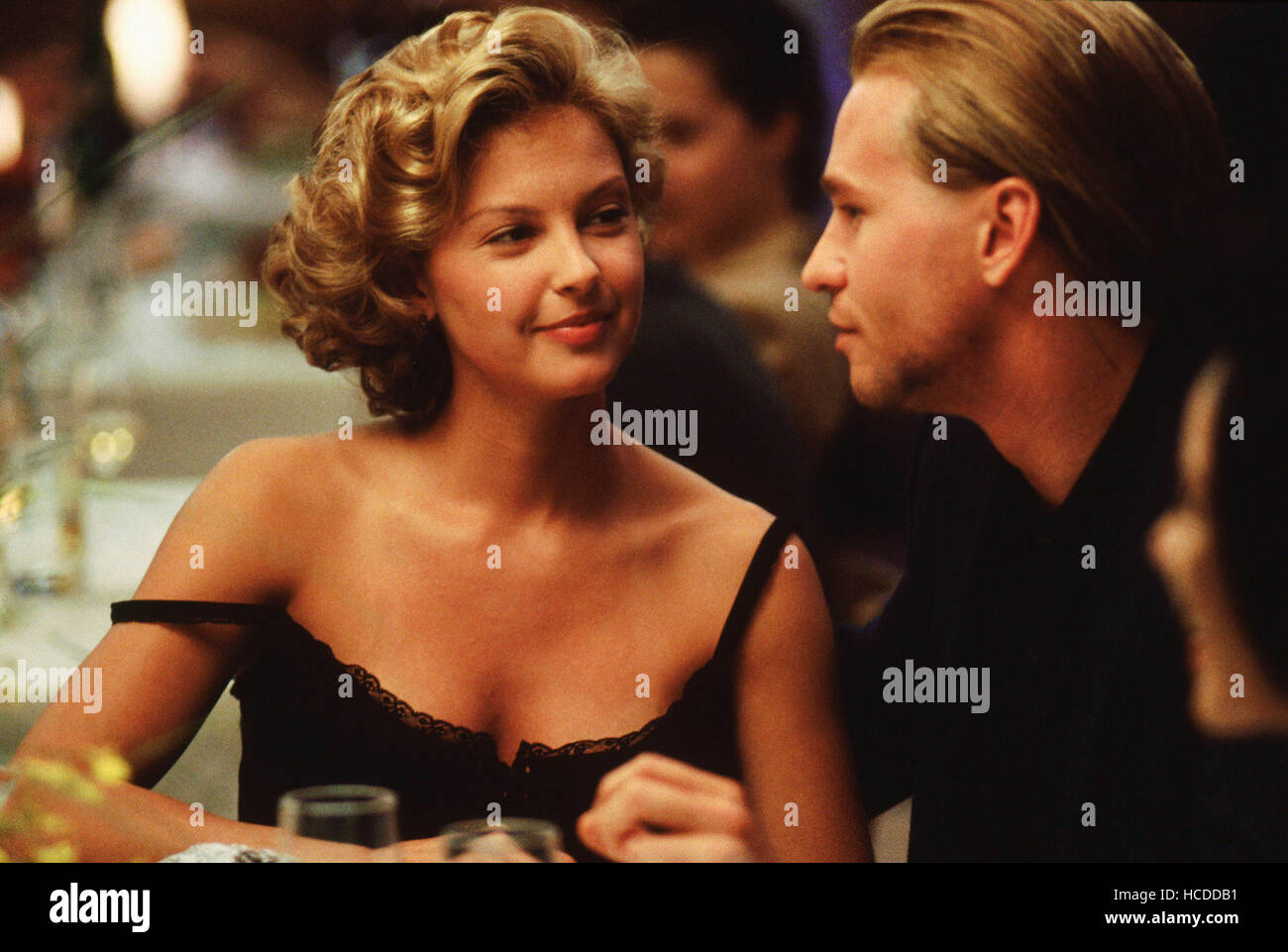
In the 1995 crime epic Heat, directed by Michael Mann, Ashley Judd portrays Charlene Shiherlis, the resilient and disillusioned wife of professional thief Chris Shiherlis (Val Kilmer). Her role serves as the emotional anchor for the criminal underworld subplots, highlighting the domestic toll of high-stakes crime and providing the film with one of its most iconic, non-verbal cinematic moments.
The Character of Charlene Shiherlis
To understand Ashley Judd’s role in Heat, one must first understand the world Michael Mann created. The film is often celebrated for its technical precision and the historic face-off between Al Pacino and Robert De Niro, but its enduring soul lies in its depiction of relationships under pressure. Charlene Shiherlis is not merely a "wife" character; she is a fully realized woman trapped between her love for a volatile man and the desperate need for stability for herself and her son, Dominick.
Charlene is introduced as a woman who has reached her breaking point. When we first meet her, she is dealing with Chris’s chronic gambling addiction and the inherent instability of his "profession." Unlike the typical tropes of the mid-90s crime genre, Judd plays Charlene with a weary, blue-collar toughness. She isn’t a victim of her circumstances; she is a participant who has become exhausted by the cycle of adrenaline and disappointment.
Motivations and Survival Instincts
Charlene’s primary motivation throughout the film is survival—both emotional and physical. Her relationship with Chris is characterized by a "ride or die" mentality that has begun to rust. In the early acts, she is seen engaging in an affair with a salesman named Alan Marciano (played by Hank Azaria). This subplot is crucial because it humanizes her. It demonstrates that her betrayal of Chris isn't born out of malice, but out of a profound loneliness and a search for a "normal" life that Chris, despite his love for her, cannot provide.
Ashley Judd captures the nuance of a woman who still loves her husband but can no longer respect him. This duality makes her eventual choices in the film’s climax much more impactful. She represents the "home front" of the heist crew, showing that while the men are obsessing over blueprints and infrared sensors, the women are the ones dealing with the collateral damage of that lifestyle.
The Relationship with Chris Shiherlis
The chemistry between Ashley Judd and Val Kilmer is one of the film’s understated strengths. Chris Shiherlis is a man of few words, a high-functioning addict whose primary addiction is the "juice" of the score. Charlene is the only person who can truly get under his skin.
Their relationship serves as a foil to the other couples in the film. While Neil McCauley (De Niro) tries to maintain a life with "nothing you can’t walk out on in thirty seconds," Chris and Charlene are already too deeply entangled. They have a child, a history, and a level of mutual damage that makes "walking away" impossible. Judd’s performance highlights the tragedy of their bond: they are two people who might have had a decent life if they weren't tethered to a world of violence.
The Iconic Hand Signal: A Study in Cinematic Tension
No discussion of Ashley Judd in Heat is complete without analyzing the "balcony scene." As the LAPD, led by Vincent Hanna (Pacino), closes in on the crew after the disastrous bank heist, they use Charlene as bait to lure Chris into a trap.
The police have Charlene sequestered in a high-rise apartment, monitoring her every move. When Chris arrives, wounded and desperate, he looks up at her from the street. The tension in this scene is palpable. The audience expects a tearful reunion or a dramatic betrayal. Instead, Michael Mann and Ashley Judd deliver a masterclass in subtlety.
With a slight, almost imperceptible wave of her hand—a flick of the fingers that looks like a casual adjustment of her hair—Charlene signals Chris to stay away. It is a gesture of profound love and ultimate sacrifice. By waving him off, she is choosing his freedom over their life together, knowing that she will likely never see him again and will have to face the legal consequences alone.
Judd’s expression in this moment is haunting. There is no dialogue, yet she communicates a lifetime of regret, protection, and farewell. It is arguably the most famous hand gesture in cinema history, often cited in film schools as the pinnacle of visual storytelling.
Ashley Judd’s Performance and Casting Context
In 1995, Ashley Judd was a rising star. She had gained critical acclaim for her role in the independent film Ruby in Paradise (1933) and was becoming a familiar face through the television series Sisters. Her casting in Heat was a significant step into the Hollywood A-list.
Michael Mann is known for his meticulous casting and for demanding "lived-in" performances. He reportedly chose Judd because she possessed an innate intelligence and a "street-smart" quality that suited the character of a woman raised in the periphery of the criminal world. Judd didn't play Charlene as a glamorous mob wife; she played her as someone who shops at discount stores and stays up late worrying about bills.
The Realism of the "Mann Woman"
Critics often focus on the "masculinity" of Mann’s films, but characters like Charlene Shiherlis prove that his female characters are often the most grounded elements of his stories. While the men are chasing shadows and "pro" codes of honor, the women are the ones dealing with the reality of police surveillance, broken promises, and the threat of prison. Judd’s performance anchored the film’s second act, ensuring that the stakes felt personal rather than just professional.
The Domestic Tragedy of Heat
Heat is as much a domestic tragedy as it is an action film. The narrative structure pairs each "thief" with a female counterpart, exploring how crime erodes the domestic sphere.
- Neil and Eady: The impossibility of starting over.
- Vincent and Justine: The destruction of a marriage by workaholism.
- Chris and Charlene: The collapse of a family due to the "life."
Ashley Judd’s role represents the most developed version of this theme. Unlike Eady (who is naive to Neil's world) or Justine (who is an outsider to Vincent's world), Charlene is an insider. She knows the players, she knows the risks, and she knows the smell of the "juice." This knowledge makes her exhaustion more poignant. When she finally breaks, she doesn't just leave; she navigates a complex web of police informants and personal loyalty.
Comparison of Female Roles in Heat
The following table compares the three primary female roles in Heat to illustrate how Ashley Judd’s character occupied a unique space in the narrative.
| Character | Actress | Relationship | Key Conflict | Outcome |
|---|---|---|---|---|
| Charlene Shiherlis | Ashley Judd | Wife of Chris | Loyalty vs. Motherhood/Safety | Signals Chris to escape; stays with son. |
| Justine Hanna | Diane Venora | Wife of Vincent | Loneliness vs. Vincent's obsession | Remains in a fractured, cyclic marriage. |
| Eady | Amy Brenneman | Girlfriend of Neil | Innocence vs. Neil's criminal reality | Abandoned by Neil during his escape. |
| Lauren Gustafson | Natalie Portman | Step-daughter of Vincent | Emotional neglect | Suicide attempt forces Vincent's perspective. |
The Impact of Heat on Ashley Judd’s Career
Following the success of Heat, Ashley Judd’s career trajectory shifted toward leading roles in major studio thrillers. Her performance as Charlene proved she could hold her own against heavyweights like Kilmer and De Niro without being overshadowed.
Shortly after Heat, she starred in A Time to Kill (1996) and then took on the mantle of the "investigative hero" in films like Kiss the Girls (1997) and Double Jeopardy (1999). In many ways, the "toughness" she displayed as Charlene became a hallmark of her screen persona throughout the late 90s and early 2000s. Even in 2026, looking back at her filmography, Heat remains the definitive example of her ability to dominate a supporting role through sheer presence and emotional intelligence.
Technical Craft: Michael Mann’s Direction of Judd
Michael Mann’s technical choices further elevated Judd’s performance. He often used long lenses to capture Charlene in her apartment, creating a sense of claustrophobia and surveillance. The lighting in her scenes often shifted between the warm, domestic glows of her home and the cold, harsh blues of the Los Angeles night.
Judd worked closely with the production team to ensure her character felt authentic to the "Las Vegas/LA" crossover culture of the mid-90s. From her hairstyle to her wardrobe, every detail was designed to reflect a woman who was once a "trophy" but had been worn down by the reality of being married to a man who couldn't stop gambling—on the tables or in the streets.
Frequently Asked Questions
What does the hand signal Ashley Judd gives mean?
The hand signal is a warning to her husband, Chris Shiherlis. By subtly waving him away from their balcony, she informs him that the police are inside the apartment waiting to arrest him. It is a sacrifice, as she knows this means he will flee and they will likely never be together again.
Who was Charlene having an affair with in Heat?
Charlene was having an affair with Alan Marciano, a salesman played by Hank Azaria. The LAPD used Marciano’s illegal business dealings as leverage to force him to turn Charlene over to them, which eventually led to the stakeout at her apartment.
Why did Charlene choose to help Chris at the end?
Despite her affair and her anger toward Chris for his gambling and criminal lifestyle, she ultimately chooses loyalty. Her character arc suggests that their bond, though damaged, was rooted in a genuine history that she couldn't betray to the police, especially after seeing Chris’s genuine love for her and their son.
How old was Ashley Judd when she filmed Heat?
Ashley Judd was approximately 26 to 27 years old during the filming of Heat (1994-1995). The film was a major milestone that transitioned her from independent cinema into high-profile Hollywood productions.
Did Ashley Judd return for the Heat 2 novel or potential movie?
As of 2026, while Michael Mann has released the Heat 2 novel (which serves as both a prequel and a sequel), the character of Charlene remains a vital part of the lore. The book explores her life in the years following the original film’s events, providing more context to her "ride or die" history with Chris.
Final Practical Recommendation
For those looking to appreciate the full depth of Ashley Judd's contribution to cinema, a re-watch of Heat is essential—not just for the heist sequences, but for the silent domestic drama playing out in the background. Pay close attention to her scenes with Val Kilmer in their apartment; they provide the necessary emotional stakes that make the film's violent conclusion feel like a tragedy rather than just an action sequence.
For students of acting or filmmaking, studying the "balcony scene" is a masterclass in how to convey complex information and deep emotion without a single line of dialogue. It remains one of the finest examples of Ashley Judd's range and Michael Mann's directorial vision.