Life insurance for architectural engineers in 2026 typically costs between $25 and $95 per month for a standard $1,000,000 term policy, depending on age, health, and specific job site risks. While architectural engineering is generally classified as a low-risk office profession, frequent visits to active construction sites or international project locations can influence final underwriting decisions and premium rates.
Why Architectural Engineers Require Specific Life Insurance Planning
Architectural engineers (AEs) occupy a unique niche that blends the creative design of architecture with the technical rigor of structural, mechanical, and electrical engineering. Because this profession often involves high levels of educational debt, significant income potential, and a mix of office and field work, a "one size fits all" life insurance policy rarely suffices.
In 2026, the financial landscape for engineers has evolved. With the average salary for mid-to-senior architectural engineers often exceeding $120,000, the primary purpose of life insurance is income replacement. If a professional were to pass away unexpectedly, their family would need to replace that specific income stream to maintain their standard of living, pay off mortgages, and fund future educational costs.
Furthermore, many architectural engineers are firm owners or partners. For these individuals, life insurance serves a dual purpose: personal protection and business continuity. Costs for these professionals may be higher if they require specialized riders or higher death benefits to facilitate buy-sell agreements, ensuring that the firm can continue operations or that a surviving partner can buy out the deceased partner’s shares.
Primary Factors Influencing Life Insurance Costs for Engineers
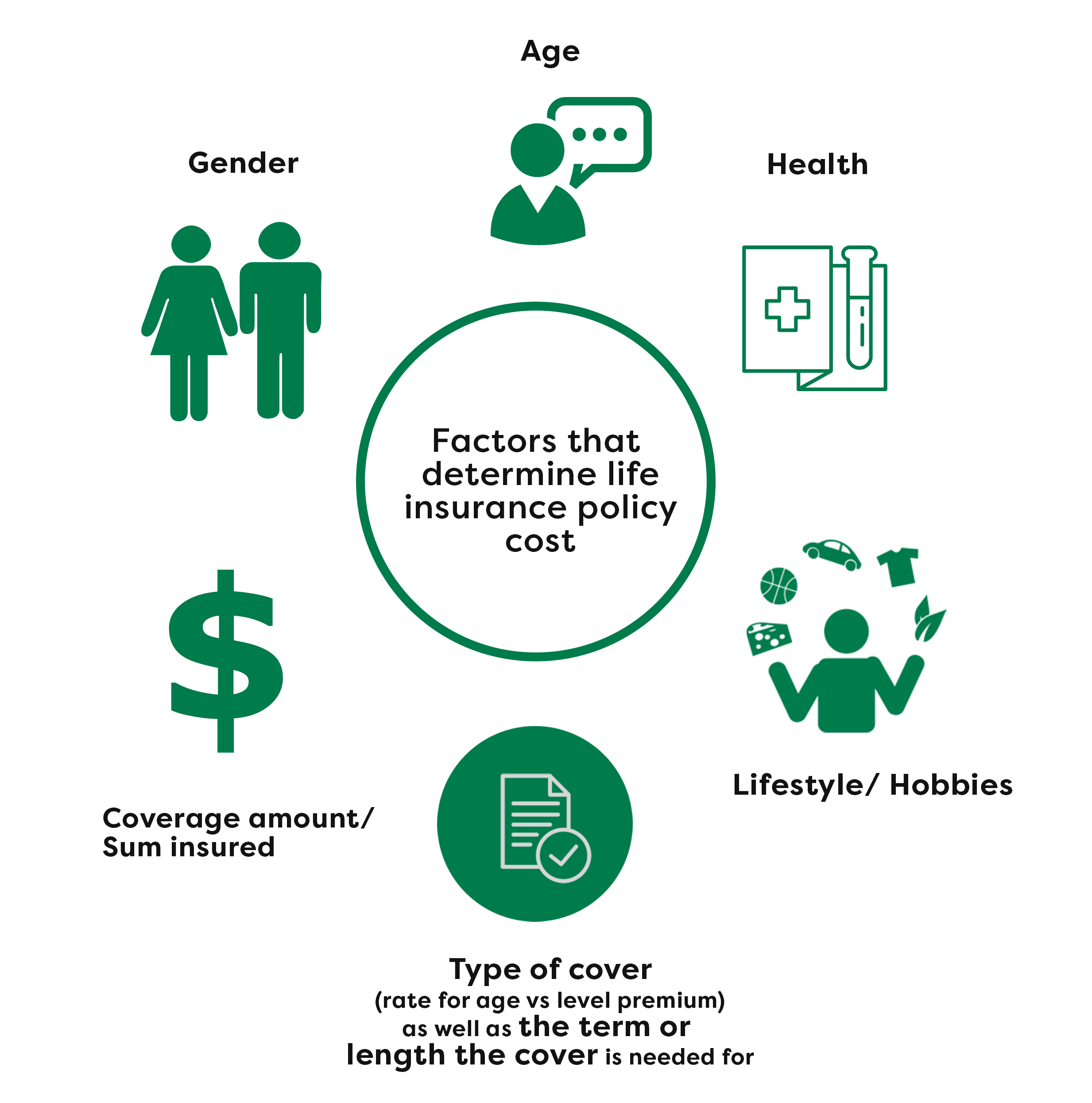
The cost of a life insurance policy is determined through a process called underwriting. Insurance companies evaluate the likelihood of a claim being paid out and price the policy accordingly. For architectural engineers, several key factors dictate whether they pay "Preferred Plus" rates or higher "Substandard" premiums.
Occupational Risk and Field Work
While an architectural engineer spends a significant portion of their time in a controlled office environment using Building Information Modeling (BIM) software, they are also required to perform site inspections. In the eyes of an underwriter, there is a distinct difference between an engineer who visits a finished commercial building and one who inspects high-rise steel structures during active construction or works on offshore energy platforms.
If your role requires significant "boots on the ground" time in hazardous environments—such as bridges, tunnels, or industrial plants—insurers may apply a "flat extra" fee. This is an additional charge per $1,000 of coverage, often ranging from $2.00 to $5.00, to account for the increased risk of accidental death on the job.
Health and Lifestyle Choices
As with any applicant in 2026, health remains the most significant variable. Underwriters look at Body Mass Index (BMI), blood pressure, cholesterol levels, and history of chronic illness. Architectural engineers who maintain a healthy lifestyle often qualify for "Preferred" tiers, which can reduce costs by 30% to 50% compared to "Standard" tiers.
Tobacco use remains the single largest "preventable" cost driver. In 2026, many insurers have also expanded their definitions of tobacco use to include various nicotine delivery systems, which can triple the premium compared to a non-smoker of the same age and profession.
Age and Policy Duration
The math of life insurance is fundamentally tied to age. For every year an architectural engineer waits to purchase coverage, the premium typically increases by 5% to 8%. A 25-year-old engineer entering the workforce will find coverage significantly more affordable than a 45-year-old principal engineer. The "term" or length of the policy also dictates cost; a 30-year term is more expensive than a 10-year term because the insurer is taking on the risk of the individual aging into a higher-mortality bracket.
Comparing Costs: Term vs. Permanent Life Insurance
Architectural engineers generally choose between two main categories of insurance. The choice between them is the largest factor in the monthly or annual premium.
Term Life Insurance
Term life insurance provides coverage for a specific period (e.g., 10, 20, or 30 years). It is the most cost-effective way for an engineer to secure a large death benefit. For an AE in their 30s, a 20-year term policy is often the "sweet spot," covering the years of highest financial vulnerability, such as when children are young and a mortgage is largest.
Permanent Life Insurance (Whole or Universal)
Permanent life insurance lasts for the insured's entire life and includes a "cash value" component. Because these policies are guaranteed to pay out eventually (provided premiums are paid) and include an investment element, they are significantly more expensive—often 5 to 10 times the cost of term insurance for the same death benefit.
Engineers often find permanent policies attractive due to the "tax-advantaged" growth of the cash value, which can be used as a supplemental retirement tool or to fund estate taxes. However, from a pure protection standpoint, the high cost can sometimes lead to being "under-insured" if the professional cannot afford a high enough death benefit in a permanent format.
Estimated 2026 Monthly Premiums for Architectural Engineers
The following table provides estimated monthly premiums for a $1,000,000 Term Life Insurance policy (20-year term) for a non-smoking architectural engineer in "Preferred" health.
| Age | Male Premium (Est.) | Female Premium (Est.) | Primary Cost Driver |
|---|---|---|---|
| 25 | $22.50 | $18.75 | Early entry discount |
| 35 | $34.20 | $28.50 | Standard family protection phase |
| 45 | $68.90 | $54.10 | Increased health risk assessment |
| 55 | $155.00 | $122.00 | Proximity to mortality curve shifts |
Note: These figures are estimates based on 2026 market trends. Actual quotes require a full medical underwriting process and may vary by state and specific carrier.
Specialized Riders for Engineering Professionals
Riders are optional add-ons that customize a policy. For architectural engineers, certain riders are particularly valuable, though they increase the overall cost.
- Waiver of Premium: If an engineer becomes totally disabled and cannot work, the insurance company "waives" the premiums, keeping the policy in force. Given the cognitive and technical demands of engineering, a disability that prevents work is a significant risk.
- Accidental Death Benefit: This doubles the payout if the death is caused by an accident. While often considered unnecessary for office workers, AEs who travel to remote or dangerous project sites frequently find this worth the extra $5–$10 per month.
- Living Benefits (Accelerated Death Benefit): In 2026, most competitive policies include this at no or low cost. it allows the insured to access a portion of the death benefit if they are diagnosed with a terminal or chronic illness, providing funds for medical treatments or end-of-life care.
The Impact of Professional Travel and International Projects
Architectural engineering firms are increasingly global. If an engineer is tasked with overseeing a project in a region classified as unstable or having poor medical infrastructure by the U.S. Department of State, life insurance costs can skyrocket or coverage may be temporarily denied for that specific trip.
Insurers typically ask about planned international travel in the next 12 months. Visiting stable regions like Western Europe or Japan will not affect premiums. However, projects in developing nations or areas with high civil unrest can result in a "travel exclusion" or a significant premium increase. It is vital for AEs to be transparent about their travel, as withholding this information can lead to a denied claim later.
Group Life Insurance vs. Individual Policies
Most architectural engineering firms offer group life insurance as a benefit, often covering 1x or 2x the employee’s annual salary. While this is an excellent "base" level of coverage, it is rarely sufficient for an engineer’s total needs.
- Cost: Group insurance is often subsidized by the employer, making it appear "free" or very cheap. However, for a healthy engineer, an individual policy can sometimes be more cost-effective for higher coverage amounts because group rates are "blended" to include higher-risk employees.
- Portability: The biggest drawback of group insurance is that it typically ends when you leave the firm. In a dynamic 2026 job market where engineers frequently move between firms or start their own consultancies, relying solely on an employer-provided policy creates a dangerous gap in coverage.
- Underwriting: Group policies usually require no medical exam (up to a certain limit), which is beneficial for engineers with pre-existing conditions.
How to Reduce Life Insurance Costs as an Architectural Engineer
Securing the best rates in 2026 requires a proactive approach. Engineers are trained to optimize systems, and they should apply that same logic to their insurance applications.
- Leverage Professional Associations: Organizations like the National Society of Professional Engineers (NSPE) often partner with insurers to offer member-only discounts or group-negotiated rates that are superior to what is available on the open market.
- Utilize "Bloodless" Underwriting: By 2026, many insurers use "accelerated underwriting," which pulls data from prescription histories, motor vehicle records, and credit scores to approve policies in minutes without a medical exam. If you are in excellent health, this can be the fastest and cheapest way to secure coverage.
- Annual vs. Monthly Payments: Paying your premium annually instead of monthly can save 5% to 8% in "fractional premiums" or administrative fees charged by the insurance company.
- Review and Ladder Policies: Instead of one $2,000,000 policy, an engineer might "ladder" their coverage—buying a $1,000,000 30-year term for the mortgage and a $1,000,000 10-year term for the duration of their children's college years. This ensures high coverage when it’s needed most while lowering the total cost over time.
Common Mistakes to Avoid
When navigating life insurance costs, architectural engineers should avoid several common pitfalls:
- Underestimating the Death Benefit: Many AEs calculate their need based solely on their current debt. In 2026, inflation and the rising cost of higher education mean that a $500,000 policy—which seemed large a decade ago—may only cover a few years of lost income and basic expenses.
- Waiting Too Long to Apply: Every birthday increases the cost. Even if you are currently single or have no dependents, "locking in" a low rate in your 20s or early 30s is a sound financial strategy.
- Ignoring Disability Insurance: For an architectural engineer, the risk of being unable to work due to injury or illness is statistically higher than the risk of premature death. Life insurance should be part of a broader "protection stack" that includes disability coverage.
Frequently Asked Questions
Does my PE (Professional Engineer) license affect my life insurance rates?
A Professional Engineer license does not directly lower your premium in the same way a "good driver" discount affects auto insurance. However, it signals to the insurer that you are a highly educated professional in a stable, high-income career path. This demographic profile is highly desirable for insurance companies, often leading to more competitive offers and higher coverage limits.
If I spend 50% of my time on construction sites, will my costs increase?
It depends on what you are doing on-site. If you are performing standard "walk-through" inspections after the structure is stabilized, your rates will likely remain at the standard office-work level. However, if your role involves "climbing" (e.g., inspecting cranes, bridge cables, or skyscraper frames), you may be moved to a higher risk category. Always clarify your specific site duties with your broker.
Are there life insurance companies that specialize in engineering professionals?
While there are no major "engineering-only" life insurers, some carriers have more favorable underwriting guidelines for technical professionals. Companies like Prudential, Northwestern Mutual, and MassMutual have long histories of working with engineering firms and often understand the nuances of the profession better than "direct-to-consumer" startup insurers.
How does the 2026 economy affect engineering life insurance costs?
In 2026, insurers have largely integrated real-time data and AI into their pricing models. This has led to more "granular" pricing. For the healthy, low-risk architectural engineer, costs have actually stabilized or decreased in real terms. However, for those with high-risk hobbies (like private piloting or SCUBA diving) or those working in volatile international regions, pricing has become more precise and potentially more expensive.
Should I get life insurance through my architectural engineering firm?
You should almost always accept the "free" or basic life insurance offered by your employer. However, you should not rely on it as your primary coverage. It is generally recommended to have a private, individual policy that you "own" and control, regardless of your employment status.
Final Recommendation for Architectural Engineers
For most architectural engineers in 2026, the most efficient strategy is to secure a 20-year or 30-year Term Life Insurance policy with a death benefit equal to 10 to 15 times your annual salary. This provides a robust safety net during your peak earning years. Begin the process by obtaining quotes from at least three different carriers and check if your professional organization (such as NSPE or ASCE) offers any negotiated discounts. If you have complex estate needs or own a firm, consult with a financial advisor to see if a small permanent policy should be added to your overall portfolio to handle taxes or business succession.