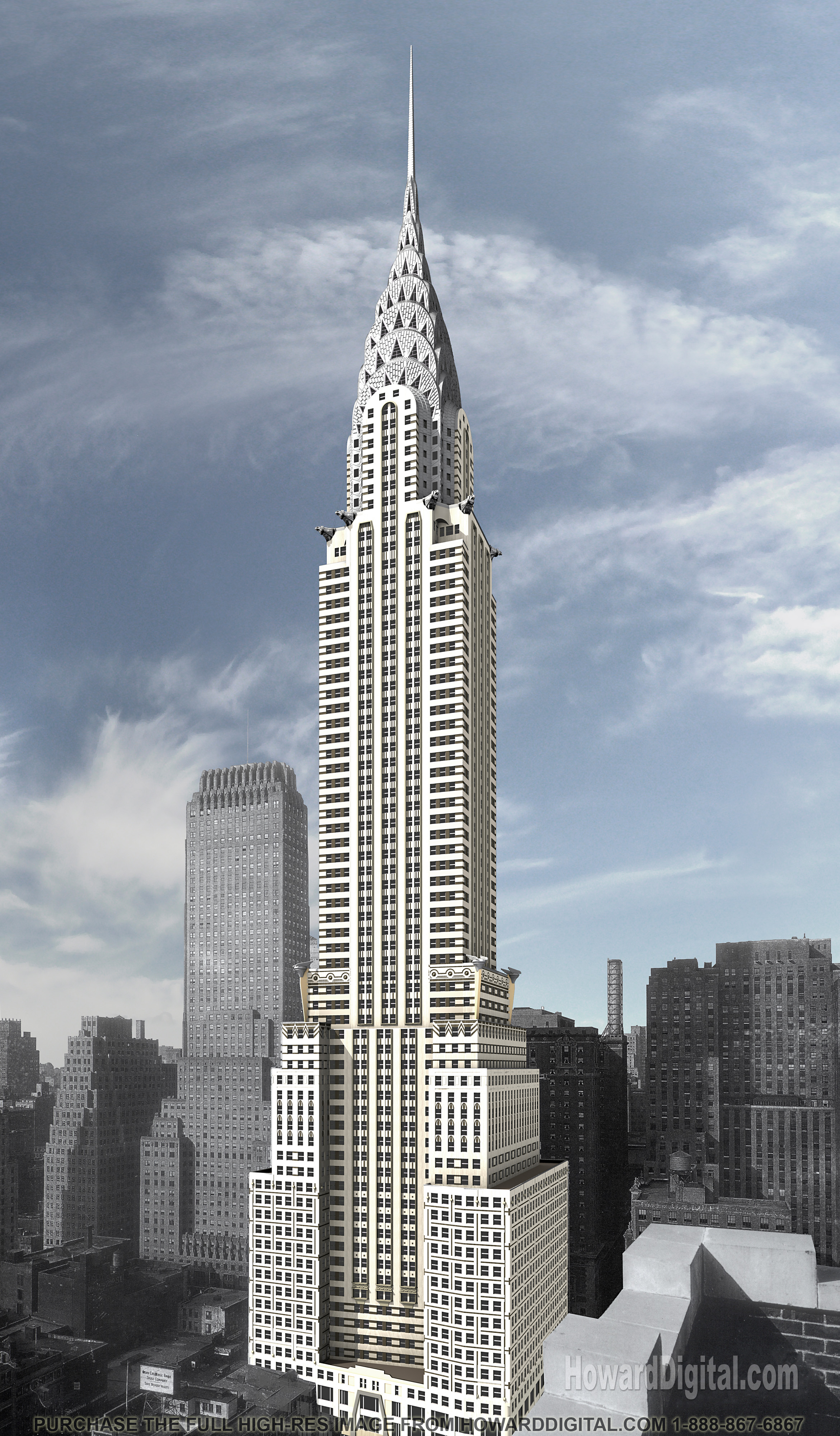
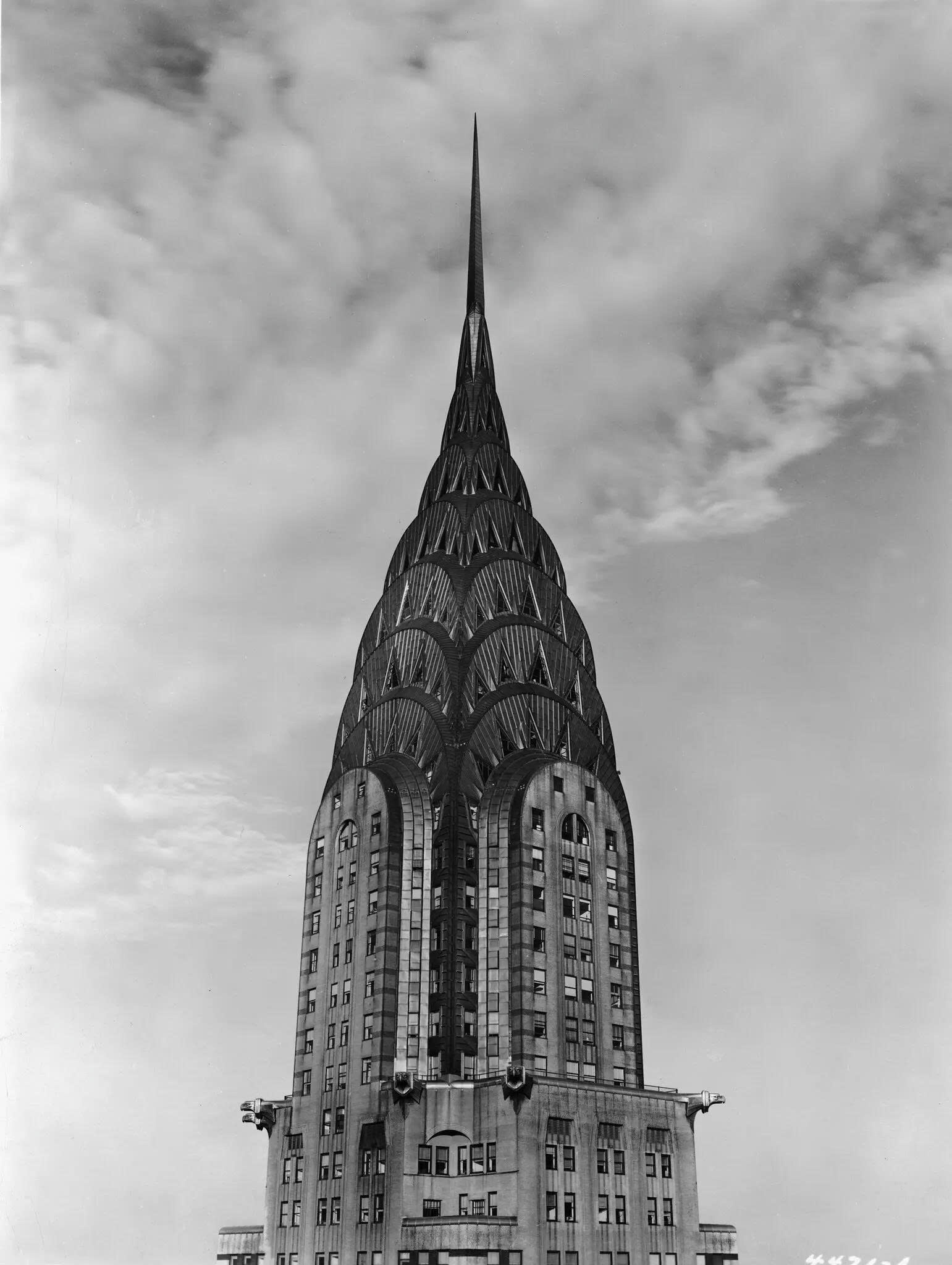
The Chrysler Building is the preeminent example of Art Deco architecture, specifically the "Skyscraper Style" of the late 1920s and early 1930s. Its design is defined by its sunburst-patterned stainless steel crown, terraced setbacks, and ornate automotive-themed ornamentation, reflecting the optimism and machine-age aesthetic of the interwar period.
Designed by architect William Van Alen for automotive tycoon Walter Chrysler, the building stands as a monument to American industrialism. Completed in 1930, it remains one of the most recognizable structures in the New York City skyline. To understand its architectural style, one must look beyond the surface-level aesthetics and examine the intersection of urban zoning laws, material science, and the competitive spirit of the "Race to the Sky."
The Essence of Art Deco in High-Rise Design
Art Deco, a style that emerged from the 1925 Exposition Internationale des Arts Décoratifs et Industriels Modernes in Paris, represents a departure from the historical revivalism of the 19th century. Instead of mimicking Gothic or Classical forms, the Chrysler Building embraced a streamlined, geometric, and decorative approach that celebrated modern technology and speed.
In the context of the Chrysler Building, Art Deco is expressed through verticality and stylized ornamentation. The building’s facade is primarily white brick, but it is punctuated by dark gray brickwork that creates horizontal accents, emphasizing the height through contrast. The style is not merely decorative; it is integrated into the very massing of the building. Unlike the later "International Style," which favored flat roofs and glass curtain walls, the Art Deco skyscraper used tiered setbacks to create a sense of aspiration and movement.
The Influence of the 1916 Zoning Resolution
The Chrysler Building's specific shape was heavily influenced by the 1916 Zoning Resolution of New York City. This law was enacted to prevent skyscrapers from blocking light and air from reaching the streets below. It required buildings to "step back" as they rose higher, leading to the "wedding cake" silhouette characteristic of Manhattan's Art Deco giants.
William Van Alen utilized these legal constraints to enhance the building's aesthetic. Each setback provided an opportunity for unique ornamentation. Instead of seeing the setbacks as a limitation, Van Alen treated them as pedestals for the building’s most famous decorative elements, including the oversized eagle heads and radiator cap motifs that dominate the upper floors.
Defining Exterior Features and Automotive Symbolism
Walter Chrysler wanted a headquarters that served as a physical manifestation of his automotive empire. Consequently, the architectural style of the building is deeply intertwined with automotive iconography. This is a rare example where a commercial product directly influenced the permanent masonry and steel of a skyscraper.
The Famous Crown and Spire
The most distinctive feature of the architectural style is the seven terraced arches that form the sunburst crown. Each arch is stepped back and contains triangular windows that radiate outward, mimicking the rays of a rising sun. These arches are clad in Nirosta, a high-chrome-nickel steel alloy developed by the German firm Krupp. This was the first major use of "stainless steel" in an architectural exterior, ensuring that the building would remain bright and reflective without the need for frequent polishing.
Hidden within the crown during construction was the 185-foot spire, known as the "vertex." In a dramatic move to win the "Race to the Sky" against the Manhattan Trust Building (40 Wall Street), the spire was hoisted through the roof in just 90 minutes. This spire is a quintessential Art Deco element—sharp, metallic, and reaching toward a future defined by flight and speed.
Gargoyles and Hood Ornaments
While Gothic cathedrals used stone gargoyles to ward off evil, the Chrysler Building used machine-age equivalents. On the 31st floor, the corners are adorned with large replicas of 1929 Chrysler radiator caps, complete with wings. On the 61st floor, massive steel American eagles—designed to resemble the hood ornaments of Chrysler cars—loom over the city. These elements represent a fusion of traditional architectural forms with modern industrial branding.
Interior Opulence and the Art Deco Lobby
The architectural style extends seamlessly into the interior, specifically the triangular lobby. In 2026, the lobby remains one of the most significant preserved Art Deco interiors in the world. It is a masterclass in the use of exotic materials to create an atmosphere of luxury and progress.
Materiality and Color Palette
The lobby does not rely on paint for its color; instead, it uses a rich palette of natural stones and metals. The walls are clad in Red Moroccan Flame marble, which provides a warm, dramatic backdrop. This is contrasted by yellow Siena marble and blue marble accents. The flooring is composed of travertine and granite, arranged in geometric patterns that guide visitors toward the elevator banks.
The metalwork in the lobby is primarily chrome-plated steel and bronze. The lighting fixtures are recessed and integrated into the architecture, reflecting off the polished surfaces to create a glowing, ethereal effect. This focus on "indirect lighting" was a hallmark of high-end Art Deco design, moving away from the harsh, direct bulbs of the previous era.
The Elevator Cabs: A Feat of Wood Marquetry
Perhaps the most refined expression of the building's style is found in its 32 elevator cabs. Each cab features a unique design made from eight different types of exotic woods, including Japanese ash, English brown oak, and oriental walnut. The woods are arranged in intricate marquetry patterns—specifically fan shapes and floral motifs—that mirror the geometric themes found on the building's exterior crown. The use of wood in such a high-tech machine as an elevator was a deliberate choice to humanize the industrial experience.
The Celestial Mural
The ceiling of the lobby features a massive mural titled Transport and Human Endeavor, painted by Edward Trumbull. This 110-by-67-foot painting depicts the building itself, alongside images of airplanes, workers, and the Chrysler assembly line. The mural serves as a narrative anchor for the building’s architectural style, explicitly linking the physical structure to the concept of human and technological progress.
Comparison of 1930s Architectural Giants
To appreciate the Chrysler Building’s style, it is helpful to compare it to its contemporaries. While all three buildings listed below are considered Art Deco, they represent different sub-movements within the style.
| Feature | Chrysler Building | Empire State Building | 40 Wall Street |
|---|---|---|---|
| Primary Architect | William Van Alen | Shreve, Lamb & Harmon | H. Craig Severance |
| Completion Year | 1930 | 1931 | 1930 |
| Style Sub-type | Decorative Art Deco | Streamlined / Functional Deco | Neo-Gothic Art Deco |
| Dominant Material | White Brick / Nirosta Steel | Limestone / Aluminum | Brick / Copper Roof |
| Crown Design | Sunburst Arches | Tiered Mast | Pyramidal Steeple |
| Symbolism | Automotive / Machine Age | Institutional / Corporate | Financial / Traditional |
While the Empire State Building opted for a more restrained, "Streamline Moderne" look with less ornamentation, the Chrysler Building remained committed to the more flamboyant, decorative "Zigzag" phase of Art Deco.
Engineering and Construction Innovations
The architectural style of the Chrysler Building was made possible by significant leaps in engineering. The use of a steel frame allowed the building to reach 1,046 feet, briefly making it the tallest building in the world until the completion of the Empire State Building in 1931.
- Nirosta Steel (K-A-2): This specific alloy was chosen because it was resistant to corrosion and atmospheric soot. Its high nickel content allowed it to retain a silver-like luster, which was essential for the "sunburst" effect of the crown.
- Advanced Riveting: The construction process involved the placement of nearly 400,000 rivets. The speed and precision of the steelworkers allowed the building to rise at an incredible rate of four floors per week.
- The Hidden Spire: The engineering feat of concealing a 27-ton spire inside the structure and then raising it into place is a defining moment in architectural history. It demonstrated a mastery of vertical logistics that was revolutionary for the time.
The Legacy of Van Alen’s Vision
The Chrysler Building was not initially received with universal acclaim. Some contemporary critics dismissed it as "stunt architecture" or overly commercialized. However, as the 20th century progressed, the building’s reputation shifted from a corporate vanity project to an architectural masterpiece.
As of 2026, the building is protected by the New York City Landmarks Preservation Commission and is a National Historic Landmark. Its architectural style is studied not just for its beauty, but for how it captures the spirit of an era. It represents the "Jazz Age" in physical form—bold, syncopated, and unapologetically modern.
For those interested in the preservation of these structures, the Landmarks Preservation Commission provides extensive documentation on the building's historical status. Additionally, the Skyscraper Museum offers deep dives into the technical drawings and construction photos that highlight Van Alen’s unique approach to the Art Deco form.
Frequently Asked Questions
Why is the Chrysler Building considered Art Deco?
The Chrysler Building is considered Art Deco because it utilizes geometric shapes, streamlined forms, and bold ornamentation. It eschews traditional classical motifs in favor of machine-age symbols (like hubcaps and radiator caps) and uses modern materials like stainless steel and exotic woods.
Who was the architect of the Chrysler Building?
The building was designed by William Van Alen. He was a pioneer of the Art Deco style in New York and is famously remembered for his rivalry with H. Craig Severance during the "Race to the Sky."
What material is the Chrysler Building's crown made of?
The crown and spire are clad in Nirosta (Krupp Nirosta Steel), which is an austenitic stainless steel alloy. It contains 18% chromium and 8% nickel, which prevents it from rusting or tarnishing over time.
How does the Chrysler Building's style differ from the Empire State Building?
While both are Art Deco, the Chrysler Building is more ornamental and "thematic," focusing on automotive motifs and a highly decorative crown. The Empire State Building is more "Streamline Moderne," featuring a simpler, more functional aesthetic with limestone cladding and less intricate exterior metalwork.
Is the Chrysler Building still the tallest in New York?
No. While it was the tallest in the world upon its completion in 1930, it was surpassed by the Empire State Building in 1931. In 2026, it remains one of the top 20 tallest buildings in New York City but has been surpassed by several newer residential and commercial supertalls.
Can you visit the inside of the Chrysler Building?
The public can visit the lobby of the Chrysler Building during standard business hours. However, the upper floors are private offices, and the famous Cloud Club (a former high-altitude social club) is no longer operational. The lobby is the best place to view the Art Deco interior design.
Recommended Next Actions
For those wishing to experience the architectural style of the Chrysler Building firsthand, a visit to the lobby at 405 Lexington Avenue is essential.
- View from a Distance: Observe the building from the corner of 42nd Street and 3rd Avenue to appreciate the "sunburst" crown and the way it catches the light.
- Examine the Detail: Walk around the base of the building to see the black Shonhite granite and the intricate brickwork.
- Lobby Tour: Enter the lobby (entry is free and open to the public during business hours) to view the Red Moroccan marble and the celestial mural. Note the geometric patterns in the floor and the unique wood marquetry on the elevator doors.
- Photography Tip: The best time to photograph the stainless steel crown is during the "golden hour" shortly before sunset, when the Nirosta steel reflects the warm colors of the sky, emphasizing the sunburst motif.