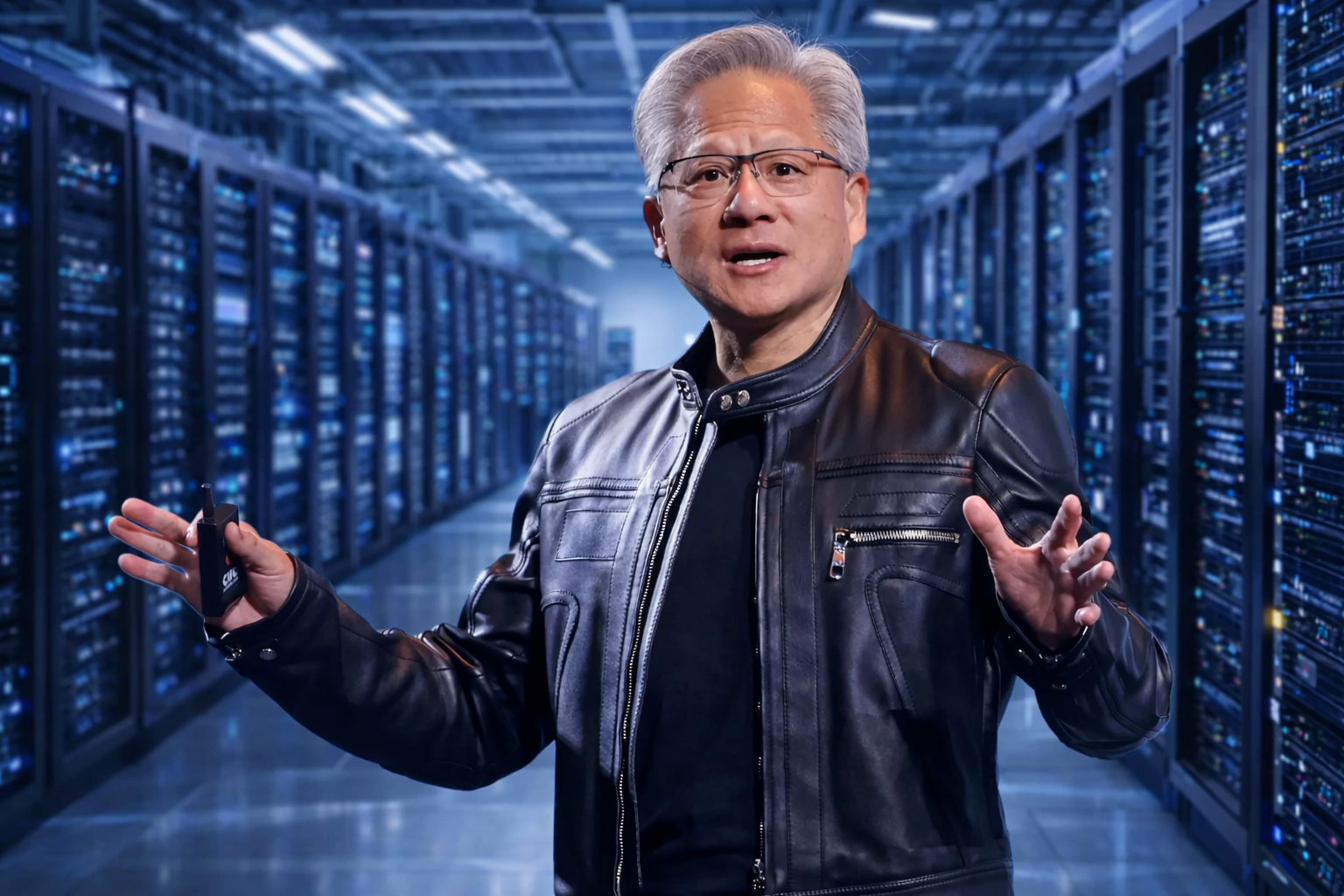
In 2026, Applewood Plumbing Heating & Electric provides specialized mission-critical infrastructure support for data centers, focusing on high-precision cooling systems, advanced electrical distribution, and emergency maintenance. Their role involves managing the complex liquid cooling loops, humidity control, and redundant power systems essential for maintaining 100% uptime in high-density computing environments across the Denver and Boulder corridors.
The Evolution of Data Center Infrastructure in 2026
The landscape of data center management has shifted significantly as we progress through 2026. With the continued explosion of high-density AI workloads, the traditional methods of air cooling have largely reached their physical limits. This has placed companies like Applewood Plumbing Heating & Electric at the forefront of a technical revolution where the "plumbing" of a data center is no longer a peripheral utility but the primary mechanism for thermal management.
Data centers today require sophisticated liquid-to-chip cooling systems and immersion cooling tanks that demand a level of precision far exceeding standard commercial plumbing. In the Rocky Mountain region, where environmental factors like altitude and low humidity affect heat dissipation, the technical requirements for plumbing and electrical contractors have become increasingly stringent. Applewood has adapted its service model to meet these needs, bridging the gap between traditional mechanical contracting and specialized IT facility management.
The focus in 2026 is on Resilience, Efficiency, and Scalability. As data centers expand to meet the needs of edge computing and localized cloud nodes, the ability to deploy experienced technicians who understand the intersection of fluid dynamics and electrical load balancing is critical for regional operators.
Critical Plumbing Requirements for Mission-Critical Facilities
Plumbing in a data center context is a high-stakes discipline. A single leak or a failure in a chilled water loop can result in millions of dollars in hardware damage and catastrophic data loss. Applewood’s approach to these environments centers on three primary plumbing pillars: cooling distribution, condensation management, and leak mitigation.
High-Precision Cooling Loops
Modern data centers utilize Chilled Water Systems that circulate through a complex network of pipes to CRAC (Computer Room Air Conditioning) and CRAH (Computer Room Air Handler) units. In 2026, we are seeing a massive shift toward Rear Door Heat Exchangers (RDHx) and Direct-to-Chip cooling. These systems require specialized piping materials, such as stainless steel or high-density polyethylene (HDPE), and must be installed with zero-tolerance for vibration or thermal expansion issues.
Applewood technicians are trained in the installation and maintenance of these closed-loop systems. This includes the chemistry management of the coolant itself, ensuring that pH levels and biocides are correctly balanced to prevent scaling and corrosion, which can reduce heat transfer efficiency.
Condensate Management and Drainage
In high-performance computing environments, managing the byproduct of cooling—condensation—is a major operational challenge. Effective drainage systems must be designed to handle significant volumes of water without the risk of backflow. Applewood implements redundant drainage solutions and specialized pumps that are monitored 24/7 by Building Management Systems (BMS). This ensures that moisture is moved away from the server floor efficiently, maintaining the precise humidity levels required for hardware longevity.
Advanced Leak Detection and Mitigation
The "gold standard" for data center plumbing in 2026 involves integrated leak detection. This consists of sensing cables placed beneath raised floors and around sensitive equipment. Applewood’s role includes the calibration of these sensors and the installation of automatic shut-off valves that can isolate a section of the plumbing network the moment a drop in pressure or the presence of moisture is detected.
Electrical Infrastructure and Redundancy
While the name highlights plumbing, the electrical side of the business is equally vital in the data center niche. Power is the lifeblood of the facility, and the electrical demands of 2026-era GPUs require massive power density.
Power Distribution and PDU Management
Applewood provides specialized services for Power Distribution Units (PDUs) and the intricate wiring required for high-voltage racks. This includes the installation of busways—overhead power distribution systems that allow for modular growth. Unlike traditional fixed wiring, busway systems require precise electrical engineering to ensure load balancing across phases, preventing "hot spots" in the electrical room.
Uninterruptible Power Supply (UPS) and Backups
The maintenance of UPS systems and backup generators is a non-negotiable requirement. Applewood’s electrical teams assist in the routine testing of transfer switches and the maintenance of battery strings. In 2026, many data centers are integrating Battery Energy Storage Systems (BESS) to manage peak shaving and provide longer-duration backup. Managing the thermal characteristics of these battery rooms is a unique challenge that requires both electrical and plumbing (cooling) expertise.
Technical Standards and Compliance
Operating within a data center requires adherence to a strict set of international and local standards. Applewood ensures compliance with the following:
- Uptime Institute Tiers: Maintenance protocols must align with the facility’s Tier rating (Tier I through Tier IV), dictating the level of redundancy required during service.
- NFPA 70E: Strict adherence to electrical safety in the workplace is mandatory to prevent arc flash incidents.
- ASHRAE TC 9.9: Following the thermal guidelines for data processing environments to optimize energy usage.
- Local Denver/Boulder Codes: Ensuring all mechanical and electrical work meets the specific environmental and safety regulations of the Colorado region.
Comparison: Standard Commercial vs. Data Center Services
The following table outlines the significant differences between standard commercial service and the specialized requirements of a data center environment as handled by Applewood in 2026.
| Feature | Standard Commercial Plumbing/Electric | Data Center Mission-Critical Service |
|---|---|---|
| Uptime Requirement | Flexible (scheduled downtime) | 99.999% (Concurrent Maintainability) |
| Cooling Method | Standard HVAC / Forced Air | Chilled Water, Immersion, or Liquid-to-Chip |
| Response Time | Same day or next day | Immediate (Gauranteed SLA) |
| Risk Mitigation | Standard insurance/bonding | Critical liability; comprehensive leak detection |
| Monitoring | Manual thermostat/inspection | IoT-integrated BMS and DCIM systems |
| Filtration | Standard particulate filters | High-grade chemical and biological fluid control |
| Power Density | Low to Moderate (5-10 kW per room) | High (30-100 kW+ per rack) |
Operational Challenges and Troubleshooting
Data center environments present unique challenges that are rarely encountered in residential or standard commercial settings. Applewood addresses these through rigorous troubleshooting protocols.
Addressing Thermal Runaway
Thermal runaway occurs when a cooling failure leads to a rapid increase in temperature, which in turn causes hardware to work harder and generate more heat. If the plumbing systems (pumps or chillers) fail, technicians must act within minutes. Applewood utilizes Predictive Maintenance—using vibration analysis on pumps and thermal imaging on electrical panels—to identify a potential failure before it happens.
Water Quality and Closed-Loop Integrity
In 2026, the use of "greywater" or recycled water for cooling towers is becoming more common to meet sustainability goals. However, this water is often more corrosive. Applewood provides specialized filtration and treatment services to ensure that this water does not damage the expensive heat exchangers within the data center. Regular testing for "Legionella" and other biological contaminants is also a standard part of the maintenance cycle for open-loop cooling towers.
Vibration Isolation
One often-overlooked aspect of data center plumbing is vibration. Large pumps and flowing water can create micro-vibrations that interfere with sensitive hard drives or optical equipment. Applewood employs specialized mounting systems and flexible connectors to isolate mechanical noise and vibration from the server white space.
Sustainable Practices and Energy Efficiency
Energy efficiency is the primary metric for data center success in 2026, often measured as Power Usage Effectiveness (PUE). Applewood contributes to lowering a facility's PUE by:
- Optimizing Chiller Plant Performance: Ensuring that chillers are operating at their peak efficiency curve through regular descaling and sensor calibration.
- Variable Frequency Drives (VFDs): Installing and maintaining VFDs on pumps and fans to ensure that the cooling system only uses the energy required for the current IT load.
- Heat Reclaim Systems: In some Colorado installations, Applewood assists in "heat harvesting," where the waste heat from the data center is repurposed to provide space heating for adjacent office buildings or greenhouses.
Frequently Asked Questions
What is the response time for emergency data center repairs?
Applewood maintains a dedicated mission-critical response team available 24/7/365. For contracted data center clients, response times are typically governed by a Service Level Agreement (SLA) that guarantees a technician on-site within 2 to 4 hours, depending on the severity of the issue and the facility's location in the Denver metro area.
Can Applewood assist with liquid immersion cooling setups?
Yes. As of 2026, liquid immersion cooling (where servers are submerged in dielectric fluid) has become more common for AI-heavy facilities. Applewood provides the secondary loop plumbing—the water-side infrastructure that removes heat from the dielectric fluid via heat exchangers—and ensures all piping meets the chemical compatibility requirements of the specific cooling medium used.
How does Applewood ensure no water damage occurs during maintenance?
Technicians use "dry-work" protocols where possible. When a system must be opened, Applewood utilizes specialized containment systems, vacuum-assisted draining, and temporary physical barriers. All work is performed under a strict "Method of Procedure" (MOP) document that is reviewed by the data center's facility manager before any tools are used.
Are Applewood technicians certified for data center environments?
Applewood technicians working in these environments hold advanced certifications, including master plumber and journeyman electrician licenses, supplemented by specific training in NFPA 70E (Arc Flash safety) and OSHA-30. Many also hold manufacturer-specific certifications for the cooling and power equipment commonly found in Tier III and IV facilities.
Does Applewood handle the electrical side of server rack deployments?
Applewood focuses on the facility-side electrical infrastructure. This includes bringing power from the main utility entrance to the PDUs and onto the busways. While the actual "racking and stacking" of servers is usually handled by IT teams, Applewood provides the critical power and grounding infrastructure that those servers rely on.
Strategic Recommendation for Facility Managers
For data center operators in the Rocky Mountain region, the complexity of 2026-era cooling and power requirements demands a partnership with a service provider that understands both the mechanical and the digital risks. It is recommended that facility managers establish a Preventive Maintenance Contract that includes quarterly thermal imaging of all electrical components and monthly water chemistry analysis of cooling loops.
By leveraging a local leader like Applewood Plumbing Heating & Electric, data centers can ensure they have the regional expertise necessary to navigate Colorado’s unique environmental challenges while maintaining the global standards of uptime required by modern digital infrastructure. The next step for any facility manager is to conduct a comprehensive infrastructure audit to identify any "single points of failure" in the current plumbing and electrical systems before they lead to an unplanned outage.