Apple Inc. (AAPL) typically pays dividends on a quarterly basis, usually in the second month of each fiscal quarter. For 2026, the next projected dividend payout date is May 14, 2026, following the company’s Q2 earnings announcement. Shareholders must own the stock before the ex-dividend date, typically in early May, to qualify.
Understanding Apple’s Quarterly Dividend Cycle
Apple’s capital return program is one of the most consistent in the technology sector. Since reinstating its dividend in 2012, the company has followed a predictable rhythm that allows investors to plan their income streams with high precision. For shareholders monitoring Apple's next dividend payout date in 2026, it is essential to understand that these dates are tied directly to the company’s fiscal calendar rather than the calendar year.
Apple’s fiscal year begins in late September or early October. This means their "first quarter" results are usually released in late January, which triggers the first dividend payment of the calendar year in February. The cycle continues every three months thereafter. Because Apple generates massive free cash flow—often exceeding $100 billion annually—the dividend is viewed by the market as highly secure, though the yield remains relatively low compared to utility or consumer staple stocks due to Apple's high share price.
The Four Stages of the Payout Process
To understand when you will see cash in your brokerage account, you must distinguish between four critical dates:
- Declaration Date: This is the day Apple’s Board of Directors officially announces the dividend amount and the schedule. This usually happens during the quarterly earnings call.
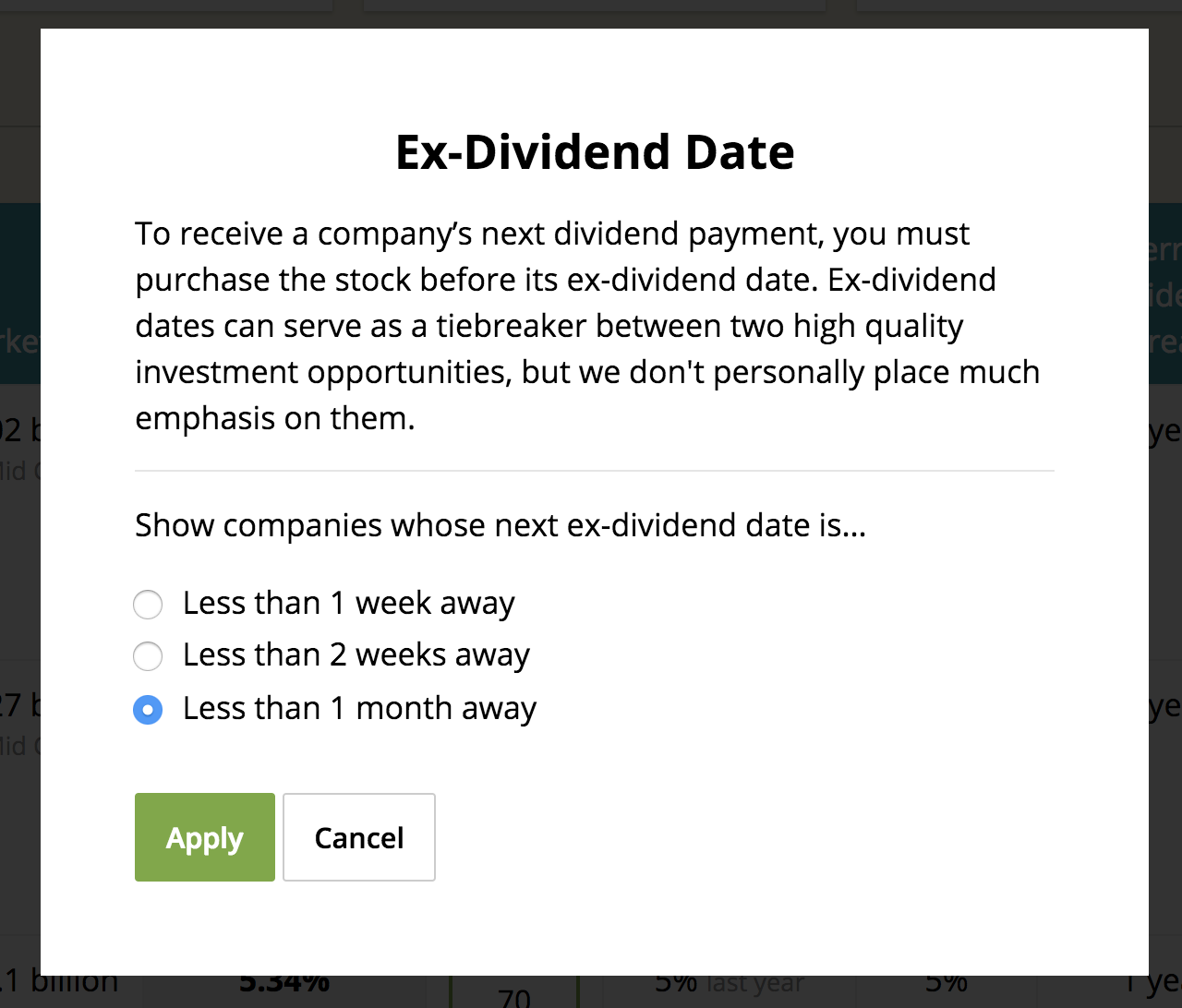
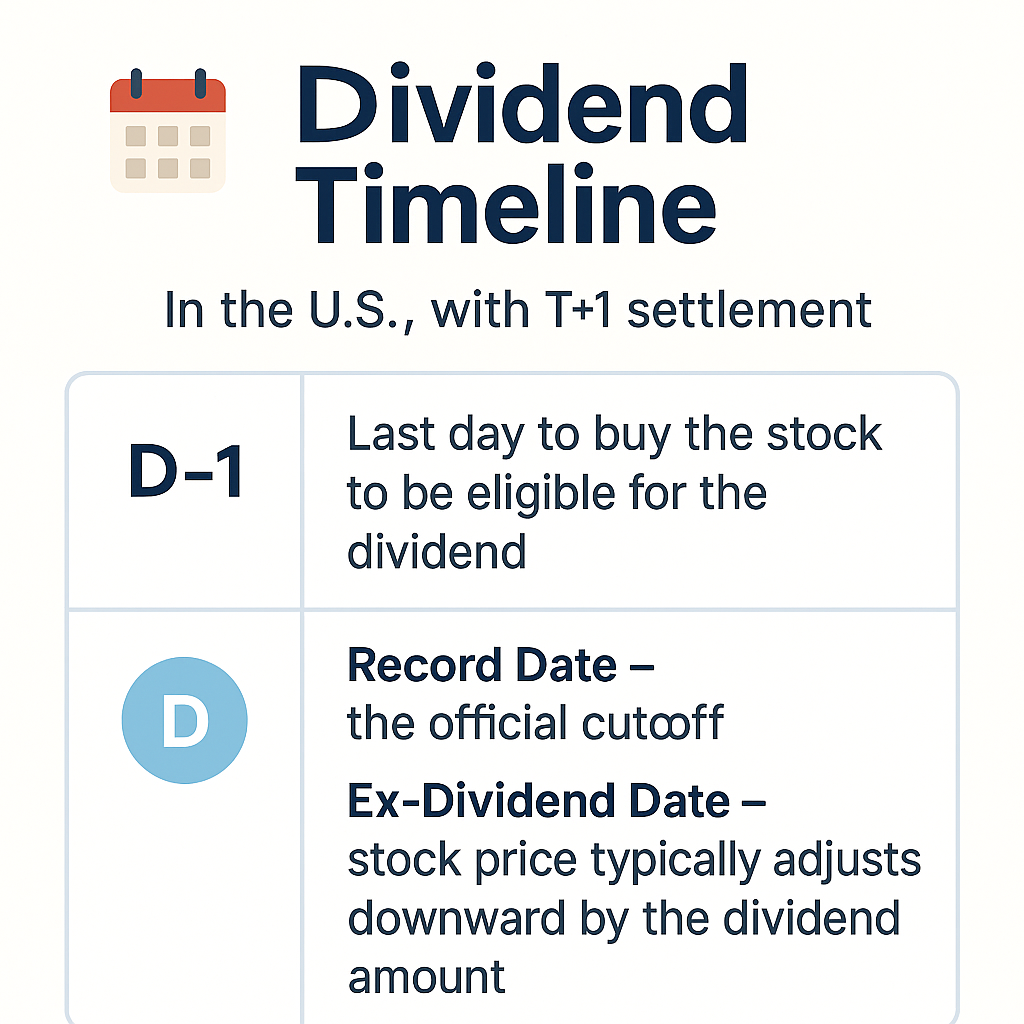
- Ex-Dividend Date: This is the most important date for buyers. To receive the upcoming dividend, you must purchase the shares before this date. If you buy on or after the ex-dividend date, the previous owner receives the payment.
- Record Date: This is a formality for the company’s books, typically occurring one business day after the ex-dividend date, to finalize the list of eligible shareholders.
- Payout Date: This is the day the funds are actually distributed to shareholders or brokerage accounts.
Projected Apple Dividend Schedule for 2026
Based on Apple's historical adherence to a "Thursday payment" schedule (usually the second or third Thursday of the middle month of the quarter), we can project the 2026 timeline with significant confidence. While the Board must officially declare each dividend, the following table outlines the expected windows for the 2026 calendar year.
| Quarter | Declaration Date (Estimated) | Ex-Dividend Date (Estimated) | Record Date (Estimated) | Payout Date (Projected) |
|---|---|---|---|---|
| Q1 (Winter) | January 29, 2026 | February 6, 2026 | February 9, 2026 | February 12, 2026 |
| Q2 (Spring) | April 30, 2026 | May 8, 2026 | May 11, 2026 | May 14, 2026 |
| Q3 (Summer) | July 30, 2026 | August 7, 2026 | August 10, 2026 | August 13, 2026 |
| Q4 (Autumn) | October 29, 2026 | November 6, 2026 | November 9, 2026 | November 12, 2026 |
Note: These dates are projections based on Apple’s established historical patterns. Official dates are confirmed via Apple’s Investor Relations portal during quarterly earnings releases.
The Significance of the May 2026 Dividend Increase
For long-term investors, the May payout is often the most significant. Historically, Apple uses the May declaration (coinciding with Q2 earnings) to announce its annual dividend increase. Since 2012, Apple has raised its dividend every single year, typically by mid-to-high single digits.
In 2026, analysts expect this trend to continue. Apple’s "Cash Neutral" goal—a policy where the company aims to eventually have a net cash balance of zero by returning capital to shareholders—drives these annual increases. Even as Apple invests heavily in artificial intelligence infrastructure and silicon development, its services revenue (including the App Store, iCloud, and Apple Music) provides a high-margin, recurring cash flow that easily supports a growing dividend.
Factors Influencing the 2026 Payout Amount
Several macroeconomic and internal factors could influence whether the 2026 increase is conservative (e.g., 4-5%) or more aggressive (e.g., 8-10%):
- Services Growth: As Apple shifts more toward a subscription-based model, its cash flow becomes more predictable, allowing for higher payout ratios.
- Regulatory Fines: Massive antitrust rulings in the EU or US could lead to one-time cash outflows, though Apple’s balance sheet is usually robust enough to handle these without impacting the dividend.
- Share Buybacks: Apple prioritizes share repurchases over dividends because buybacks are more tax-efficient for many investors. If the share price is perceived as "cheap" in 2026, Apple might allocate more toward buybacks and less toward a dividend hike.
Eligibility: How to Secure the Next Payout
A common mistake among novice investors is buying Apple stock on the day of the dividend payout and expecting to receive the cash. To be eligible for Apple’s next dividend, you must be a "shareholder of record."
The ex-dividend date is your deadline. If you want the May 14, 2026, payout, you must execute your trade no later than the day before the ex-dividend date (which is projected to be May 7, 2026). This allows for the standard "T+1" (Trade date plus one business day) settlement process used in modern financial markets. If you sell your shares on or after the ex-dividend date, you will still receive the dividend for that quarter because you were the owner of record when the eligibility window closed.
Dividend Reinvestment Plans (DRIP)
If your goal is long-term wealth accumulation rather than immediate income, you should consider a Dividend Reinvestment Plan (DRIP). Most major brokerages (such as Charles Schwab, Fidelity, or Vanguard) allow you to automatically reinvest Apple dividends back into fractional shares of AAPL. Over a decade, this "compounding" effect can significantly increase your total return, especially as Apple continues to raise the dividend amount per share.
Tax Considerations for Apple Dividends
In the United States, Apple’s dividends are typically classified as qualified dividends. This is a favorable tax status, provided you have held the stock for more than 60 days during the 121-day period that begins 60 days before the ex-dividend date.
Qualified dividends are taxed at the long-term capital gains rate (0%, 15%, or 20% depending on your taxable income) rather than the higher ordinary income tax rates. For investors holding Apple in a tax-advantaged account like a 401(k) or a Roth IRA, these quarterly payouts grow tax-deferred or tax-free, respectively. International investors may be subject to withholding taxes depending on the treaty between their home country and the United States.
Apple’s Payout Ratio and Financial Health
When evaluating the sustainability of "Apple's next dividend payout date," professional analysts look at the payout ratio. This is the percentage of earnings a company pays out as dividends.
Apple’s payout ratio has historically remained very low, often under 20%. This is a sign of extreme safety. For comparison, many "Dividend Aristocrats" in the consumer goods sector have payout ratios of 50% to 70%. Apple’s low ratio indicates that the company could lose a significant portion of its earnings and still comfortably pay its dividend. Furthermore, it leaves ample room for the annual increases that investors have come to expect.
Cash Flow vs. Net Income
While earnings are important, Free Cash Flow (FCF) is the real engine behind the dividend. Apple’s ability to convert iPhones, iPads, and Services into cold hard cash is unparalleled. In 2026, as Apple’s hardware ecosystem continues to integrate advanced generative AI features (requiring periodic hardware upgrades from the massive install base), FCF is expected to remain the benchmark of the company’s dividend-paying power.
Common Mistakes to Avoid
- Chasing the Yield: Apple’s dividend yield is usually low (often under 1%). Do not ignore the stock simply because the yield is small; the "Total Return" (stock appreciation + dividends) has historically outperformed the broader market.
- Missing the Ex-Date: Relying on the "Record Date" instead of the "Ex-Dividend Date" is a frequent error. Always buy at least two business days before the record date to be safe.
- Ignoring Foreign Exchange: If you are a non-US investor, fluctuations in the USD can affect the actual value of the dividend you receive in your local currency.
Frequently Asked Questions
When does Apple announce its dividend increase?
Apple typically announces its annual dividend increase during the second-quarter earnings call, which usually takes place in late April or early May. This increase then takes effect with the May payout. In 2026, this announcement is expected around April 30.
Does Apple pay a monthly dividend?
No, Apple pays dividends on a quarterly basis. The payments are distributed four times a year, usually in February, May, August, and November. If you are looking for monthly income, you would need to pair Apple with other stocks that pay on different cycles or look into monthly-pay ETFs.
What happens to the dividend if the stock splits?
If Apple were to execute a stock split in 2026, the dividend per share would be adjusted proportionally. For example, if there were a 2-for-1 split, the dividend per share would be cut in half, but you would own twice as many shares, resulting in the same total dollar amount received.
Can Apple cancel its dividend?
While any company can technically cancel its dividend, it is highly unlikely for Apple. Given its massive cash reserves and its reputation among institutional investors as a reliable return-of-capital play, a dividend cut or cancellation would likely signal a catastrophic failure in the business model that is not currently foreseen.
Where can I find the official announcement for the next payout?
The most reliable source is the Apple Investor Relations website (investor.apple.com). They publish press releases for every earnings report, which include the specific declaration of the dividend, the record date, and the payment date.
Practical Recommendations for Shareholders
If you are holding Apple stock for the dividend, your best course of action is to ensure your brokerage account is set up correctly for your goals.
- For Income Seekers: Confirm that your "Dividend Election" is set to "Cash" so that the funds are deposited into your settlement account on the payout date.
- For Growth Seekers: Enable "Automatic Reinvestment" (DRIP) to capitalize on the compounding power of Apple’s annual dividend growth.
- For Verification: Mark your calendar for the last week of January, April, July, and October. These are the windows when Apple releases earnings and confirms the exact dates for the upcoming payouts.
By staying informed about the ex-dividend date, you ensure that you never miss a cycle of Apple’s capital return program. As we move through 2026, Apple remains a cornerstone of dividend-growth portfolios, combining the stability of a cash-rich balance sheet with the growth potential of the global technology leader.