Homeowners in Miami can secure reliable appliance repair by first identifying the specific symptoms of the failure, verifying warranty coverage, and selecting a licensed local technician who understands the unique impacts of South Florida’s humidity and salt air. In 2026, most standard repairs cost between $175 and $550, with service calls typically ranging from $85 to $125.
The Unique Challenges of Appliance Maintenance in Miami
Miami’s tropical monsoon climate creates a specific set of stressors for household appliances that differ significantly from other regions. As a homeowner, understanding these environmental factors is the first step in diagnosing issues and communicating effectively with repair professionals.
Humidity and Electronic Corrosion
High humidity levels, which often exceed 70% in Miami, can lead to premature "creeping" corrosion on the sensitive control boards of modern smart appliances. In 2026, where almost every major appliance—from refrigerators to washing machines—relies on integrated circuits and Wi-Fi modules, moisture-induced short circuits are a leading cause of phantom errors. If your appliance displays erratic behavior or non-responsive touchpads, it is frequently a result of moisture ingress affecting the low-voltage components.
Salt Air and Metal Fatigue
For homeowners located in coastal areas like Miami Beach, Key Biscayne, or Coconut Grove, salt-laden air is a constant adversary. Salt accelerates the oxidation of metal components, particularly the condenser coils in refrigerators and the outer casings of laundry units kept in garages or utility rooms. Once the protective coating on these metals is compromised, the structural integrity of the appliance can degrade, leading to leaks or mechanical failure.
Heat-Induced Compressor Stress
The persistent heat in South Florida means that refrigeration systems rarely get a "break." In Miami, a refrigerator’s compressor may run significantly more hours per year than a similar unit in a temperate climate. This constant operation leads to faster wear on the start relay and the compressor itself. When the ambient temperature in a kitchen or garage rises, the appliance must work harder to displace heat, making regular maintenance of condenser coils a non-negotiable task for Miami residents.
Identifying When to Call a Professional
Not every appliance hiccup requires a paid service call. Before scheduling a technician in 2026, homeowners should perform a tiered diagnostic check to rule out simple environmental or user-error issues.
The Basic Diagnostic Checklist
- Power Supply Integrity: Frequent thunderstorms and power surges in South Florida can trip GFCI outlets or circuit breakers. Ensure the outlet hasn't tripped and that the cord is seated firmly.
- Filter and Vent Obstructions: In Miami's dusty and humid environment, dryer vents and dishwasher filters clog faster than manufacturer estimates. A "broken" dishwasher that leaves dishes filmy is often just suffering from a clogged spray arm or a saturated filter.
- Digital Reset: Many 2026 model appliances can be "fixed" by a hard reset—unplugging the unit for ten minutes to clear the control board's memory.
When Professional Intervention is Mandatory
You should seek a qualified Miami appliance repair service immediately if you encounter:
- Burning Smells or Scorching: This indicates electrical arcing or a failing motor, posing a significant fire risk.
- Water Leakage: In a high-humidity environment, even a small leak can lead to rapid mold growth behind cabinetry.
- Gas Odors: For those with gas ranges or dryers, any scent of sulfur or gas requires an immediate call to the gas company and a certified technician.
- Loud Mechanical Grinding: This usually signals a failed bearing or a compromised compressor, which will lead to total failure if left unaddressed.
The "Repair vs. Replace" Decision in 2026
One of the most difficult decisions for a homeowner is determining whether an aging appliance is worth the investment of a costly repair. By 2026, the complexity of appliances has increased, often making repairs more expensive due to the high cost of proprietary sensors and boards.
The 50% Rule
The standard industry guideline remains the 50% rule: If an appliance is more than halfway through its expected lifespan and the repair cost exceeds 50% of the price of a new, energy-efficient model, replacement is generally the wiser financial move.
Average Lifespan of Appliances in South Florida
Due to the environmental factors mentioned earlier, appliances in Miami often have slightly shorter lifespans than the national average.
| Appliance Type | National Average Lifespan | Estimated Miami Lifespan | Common 2026 Repair Cost |
|---|---|---|---|
| Refrigerator | 10–12 Years | 8–10 Years | $250 – $600 |
| Washing Machine | 8–11 Years | 7–9 Years | $200 – $450 |
| Clothes Dryer | 10–13 Years | 9–11 Years | $150 – $350 |
| Dishwasher | 9–12 Years | 7–10 Years | $180 – $400 |
| Electric Range/Oven | 13–15 Years | 11–13 Years | $200 – $500 |
| Microwave (Built-in) | 7–9 Years | 6–8 Years | $150 – $300 |
Efficiency Considerations
When deciding whether to replace an appliance in Miami, homeowners must factor in Florida’s high electricity rates. Newer models, particularly those with Energy Star certifications, can offer significant monthly savings on cooling and water heating costs, which may offset the higher initial price of replacement over three to five years.
Selecting a Reliable Miami Repair Service
The appliance repair market in Miami is vast, ranging from independent handymen to large authorized service centers. Selecting the right provider requires due diligence to ensure your home and your appliances are protected.
Licensing and Insurance
Florida does not have a specific "Appliance Repair License" at the state level, but reputable companies should hold a local municipal occupational license. More importantly, ensure the company carries General Liability Insurance and Workers' Compensation. In the event a technician causes a flood or an electrical fire in your Miami home, their insurance must cover the damages.
Specialized Brand Certification
Modern luxury brands common in Miami's high-end real estate market—such as Sub-Zero, Wolf, Viking, and Miele—require specialized diagnostic tools and training. Using a generic repair service for these brands can void your warranty and may lead to the installation of non-OEM (Original Equipment Manufacturer) parts that don't meet the unit's specifications. Always ask if the technician is "factory-authorized" for your specific brand.
Transparency in Pricing
A professional service in 2026 should provide a clear "service call" or "diagnostic fee" upfront. This fee covers the technician's travel and time to identify the problem. Once the issue is found, they should provide a written estimate that breaks down:
- Labor: Usually charged as a flat rate based on the job type rather than an hourly fee.
- Parts: Ensure they specify if they are using new OEM parts.
- Warranty: Most reputable Miami firms offer a 90-day to 1-year warranty on both parts and labor.
Common Appliance Issues Specific to Miami Homes
Refrigerator Cooling Failures
In the heat of a Miami summer, if your refrigerator stops cooling, the culprit is often the condenser fan motor or a thick layer of dust and pet hair on the coils. Because Miami homes often use central air conditioning, the "return air" can pull dust across the floor and directly into the base of the refrigerator. If the coils cannot dissipate heat, the compressor will overheat and shut down as a safety precaution.
Washing Machine Mold and Odors
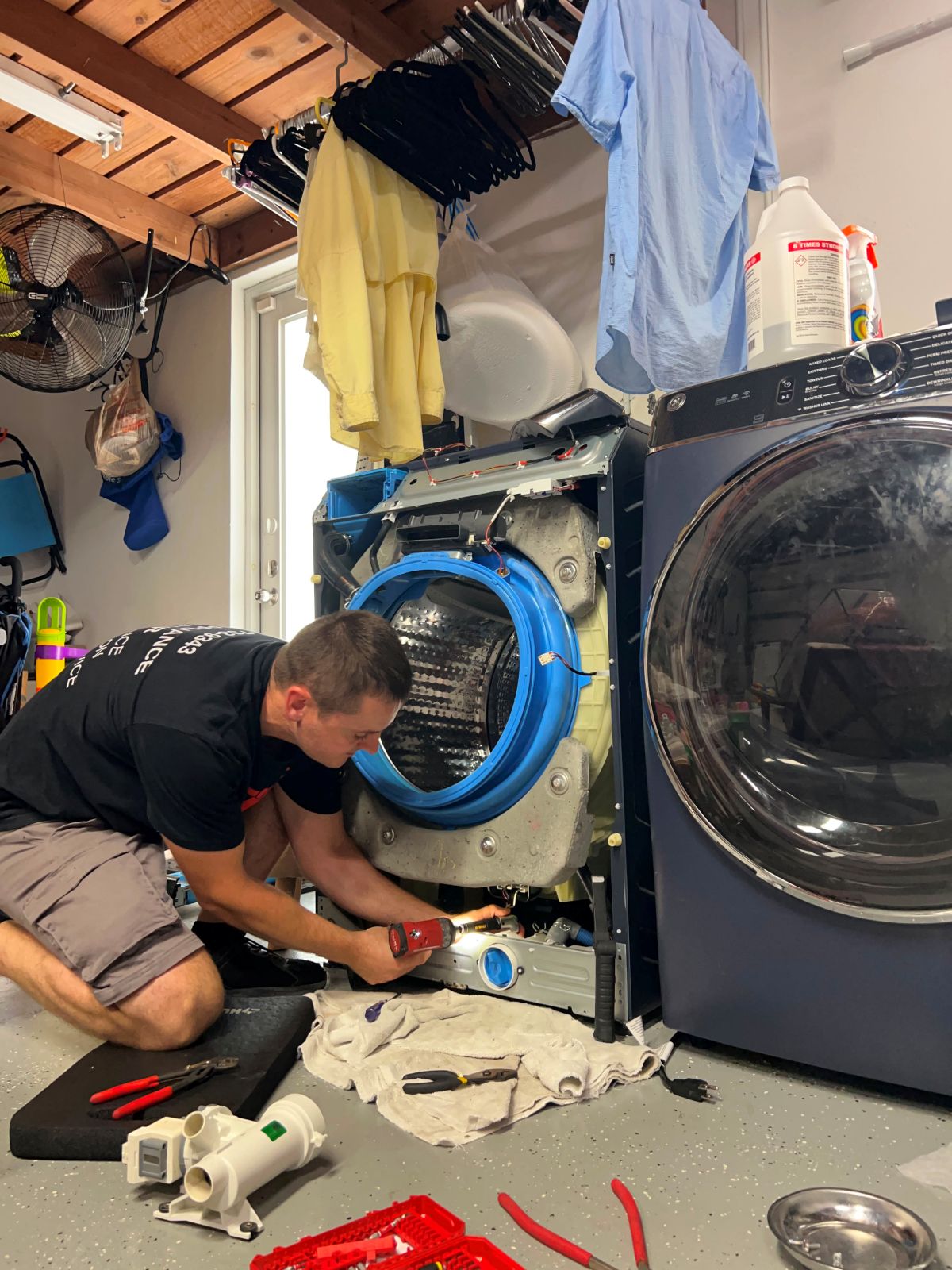
The extreme humidity in South Florida makes front-load washing machines particularly susceptible to mold and mildew growth on the rubber door gasket (bellows). If a technician is called for "smelly laundry," the solution usually involves a deep clean of the internal drum and potentially replacing the gasket if the mold has permeated the material. Homeowners are advised to leave the washer door open between cycles to allow the Miami air to circulate and dry the interior.
Dishwasher Drainage Problems
Miami’s water can be "hard" in certain municipalities, leading to calcium buildup in the drain pump and hoses. If you notice standing water at the bottom of your dishwasher, it is often a blockage in the "air gap" or the check valve. Repairing this early is essential, as a backed-up dishwasher can leak into the subflooring, which, in the Miami climate, becomes a breeding ground for termites and rot.
Preventative Maintenance for the Miami Homeowner
The best way to handle appliance repair is to prevent the need for it. Implementing a seasonal maintenance schedule can extend the life of your machines by several years.
- Clean Condenser Coils Every 6 Months: Use a coil brush or vacuum to remove debris from the back or bottom of your refrigerator.
- Inspect Dryer Vents Annually: High humidity can cause lint to "clump" in the vent line, creating a fire hazard and reducing efficiency. In Miami, where dryers run frequently for heavy beach towels and linens, this is critical.
- Check Water Supply Lines: Replace rubber hoses on washing machines and dishwashers with braided stainless steel lines. The heat in South Florida laundry rooms can cause rubber to become brittle and burst.
- Use Surge Protectors: Given Miami’s frequency of lightning strikes, high-quality surge protectors (or a whole-house surge protector installed at the breaker panel) can save thousands of dollars in electronic control board repairs.
Navigating Warranties and Service Contracts
Before paying for a repair out-of-pocket, homeowners should verify their coverage status.
- Manufacturer’s Warranty: Most new appliances in 2026 come with a 1-year comprehensive warranty and longer-term warranties (5–10 years) on specific parts like the compressor or motor.
- Credit Card Protection: Many premium credit cards used for the initial purchase offer an additional year of extended warranty coverage.
- Home Warranties: Many Miami homeowners carry home warranty policies. If you have one, you must call the warranty company first to open a claim, or they may refuse to reimburse you for a repair performed by an outside contractor.
Frequently Asked Questions
How much does a typical appliance repair service call cost in Miami?
In 2026, most Miami-based repair companies charge a diagnostic fee ranging from $85 to $125. This fee is often waived if you choose to proceed with the recommended repair. Total repair costs, including parts and labor, typically average between $200 and $400 for standard fixes.
Is it worth repairing a 10-year-old refrigerator in Miami?
Generally, no. Because the average lifespan of a refrigerator in Miami's climate is about 8 to 10 years, a 10-year-old unit is likely at the end of its functional life. Investing $300 or more in a repair is risky, as other components are likely to fail soon, and newer models offer significantly better energy efficiency.
Why do my appliances seem to break more often since moving to Miami?
The combination of high ambient heat, salt-laden air (if near the coast), and extreme humidity causes mechanical and electronic parts to degrade faster than in drier, cooler climates. Additionally, frequent power fluctuations from tropical storms can damage sensitive electronic control boards.
Can I perform my own appliance repairs to save money?
Homeowners can safely handle basic maintenance like cleaning filters, clearing drain lines, or replacing light bulbs. However, any repair involving the sealed refrigerant system, high-voltage electrical components, or gas lines should be left to a professional to ensure safety and maintain warranty validity.
How do I find a technician who specializes in smart appliances?
When calling a repair service, specifically ask if their technicians are trained in "electronic diagnostics" and if they have the software tools to interface with your appliance’s brand. By 2026, most reputable Miami firms have transitioned to "tech-first" diagnostics to handle the complex sensors found in modern homes.
Practical Recommendation for Homeowners
If you are currently facing an appliance failure in Miami, your first action should be to locate the model and serial number (usually found on a sticker inside the door or frame) and check the manufacturer’s website for any active recalls or warranty extensions. If the unit is out of warranty, contact a local service provider that offers a written guarantee on their work and has verified experience with Miami's unique environmental challenges. For long-term savings, prioritize cleaning your refrigerator coils and dryer vents every six months to combat the effects of local heat and humidity.