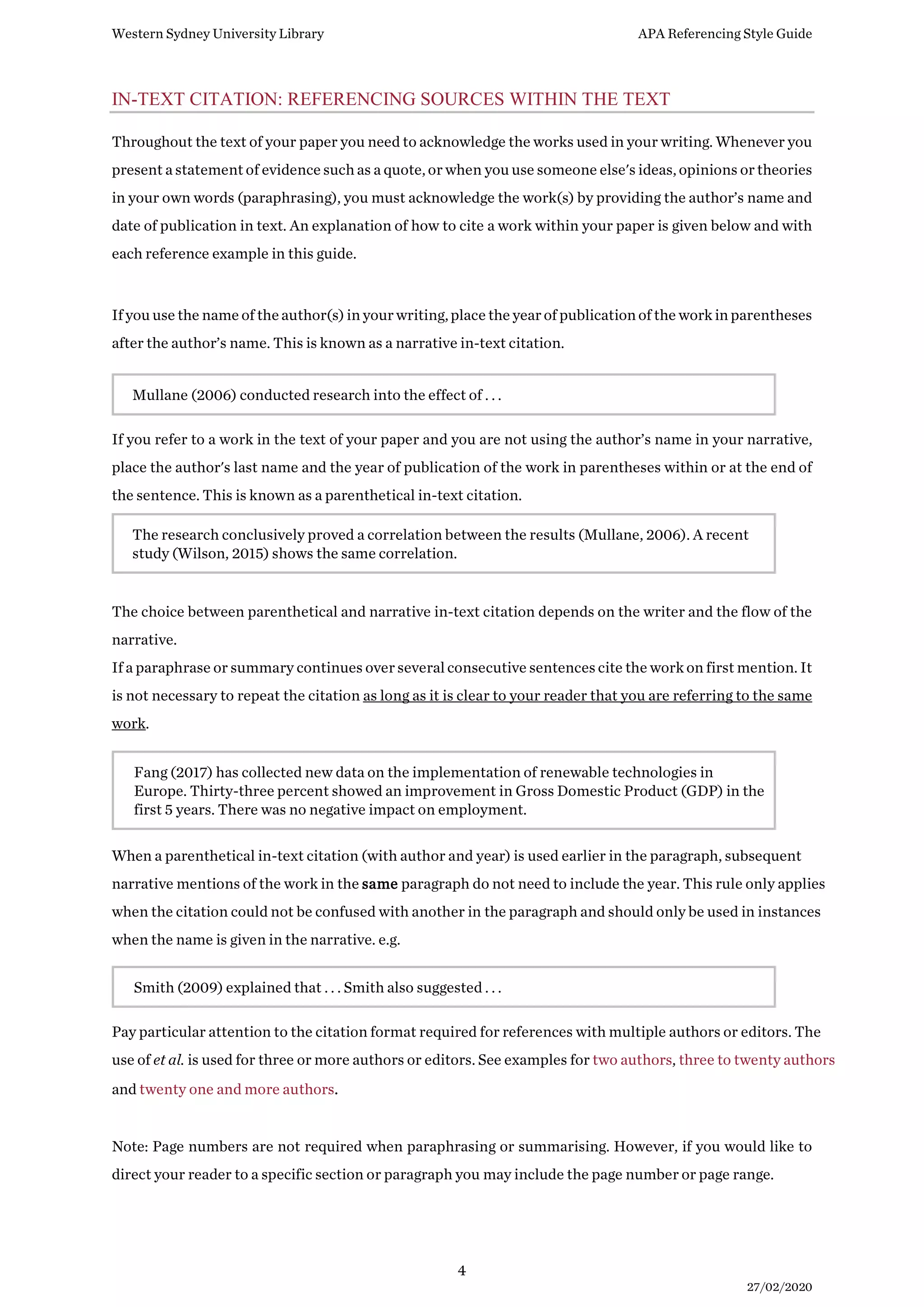
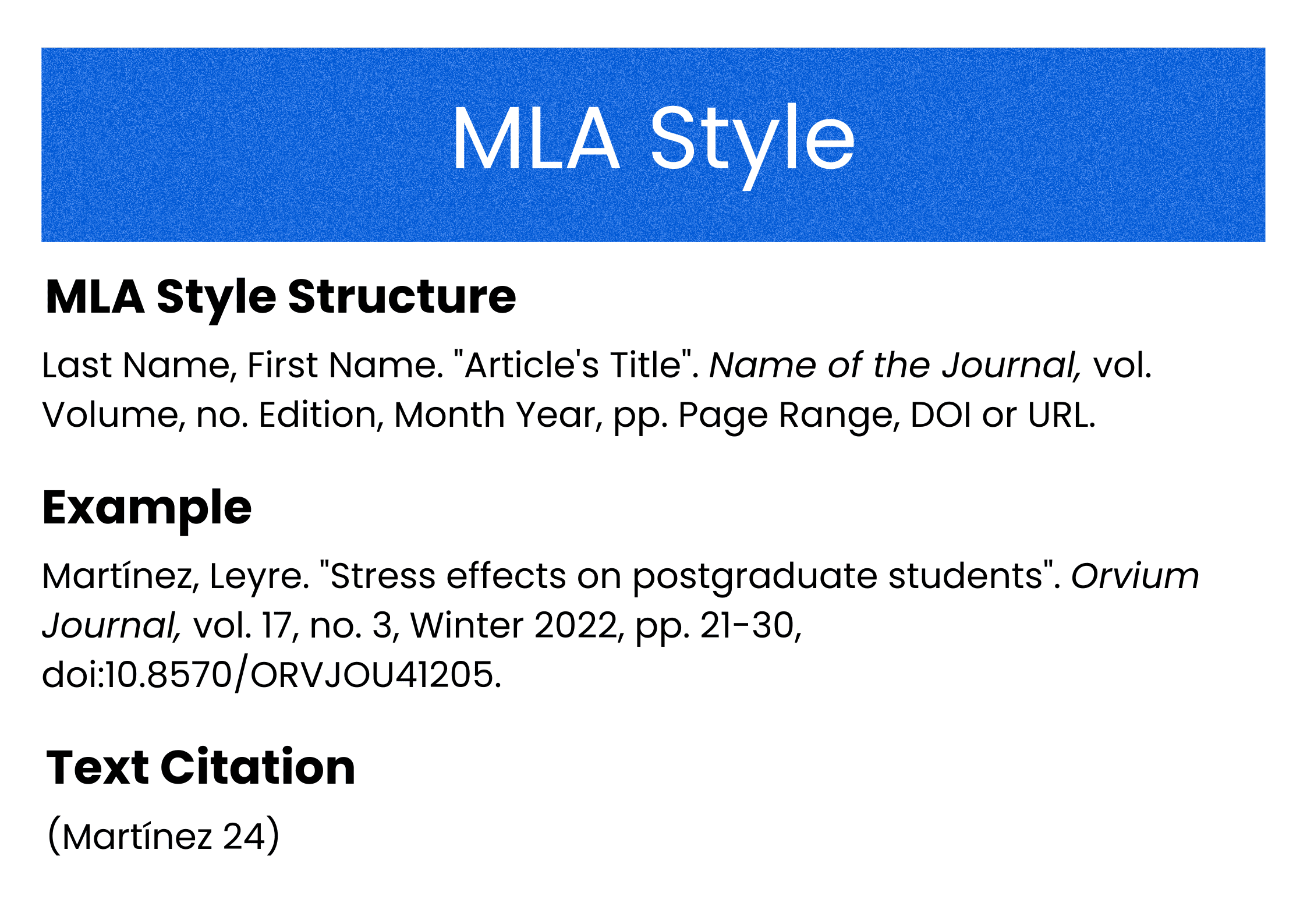
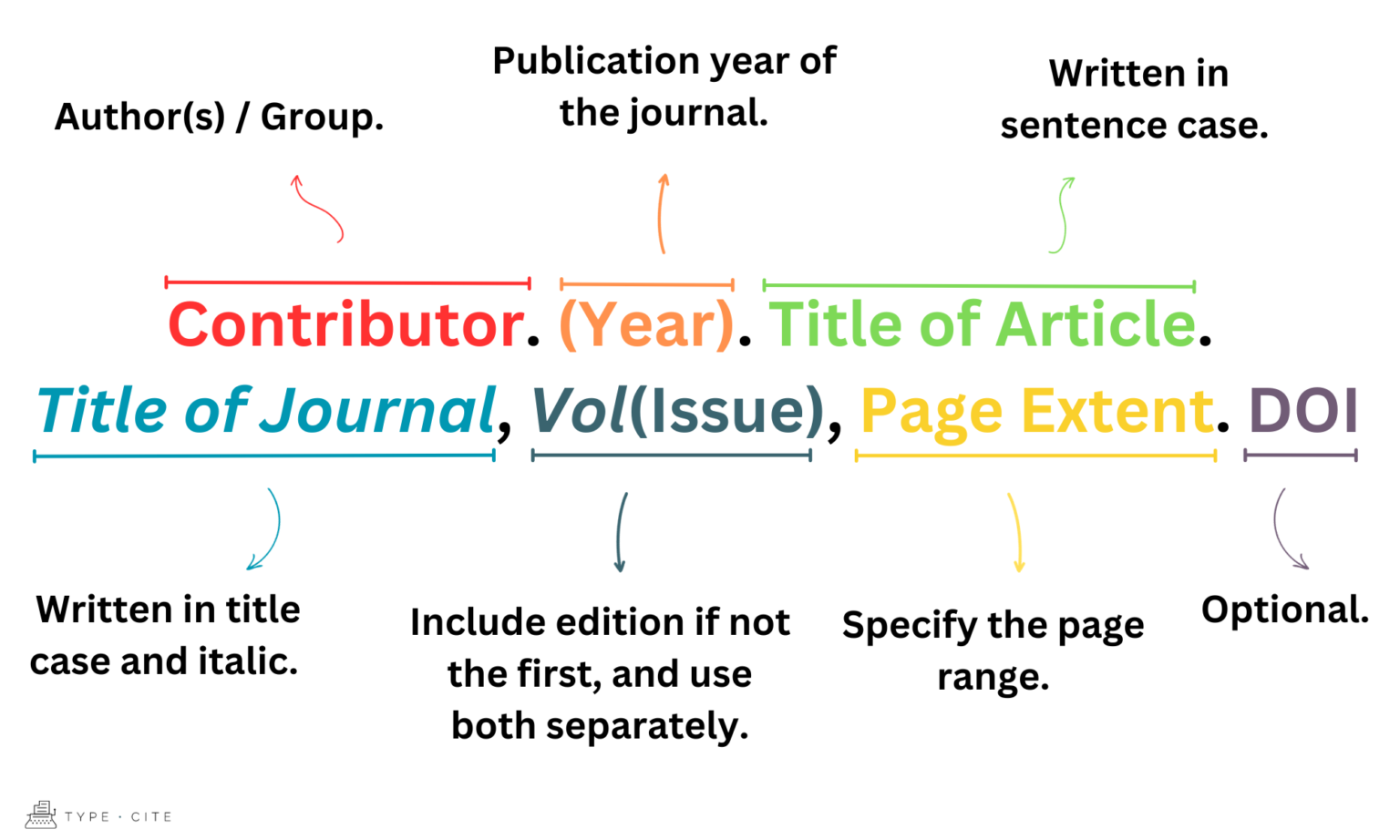
To cite an APA article with no author, move the article title to the author position in the reference list. For in-text citations, use a shortened version of the title in double quotation marks followed by the year. If the work is explicitly signed "Anonymous," use that as the author name.
In academic writing, establishing the credibility of your sources is paramount. However, researchers frequently encounter high-quality articles—particularly from news organizations, government agencies, or specialized encyclopedias—that do not credit a specific individual. As of 2026, the APA 7th edition remains the gold standard for social science formatting, providing clear protocols for these "authorless" scenarios to ensure your work remains professional and your citations remain traceable.
Determining if an Author is Truly Missing
Before applying the "no author" rule, it is essential to perform a thorough investigation of the source. In many digital and professional contexts, an author exists but is not a single human individual.
The Group Author Distinction
Often, a document is produced by an organization, government agency, or task force. In APA style, these are known as group authors or corporate authors. If a webpage or report is published by the World Health Organization (WHO) or the National Institute of Mental Health (NIMH) and no individual name is listed, the organization itself is considered the author.
You should only treat a source as having "no author" if no individual is named and no specific organization can be identified as the creator of the content. For example, many entries in general dictionaries or unsigned articles in major newspapers like The New York Times truly lack a specific authorial entity beyond the publication itself.
The "Anonymous" Label
A common mistake is labeling a source as "Anonymous" simply because a name is missing. According to APA guidelines, you should only use the word "Anonymous" in your citation if the work itself is explicitly signed "Anonymous." If the author is simply unknown or unlisted, you follow the title-displacement rule explained below.
Formatting the Reference List Entry
When an article has no author, the title of the work moves to the very beginning of the reference list entry. This allows the reader to find the source alphabetically in your references based on the first significant word of the title.
The Basic Structure
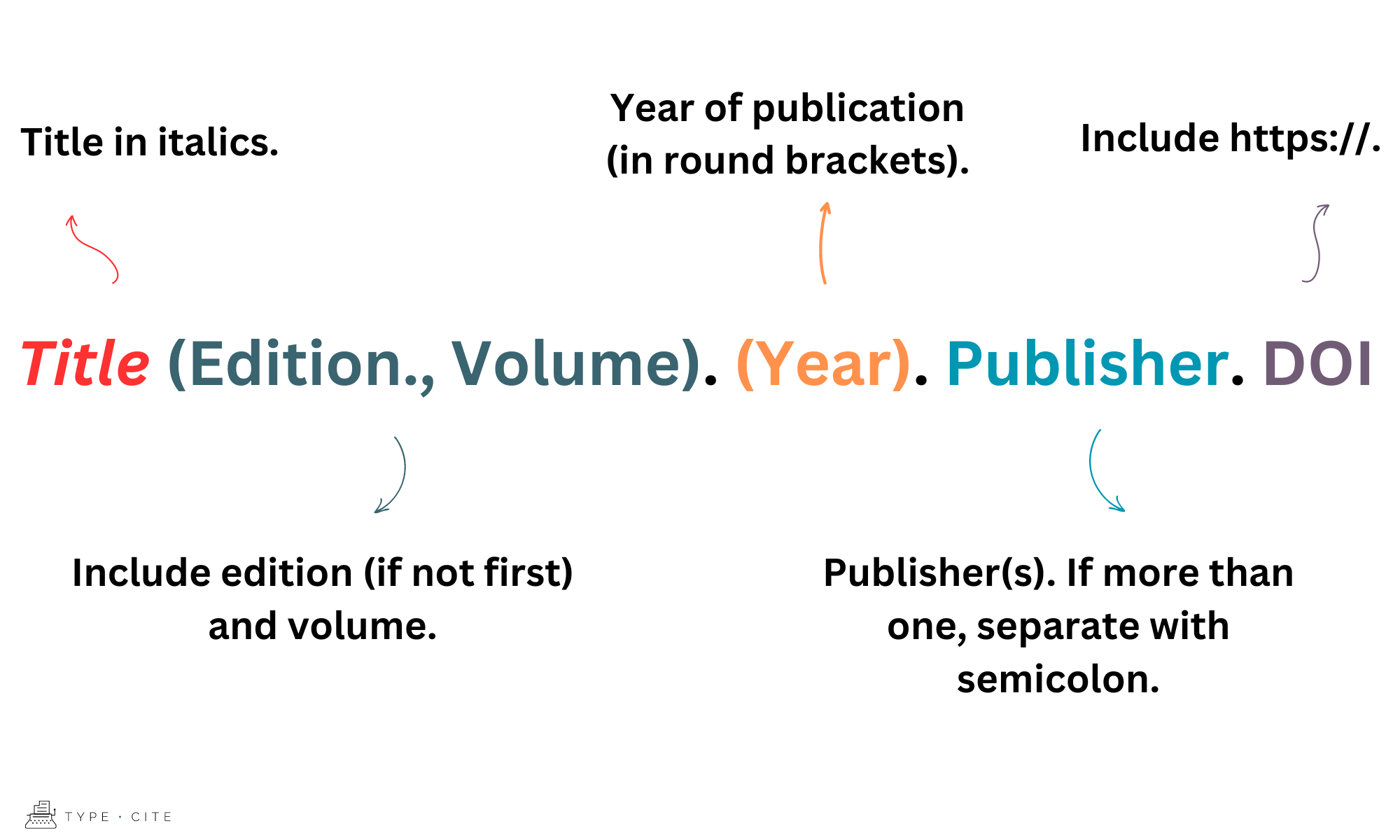
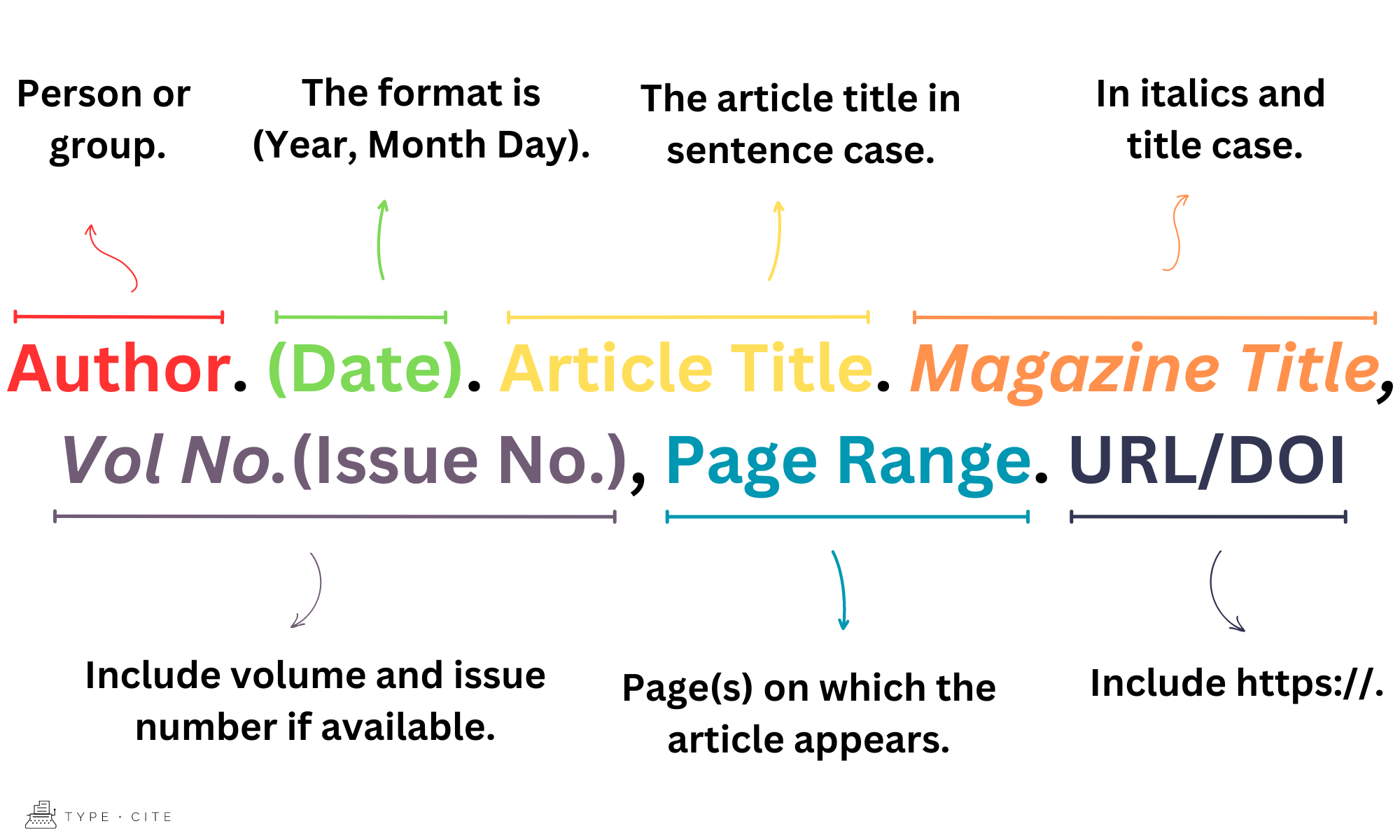
The standard format for an article with no author follows this sequence:
- Title of the article.
- (Year, Month Day).
- Title of the Periodical (Journal, Magazine, or Newspaper),
- Volume(Issue),
- Page numbers.
- DOI or URL.
Example: Newspaper Article with No Author
If you are citing an editorial from a newspaper that does not have a byline, the entry would look like this:
Editorial: The future of urban transit. (2025, November 12). The Metropolis Daily, A14. https://www.metropolisdaily.com/editorials/urban-transit
Example: Online Encyclopedia Entry
For a web-based encyclopedia or a reference work where no individual author is credited for a specific entry:
Quantum entanglement. (2026). In Encyclopedia of Modern Physics. Physics Press. https://www.physicspress.org/quantum-entanglement
Creating In-Text Citations for Authorless Articles
In-text citations point the reader directly to the corresponding entry in the reference list. Since there is no author’s last name to use, you must use the title of the work (or a shortened version of it) and the year.
Using Quotation Marks vs. Italics
The formatting of the title in your in-text citation depends on how it appears in the reference list:
- Quotation Marks: Use double quotation marks around the title if the source is an article, a chapter in a book, or a webpage.
- Italics: Use italics if the source is a book, a report, a brochure, or a standalone work.
Since the focus here is on articles, you will almost always use double quotation marks.
Shortening Long Titles
If the article title is long, do not include the entire title in your parenthetical citation. Instead, provide the first few words to identify the source clearly.
- Full Title: "The Economic Impacts of Renewable Energy Integration in Developing Nations"
- In-Text Citation: ("The Economic Impacts," 2026)
Narrative vs. Parenthetical Citations
You can integrate authorless citations into your sentences in two ways:
- Parenthetical: The rise of autonomous vehicles is expected to shift urban planning priorities ("The Future of Transit," 2025).
- Narrative: According to the article "The Future of Transit" (2025), urban planning is currently undergoing a massive shift.
Alphabetizing Authorless Sources in the Reference List
In an APA reference list, entries are arranged alphabetically. When an entry starts with a title because the author is missing, you alphabetize it based on the first significant word of the title.
Important Rule: Ignore the articles "A," "An," and "The" at the start of a title when alphabetizing.
- An article titled "The Solar Revolution" would be alphabetized under S.
- An article titled "A New Dawn for AI" would be alphabetized under N.
| Source Type | In-Text Citation (Parenthetical) | Reference List Format |
|---|---|---|
| Newspaper Article | ("Title of Article," Year) | Title of article. (Year, Month Day). Newspaper Name. URL |
| Journal Article | ("Shortened Title," Year) | Title of article. (Year). Journal Name, Vol(Issue), Pages. DOI |
| Website/Webpage | ("Title of Page," Year) | Title of page. (Year, Month Day). Site Name. URL |
| Signed "Anonymous" | (Anonymous, Year) | Anonymous. (Year). Title of work. Source details. |
Handling Missing Dates (n.d.)
It is quite common for articles that lack authors—especially those on the web—to also lack a clear publication date. In these instances, APA style uses the abbreviation "n.d." (which stands for "no date").
In the reference list, it appears as:
Title of the article. (n.d.). Source Name. URL
In the in-text citation:
("Title of the article," n.d.)
In 2026, many digital publishers have moved toward "last updated" timestamps. If a "last updated" date is available and applies to the content of the article, you should use that year. However, do not use the "Copyright" date found in the footer of a website, as this often refers to the site as a whole rather than the specific article.
Special Considerations for 2026: AI and Dynamic Content
As we move through 2026, the prevalence of AI-generated or AI-assisted articles has increased. If you are citing an article where an AI is the primary creator, current APA guidance (building on the 2023-2024 updates) suggests treating the AI developer (e.g., OpenAI, Google) as the author (group author) rather than treating the work as having "no author."
However, if you are citing a news article that was "AI-generated" but published under a news masthead without a specific human byline, you should still follow the "Title in Author Position" rule, as the publication is taking responsibility for the content.
Common Mistakes to Avoid
Citing sources without authors can lead to several formatting errors that distract readers and lower the perceived quality of your research.
- Citing the URL in the text: Never use a URL (e.g., "www.news.com says...") in your in-text citation. The reader should see a title or a name, not a web address.
- Using "Staff" as the author: While you might see "Associated Press Staff" or "Journal Staff," APA prefers using the organization name (Associated Press) as a group author or moving the title to the author position. Do not use the word "Staff" as an author name unless that is the literal name used in the byline.
- Incorrect Capitalization: In the Reference List, the title (now in the author position) follows sentence case—capitalize only the first word and proper nouns. In the In-Text Citation, the title follows title case—capitalize all major words.
Verification Checklist
Before submitting your paper, verify the following for every authorless source:
- Is there really no group author (like an agency or organization)?
- Does the in-text citation use quotation marks for the article title?
- Does the reference list entry start with the title, not the publication name?
- Is the entry alphabetized correctly (ignoring "The," "A," or "An")?
Frequently Asked Questions
How do I cite an article with no author and no page numbers?
If an article (like a webpage) has no author and no page numbers, use the title and year for the in-text citation. To point to a specific part of the work for a direct quote, use a paragraph number (e.g., para. 5) or a section heading. In the reference list, simply omit the page numbers.
If two different articles have no author but the same title, how do I distinguish them?
If you have two articles with the exact same title and no author, include the publication year in the reference list. If the years are also the same, add lowercase letters (a, b, c) after the year: ("Climate Change," 2026a) and ("Climate Change," 2026b). This ensures the reader knows which entry in the reference list you are referencing.
Should I capitalize every word of the title in the reference list?
No. In the reference list, APA uses "sentence case" for titles. This means you capitalize only the first word of the title, the first word of the subtitle (after a colon), and any proper nouns. However, in the in-text citation, you should capitalize all major words (Title Case).
Can I use the name of the website as the author?
Only if the website name represents the organization that created the content (a Group Author). For example, if you cite a fact sheet from the Mayo Clinic, "Mayo Clinic" is the author. If you cite an unsigned article from a generic news blog where the "site" is just a platform, move the title to the author position.
How do I cite a legal case or a statute with no author?
Legal materials are a specialized category within APA. They often follow The Bluebook style. Generally, for a court case, the name of the case (e.g., Brown v. Board of Education) serves as the "author" or the identifying start of the citation, similar to how an article title is used.
Practical Recommendation for Researchers
When you encounter an article without an author, your first action should be to look for a Group Author. Organizations, corporations, and government bodies are the authors of the vast majority of "authorless" professional content. Using a group author name (e.g., U.S. Census Bureau) makes your citation more specific and helpful. Only when there is no identifiable entity responsible for the content should you default to using the article title in the author position. This approach ensures your bibliography is both accurate and reflective of the source's authority.