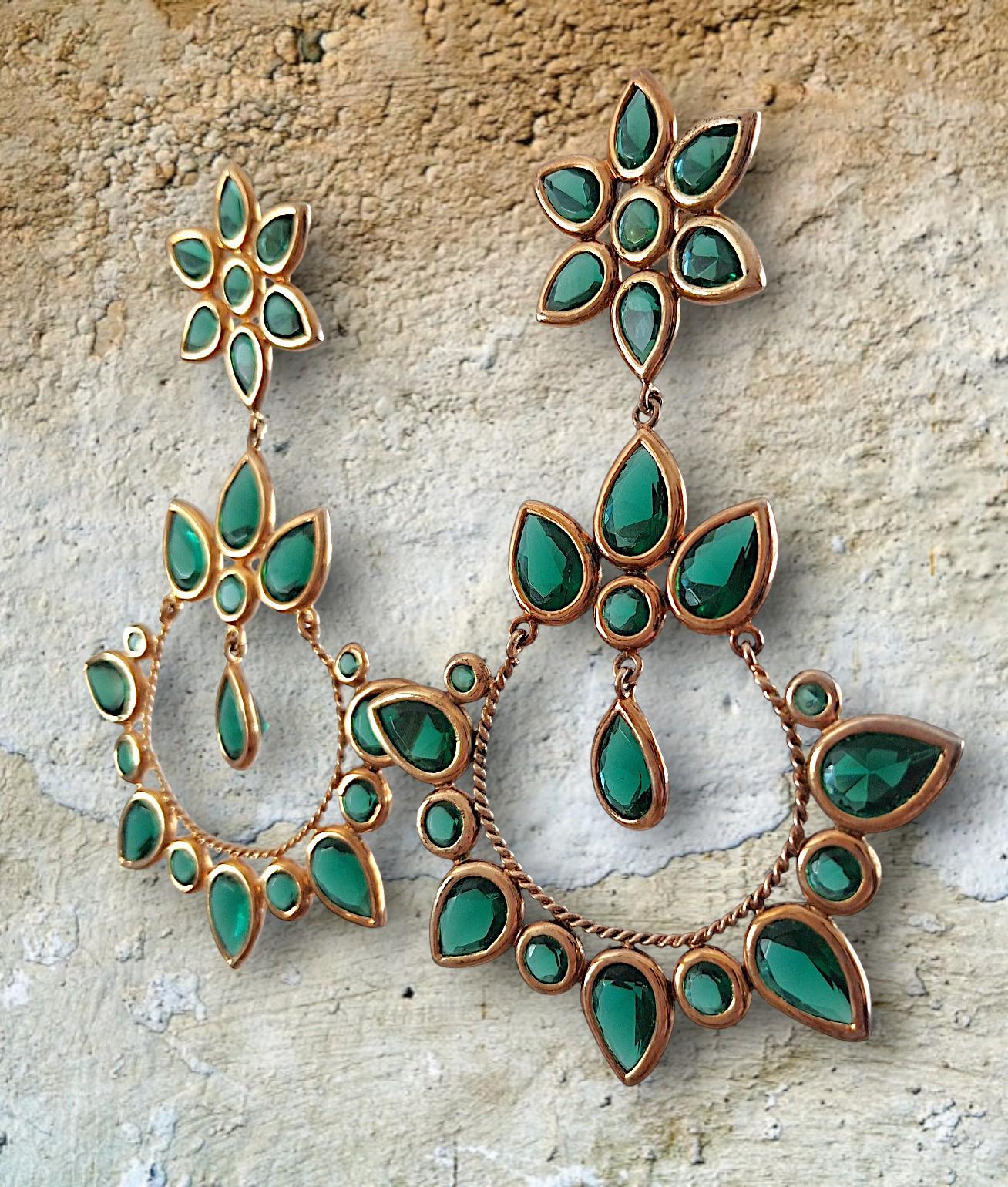
Amrita Singh jewelry bridges traditional South Asian craftsmanship and modern American fashion, offering bold statement pieces defined by vibrant enamel work, polki stones, and intricate metal detailing. Founded by designer Amrita Singh, the brand has established a distinct presence in the costume and fashion jewelry landscape, capturing the attention of red carpet stylists, museum shops, and everyday fashion enthusiasts alike since its inception in the early 2000s.
The Origins and Artistic Vision of Amrita Singh Jewelry
The trajectory of Amrita Singh jewelry is deeply rooted in a rich personal and cultural lineage. Designer Amrita Singh draws heavily from her heritage, bringing centuries-old South Asian royal jewelry-making traditions into a contemporary global marketplace. Before launching her eponymous label, Singh trained in fashion and design, cultivating a profound appreciation for the artisanal techniques historically practiced by royal court jewelers in Mughal India.
When the brand launched in New York City, it immediately filled a distinct gap in the American accessory market. At a time when minimalist trends often dominated high-fashion accessories, Amrita Singh introduced unapologetically ornate, heavy, and colorful pieces. Her design philosophy centers on the belief that jewelry should be a form of wearable art capable of transforming a simple outfit into a statement of individuality. By fusing ancient craftsmanship—such as Meenakari (enameling) and Kundan setting—with modern silhouettes, the brand carved out a unique niche that appeals to both traditionalists and trend-conscious consumers.
Over the years, the brand expanded from its initial high-end couture offerings to include accessible diffusion lines, collaborations with major retailers, and exclusive collections for cultural institutions like the Metropolitan Museum of Art. This strategic expansion allowed the label to maintain its luxurious aesthetic while reaching a broader audience of art and fashion lovers.
Distinctive Design Elements and Craftsmanship
What sets Amrita Singh jewelry apart in a crowded marketplace is its unwavering commitment to traditional techniques executed by skilled artisans. Understanding these foundational elements helps collectors and buyers appreciate the true nature and value of each piece.
Traditional Techniques in Modern Contexts
Many pieces feature techniques that require meticulous handwork, passed down through generations of metalsmiths and gem-setters:
- Meenakari Enameling: The art of coloring and ornamenting the surface of metals by fusing brilliant colors of crushed glass. Amrita Singh frequently utilizes vivid turquoise, deep crimson, emerald green, and royal blue enamels as a backdrop for metal filigree.
- Polki and Kundan Settings: Utilizing uncut, flat diamonds or glass facsimiles set in pure gold foil and surrounded by a refined framework of lac and metal, these settings mimic the majestic jewelry worn by Mughal emperors.
- Filigree and Metalwork: Intricate twisting and soldering of fine metal threads (typically brass or base metals plated in gold or antique finishes) to create lace-like patterns across cuffs, earrings, and heavy necklaces.
Materials and Durability
Because the brand primarily operates in the fashion and costume jewelry category, the materials used are chosen for their visual impact, malleability, and weight management. Solid precious metals are rarely used; instead, the foundation is typically a durable base metal such as brass or white metal alloy, heavily plated in high-karat gold, antique brass, or silver tones.
Stones are predominantly high-grade resin, glass crystals, simulated pearls, and semi-precious stones like carnelian, lapis lazuli, and onyx. This choice of materials allows the brand to craft voluminous, heavy-looking statement pieces—such as oversized cuffs and multi-strand bib necklaces—that remain wearable without causing physical strain.
Signature Collections and Iconic Product Lines
Over two decades of production, several product categories and specific collections have become synonymous with the Amrita Singh name. Recognizing these lines is essential for vintage collectors and current shoppers.
Statement Cuffs and Bangles
Amrita Singh is perhaps most famous for her voluminous bangles and hinged cuffs. These pieces often feature complex geometric enamel patterns, rows of simulated crystals, or elaborate cut-out metalwork. The stacking bangles, often sold in coordinated sets of ten or more, allow wearers to create a rich, cascading jingle and a visually dense color palette on the wrist.
Statement Earrings and Chandbalis
From sweeping chandelier earrings to traditional chandbalis (moon-shaped earrings), the brand's ear jewelry is designed to frame the face dramatically. These pieces frequently incorporate pearl drops, dangling beads, and multi-tiered metalwork that catches the light with every movement.
Bridal and Occasion Necklaces
For weddings, galas, and festive events, Amrita Singh offers elaborate choker sets complete with matching maang tikka (forehead ornaments) and earrings. These sets emulate authentic Indian bridal jewelry, offering a fraction of the cost while retaining the heavy, royal aesthetic required for celebratory attire.
| Product Category | Primary Materials | Distinctive Aesthetic Features | Best Suited For |
|---|---|---|---|
| Bangles & Cuffs | Brass alloy, gold plating, enamel, resin stones | Bold widths, stacked designs, vibrant color blocking | Everyday statement styling, layering |
| Chandbali Earrings | Metal alloys, glass crystals, faux pearls | Crescent moon shapes, heavy drapes, intricate filigree | Evening wear, cultural events, weddings |
| Bib Necklaces | Multi-strand beads, resin stones, ornate centerpieces | Maximalist scale, layered construction, vibrant palettes | Gala attire, simple necklines needing focal points |
| Rings | Adjustable metal bands, large central cabochons | Cocktail sizing, intricate etching, striking stone profiles | Cocktail parties, statement hand styling |
Care, Maintenance, and Preservation
Because fashion and costume jewelry utilizes plated metals, adhesives, and simulated stones, proper maintenance is vital to preserve the finish and structural integrity of Amrita Singh pieces. Unlike solid gold or platinum fine jewelry, costume pieces require specific precautions to prevent tarnishing, plating wear, and stone displacement.
Daily Wear Precautions
- The Last On, First Off Rule: Always put on your Amrita Singh jewelry after applying lotions, perfumes, hairsprays, and makeup. Chemical residues from beauty products can react with gold plating, causing premature dullness or discoloration.
- Moisture Management: Remove all jewelry before swimming, showering, washing hands, or engaging in strenuous physical activity. Sweat and water accelerate the oxidation of base metals and weaken the adhesives used to secure crystals and pearls.
- Storage Practices: Store each piece individually in a soft cloth pouch or a lined jewelry box. Because many pieces feature delicate enamel work or protruding crystals, storing them loosely together in a drawer can cause scratching and chipping.
Cleaning Protocols
Avoid liquid jewelry dips, ultrasonic cleaners, and abrasive polishing cloths, as these will strip away the gold plating or damage delicate enamel layers. Instead, use a soft, dry microfiber cloth to gently wipe away skin oils and dust after each wear. If a piece requires deeper cleaning, a slightly damp cloth with a drop of mild dish soap can be used on metal components, followed immediately by thorough drying with a soft towel.
Authentication and Collecting Vintage Amrita Singh Pieces
As the brand has evolved, vintage and archival pieces from the mid-2000s have gained a following among fashion collectors who favor the heavier, more intricate designs of the label's early era. Identifying authentic pieces involves examining specific hallmarks and construction markers.
Identifying Marks and Signatures
Most authentic pieces feature an engraved signature plaque, a stamped hallmark bearing the "Amrita Singh" name, or a hanging metal tag near the clasp or interior band. The font used on these stamps is typically clean and consistent with the brand's official branding style. Be cautious of pieces lacking any maker's mark, as numerous mass-market fast-fashion brands imitated her signature silhouette during the peak of the statement-jewelry trend in the late 2000s.
Assessing Construction Quality
Authentic Amrita Singh jewelry is characterized by a surprising heft. Even though base metals are used, the gauge of the metal is thick enough to prevent easy bending. Enamel work on genuine pieces is smooth, evenly filled, and cured without bubbling or rough edges. Stones in authentic pieces are securely prong-set or neatly flush-set rather than visibly flooded with excess glue.
Frequently Asked Questions
Is Amrita Singh jewelry made of real gold or silver?
No. The brand produces fashion and costume jewelry. The pieces are crafted from durable base metal alloys (such as brass) and are typically plated with high-karat gold, antique brass, or silver finishes. They incorporate resin, glass crystals, and simulated stones rather than fine gemstones and solid precious metals.
Can Amrita Singh jewelry cause skin irritation or turning green?
Like most fashion jewelry featuring base metals, prolonged contact with sweat and skin acids can cause minor oxidation, which may leave a harmless greenish tint on the skin for some wearers. To minimize this, look for pieces labeled as nickel-free, avoid wearing them in hot or humid conditions for extended periods, and apply a thin layer of clear barrier polish to the interior of rings or cuffs if sensitive.
Where is Amrita Singh jewelry designed and manufactured?
The brand is headquartered in New York City, where designer Amrita Singh conceptualizes all collections. The manufacturing takes place primarily in specialized workshops in India, where artisans utilize traditional heritage techniques like Meenakari and Kundan setting to bring the modern designs to life.
How should I clean my enameled Amrita Singh bangles?
Never submerge enameled or plated jewelry in water or harsh chemical cleaners. Wipe them gently with a soft, dry microfiber cloth after every use. For stubborn smudges, use a barely damp cloth with mild soap, wipe clean, and dry the piece immediately.
Are older Amrita Singh pieces considered collectible?
Yes, collectors of early-2000s fashion history often seek out archival pieces from her initial runway collections, particularly the heavy multi-strand Kundan necklaces and limited-edition museum collaboration lines, due to their unique craftsmanship and distinct maximalist aesthetic.
Conclusion and Buying Recommendations
Amrita Singh jewelry remains a defining force for anyone seeking to incorporate bold, culturally rich statement accessories into their wardrobe. By honoring traditional South Asian craftsmanship while maintaining a distinctly modern, accessible design perspective, the brand offers an alternative to mass-produced minimalism. When shopping for these pieces, prioritize your personal style aesthetic—whether opting for a stack of vibrant enamel cuffs for daily wear or an elaborate chandbali earring set for a special occasion—and commit to proper storage and cleaning habits to ensure your collection maintains its luster for years to come.