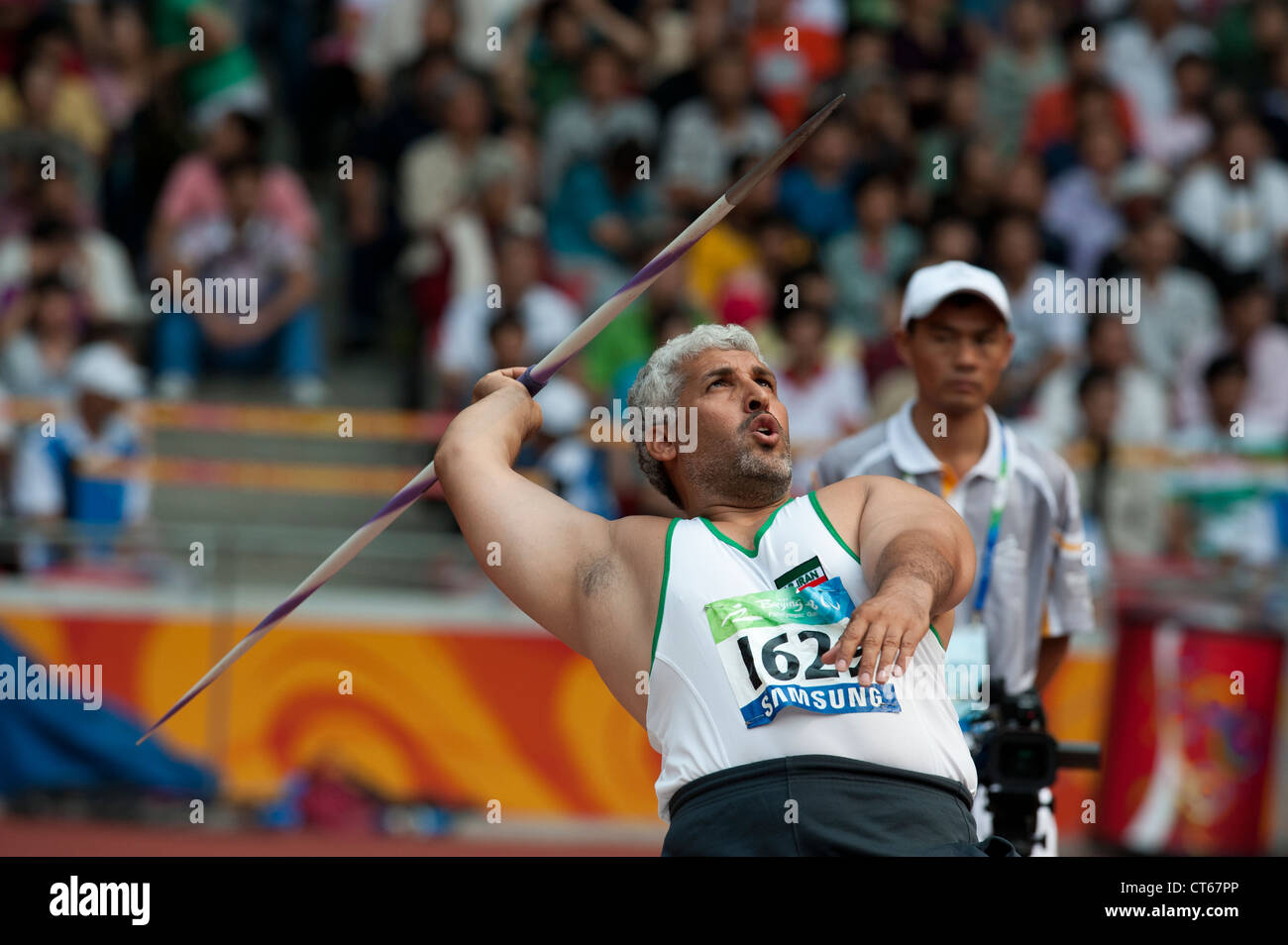
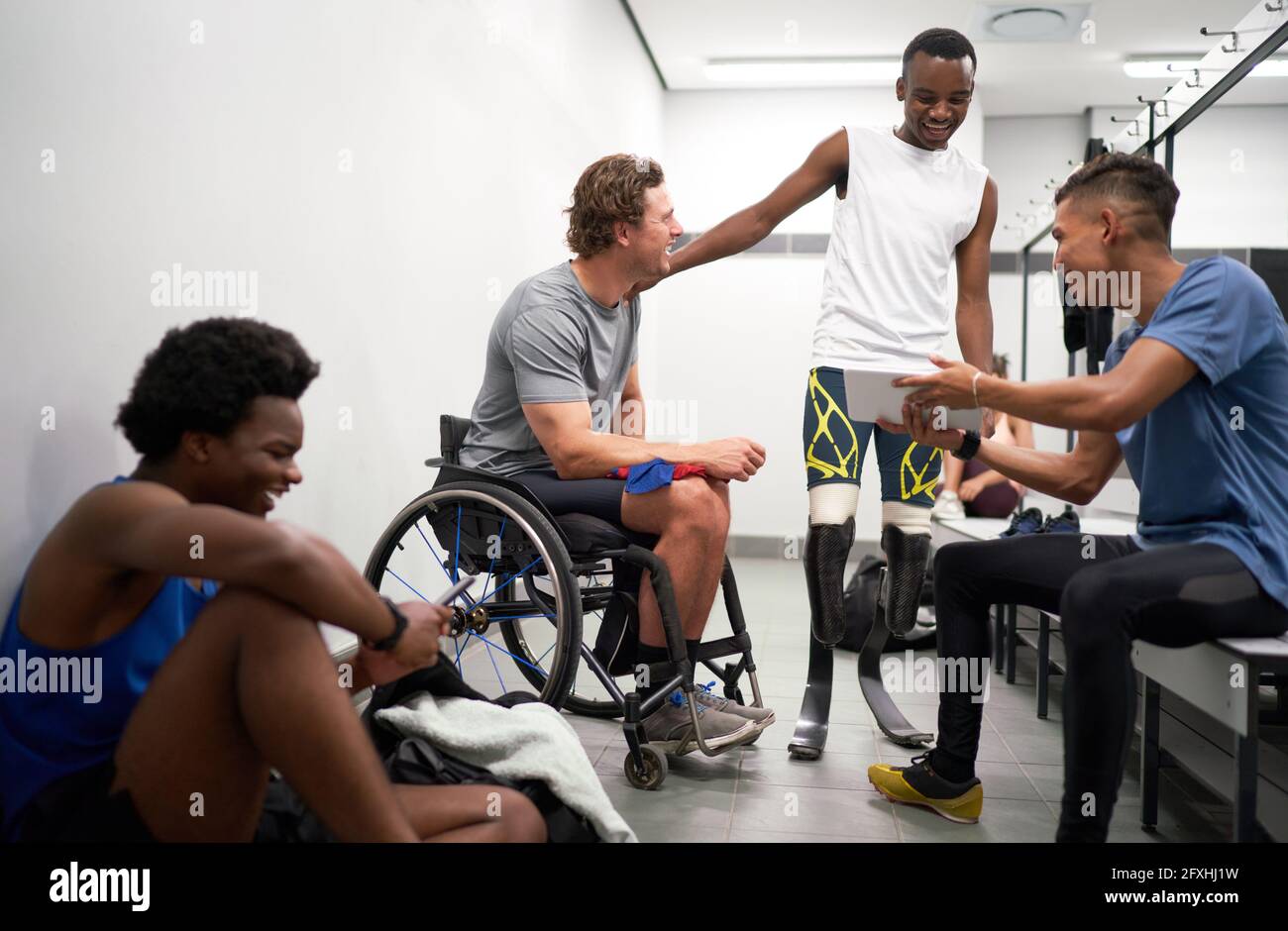
An amputee athlete is an individual with a limb difference—whether congenital or acquired through trauma, illness, or surgery—who actively participates in competitive, recreational, or elite sports. Success in adaptive athletics relies on specialized prosthetic technology, biomechanical adaptation, classification systems, and tailored training methodologies designed to optimize physical performance across diverse disciplines.
Understanding the Landscape of Adaptive Sports
The world of adaptive sports has evolved dramatically over the past several decades. What once started primarily as rehabilitation therapy has transformed into a globally recognized arena of high-performance athletics. An amputee athlete today can compete in virtually any discipline, from traditional running and swimming to specialized winter sports, cycling, and strength training.
Entering this space requires understanding that participation is shaped by a unique intersection of medical rehabilitation, mechanical engineering, and sports science. Unlike able-bodied athletics, where performance is almost exclusively a function of training and raw physiology, the performance of an amputee athlete is fundamentally mediated by the interface between the human body and assistive technology.
Historical Context and Institutional Evolution
The growth of sports for individuals with limb differences is closely tied to military medicine and post-war rehabilitation programs. Following World War II, organized sports were introduced as a vital tool for physical and psychological recovery. Over time, these recreational initiatives formalized into national and international governing bodies.
Today, major milestones such as the Paralympic Games, the Invictus Games, and specialized international federations provide structured pathways for competition. Organizations like the International Paralympic Committee (IPC) establish rigorous governance frameworks, ensuring fair play through scientific classification systems that group athletes based on functional ability rather than the specific etiology of their impairment.
Specialized Prosthetic Equipment and Technology
The cornerstone of modern adaptive athletics is advanced prosthetic engineering. Standard daily-wear prostheses are rarely suitable for high-impact or high-speed athletic endeavors; they are generally too heavy, lack sufficient energy return, and cannot withstand the repetitive mechanical stresses of competitive training.
Running Blades and Lower-Limb Innovations
For lower-limb amputees, the development of carbon-fiber running blades revolutionized sprinting and distance running. These curved, highly resilient prostheses mimic the spring-like function of the human foot and ankle complex, storing kinetic energy during the stance phase and releasing it during propulsion.
- Material Composition: Multi-layered carbon fiber provides an optimal strength-to-weight ratio and exceptional fatigue resistance.
- Stiffness Categories: Manufacturers grade blades by stiffness and weight categories, requiring athletes to be carefully fitted based on their body mass and sport-specific biomechanics.
- Socket Technology: Advanced suspension systems and pin-lock or vacuum-assisted sockets minimize relative motion between the residual limb and the prosthesis, preventing soft-tissue breakdown and energy loss.
Upper-Limb Solutions and Functional Adaptations
Upper-limb amputee athletes face different mechanical challenges, primarily centered around grip, balance, and kinetic symmetry. Depending on the sport, options range from passive cosmetic devices to specialized mechanical split-hook terminals, myoelectric prostheses, and sport-specific adapters.
- Cycling Adapters: Specialized handlebars and quick-release mechanical mounts allow trans-radial or trans-humeral athletes to secure their arm safely to the bike.
- Racket Sports: Custom terminal devices feature molded grips designed to securely hold tennis, badminton, or table tennis rackets without relying on intrinsic hand function.
- Swimming and Water Sports: While most swimmers compete without prostheses to reduce drag and maintain bodily equilibrium, hydro-dynamic streamlining and specialized balance considerations govern unilateral and bilateral water training.
Biomechanical Adaptations and Training Principles
Training as an amputee athlete requires a departure from conventional coaching paradigms. The loss of a limb alters the body's center of mass, moment of inertia, and kinetic chain, necessitating targeted adjustments in strength and conditioning.
Asymmetry and Kinetic Chain Management
Even with state-of-the-art prostheses, unilateral amputees often develop compensatory movement patterns. Over time, overuse injuries in the sound limb—such as stress fractures, tendinopathy, and lower back pain—become significant occupational hazards.
- Core Stability: Strengthening the transverse abdominis, obliques, and erector spinae helps maintain pelvic alignment during high-speed locomotion.
- Unilateral Strength Work: Incorporating single-leg or single-arm resistance exercises corrects muscular imbalances between the sound and residual limbs.
- Gait Retraining: Working with clinical physical therapists and biomechanists ensures that running or walking mechanics remain as symmetrical as joint structures allow.
Cardiovascular Conditioning and Metabolic Cost
The metabolic cost of locomotion for lower-limb amputees is generally higher than that of able-bodied peers, particularly for transfemoral (above-knee) athletes who must expend muscular energy to control mechanical knee units. Consequently, cardiovascular conditioning programs must account for altered oxygen consumption rates and elevated perceived exertion thresholds during endurance training.
Classification and Fair Competition
To ensure equitable competition, sports organizations enforce functional classification systems. These systems evaluate how an athlete’s impairment affects their ability to execute the core skills of a specific sport.
| Sport Discipline | Classification Criteria Focus | Common Prosthetic/Adaptive Requirements |
|---|---|---|
| Track and Field (Sprinting) | Residual limb length, upper vs. lower limb, unilateral vs. bilateral involvement. | Certified carbon-fiber running blades adhering to strict height and length regulations. |
| Swimming (S-Classes) | Total functional muscle power, range of movement, and coordination. | Removal of all floating prostheses; reliance entirely on residual body movement. |
| Cycling (C-Classes) | Integration of lower/upper limb impairments affecting pedaling mechanics and steering. | Modified bicycles, custom crank arms, or specialized handlebar attachments. |
| Sitting Volleyball | Minimum impairment criteria affecting core stability or lower limb function. | Athletes must maintain seated contact with the floor during play; no prostheses worn. |
Psychological Resilience and Community Integration
The journey of an amputee athlete extends far beyond physical conditioning. Psychological adaptation plays an equally critical role in long-term athletic success and overall well-being.
Overcoming Barriers to Entry
Many individuals with limb differences encounter logistical, financial, and social barriers when attempting to enter competitive sports. High equipment costs—especially for specialized carbon-fiber blades and custom sockets—can be prohibitive without philanthropic grants, institutional sponsorships, or national sports federation funding.
The Role of Mentorship and Peer Support
Peer networks provide invaluable practical guidance on skin care, stump management, and navigating everyday athletic environments. Seeing established role models compete at elite levels helps reframe disability not as a limitation, but as a different physical modality requiring specialized tools.
Frequently Asked Questions
What type of prosthesis does an amputee athlete use for running?
Amputee athletes typically use specialized carbon-fiber running blades rather than everyday walking legs. These dynamic response prostheses are engineered to store and release energy with every stride, mimicking the natural spring action of human tendons and feet.
How do classification systems work for amputee athletes?
Classification systems evaluate an athlete's functional capacity rather than their medical diagnosis. Trained classifiers assess joint mobility, muscle strength, and limb deficiency to place athletes into appropriate competitive brackets, ensuring fair and equitable competition across events.
Are running blades covered by insurance or healthcare providers?
Coverage varies significantly depending on geographic jurisdiction, insurance policies, and whether the device is categorized as medically necessary or sport-specific. Standard health insurance policies frequently cover daily-use prostheses but often classify athletic blades as lifestyle or recreational equipment, requiring athletes to seek funding through charities, grants, or out-of-pocket payments.
Can upper-limb amputees participate in contact sports?
Yes, many upper-limb amputees compete in contact sports such as rugby, basketball, and wrestling. Depending on the sport's rules and safety regulations, athletes may compete without prostheses, use specialized protective padding, or utilize soft, flexible terminal devices to prevent injury to opponents.
What are the most common injuries in amputee athletics?
The most frequent injuries stem from biomechanical asymmetry and overuse. Sound-limb overload, lower back strain, and dermatological complications at the socket interface—such as chafing, blisters, and cysts—are primary clinical concerns managed through careful fitting and physical therapy.
Next Actions and Getting Started
For individuals with limb differences looking to begin their athletic journey, the first step is connecting with local adaptive sports clubs, national Paralympic committees, or certified prosthetists who specialize in sports medicine. Schedule a comprehensive biomechanical evaluation to discuss specific athletic goals, identify suitable disciplines, and explore available funding options for adaptive equipment. Transitioning into sports requires patience, multidisciplinary support, and a willingness to embrace new technological interfaces.