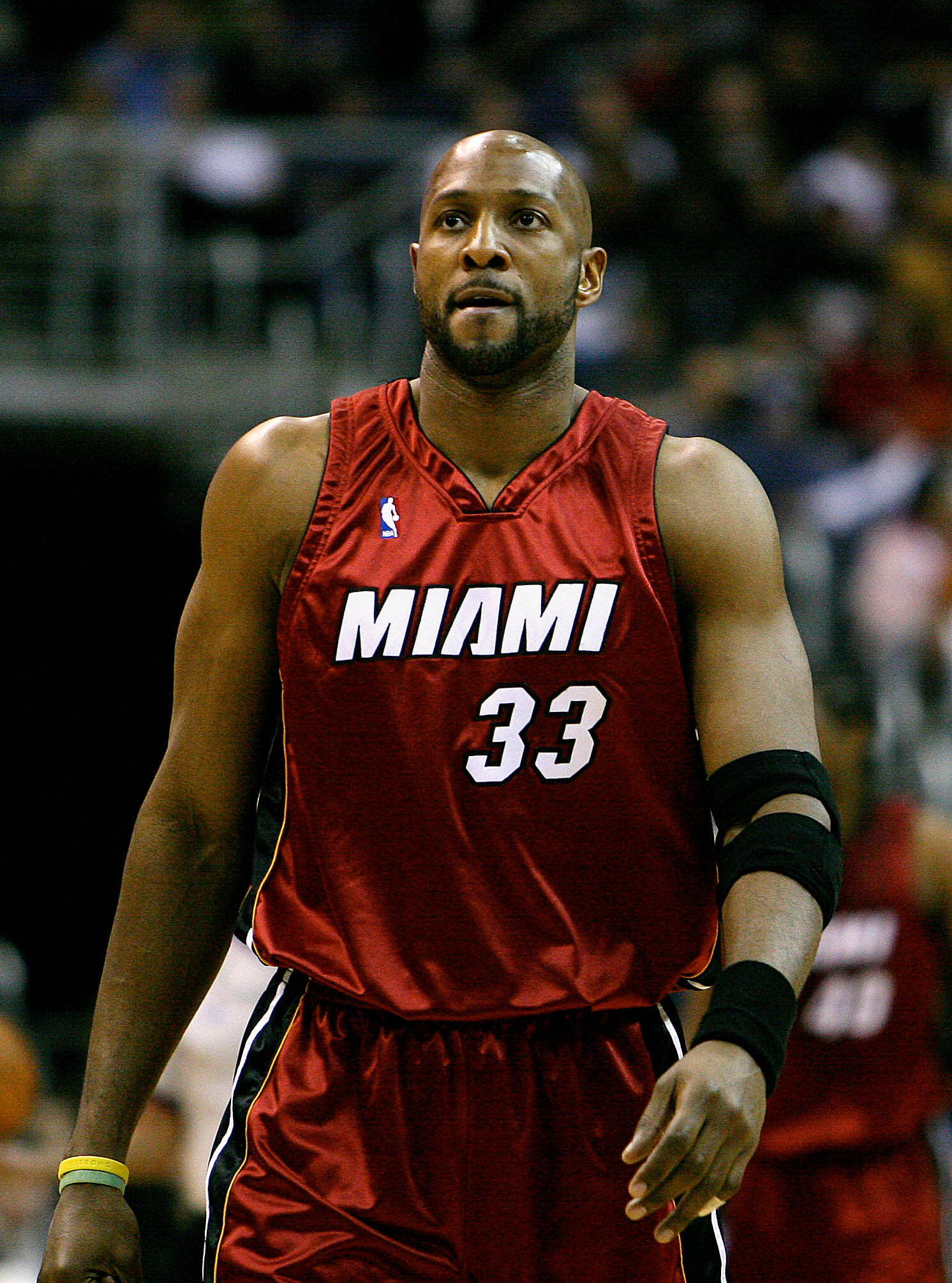
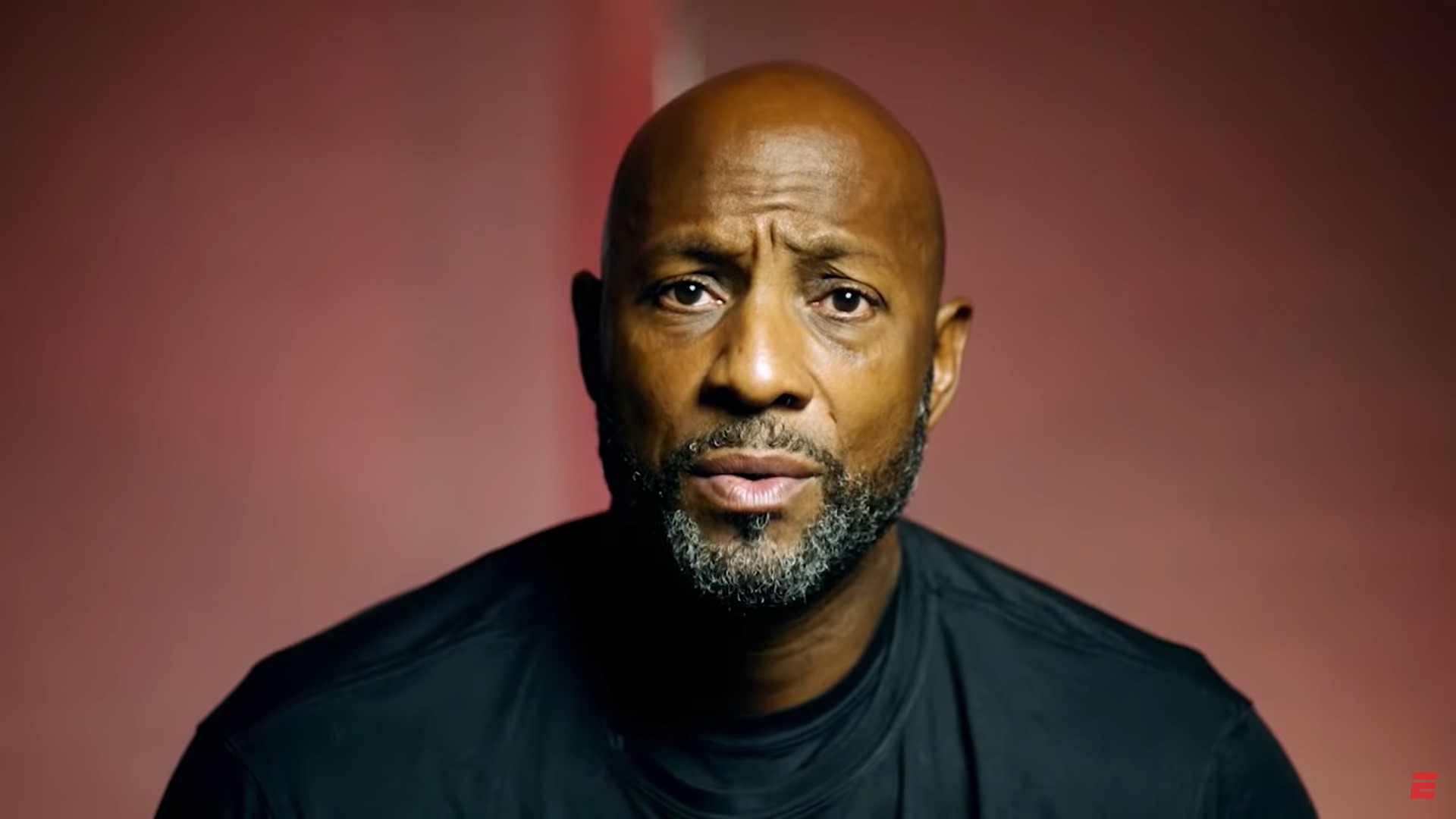
As of 2026, Alonzo Mourning’s net worth is estimated to be approximately $90 million. This valuation is the result of a multifaceted financial journey that includes over $143 million in career NBA salaries, high-profile endorsements with brands like Nike, and a sustained executive career within the Miami Heat front office.
Evaluating the wealth of a professional athlete requires looking beyond the raw numbers and into the "context" of their era, their health challenges, and their post-retirement sustainability. Alonzo Mourning, a Hall of Fame center known for his defensive prowess and resilience, provides a unique case study in how a modern NBA legend maintains and grows wealth over decades. To understand his $90 million net worth in 2026, one must analyze the trajectory of NBA compensation during the 1990s, the financial impact of his life-altering kidney transplant, and his strategic shift into corporate leadership and real estate.
The Foundation of Wealth: NBA Career Salaries and Contracts
The primary engine of Alonzo Mourning’s wealth was his 15-season career in the National Basketball Association. Entering the league in 1992 as the second overall pick for the Charlotte Hornets, Mourning arrived just as NBA salaries were beginning to skyrocket. Unlike the players of the 1970s and 80s, Mourning was among the first generation of big men to sign contracts exceeding the $100 million threshold.
The Charlotte Hornets Era (1992–1995)
Mourning’s rookie contract was a sign of the times. As a dominant force out of Georgetown University, he commanded a multi-year deal worth approximately $18 million. While this seems modest by 2026 standards, in the early 90s, it established him as one of the highest-paid young players in the league. His refusal to accept a contract extension from the Hornets—believing he was worth more—eventually led to his career-defining trade to the Miami Heat.
The Miami Heat "Megadeal" (1996–2003)
The cornerstone of Mourning’s financial portfolio was the seven-year, $105 million contract he signed with the Miami Heat in 1996. This was a monumental deal that solidified his status as a "franchise player." During this period, he became a seven-time All-Star and a two-time Defensive Player of the Year.
From a wealth management perspective, this contract was vital. Because Florida has no state income tax, Mourning was able to retain a significantly higher percentage of his take-home pay compared to athletes playing in high-tax jurisdictions like New York or California. This geographic financial advantage allowed for more aggressive reinvestment into diversified assets during his peak earning years.
Injury, Illness, and the New Jersey Nets Contract
In 2003, Mourning faced a significant financial and personal hurdle when he was diagnosed with focal segmental glomerulosclerosis, a life-threatening kidney disease. Despite this, he signed a four-year, $22.6 million contract with the New Jersey Nets. His subsequent retirement and kidney transplant led to a complex buyout and return to the court. While his health issues limited his playing time in the mid-2000s, his earlier contracts had already secured the bulk of his net worth.
| Career Phase | Primary Team | Estimated Gross Earnings | Key Contextual Factor |
|---|---|---|---|
| Rookie Years | Charlotte Hornets | $11.5 Million | Initial 1992 draft contract. |
| Prime Years | Miami Heat | $105.4 Million | Record-breaking 7-year deal; tax-friendly Florida residence. |
| Late Career | Nets / Heat | $26.8 Million | Included injury-related buyouts and veteran minimums. |
| Total Career | NBA Salary | ~$143.7 Million | Gross earnings before taxes, fees, and investments. |
Endorsements and Brand Partnerships
While his salary provided the base, Mourning’s brand appeal added tens of millions to his total net worth. During the 1990s and early 2000s, Mourning was a premier "big man" in a league dominated by centers.
The Nike Relationship
Mourning was a signature athlete for Nike, a partnership that spanned the majority of his playing days. His "Air Alonzo" line and participation in high-budget commercials positioned him as a global face of the sport. Unlike many retired players whose endorsement checks dwindle, Mourning’s continued visibility in the Miami market and his Hall of Fame status have allowed him to maintain long-term relationships with athletic and lifestyle brands.
Localized Brand Equity
In the Miami metropolitan area, Mourning is more than an athlete; he is a civic icon. This has led to lucrative partnerships with South Florida real estate developers, healthcare providers, and luxury automotive groups. In 2026, his endorsement portfolio is less about "sneaker deals" and more about high-level corporate ambassadorships that leverage his reputation for integrity and resilience.
Executive Career and the Miami Heat Organization
A critical factor in the "context" of Mourning's net worth is his transition from player to executive. Since 2009, Mourning has served as the Vice President of Player Programs and Development for the Miami Heat.
Stability and Longevity
Many athletes see their net worth decline after retirement due to a lack of steady income. Mourning avoided this trap by moving directly into the front office. While his executive salary is not public, top-tier NBA executives in 2026 can earn between $1 million and $5 million annually, depending on their role and seniority. Over 17 years, this consistent income stream has protected his principal investments from being liquidated to cover living expenses.
Networking and Influence
Working alongside Micky Arison (owner of the Heat and Carnival Corp) and Pat Riley has provided Mourning with access to elite-level investment circles. This proximity to high-net-worth individuals often translates into "friends and family" investment opportunities in private equity and venture capital, which can yield returns far higher than standard market indices.
Real Estate and Portfolio Diversification
Mourning has historically been savvy with real estate, particularly in the Miami market, which has seen unprecedented growth between 2020 and 2026.
Luxury Property Holdings
Mourning has owned several high-value properties in Coral Gables and Coconut Grove. In the mid-2000s, he sold a Coconut Grove mansion for nearly $13 million. By rotating his capital through Florida’s luxury real estate market, he has benefited from significant property appreciation. In 2026, real estate remains a cornerstone of his $90 million valuation, acting as a hedge against inflation and market volatility.
Impact of the Kidney Transplant on Financial Planning
The health crisis Mourning faced in his early 30s likely influenced his conservative approach to wealth. Facing a life-threatening illness often shifts an individual’s financial strategy toward long-term security and legacy building rather than high-risk speculation. This disciplined approach is a primary reason why he has remained financially robust while many of his contemporaries faced financial hardship.
Philanthropy as a Cultural Asset
While philanthropy is technically a debit from a net worth perspective, for Alonzo Mourning, it serves as a significant component of his "contextual" value. The Mourning Family Foundation and the Overtown Youth Center are institutions that have raised over $50 million for community development.
Brand Integrity
Mourning’s deep involvement in charity has created a level of "brand safety" that makes him an ideal partner for corporate boards. His work in kidney disease awareness and youth education has elevated his status from "former player" to "community leader." This status facilitates his participation in business ventures that might not be available to athletes with more controversial reputations.
Comparing Net Worth: Mourning vs. The Modern NBA
To put his $90 million net worth in context, one must compare it to the "inflated" economy of 2026. Today, superstar NBA players sign contracts worth $60 million per year.
- Purchasing Power: Mourning’s $105 million contract in 1996 had significantly more purchasing power than a $100 million contract in 2026.
- The "Big Man" Market: Mourning played in an era where centers were the highest-paid players. Today, guards and wing players often command the largest shares of the salary cap.
- Sustainability: While active stars like Nikola Jokić or Giannis Antetokounmpo will likely exceed Mourning's career earnings by several hundred million dollars, Mourning represents the "gold standard" for the previous generation's wealth retention.
Addressing Financial Risks and Challenges
No analysis of net worth is complete without acknowledging potential outflows. Like many high-profile athletes, Mourning has navigated the costs of a high-end lifestyle, management fees, and a divorce settlement (with ex-wife Tracy Mourning in the late 2010s).
Divorce in particular can often halve the net worth of public figures. However, due to the timing of the settlement and his continued high-level earnings as an executive, Mourning has maintained a top-tier financial position. His ability to stay at the $90 million mark in 2026 suggests a well-managed portfolio that successfully recouped any losses from legal settlements or market downturns.
FAQ: Alonzo Mourning’s Financial Status
How much did Alonzo Mourning make in total NBA salary?
Alonzo Mourning earned approximately $143.7 million in gross salary during his NBA career. His largest single contract was a seven-year deal with the Miami Heat worth $105.4 million, signed in 1996.
Does Alonzo Mourning still receive an income from the Miami Heat?
Yes. As of 2026, Mourning is the Vice President of Player Programs and Development for the Miami Heat. This is a full-time executive role that provides a steady annual salary, separate from his previous earnings as a player.
How did his kidney transplant affect his net worth?
While the transplant and associated illness (FSGS) interrupted his playing career and earning potential in his early 30s, it did not lead to financial ruin. He had already earned nearly $100 million by the time of his diagnosis, and his return to the court allowed him to collect on subsequent contracts with the Nets and Heat.
What is the most significant part of his investment portfolio?
Beyond his executive salary, Mourning’s wealth is largely tied to South Florida real estate and private equity investments. His long-standing residency in Florida has also provided a significant tax advantage over his 30-year professional history.
Is Alonzo Mourning’s net worth comparable to Shaquille O'Neal or Kevin Garnett?
No. While Mourning is very wealthy, his net worth of $90 million is lower than contemporaries like Shaquille O'Neal or Kevin Garnett, who earned more in salary and built much larger commercial empires (O'Neal's portfolio is estimated at over $400 million). Mourning’s wealth is more typical of a superstar who transitioned into a stable executive and community leader role.
Final Analysis and Next Actions
Alonzo Mourning’s $90 million net worth in 2026 is a testament to the power of geographic tax planning, career longevity, and professional transition. By maximizing his earnings in a tax-free state and securing a long-term executive role, he has avoided the "broke athlete" narrative that plagues many of his peers.
For those looking to understand the financial blueprint of a successful retired athlete, Mourning’s path offers several lessons:
- Prioritize Stability: A lower-paying, long-term executive role can be more valuable than a high-risk business venture.
- Leverage Local Brand Equity: Being a "hero" in a specific market (Miami) creates lifelong financial opportunities.
- Diversify Early: Using peak earnings to buy appreciating assets like real estate provides a safety net for health or career crises.
Readers interested in the intersection of sports and finance should monitor NBA salary cap trends and Florida real estate developments, as these factors continue to be the primary drivers of wealth for the Miami Heat’s legendary alumni.