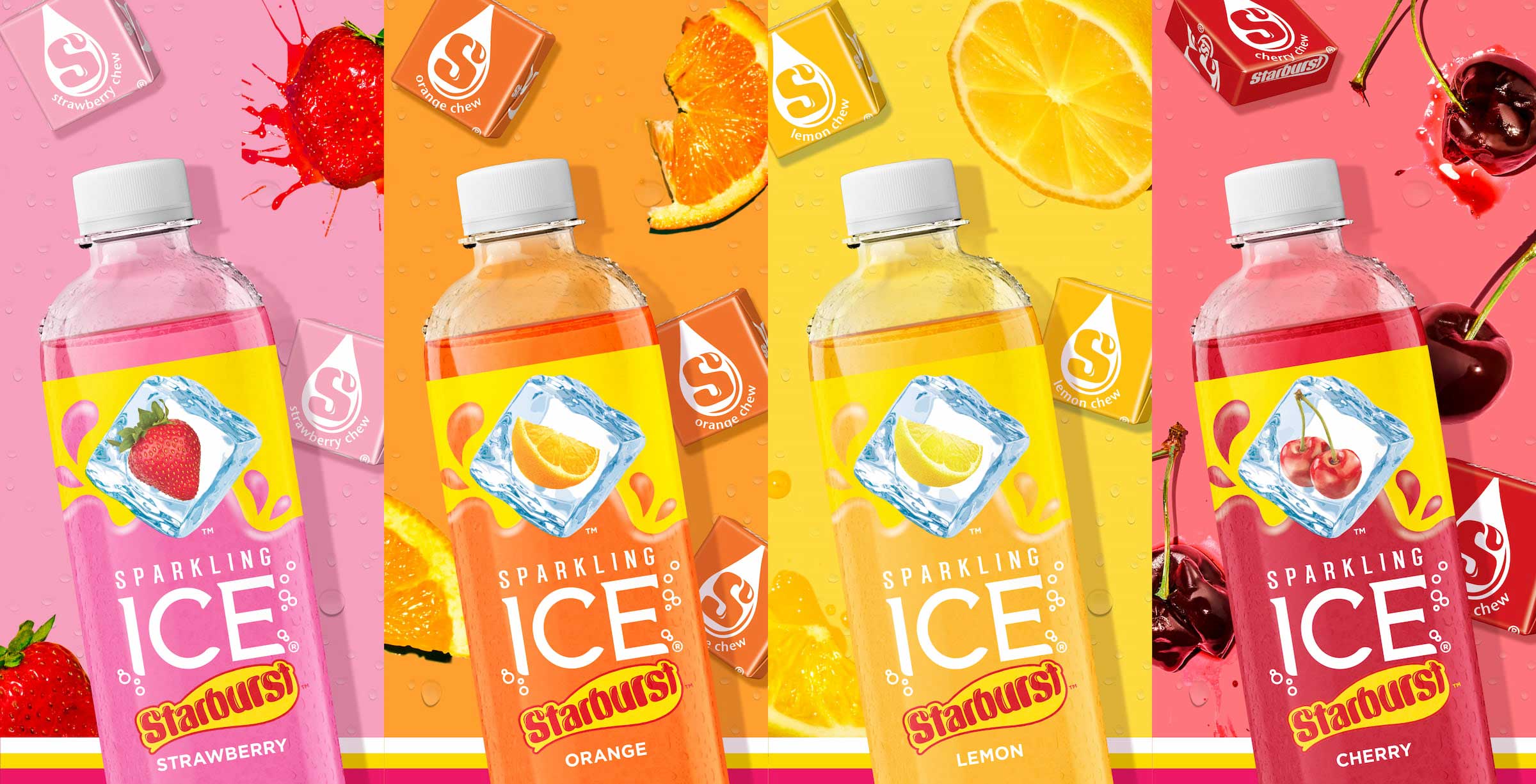
The original Starburst core colors are pink (strawberry), red (cherry), orange (orange), and yellow (lemon). Over the decades, the brand has expanded to include dozens of additional colors and flavors found in specialized packs like FaveREDs, Tropical, Sour, and Summer Blast, alongside various retired and limited-edition releases.
The Evolution of the Starburst Color Palette
To understand the current spectrum of Starburst colors in 2026, one must look back at the brand’s origins. Launched in the United Kingdom in 1960 as Opal Fruits, the candy originally featured four distinct flavors: strawberry, lemon, orange, and lime. When the product migrated to the United States in 1967, it was rebranded as Starburst. While the flavors remained largely consistent, the US market eventually saw the replacement of lime with cherry, a move that solidified the "Original" lineup that consumers recognize today.
The "Original" pack serves as the foundation for the entire brand. These four colors—pink, red, orange, and yellow—represent more than just fruit flavors; they have become cultural touchstones. For instance, the "pink Starburst" has transcended its status as a candy to become a symbol of self-worth and high quality, spawning the popular 2020s mantra, "Never settle for a yellow Starburst." As of 2026, Mars, Inc. continues to leverage this cultural capital by offering standalone packs of specific colors, particularly the "All Pink" variety.
Detailed Breakdown of Original Starburst Colors
The original four colors are the most widely distributed and recognized. Each utilizes a specific combination of food dyes and flavoring agents to achieve its signature profile.
Pink: Strawberry
The pink Starburst is statistically the most popular color in the United States. Its flavor is a creamy, synthetic strawberry that avoids the tartness found in the red or yellow chews. In terms of composition, the pink chew relies on a balance of sweetness and a soft floral aroma. Because of its massive popularity, the pink color is now sold in individual bulk bags and has been adapted into various spinoff products, including drink mixes and jelly beans.
Red: Cherry
The red Starburst provides a sharper, more medicinal cherry profile compared to the strawberry. It is often the subject of debate among candy enthusiasts who find its flavor profile more intense than the others. The deep red hue is achieved through specific red dyes (historically Red 40), which give it a vibrant appearance that stands out in the transparent wax paper wrapping.
Orange: Orange
The orange Starburst is designed to mimic a citrus profile, utilizing citric acid to provide a mild tang. While it is often overshadowed by the "Red vs. Pink" debate, the orange chew remains a staple for its consistent flavor. It is one of the few colors that has remained unchanged in both name and hue since the product's inception in the 1960s.
Yellow: Lemon
The yellow Starburst is the most polarizing of the original four. It features a high concentration of citrus notes and a tart finish. Despite being frequently cited as the "least favorite" in social media polls, the yellow chew is essential for providing a high-acid contrast to the sweeter strawberry and cherry flavors.
Specialty Packs and Extended Color Varieties
As consumer demand for variety grew, Starburst expanded its portfolio into "duos," "faveREDs," and "tropical" packs. These collections introduced a wider array of colors, from deep purples to vibrant teals.
FaveREDs Collection
Recognizing that consumers often picked through bags to find the red and pink hues, the FaveREDs pack was introduced. This collection includes:
- Strawberry (Pink): The original classic.
- Cherry (Red): The original classic.
- Fruit Punch (Deep Red/Maroon): A sweeter, multi-fruit blend that is slightly darker than the cherry chew.
- Watermelon (Light Red/Magenta): A bright, refreshing flavor that sits between the pink and red in terms of visual intensity.
Tropical Starburst
The Tropical line introduced colors that were previously unseen in the Starburst universe, moving away from the standard primary colors into more exotic territory.
- Cherry Kiwi (Bright Green): This replaced the traditional lime and offered a more complex, tart flavor.
- Mango Melon (Orange-Yellow): A softer, more pastel orange than the original.
- Piña Colada (White/Cream): One of the few non-vibrant colors, representing the coconut and pineapple blend.
- Strawberry Banana (Yellow-Pink Swirl): Frequently presented as a bi-color chew or a solid light coral.
Starburst Sour and Sweet Heat
The Sour variety packs introduced a neon color palette, including Blue Raspberry (a vibrant electric blue) and Green Apple (a sharp lime green). In the late 2010s, the "Sweet Heat" line experimented with spicy infusions, adding a "heat" element to colors like "Fiery Watermelon" and "Pipindazzle Berry," though these are now primarily found in limited regional releases.
Comprehensive Comparison of Starburst Colors and Flavors
The following table categorizes the colors found across various Starburst products available as of 2026, including their primary flavor associations and the packs in which they are typically found.
| Wrap/Candy Color | Flavor Name | Variety Pack | Status (2026) |
|---|---|---|---|
| Pink | Strawberry | Original / All Pink | Core Product |
| Deep Red | Cherry | Original / FaveREDs | Core Product |
| Orange | Orange | Original | Core Product |
| Yellow | Lemon | Original | Core Product |
| Maroon | Fruit Punch | FaveREDs | Standard |
| Magenta | Watermelon | FaveREDs | Standard |
| Bright Green | Cherry Kiwi | Tropical | Standard |
| Pale Orange | Mango Melon | Tropical | Standard |
| Opaque White | Piña Colada | Tropical | Standard |
| Coral/Peach | Strawberry Banana | Tropical | Standard |
| Electric Blue | Blue Raspberry | Sour | Standard |
| Neon Green | Green Apple | Sour | Standard |
| Purple | Blackberry | Berries and Cream | Limited/Seasonal |
| Teal | Baja California | Retro/Limited | Discontinued |
| Light Blue | Blue Pomegranate | Morph | Discontinued |
The Science of Starburst Coloring and Texture
The visual appeal of Starburst is not accidental; it is the result of food science aimed at creating an emotional response. The colors are designed to be "associative," meaning the brain should immediately anticipate the acidity and sweetness levels based on the hue.
Pigmentation and Dyes
In 2026, the shift toward "natural" ingredients continues to influence the Starburst color palette. While synthetic dyes like Red 40 and Yellow 5 provided the neon vibrance of the 1990s, modern iterations often utilize juices from concentrates (such as black carrot, sweet potato, and turmeric) to achieve similar effects. These natural pigments can sometimes result in slightly more "muted" tones compared to the historical versions, particularly in European markets where regulations on synthetic dyes are stricter.
The Role of Carnauba Wax
Every Starburst chew, regardless of color, is finished with a thin coating of carnauba wax. This substance, derived from the leaves of the carnauba palm, gives the candy its glossy sheen and prevents the chews from sticking to their paper wrappers. The wax also acts as a barrier, preserving the moisture content of the corn syrup and sugar base, which ensures the "unexplainably juicy" texture remains intact from the factory to the consumer.
Global Variations: UK vs. USA
It is a common misconception that Starburst colors are universal. Depending on where you purchase the candy, the flavor corresponding to a color may change significantly.
In the United Kingdom, the "Original" pack often retains the blackcurrant flavor (dark purple), which is almost entirely absent from the US market. The UK version of Starburst also removed all artificial colors and flavors several years ago, leading to a different visual profile. For example, the strawberry chew in the UK may appear a more "earthy" pink than the bright "bubblegum" pink found in North America.
Furthermore, the UK market occasionally revives the Opal Fruits branding for limited-edition nostalgic runs. These packs feature the original four flavors: Strawberry, Lemon, Orange, and Lime. The absence of Cherry in these packs is often a point of confusion for American travelers.
Limited Editions and Retired Colors
The history of Starburst is littered with "lost" colors that appear for a summer promotion and then vanish into the archives.
- The "Morph" Line: These were bi-colored chews where the color of the candy would change as it was chewed, supposedly changing flavor in the process. These used complex layering of different dyed sugar pastes.
- Sweet Heat: Launched in 2017, this featured colors like "Sizzlin' Strawberry" and "Fiery Watermelon." The colors were slightly darker than their original counterparts to signal the inclusion of heat (capsaicin-like additives).
- Baja California: This early 2000s pack featured colors like "Limonito" and "Aztec Punch." The colors were inspired by coastal themes, featuring more teals and sandy-yellows.
- Retro Lime: While lime was a core color for decades, it was relegated to "Legacy" or "Retro" packs in the US once cherry took its permanent spot in the Original lineup.
Frequently Asked Questions
What is the rarest Starburst color?
In standard "Original" production runs, there is no "rare" color; the machines are calibrated to distribute strawberry, cherry, orange, and lemon in relatively equal proportions. However, in terms of availability, Lime is considered the rarest in the US because it is only available in specialty "Retro" or international packs. Additionally, certain "Duo" colors that feature two flavors in one chew are harder to find as they are frequently cycled out of production.
Why is the Pink Starburst so popular?
The popularity of the pink (strawberry) Starburst is attributed to its balanced flavor profile. Unlike lemon or cherry, which have high acidity or medicinal notes, the strawberry flavor is consistently sweet and creamy. This broad appeal led to a massive social media presence, which Mars, Inc. eventually monetized by creating the "All Pink" product line.
Are all Starburst colors vegan in 2026?
As of 2026, the status of Starburst as vegan depends on the region. In the United States, standard Starburst chews typically contain gelatin (derived from beef or pork), which makes them non-vegan. However, in the UK and certain other markets, the recipe has been modified to use starch-based thickeners, making them suitable for vegans. Consumers should always check the ingredient label for "gelatin" or "confectioner's glaze."
Can you buy Starburst colors individually?
Yes. By 2026, Mars Wrigley has expanded its direct-to-consumer options. While "All Pink" is available in most retail stores, specialized candy distributors and the official Starburst website often allow consumers to purchase bulk bags of specific colors, such as just Cherry or just Orange, catering to party planners who need color-coordinated treats.
Did Starburst ever have a blue color?
Yes, the blue color is a staple of the Starburst Sour pack and the Starbust Minis (unwrapped) varieties. The flavor is almost always "Blue Raspberry." It is notably absent from the "Original" fruit chew lineup, as blue is not a color naturally associated with the core citrus and berry fruits used in that specific pack.
Recommendation for Consumers
If you are looking for a specific color for an event or a particular flavor preference, the most cost-effective method in 2026 is to purchase Variety-Specific Packs (like FaveREDs) rather than bulk "Original" bags. For those seeking the nostalgic lime flavor in the US, look for "International" or "UK Import" sections in specialty grocers, as the UK "Original" pack still includes the green citrus chew that many long-time fans miss. Always store your Starburst in a cool, dry place; temperature fluctuations can cause the wax paper to fuse with the sugar, making the iconic colors difficult to unwrap.