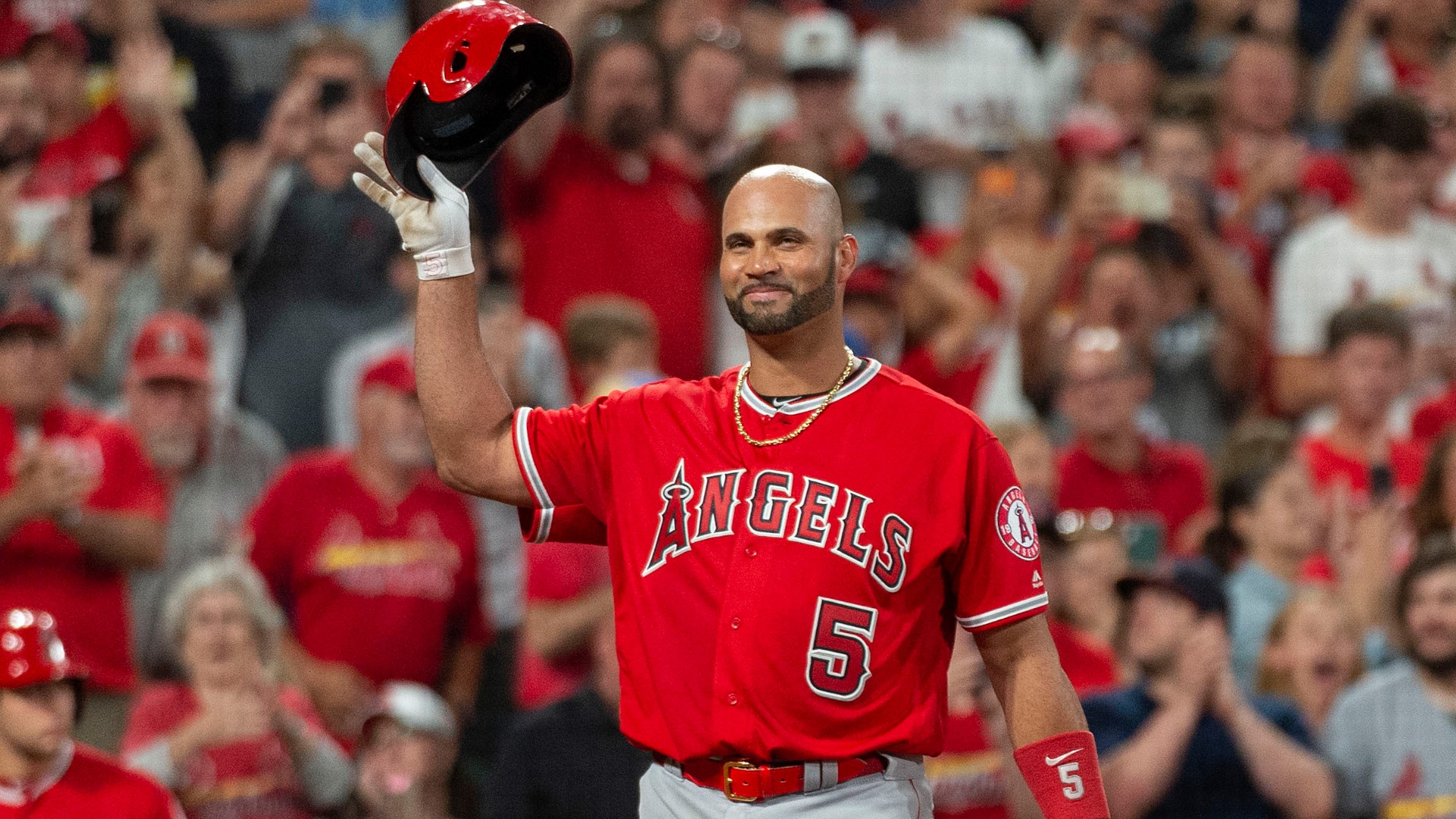
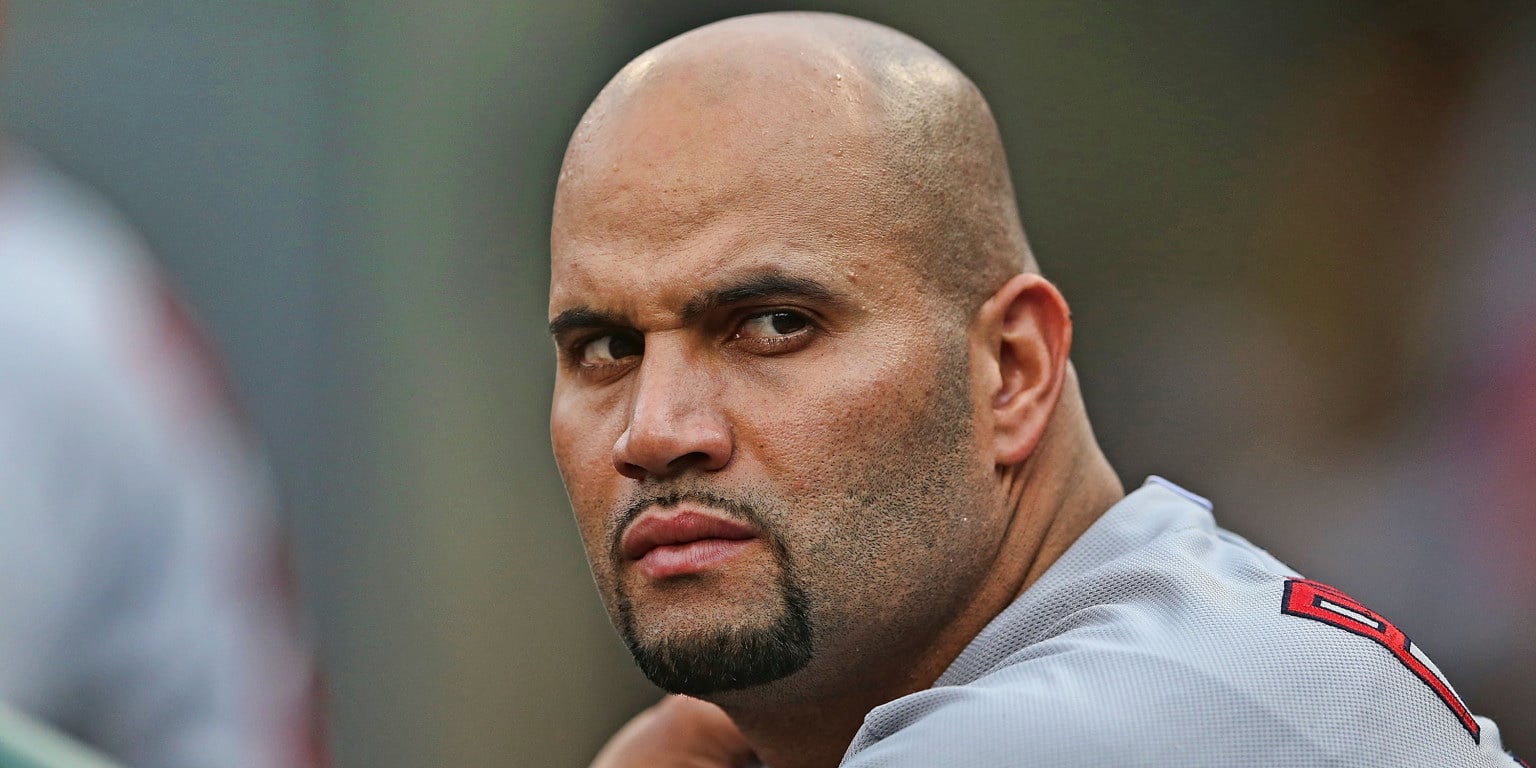
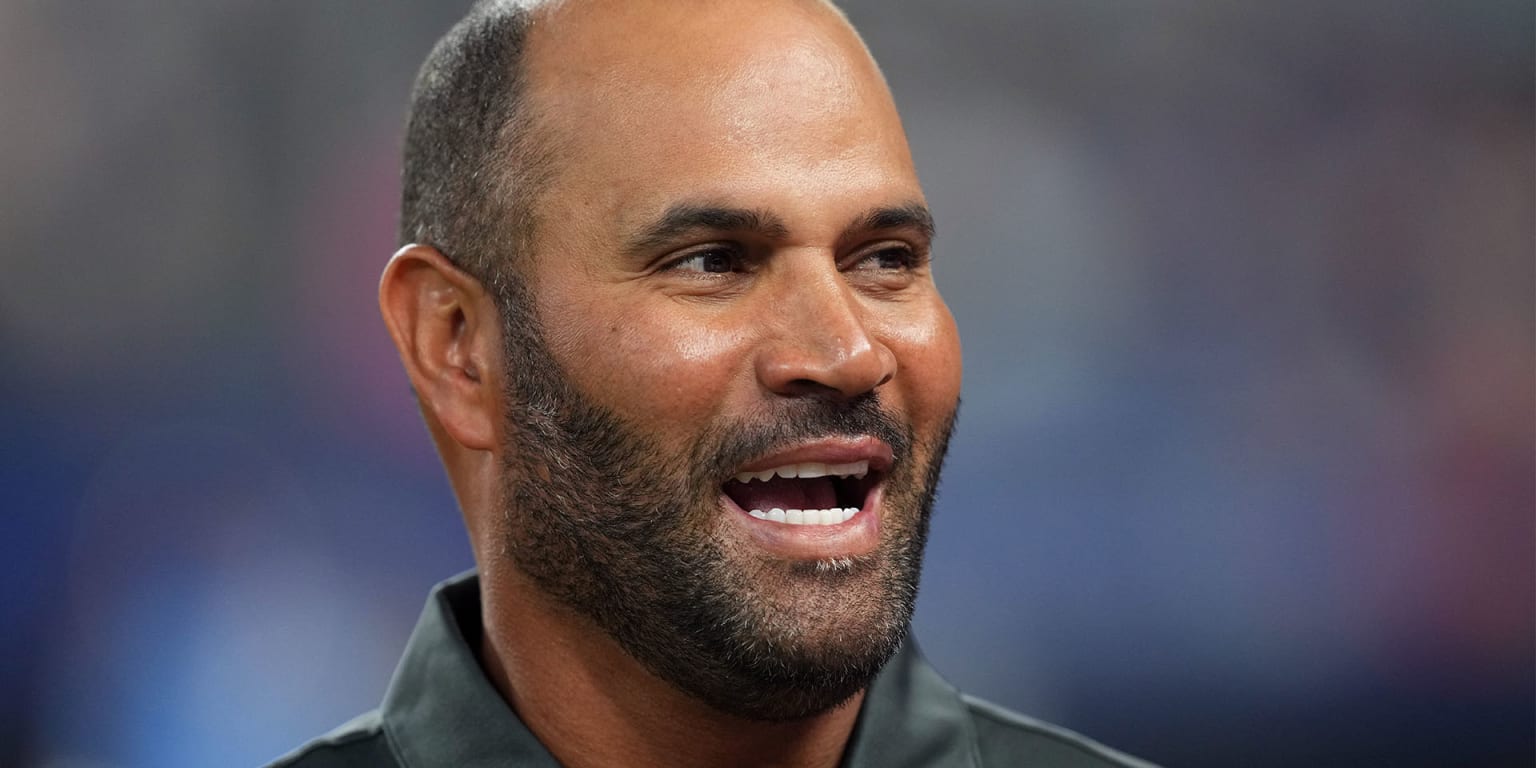
Albert Pujols earned a total of approximately $341.7 million in base salary over his 22-season Major League Baseball career. His financial legacy is anchored by two massive contracts: a 10-year, $240 million deal with the Los Angeles Angels and a preceding 7-year, $100 million extension with the St. Louis Cardinals.
The Financial Legacy of "The Machine"
Albert Pujols, widely regarded as one of the greatest right-handed hitters in the history of baseball, navigated a career that spanned the transition from the "Steroid Era" economics to the modern era of mega-contracts. From his debut in 2001 to his emotional retirement in 2022, Pujols was not just a statistical marvel but also a financial powerhouse. As of 2026, he remains one of the top five all-time earners in MLB history, trailing only a handful of modern stars like Max Scherzer and Justin Verlander who benefited from the recent explosion in average annual value (AAV).
Pujols’ earning trajectory is a textbook study in sports psychology and market timing. He moved from a vastly underpaid superstar in St. Louis to the recipient of one of the most criticized—yet inevitable—contracts in sports history with the Los Angeles Angels. Understanding his salary requires looking beyond the raw numbers and into the structure of his deals, which included milestone bonuses, personal services agreements, and the complexities of being traded or released while owed significant sums.
Early Career and the St. Louis "Discount" (2001–2011)
When Albert Pujols broke into the league in 2001, he did so on a standard rookie contract. After winning the National League Rookie of the Year award, his value skyrocketed, but the Cardinals held his rights through the arbitration process. In his first three seasons, Pujols earned a combined total of less than $2 million, despite being an MVP-caliber player from day one.
Recognizing the need to secure their cornerstone, the St. Louis Cardinals signed Pujols to a 7-year, $100 million extension in 2004. At the time, this was a significant commitment for a mid-market team, but in hindsight, it became one of the most team-friendly deals in baseball history. During the life of that contract, Pujols won three NL MVP awards and two World Series titles.
The 2011 Free Agency Period
By the end of the 2011 season, Pujols was 31 years old and seeking a contract that reflected his status as the premier player in the game. The Cardinals offered a 10-year deal worth roughly $210 million, with a portion of it deferred. However, the market had shifted. The Miami Marlins and the Los Angeles Angels were both aggressive in their pursuit. The Angels eventually won the bidding war with a deal that not only paid more annually but was fully guaranteed without the heavy deferrals the Cardinals had proposed.
The Decade of the Angels (2012–2021)
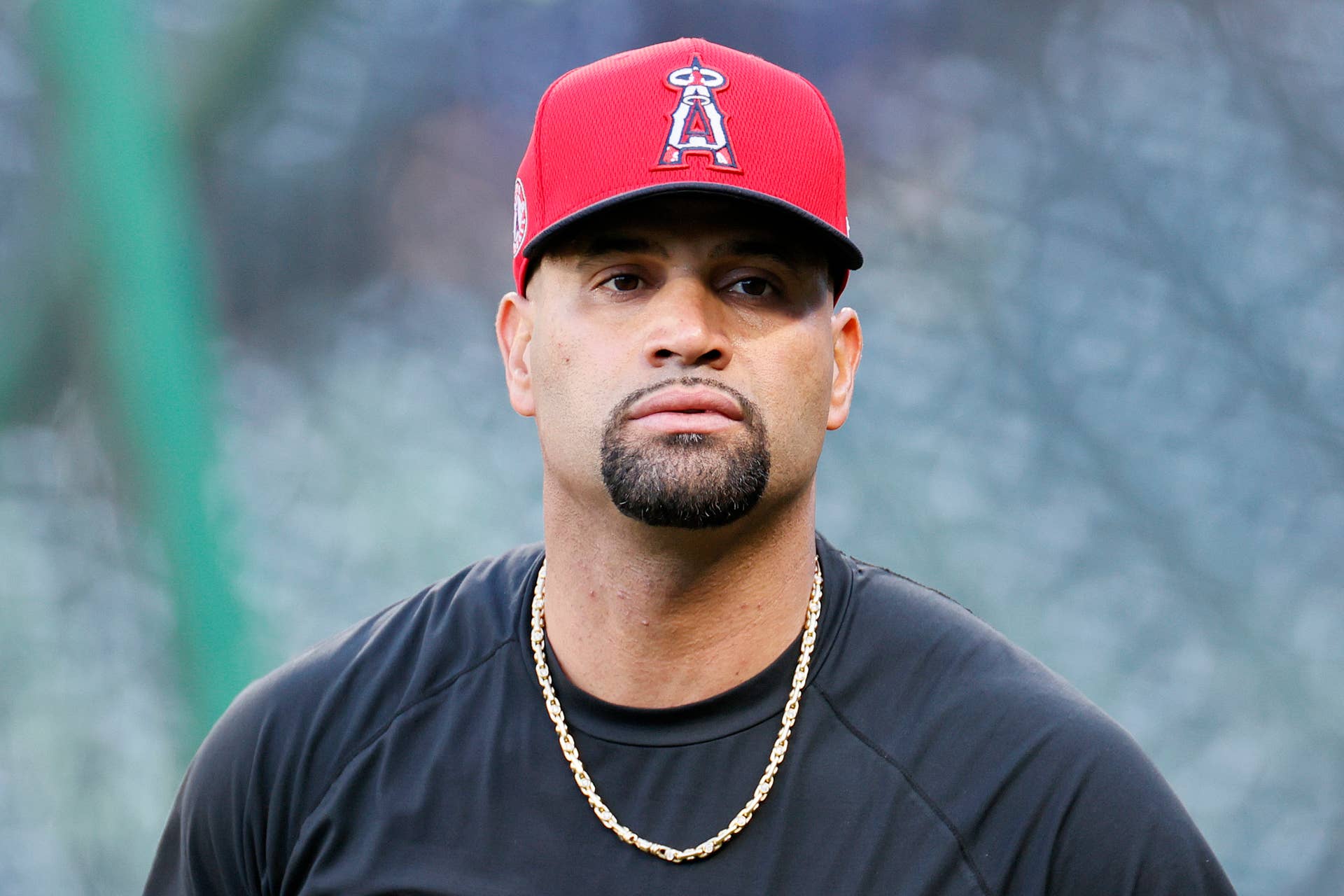
The 10-year, $240 million contract Albert Pujols signed with the Los Angeles Angels in December 2011 redefined his financial profile. It was the second-largest contract in MLB history at the time, trailing only Alex Rodriguez’s $275 million deal with the Yankees.
The contract was heavily backloaded, a common tactic to manage luxury tax implications and provide immediate cash flow for the team. In the first year (2012), Pujols earned $12 million. By the final year (2021), his annual salary had risen to $30 million. This structure is often where "megadeals" become difficult for aging players, as the performance often declines while the salary reaches its peak.
Performance and Pay Dissonance
While Pujols provided several productive years for the Angels, including surpassing major milestones like 500 and 600 home runs, the latter half of the contract saw his production dip below league average. However, because MLB contracts are fully guaranteed, the Angels were obligated to pay the full $240 million regardless of his on-field statistics. This period is frequently cited by economists as a turning point in how front offices view long-term deals for players over the age of 30.
The 2021 Release and the Dodgers Stint
In May 2021, the Angels made the difficult decision to release Pujols with roughly $30 million still owed to him for the remainder of the season. Under MLB rules, when a player is released, the original team is responsible for the remaining salary minus the prorated league minimum if another team signs him.
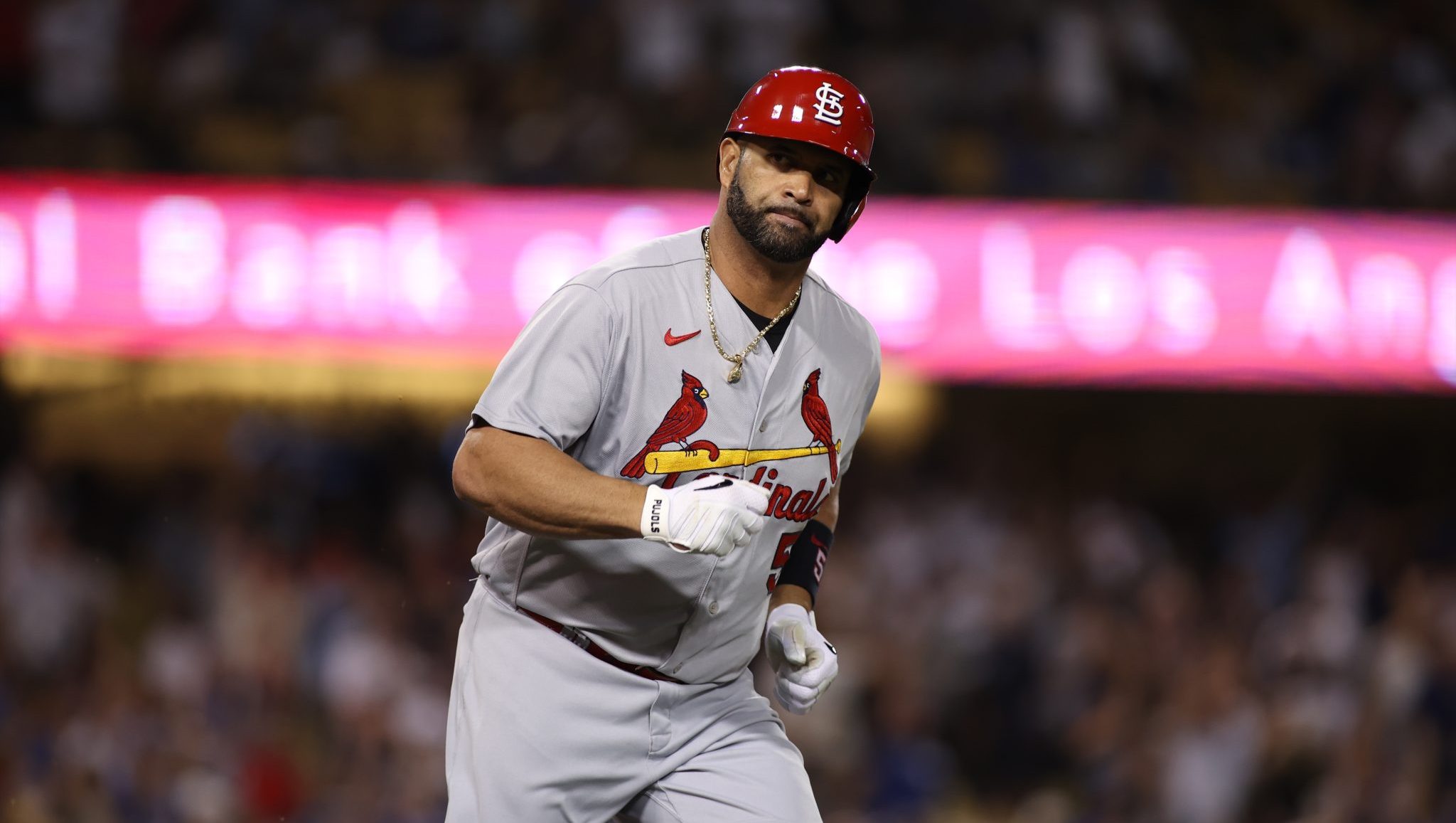
The Los Angeles Dodgers signed Pujols for the remainder of the 2021 season. While he provided veteran leadership and key hits for the Dodgers, his financial cost to them was the league minimum (approximately $425,000 for the time he was on the roster). The Angels effectively paid him nearly $29.5 million to play for their cross-town rivals.
The Grand Finale: Returning to St. Louis (2022)
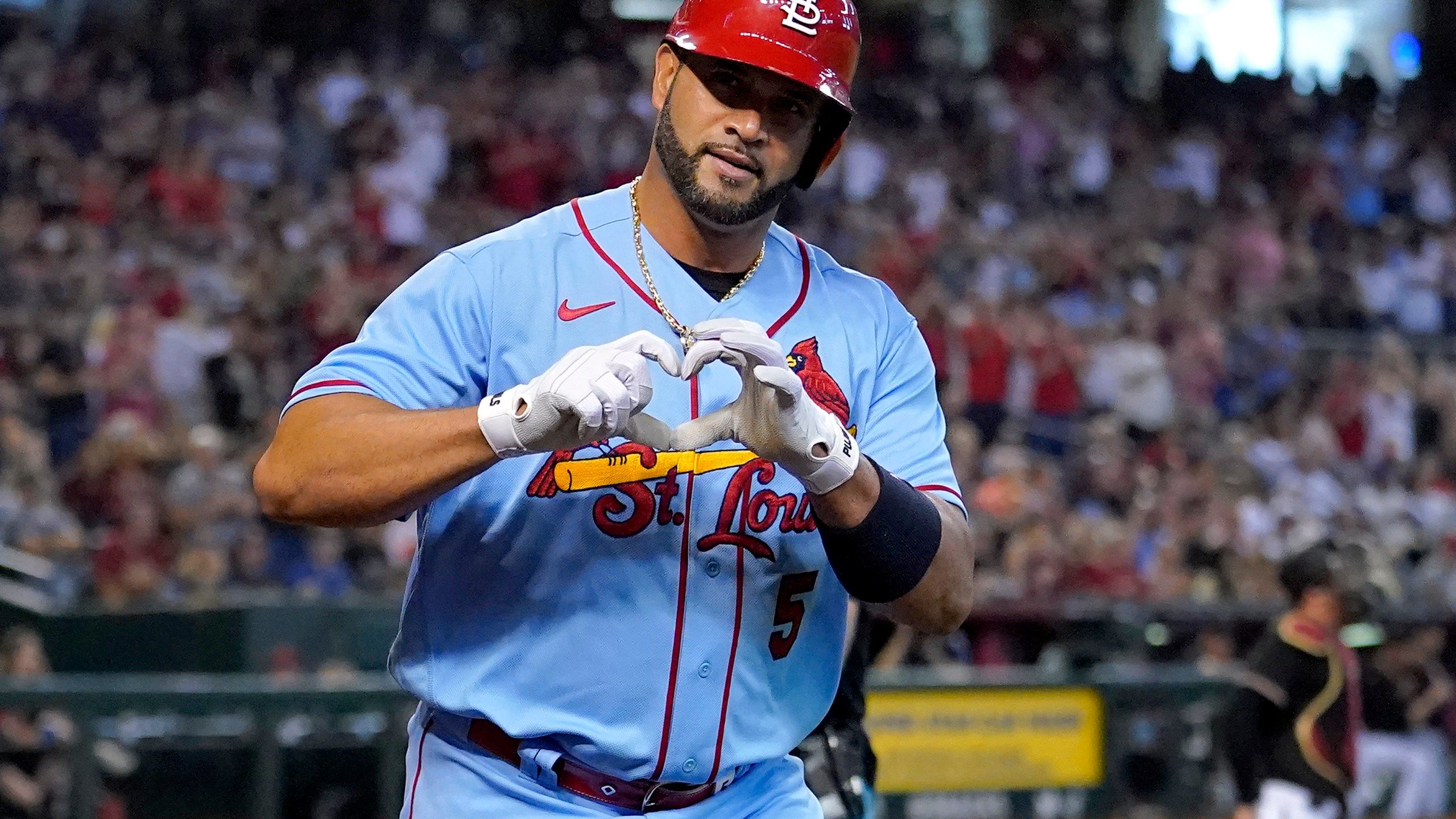
In 2022, Albert Pujols returned to the St. Louis Cardinals for his final season. This was a "farewell tour" in the truest sense, but it was also a productive one. Pujols signed a one-year, $2.5 million contract.
This contract was significantly lower than his previous earnings, reflecting his role as a part-time player and designated hitter. However, the season turned into a marketing goldmine as Pujols chased and eventually surpassed the 700-career home run mark. The value he brought to the Cardinals in ticket sales, merchandise, and national media coverage far exceeded his $2.5 million salary.
Year-by-Year Salary Breakdown
The following table outlines the estimated annual earnings for Albert Pujols throughout his career, based on official contract data and reported earnings from Baseball-Reference and Cot's Baseball Contracts.
| Year | Team | Salary (USD) | Notes |
|---|---|---|---|
| 2001 | St. Louis Cardinals | $200,000 | Rookie Season (NL ROY) |
| 2002 | St. Louis Cardinals | $600,000 | Pre-Arbitration |
| 2003 | St. Louis Cardinals | $900,000 | Pre-Arbitration |
| 2004 | St. Louis Cardinals | $7,000,000 | Start of 7yr/$100M Extension |
| 2005 | St. Louis Cardinals | $11,000,000 | NL MVP Season |
| 2006 | St. Louis Cardinals | $14,000,000 | World Series Champion |
| 2007 | St. Louis Cardinals | $15,000,000 | |
| 2008 | St. Louis Cardinals | $16,000,000 | NL MVP Season |
| 2009 | St. Louis Cardinals | $16,000,000 | NL MVP Season |
| 2010 | St. Louis Cardinals | $16,000,000 | |
| 2011 | St. Louis Cardinals | $16,000,000 | World Series Champion |
| 2012 | LA Angels | $12,000,000 | Start of 10yr/$240M Deal |
| 2013 | LA Angels | $16,000,000 | |
| 2014 | LA Angels | $23,000,000 | |
| 2015 | LA Angels | $24,000,000 | |
| 2016 | LA Angels | $25,000,000 | |
| 2017 | LA Angels | $26,000,000 | |
| 2018 | LA Angels | $27,000,000 | |
| 2019 | LA Angels | $28,000,000 | |
| 2020 | LA Angels | $11,000,000 | Prorated from $29M (COVID-19) |
| 2021 | LA Angels / Dodgers | $30,000,000 | Released by Angels in May |
| 2022 | St. Louis Cardinals | $2,500,000 | Final Season (700 HR) |
| Total | ~$341,710,741 | Excludes Endorsements |
Beyond the Base Salary: Bonuses and Personal Service Agreements
A unique aspect of Albert Pujols’ financial arrangements is the "Personal Services" contract he signed with the Angels. This was a 10-year agreement valued at $10 million ($1 million per year) intended to begin once his playing career ended.
The Personal Services Conflict
When Pujols retired in 2022, he was technically obligated to the Angels under this agreement. However, his strong ties to the St. Louis community and the Cardinals organization created a point of friction. In early 2023, reports surfaced that Pujols would indeed honor the contract with the Angels, serving as a guest instructor and team ambassador. As of 2026, he has transitioned into this role, proving that his earning power extended well beyond his final at-bat.
Milestone Bonuses
Pujols' contracts often included performance incentives and milestone bonuses. While the exact figures are not always public, it is standard for elite players to receive bonuses for winning MVP awards ($50,000 to $250,000), making the All-Star team, or reaching historic home run totals. For the Angels, these milestones were marketing opportunities that helped offset his high salary.
Albert Pujols’ Career Earnings in Context
To truly understand the magnitude of Pujols’ salaries, we must compare him to his peers. When Pujols signed with the Angels, he was essentially trying to match the market set by Alex Rodriguez. By the time he retired, the market had moved toward players like Mike Trout (12 years, $426.5 million) and Shohei Ohtani (10 years, $700 million with heavy deferrals).
Inflation and Market Growth
The $240 million deal signed in 2011, when adjusted for the growth of MLB revenues, is comparable to a $350 million deal today. Pujols was one of the last "traditional" superstars to sign a long-term, non-deferred contract that paid significant sums in the player's 40s. Today, front offices often utilize massive deferrals (as seen with the Dodgers and Ohtani) to lower the present-day value and luxury tax hit.
The Business of Being Albert Pujols
Beyond his MLB salary, Pujols maintained a lucrative endorsement portfolio. Throughout his career, he partnered with brands such as:
- Nike: Long-term footwear and apparel deal.
- Gatorade: Featured in several national campaigns.
- Rawlings: Use of gloves and bats.
- Upper Deck: Exclusive trading card and memorabilia signatures.
While these endorsement deals likely added another $50 million to $70 million to his lifetime earnings, his primary wealth was generated through his unparalleled consistency on the baseball diamond.
Tax Implications and Financial Complexity
Operating as a professional athlete involves significant tax hurdles that can reduce gross earnings by nearly 50%. For Pujols, who played in California (Angels/Dodgers) and Missouri (Cardinals), the tax landscape was particularly challenging.
- California State Income Tax: During his decade with the Angels, Pujols was subject to California’s top income tax bracket, which is among the highest in the United States.
- The "Jock Tax": Professional athletes must pay taxes in every state (and sometimes city) where they play a game. For a baseball player, this means filing dozens of tax returns annually.
- Agent Fees: Standard agency fees in MLB range from 3% to 5%. For a $341 million career, Pujols would have paid between $10 million and $17 million in agent commissions.
Common Questions About Albert Pujols' Finances
What was Albert Pujols' highest single-season salary?
His highest single-season salary was $30 million in 2021. Despite being released by the Angels that year, he still received the full amount as MLB contracts are guaranteed. The Angels paid the bulk of it, while the Dodgers paid a prorated portion of the league minimum.
How much did Albert Pujols lose during the 2020 shortened season?
Due to the COVID-19 pandemic, MLB salaries were prorated based on a 60-game season. Pujols was scheduled to earn $29 million in 2020 but actually received approximately $11 million.
Is Albert Pujols the highest-paid Cardinal ever?
While he is the most famous, his career earnings with the Cardinals are actually lower than some modern players due to the "discount" extension he signed in 2004. Nolan Arenado and Paul Goldschmidt have had single seasons with higher salaries in St. Louis than Pujols did during his prime. However, in terms of total franchise value and legacy impact, he remains unmatched.
Does he still get paid by the Angels in 2026?
Yes. Under the terms of his Personal Services Contract, which began after his retirement in 2022, he receives $1 million annually. This 10-year agreement ensures he remains on the Angels' payroll through 2032.
What is Albert Pujols' estimated net worth in 2026?
Estimating net worth is complex, but with over $340 million in career earnings and significant endorsements, his net worth is estimated to be between $170 million and $200 million after taxes, fees, and lifestyle expenses. A large portion of his wealth is also directed toward the Pujols Family Foundation, which supports individuals with Down syndrome and those living in poverty in the Dominican Republic.
Final Recommendation for Researchers
For those looking to verify specific contract details, the most authoritative sources remain the MLB Players Association (MLBPA) filings and historical data archives like Cot's Baseball Contracts. If you are analyzing the financial impact of his career on the teams he played for, consider looking into the "Luxury Tax" (Competitive Balance Tax) records, as his high AAV often put the Angels near the threshold, influencing their ability to sign other free agents during the mid-2010s.