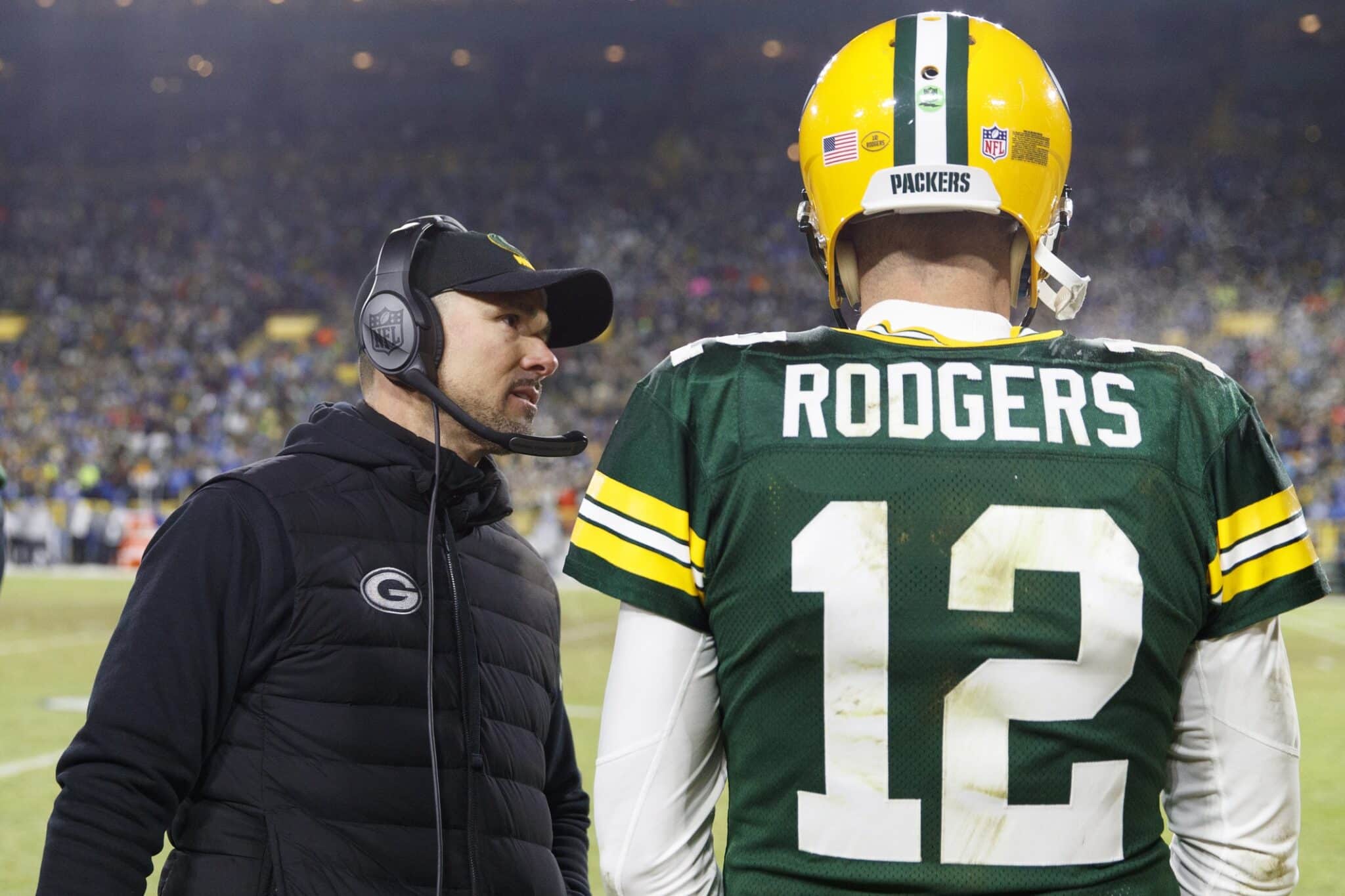
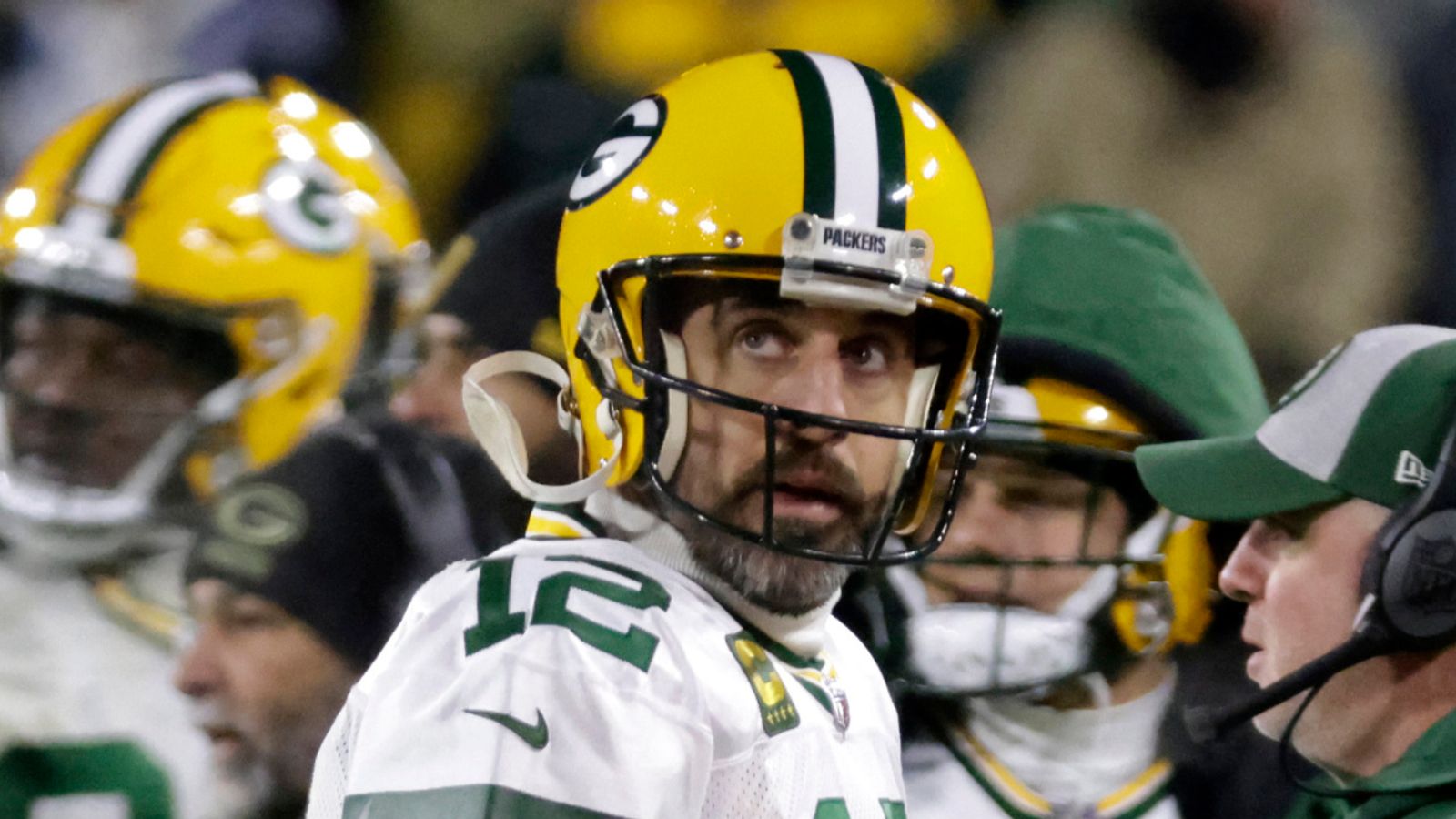
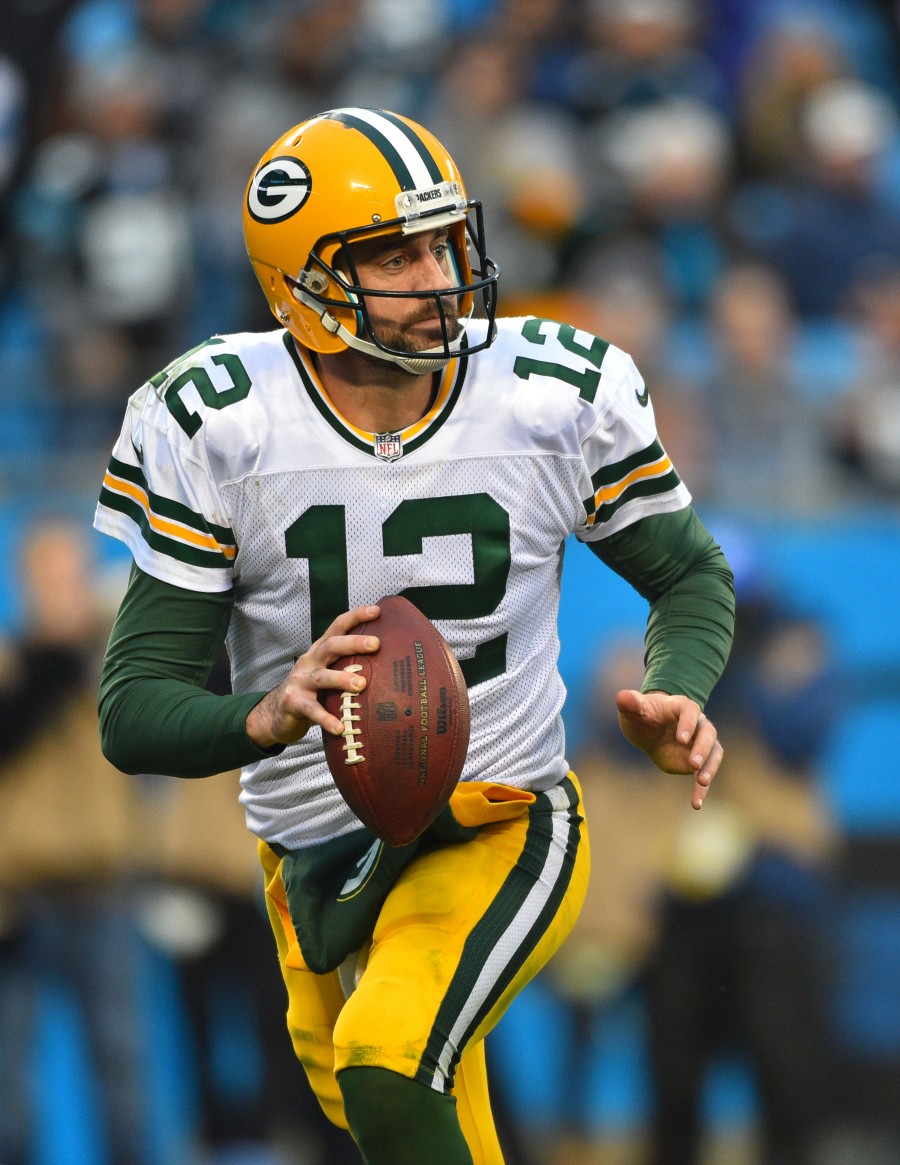
The departure of Aaron Rodgers from the Green Bay Packers stands as one of the most significant personnel shifts in modern NFL history. Following his trade to the New York Jets in 2023, the prospect of a return to Wisconsin has been systematically eliminated by the Packers' commitment to a new era led by Jordan Love and the structural realities of the team’s current salary cap and roster philosophy.
The Context of the Departure
Aaron Rodgers’ tenure with the Green Bay Packers, spanning from 2005 to 2023, was defined by statistical brilliance, multiple NFL MVP awards, and a Super Bowl XLV victory. However, the final years of his tenure were marked by increasing friction between the veteran quarterback and the organization’s front office. This tension, combined with the organization’s decision to draft Jordan Love in the first round of the 2020 NFL Draft, signaled a fundamental change in the team's long-term planning.
By the time the 2023 offseason commenced, the Packers reached a crossroads. The organization needed to decide whether to continue building around a legacy quarterback or pivot to the developmental trajectory of a younger player. The ultimate resolution—a trade to the New York Jets—was not merely a temporary personnel move but a decisive break intended to reset the franchise’s financial and tactical identity.
Why a Return Is Not Feasible
In the 2026 NFL landscape, any conversation regarding a return to Green Bay remains purely speculative and logistically impossible. Several key factors solidify this reality:
1. The Jordan Love Era
The Green Bay Packers have committed significant resources—including a substantial long-term contract extension—to Jordan Love. Having transitioned into the role of the starter for several seasons, Love has become the face of the franchise. Re-integrating a veteran like Rodgers would necessitate reversing the team's developmental progress, undermining the coaching staff’s efforts to establish a new leadership culture, and effectively wasting the years invested in Love’s growth.
2. Roster Philosophy and Age
The Packers have utilized the years following Rodgers’ departure to get younger and faster across the board. The current roster is constructed around a younger offensive core, including receivers and tight ends who have developed chemistry with Love. Bringing back an older veteran, regardless of pedigree, would disrupt the current offensive schemes that rely on the specific mobility and arm talent of the current starter.
3. Salary Cap Constraints
The NFL operates under a strict salary cap. The Packers’ current financial structure is built around the team-friendly, performance-incentivized contracts of a younger roster. Accommodating a high-salary veteran like Rodgers would require massive contract restructuring, the cutting of multiple key contributors, and an overall reduction in depth that the organization has worked hard to build.
Comparative Roster Construction: 2023 vs. 2026
Understanding the change in strategy requires a look at how the Packers’ approach has shifted since the trade.
| Metric | 2023 (Departure Era) | 2026 (Post-Transition Era) |
|---|---|---|
| Primary QB | Aaron Rodgers | Jordan Love |
| Offensive Focus | Veteran-heavy leadership | Youth and speed integration |
| Salary Cap Strategy | High investment in veteran core | Balanced distribution across position groups |
| Long-Term Plan | Uncertain/Year-to-year | Multi-year window with core talent |
The Psychological and Cultural Shift
Beyond the mechanical and financial aspects, the cultural environment of an NFL locker room is fragile. The Green Bay Packers have spent the last three years cultivating a culture centered on the identity of the current team. A return would inevitably bring back the external media pressures, the "shadow" of a legacy quarterback, and the complex interpersonal dynamics that characterized the final years of the Rodgers era.
From a team-building perspective, the Packers have prioritized a "clean slate" approach. This allows the coaching staff, led by Matt LaFleur, to implement offensive strategies that may differ significantly from what was possible with a veteran who possessed a vast amount of institutional control over play-calling and adjustments.
Understanding the Financial Implication
When Aaron Rodgers left, the Packers incurred a dead cap hit that was strategically managed over subsequent seasons. To suggest a return would be to ignore the reality of how these financial assets have been reallocated. The money that was once tied to Rodgers' contract has been distributed across the offensive line, the defensive secondary, and skill positions. This move has allowed for greater flexibility during free agency periods and the ability to extend key home-grown players who have become the current bedrock of the team.
Frequently Asked Questions
Did the Packers ever leave the door open for a Rodgers return? No. At the time of the trade and in subsequent interviews, management indicated that the organization was moving in a new direction. The move was clearly communicated as a transition, not a temporary separation.
Could Rodgers return in a non-playing capacity? While athletes often return to former teams in ambassador or coaching roles after retirement, there is currently no indication or organizational need for such a move. The focus remains entirely on the active roster and the current coaching staff.
Does Jordan Love’s success make a return impossible? Yes. Since taking over as the full-time starter, Love has secured his position as the leader of the team. From an organizational standpoint, replacing a productive, younger quarterback with a returning veteran would be counter-intuitive to the team’s current success and long-term goals.
Are there contractual barriers to a return? Yes. Rodgers’ current contract status with the New York Jets and the Packers’ specific salary cap accounting for 2026 make a return legally and financially prohibitive. The NFL’s collective bargaining agreement and individual team contracts act as barriers that prevent such a reversal of personnel decisions.
Why is this topic still discussed by fans? The legacy of a Hall-of-Fame level player often leads to nostalgia. Fans frequently associate Rodgers with the team’s most successful era in the 21st century, making it difficult to fully transition to the reality of a new era. However, speculation is distinct from the operational reality of the front office.
Looking Ahead
The Green Bay Packers are firmly invested in their future. The era of Aaron Rodgers in Green Bay is a historical chapter that has concluded. As the team moves through the 2026 season and beyond, the objective remains clear: building upon the current foundation to compete for championships with the personnel in place.
The most prudent next step for fans looking to understand the team's direction is to monitor the ongoing development of the current roster and the front office’s strategies in upcoming drafts and free agency periods. The team’s commitment to its current trajectory is evident in every move made since the summer of 2023, confirming that the departure was a permanent organizational pivot.