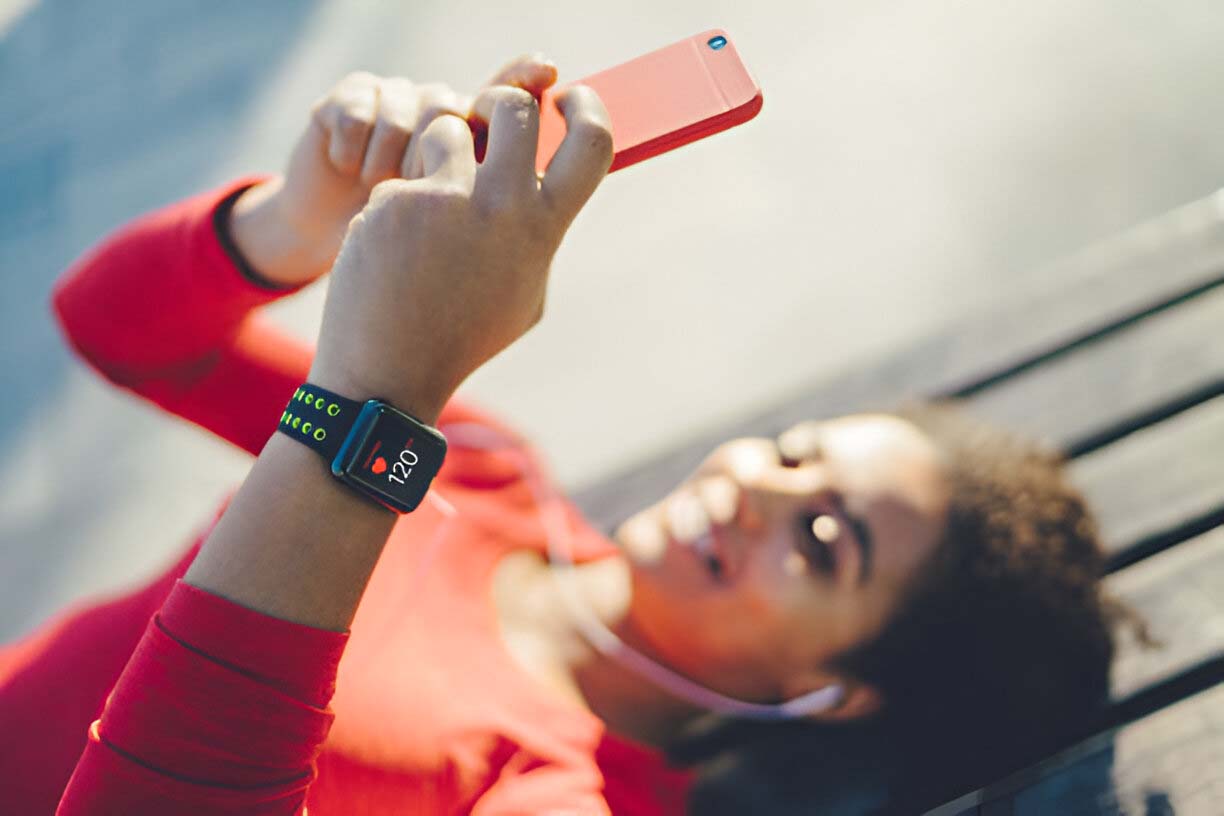
Heart rate tracking bands have become central tools in modern campus wellness initiatives, evolving from simple fitness accessories into sophisticated biometric monitoring systems. Higher education institutions rely on photoplethysmography (PPG) armbands and electrocardiogram (ECG) chest straps to measure heart rate variability (HRV), continuous pulse rates, and physical exertion. These devices allow campus health centers, intramural athletic programs, and university counseling departments to deliver data-driven biofeedback, combat academic burnout, and promote long-term cardiovascular health across diverse student populations.
The Evolution of Biometric Monitoring in Higher Education
Over the past decade, university wellness programs have transitioned from passive recreational offerings to structured, data-informed health frameworks. Early campus fitness initiatives relied primarily on manual self-reporting or basic step-counting pedometers. These methods offered minimal insight into physiological stress, recovery quality, or cardiovascular exertion.
The widespread adoption of specialized heart bands marked a shift toward objective physiological tracking. By capturing continuous cardiac data, these devices provide administrators and students with measurable health metrics. This transition was accelerated by a growing recognition of the connection between autonomic nervous system regulation, academic performance, and mental well-being. Modern campus health facilities view heart rate monitors not merely as workout trackers, but as essential instruments for holistic biofeedback, stress management, and preventative health education.
Institutional adoption has expanded beyond elite collegiate athletic departments into general student health services, campus recreation complexes, residence life programming, and psychological counseling centers. By integrating heart bands into broader wellness initiatives, institutions can offer personalized health guidance tailored to the demands of academic life.
Key Heart Band Trends in Campus Wellness
- Campus Biometric Wellness Ecosystem
- Campus Recreation
- Telemetry Displays
- Group Fitness Classes
- Counseling & Health
- HRV Stress Tracking
- Vagal Tone Training
- Library Loaners
- Equitable Access
- Pooled Hardware
- Secure Campus Data Infrastructure (FERPA/HIPAA)
- Campus Recreation
1. Continuous Heart Rate Variability (HRV) for Stress and Recovery Management
Heart Rate Variability—the microsecond variations in time intervals between consecutive heartbeats (R-R intervals)—has emerged as a primary metric in campus health initiatives. HRV reflects the operational balance between the sympathetic ("fight-or-flight") and parasympathetic ("rest-and-digest") branches of the autonomic nervous system.
Campus wellness programs utilize HRV-capable heart bands to help students track physiological stress caused by sleep deprivation, academic exams, and physical fatigue. By evaluating metrics such as the Root Mean Square of Successive Differences (RMSSD), students receive actionable feedback on their recovery status. Wellness counselors use this data to teach voluntary self-regulation techniques, such as diaphragmatic breathing and progressive muscle relaxation, allowing students to observe real-time increases in parasympathetic tone.
2. Live Telemetry Displays in Campus Recreation Facilities
University recreation centers increasingly incorporate multi-device telemetry displays within group exercise studios and fitness facilities. Using centralized receivers operating on Bluetooth Low Energy (BLE) or ANT+ protocols, heart bands transmit real-time heart rate zones, calories burned, and effort percentages to display screens.
This technology shifts the focus of workout classes from arbitrary exertion to targeted heart rate training zones (ranging from Zone 1 light recovery to Zone 5 maximum effort). Instructors use this data to ensure participants exercise within safe cardiovascular limits, preventing overexertion among novice exercisers while offering precise training parameters for competitive club athletes.
3. Integrated Protocols with University Health and Counseling Centers
Higher education counseling centers are incorporating heart band biofeedback into cognitive behavioral therapy (CBT) and anxiety mitigation workshops. Students experiencing acute academic anxiety or panic symptoms use optical armbands or chest straps during guided mindfulness sessions to observe how slow, rhythmic breathing stabilizes heart rate fluctuations.
This clinical-recreational hybrid approach demystifies physiological stress responses. Rather than viewing anxiety purely as a mental challenge, students learn to recognize its physical markers—such as elevated resting heart rate and depressed HRV—and use biometric feedback to restore equilibrium.
4. Equitable Access via Campus Hardware Loan Programs
To bridge the digital divide and prevent health disparities, universities are establishing device lending libraries through campus recreation hubs, wellness centers, or university libraries. Under this framework, students can check out sanitized, high-precision optical heart armbands for a semester or academic term free of charge.
These loan programs ensure that low-income students have access to modern biometric tracking technology without needing to purchase costly consumer wearables. Institutions pair device distribution with educational workshops on data literacy, personal health interpretation, and device maintenance.
Technical Specifications: Optical PPG vs. Electrical ECG Sensors
Selecting appropriate heart band hardware requires an understanding of the underlying sensor mechanics, signal accuracy, movement tolerance, and data transmission standards.
- Optical PPG Sensor (Wrist / Armband)
- Green LED (525nm)
- Skin / Capillaries
- Photodiode Photons Received
- Measures blood volume pulses (Volumetric estimation)
- Electrical ECG Sensor (Chest Strap)
- Electrode Pad (+)
- Myocardial Electrical Current
- Electrode Pad (-)
- Measures direct cardiac depolarization voltage (PQRST Complex)
Photoplethysmography (PPG) Armbands and Wristbands
Optical PPG sensors function by emitting light—typically green light around 525 nanometers wavelength—into the skin's microvascular tissue beds. A photodiode measures changes in light absorption caused by rhythmic blood volume expansion during each cardiac contraction cycle.
- Advantages: Non-invasive, comfortable for all-day wear, easily worn on the upper forearm or biceps, minimal restriction of movement.
- Limitations: Susceptible to motion artifacts during dynamic exercises (e.g., rowing, high-intensity interval training), ambient light interference, and potential attenuation variations across different skin pigmentation levels or subcutaneous tissue densities. Advanced PPG armbands utilize multi-spectrum LEDs (combining green, red, and infrared wavelengths) along with digital signal processing (DSP) filtering to maintain signal integrity during movement.
Electrocardiogram (ECG) Chest Straps
ECG chest straps measure the electrical voltage changes generated by heart muscle depolarization and repolarization (the PQRST wave complex). Conductive rubber pads or silicone electrodes placed against the chest detect the minute electrical potentials (millivolts) produced during each heartbeat.
- Advantages: Gold-standard accuracy for beat-to-beat interval measurement, exceptionally low error rates during intense upper-body movement, minimal vulnerability to skin tone variations, low power consumption resulting in extended battery life.
- Limitations: Requires skin contact and moisture for optimal conductivity, can feel restrictive or uncomfortable during prolonged wear, less convenient for continuous 24/7 passive tracking.
Data Sampling Rates, Transmission Protocols, and Battery Performance
For reliable HRV analysis, heart bands must sample cardiac signals at high frequencies. While standard pulse counting requires sampling rates of 50 Hz to 100 Hz, accurate millisecond-level R-R interval detection demands sampling frequencies of 250 Hz to 1000 Hz.
Modern heart bands transmit raw pulse data or processed interval measurements using dual-band wireless protocols:
- Bluetooth Low Energy (BLE 5.0+): Enables point-to-point connection with low power consumption, pairing directly with smartphones, tablets, and personal computers.
- ANT+: A proprietary wireless protocol optimized for multi-node broadcasting, allowing one band to stream live heart rate data simultaneously to personal phones, gym equipment consoles, and group telemetry display hubs.
Battery architectures range from rechargeable Lithium-Polymer (LiPo) cells in optical armbands (offering 12 to 30 hours of active tracking per charge) to replaceable CR2032 coin cell batteries in ECG chest straps (providing 200 to 500 operational hours).
Deployment Models for Campus Wellness Programs
The table below compares the primary heart band form factors deployed across higher education environments:
| Deployment Model | Primary Sensor Type | Optimal Wear Position | Battery Architecture | Core Metrics Captured | Primary Campus Use Case | Relative Hardware Cost |
|---|---|---|---|---|---|---|
| ECG Chest Strap | Conductive Electrical Electrodes | Lower Sternum / Sub-Pectoral | CR2032 Coin Cell (200–500 hrs) | R-R Intervals, Instantaneous HR, HRV (RMSSD) | Club Sports, Biometric Research, Clinical Biofeedback | Low to Moderate ($50 – $90) |
| Optical PPG Upper-Arm Band | Multi-Spectrum Optical PPG | Biceps / Forearm | Rechargeable LiPo (18–30 hrs) | Continuous HR, Active Caloric Exertion, HRV | Group Fitness Telemetry, Rec Center Rentals, Cardio Studios | Moderate ($80 – $130) |
| Smart Fitness Wristband | Continuous Optical PPG + Accelerometer | Wrist (Distal to Ulnar Head) | Rechargeable LiPo (4–7 Days) | Resting HR, Daily Steps, Sleep Stages, HRV | Term-Long Library Loans, Residence Hall Health Initiatives | Moderate to High ($100 – $200) |
| Subscription-Based Biometric Strap | Multi-LED PPG + Galvanic Skin Response | Biceps / Forearm / Wrist | Rechargeable LiPo (4–5 Days) | Strain Index, HRV Recovery Score, Sleep Architecture | Varsity Athletics, Specialized Wellness Cohorts | High ($200+ annual licensing) |
Navigating Data Privacy, FERPA, HIPAA, and Student Ethics
Integrating biometric tracking into higher education requires clear protocols around data privacy, legal compliance, and ethical data management. Student health data collected on campus crosses several regulatory and institutional boundaries.
- Regulatory & Data Governance Boundaries
- FERPA: Educational Records
- Student ID linkage
- Institutional data
- HIPAA: Protected Health Info
- Health Center care
- Clinical records
- Commercial / App: Voluntary Usage
- Direct-to-Consumer
- Terms of Service
- FERPA: Educational Records
Navigating FERPA vs. HIPAA Boundaries
- Family Educational Rights and Privacy Act (FERPA): Governs privacy standards for student educational records maintained by an educational institution. If heart rate telemetry data is linked directly to a student’s institutional profile, academic course grade (e.g., in a physical education class), or administrative record, that data falls under FERPA protections.
- Health Insurance Portability and Accountability Act (HIPAA): Applies strictly when biometric heart data is collected, stored, or transmitted by a covered entity—such as a university health center or clinical counseling unit—as part of formal medical care or mental health treatment.
To maintain compliance, institutions must clearly separate consumer wellness app platforms from clinical electronic health record (EHR) systems. Biometric data generated during voluntary campus recreation workouts should never be combined with official student academic transcripts or clinical health profiles without explicit, written student consent. For detailed compliance guidelines, institutions should consult the U.S. Department of Education FERPA Resources and the U.S. Department of Health & Human Services HIPAA Guidelines.
Ethical Frameworks for Student Opt-In Initiatives
Participation in campus biometric initiatives must remain strictly voluntary. Institutions must avoid mandatory monitoring policies, even within athletic teams or physical education courses, to protect student autonomy.
Ethical implementation frameworks should feature:
- Transparent Consent Agreements: Clear, accessible explanations detailing what metrics are recorded, where data is stored, who holds access, and how long records are retained.
- Right to Revoke and Erase: Protocols allowing students to opt out of hardware tracking programs at any point during the term, accompanied by total deletion of their aggregated biometric records.
- Anonymization Protocols: System-wide data aggregation practices that strip personally identifiable information (PII) before wellness directors analyze overall population health trends.
- Data Security Standards: Cloud hosting infrastructure protected by AES-256 encryption at rest and TLS 1.3 encryption in transit, paired with SOC 2 Type II certified vendor platforms.
Step-by-Step Implementation Guide for Campus Wellness Directors
Deploying a campus-wide heart band program requires structured planning across logistics, hardware procurement, privacy safeguards, and educational programming.
Program Implementation Roadmap:
- Step 1: Needs Assessment
- Step 2: Ecosystem Selection
- Step 3: Governance & Consent
- Step 4: Pilot Launch & Biofeedback Workshops
- Step 5: Assessment & Scaling
Step 1: Needs Assessment and Cohort Selection
Define the operational scope of the initiative. Determine whether the program aims to support group exercise intensity monitoring, lower stress in high-anxiety student cohorts, or optimize varsity/club athletic recovery. Target specific initial participant cohorts (e.g., first-year students in residence halls, club sport athletes, or students enrolled in counseling center stress-management seminars).
Step 2: Hardware and Software Ecosystem Selection
Select heart band hardware based on institutional goals:
- For dynamic group fitness environments, prioritize dual-band (BLE/ANT+) PPG optical upper-arm bands for ease of use and broad compatibility with central displays.
- For clinical biofeedback or performance research, select high-frequency sampling ECG chest straps that support continuous R-R interval extraction. Ensure the accompanying software ecosystem features administrator dashboards, automated device provisioning, robust anonymization options, and simple data export tools (such as CSV or API integrations).
Step 3: Establishing Privacy Governance and Consent Frameworks
Work alongside institutional legal counsel, campus IT security teams, and Institutional Review Boards (IRBs) to draft participant consent agreements. Establish clear data boundaries confirming that biometric data will not impact academic standing, athletic roster status, or student health insurance rates.
Step 4: Pilot Launch and Student Workshops
Distribute hardware through a structured pilot launch. Conduct mandatory orientation workshops covering:
- Proper device placement (e.g., securing optical armbands snugly against the upper forearm to eliminate ambient light leak).
- Cleaning and maintenance routines.
- Biometric literacy, teaching students how to interpret daily baseline shifts in resting heart rate and HRV without inducing health-related anxiety.
Step 5: Metric Evaluation and Scaling
Collect quantitative usage metrics (such as weekly device sync frequency, class attendance, and baseline retention rates) along with qualitative survey feedback. Evaluate whether participants report improved stress awareness and healthier physical activity habits. Refine hardware distribution workflows before scaling the program campus-wide.
Addressing Operational Challenges
Operational Risk & Mitigation Matrix
| Challenge | Impact | Strategic Mitigation |
|---|---|---|
| Student Abandonment | Low Program ROI | Gamification & Biofeedback |
| Cardiac Hyper-Vigilance | Increased Anxiety | Educational Thresholds |
| Cross-Contamination Risk | Hygiene/Health Hazards | Medical Disinfection Standard |
Mitigating Mid-Semester Student Abandonment
Wearable technology programs often face declining usage after the initial weeks of deployment. To sustain engagement, integrate heart band usage into structured campus activities. Pair biometric metrics with group challenges, biofeedback wellness counseling, or incentive systems where consistent tracking unlocks campus recreation rewards, intramural passes, or health center perks.
Managing Health-Related Anxiety (Cardiac Hyper-Vigilance)
Continuous heart rate monitoring can sometimes lead to anxiety or over-interpretation of normal physiological variations among sensitive students. Campus programs must emphasize that daily fluctuations in resting heart rate and HRV are completely normal responses to environmental factors such as temporary sleep shifts, caffeine intake, elevated room temperatures, or minor immune responses.
Wellness staff should establish clear educational guidelines:
- Heart bands are educational and recreational tools, not diagnostic medical equipment.
- Students should focus on long-term biometric trends (rolling 7-day or 14-day averages) rather than reacting to single-minute fluctuations.
- Automated system alerts should trigger supportive wellness prompts (e.g., suggesting a 5-minute breathing break) rather than alarming health warnings.
Hardware Sanitization Protocols for Pooled Inventory
For equipment loan initiatives where devices pass between multiple users, maintaining high standards of hygiene is critical. Fast-paced campus turnover requires strict sanitization protocols:
Used Band Returned
Remove Sensor Unit
Wash Strap: Warm Water + Neutral Detergents
Wipe Sensor Interface: 70% Isopropyl Alcohol
Air Dry Fully
Reassemble & Charge
Strap Disinfection: Fabric and neoprene bands must be separated from hardware modules and laundered using hypoallergenic, neutral detergents, followed by thorough air-drying.
Sensor Pod Sanitization: Optical and electrical sensor housings should be wiped down with 70% isopropyl alcohol solutions or medical-grade, non-abrasive disinfectant wipes. Avoid submerging electronic pods in harsh solvents that can degrade optical lens clarity or silicone seals.
Storage Standards: Cleaned units should be stored in ventilated, UV-C sanitizing charging cabinets to eliminate residual surface pathogens before reassignment.
Frequently Asked Questions
How do heart bands help reduce academic stress among college students?
Heart bands monitor real-time heart rate variability (HRV), which reflects how the autonomic nervous system responds to stressors. When students experience academic pressure, parasympathetic activity decreases and sympathetic drive increases, altering cardiac R-R intervals. By viewing this biofeedback on their smartphones or during campus wellness workshops, students can observe how targeted interventions—such as controlled diaphragmatic breathing, light exercise, or sleep adjustments—restore autonomic balance and lower physiological stress.
Are student biometric data collected by campus heart bands protected under HIPAA or FERPA?
It depends on how and where the data is managed. Biometric data managed directly by a official student health center or university counseling clinic for medical or mental health care falls under HIPAA protections. Conversely, if biometric data is managed as part of an academic course requirement or linked directly to institutional student identity records, it is governed by FERPA. Voluntary recreational data stored within standard commercial fitness apps usually falls outside both regulations, operating under the software vendor's standard end-user license agreement (EULA) and privacy policy.
What is the financial investment required for a campus library hardware pool?
A hardware pool of 50 optical PPG upper-arm bands typically costs between $4,000 and $7,000 upfront for hardware, multi-device charging stations, replacement straps, and sanitization equipment. Ongoing operational expenses include replacement bands (accounting for roughly 10% to 15% annual loss or wear) and potential enterprise software licensing fees for aggregated administrator analytics platforms.
How accurate are optical PPG armbands compared to ECG chest straps during exercise?
During steady-state aerobic exercises such as jogging, stationary cycling, or treadmill walking, high-quality optical PPG armbands placed on the upper forearm achieve a 95% to 98% correlation with clinical ECG chest straps. However, during rapid high-intensity interval training (HIIT), dynamic weightlifting, or sports involving rapid arm movements, optical sensors can experience brief signal loss due to muscle flexing and sensor displacement. ECG chest straps remain the gold standard for high-intensity movement and millisecond-accurate HRV research.
What optical sensor features help maintain accuracy across diverse skin tones?
Modern PPG heart bands use multi-wavelength LED arrays that combine traditional green light (525nm) with yellow, red, and infrared spectra. Because melanin absorbs shorter wavelengths of light more readily, multi-spectrum sensors adjust light intensity dynamically and employ advanced filtering algorithms to separate blood volume signals from background tissue absorption. This ensures consistent measurement accuracy across diverse student body compositions and skin pigmentations.
Strategic Recommendations for Campus Health Leaders
- Start with Targeted Pilots: Begin biometric deployments with specific, manageable cohorts—such as club sports teams, residence life wellness communities, or stress-management counseling groups—before attempting campus-wide launches.
- Prioritize Upper-Arm PPG Hardware: For general student populations, select dual-band (BLE/ANT+) optical upper-arm bands. They offer an ideal balance of signal accuracy, user comfort, easy sanitization, and compatibility with group gym displays.
- Establish Transparent Privacy Rules: Clearly separate recreational biometric tracking from academic evaluations and official medical records. Ensure that all student participation remains strictly opt-in with explicit data deletion rights.
- Emphasize Biometric Literacy: Pair every hardware deployment with clear educational guidance. Teach students how to interpret physiological metrics like HRV and resting heart rate responsibly, using data as a tool for personal wellness rather than a source of health-related anxiety.