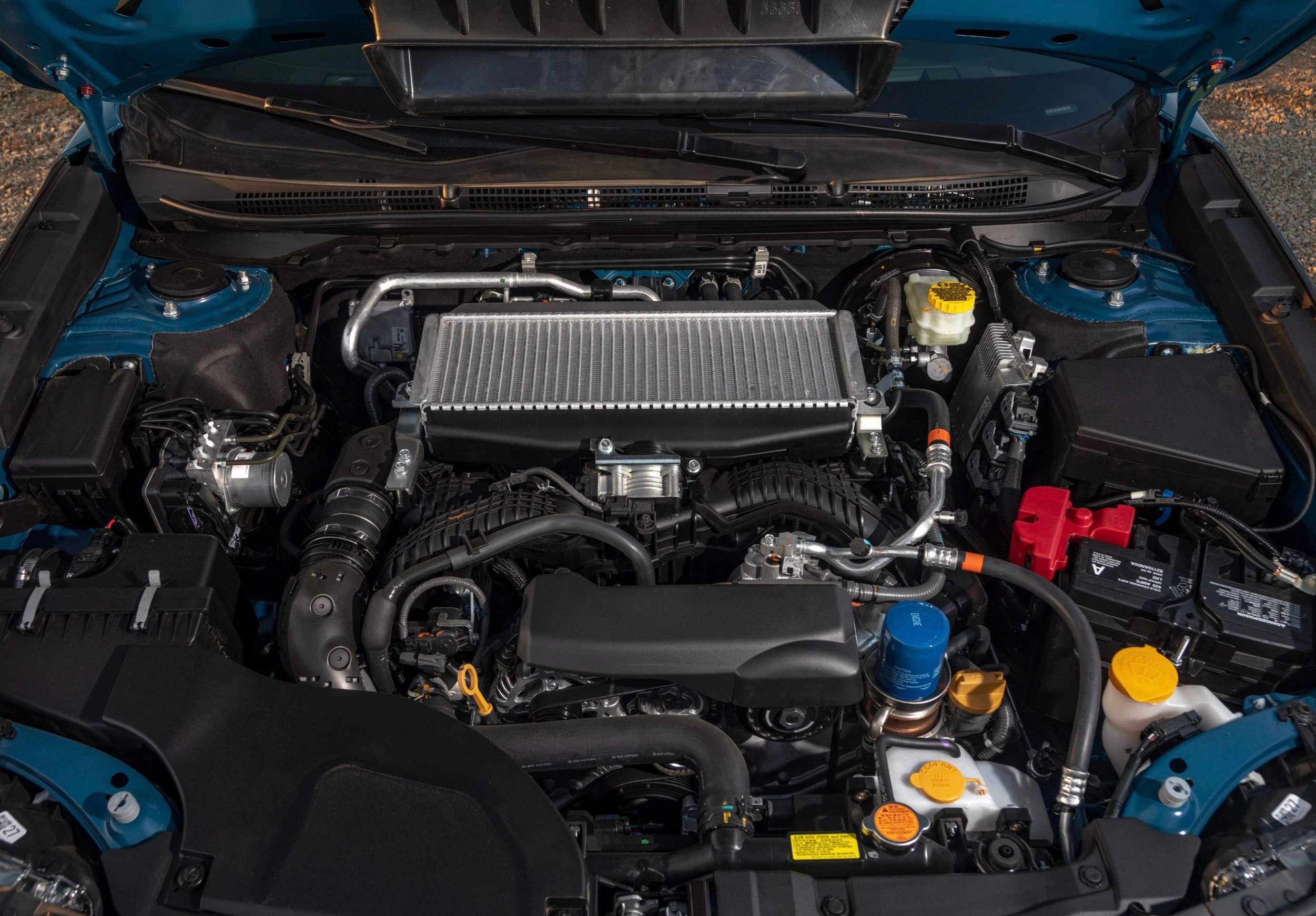
The 2019 Subaru Outback, like many vehicles in its generation, is susceptible to premature battery drain often caused by a combination of high parasitic electrical loads from advanced infotainment systems, telematics, and a known vulnerability in the factory-installed battery’s reserve capacity. Most owners can mitigate this by ensuring software updates are applied, checking for parasitic draws, and upgrading to a high-capacity AGM battery.
Understanding the 2019 Subaru Outback Electrical Architecture
The 2019 Subaru Outback represents a sophisticated integration of mechanical reliability and complex electronic systems. Because this model year utilizes an extensive array of sensors, an "always-on" telematics system (STARLINK), and a multi-media interface, the vehicle’s electrical demand does not cease the moment the engine is turned off.
In a standard vehicle, a battery’s primary role is to start the engine. In the 2019 Outback, however, the battery serves as a continuous power reservoir for various control modules that enter "sleep modes" at different intervals. If one of these modules fails to enter its deep-sleep state, it continues to draw current, leading to a condition known as a parasitic battery drain. Over several days of inactivity, this steady draw can deplete the battery below the threshold required to crank the engine, leaving the owner with a "dead" vehicle.
The Role of Subaru STARLINK and Telematics
One of the most frequently cited contributors to battery discharge in the 2019 model year is the Subaru STARLINK connected services system. This system requires a constant cellular connection to communicate with the vehicle's diagnostic and safety features.
If the telematics control module experiences a software glitch, it may remain in a high-power state, constantly pinging cellular towers or searching for a data connection. Because this system is integrated into the vehicle's Controller Area Network (CAN bus), it can prevent other modules from powering down, effectively creating a "domino effect" of electrical consumption. Owners who notice their battery failing frequently when the vehicle sits for more than 48 hours should suspect this module first.
Factory Battery Limitations: Why OEM Replacements Often Fail
Subaru, like many automotive manufacturers, sources batteries based on a balance of cost, weight, and cold-cranking amperage (CCA) requirements. The original equipment manufacturer (OEM) battery installed in the 2019 Outback is often criticized for having a relatively low reserve capacity.
Reserve capacity (RC) is arguably more important than CCA for modern vehicles; it measures how many minutes a battery can supply a constant current at a specific temperature before the voltage drops below a functional level. When the electronic demands of the vehicle are paired with a battery that has a low RC, the margin for error is razor-thin. If the battery is aged or subjected to extreme climate shifts, its ability to hold a charge diminishes rapidly, leading to the impression that the car has an "electrical fault" when, in reality, the battery simply lacks the capacity to handle the baseline parasitic load.
Diagnosing Parasitic Battery Drain: Step-by-Step
Before investing in expensive repairs or diagnostic hours at a dealership, it is essential to verify if you have an active parasitic draw or a simple battery failure.
- Verify the Battery Health: Take your vehicle to a local auto parts store that offers free load testing. A battery that passes a voltage check may still fail a load test. If the battery is more than three years old, it is statistically likely that it is simply reaching the end of its functional life.
- The Multimeter Test: With the car turned off, doors locked, and the vehicle in "sleep" mode (wait at least 20 minutes after shutting off the engine), set a digital multimeter to measure DC Amperage. Disconnect the negative battery terminal and place the multimeter in series between the negative terminal and the battery cable.
- Analyze the Readings: A healthy 2019 Outback should typically show a parasitic draw of less than 50 milliamperes (0.05 amps) once the car’s modules are fully asleep. Anything significantly higher indicates a component is staying powered on.
- Isolate the Source: If a high draw is confirmed, pull the fuses one by one in the internal and engine bay fuse boxes while watching the multimeter. When the amperage reading drops sharply, you have identified the circuit responsible for the drain.
Comparison of Battery Types for the 2019 Outback
When it is time to replace your battery, choosing the right chemistry can significantly reduce the likelihood of future drain issues.
| Battery Type | Benefits | Drawbacks | Best Use Case |
|---|---|---|---|
| Flooded Lead-Acid | Lowest cost; widely available. | Lower reserve capacity; prone to sulfation. | Short-term fixes; budget constraints. |
| AGM (Absorbent Glass Mat) | Higher reserve capacity; vibration resistant; better depth of discharge. | Higher initial cost; heavier. | Daily drivers; vehicles with high electronic loads. |
| Lithium Iron Phosphate | Extremely lightweight; holds charge for months. | Extremely expensive; requires specific charging profile. | Performance or long-term vehicle storage. |
For the 2019 Subaru Outback, an AGM battery is highly recommended. The chemistry within an AGM battery allows it to handle the deeper discharge cycles common with the infotainment and telematics systems of this generation of Subaru vehicles.
Common Mistakes to Avoid
Many owners attempt to solve battery drain issues with temporary fixes that lead to long-term headaches. Avoid these common errors:
- Using a Battery Tender on a Failing Battery: While a trickle charger or maintainer is excellent for vehicles that sit for long periods, it cannot "fix" a battery with a shorted cell. If your battery fails the load test, a maintainer will only delay the inevitable failure.
- Ignoring Software Recalls: Subaru has issued technical service bulletins (TSBs) in the past regarding software updates for the infotainment head unit. These updates often address power-down logic errors. Check your VIN against the official Subaru Recall portal to ensure you aren't missing a manufacturer-provided software patch.
- Adding Aftermarket Electronics: Dash cameras, aftermarket remote starters, or radar detectors hardwired into the vehicle’s ignition system can sometimes fail to shut down properly. If you have installed these, they are the first items you should disconnect when troubleshooting a sudden onset of battery drain.
Next Actions and Professional Guidance
If you have confirmed your battery is healthy but the drain persists, the issue likely resides in a faulty control module or an unpatched software version.
Recommended Action Plan:
- Update Firmware: Contact your local dealership to verify if your vehicle's head unit firmware is up to date. This is often the most cost-effective solution for persistent drains related to the infotainment system.
- Upgrade to AGM: If you are still using the factory-spec battery, upgrade to a high-quality AGM battery with a higher reserve capacity rating (RC) than the original.
- Professional Diagnostic: If you do not have experience with electrical diagnostics, take the vehicle to a qualified independent mechanic or dealer. Request a "parasitic draw test" specifically. Do not simply ask them to "check the battery," as they may only perform a basic voltage test and report that the system is fine.
Disclaimer: Automotive electrical systems involve high-current components that can cause injury or damage if handled incorrectly. If you are uncomfortable working with multimeters or automotive electrical circuits, please consult a certified technician.
Frequently Asked Questions
Why does my 2019 Subaru Outback battery die after just a few days? This is typically due to a combination of high parasitic loads from the STARLINK telematics system and a battery with insufficient reserve capacity. When the vehicle does not enter its intended "sleep" state, the battery is slowly drained by active electronic modules.
Does a firmware update actually fix battery issues? Yes, in many cases. Subaru has released several updates for the multimedia head unit to address issues where the system fails to enter a power-saving mode when the ignition is turned off. Ensuring your software is current is a critical step.
Is it safe to drive with a battery that frequently loses charge? It is not recommended. Repeatedly discharging a lead-acid battery completely, known as "deep cycling," causes permanent chemical damage to the internal plates, which will drastically shorten the lifespan of the battery and may eventually cause it to fail to start the car, even after a jump-start.
Will an aftermarket dashcam cause battery drain? Yes, if it is hardwired into a constant power source. Even if the camera itself is off, the adapter or the camera's internal parking mode sensors can draw enough current to kill a weak battery over several days. Use a switched power source for dashcams whenever possible.
What is the "reserve capacity" and why does it matter? Reserve capacity is the number of minutes a battery can provide 25 amps of current before its voltage falls below 10.5 volts. Because the 2019 Outback has significant "background" electronics, a battery with high reserve capacity can keep those systems running longer without the car being driven.