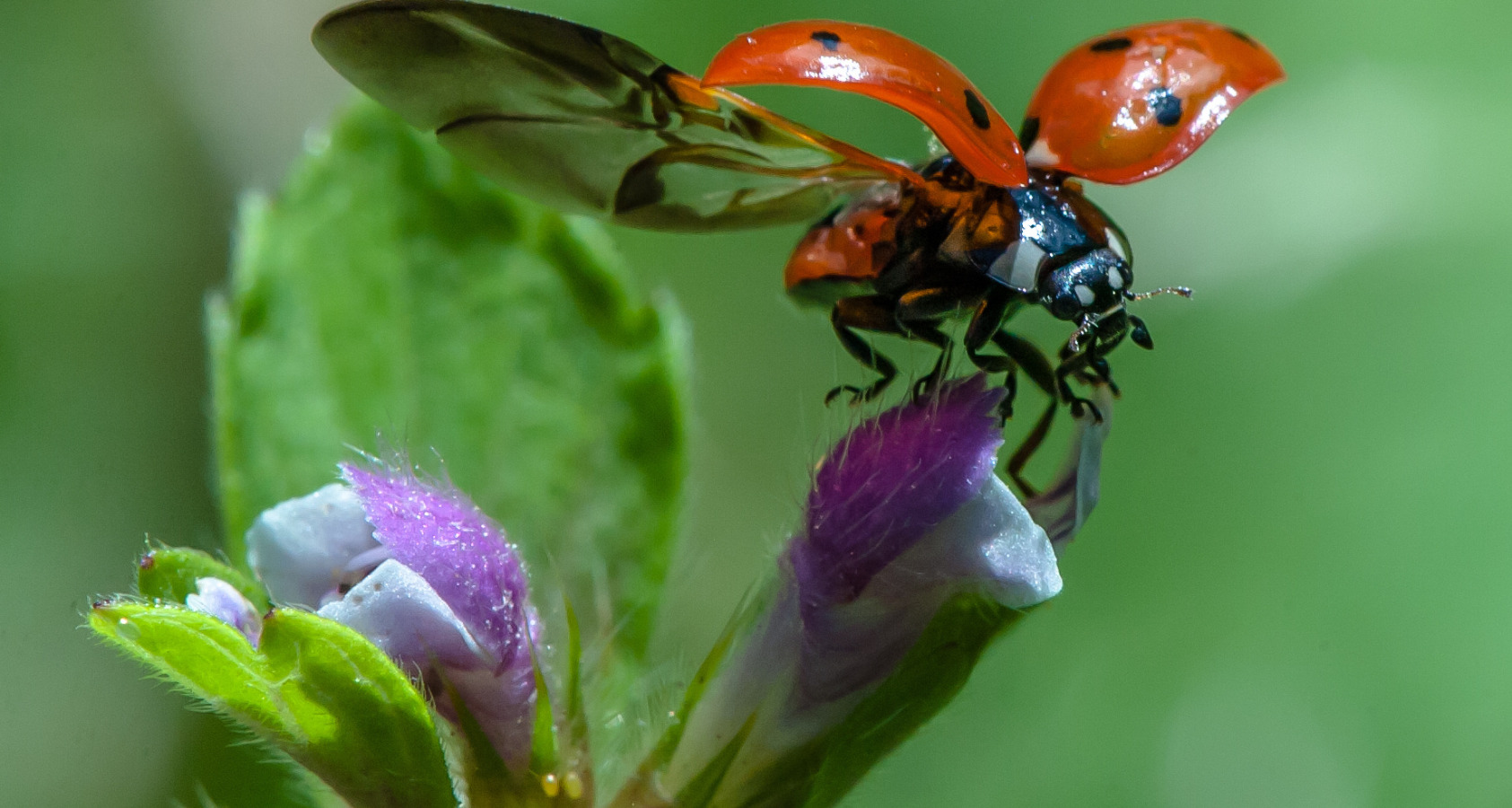
Concerns regarding whether orange ladybugs—specifically the invasive multicolored Asian lady beetle—are poisonous to dogs are common among pet owners. Generally, these beetles are not considered lethal to dogs, but they can cause significant mouth and throat irritation, potential gastrointestinal distress, and, in rare instances, require veterinary intervention due to their chemical defense mechanisms.
Identifying the Orange Ladybug: The Multicolored Asian Lady Beetle
The "orange ladybug" that frequently causes concern is usually not a native species but rather the Harmonia axyridis, commonly known as the multicolored Asian lady beetle. Unlike native ladybugs that are typically bright red with distinct black spots, the Asian lady beetle varies significantly in color, ranging from yellow and orange to deep red or black.
These beetles were introduced to North America for agricultural pest control, specifically to manage aphid populations. Because they thrive in various environments, they have become highly successful at colonizing residential areas, particularly during the autumn months when they seek warm, sheltered spaces to overwinter. This behavioral trait—gathering in large numbers on exterior walls and finding ways into homes—is precisely why pet owners encounter them more frequently than native species.
The Mechanism of Toxicity
The primary reason for the concern surrounding these beetles is their chemical defense mechanism known as "reflex bleeding." When threatened or injured, the lady beetle secretes a foul-smelling, yellow-tinted fluid from its leg joints. This fluid contains hemolymph, which consists of compounds such as alkaloids, specifically harmonine.
When a dog bites or attempts to ingest a live beetle, this fluid is released directly into the dog's oral cavity. The chemicals are extremely bitter and caustic, intended by nature to deter predators. For a dog, this contact can lead to an immediate and distressing physical reaction. While the toxins are generally not concentrated enough to kill a dog, they are potent enough to cause localized chemical burns on the sensitive tissues of the mouth, tongue, and esophagus.
Clinical Signs of Exposure
If your dog has ingested or attempted to bite into a mass of these beetles, you may notice several immediate signs. Understanding these symptoms is critical for determining whether home monitoring is sufficient or if professional medical help is required.
- Excessive Drooling (Ptyalism): This is the most common immediate reaction. The bitter taste and the caustic nature of the fluid cause the dog to salivate profusely as they attempt to flush the substance from their mouth.
- Pawing at the Mouth: Dogs may exhibit signs of discomfort by pawing at their face or shaking their heads, indicating that the mouth tissues are irritated.
- Vomiting or Regurgitation: If the beetle is swallowed, the stomach lining may be irritated. You may see the dog retch or vomit shortly after the event.
- Redness or Lesions: If the beetle becomes stuck to the roof of the mouth or the tongue, the chemical burn can cause red, raw-looking patches. In severe cases, these can appear as small ulcerations.
- Lethargy or Behavioral Changes: While less common, some dogs may act uncharacteristically quiet or withdrawn due to the localized pain.
Risk Factors and Severity
Not every encounter with an orange ladybug leads to a veterinary emergency. The severity of the reaction is largely determined by the number of beetles involved and the sensitivity of the individual dog.
A single beetle usually results in minor drooling that passes within a short period. However, if a dog encounters a large cluster—which often happens in window frames, door crevices, or under porch furniture—the dose of chemicals is significantly higher.
Smaller dogs, or those with underlying health conditions, may be more sensitive to the chemical exposure. Additionally, there is a physical risk factor: the beetles can sometimes attach themselves to the soft tissue of the palate. If left there, they can cause persistent irritation and localized tissue damage until removed.
Comparative Risk: Native vs. Invasive
It is helpful for pet owners to distinguish between species, though the safest approach remains preventing contact with all beetles.
| Feature | Native Ladybugs | Multicolored Asian Lady Beetle |
|---|---|---|
| Coloration | Typically bright red/orange | Highly variable (yellow, orange, red, black) |
| Behavior | Primarily solitary/small groups | Form massive overwintering clusters |
| Defense | Mild reflex bleeding | Intense reflex bleeding |
| Risk to Dogs | Usually negligible | Potential for chemical burns/irritation |
Immediate Actions and First Aid
If you suspect your dog has been exposed to these beetles, the first priority is to stop the exposure and limit the damage from the chemicals.
- Remove the Beetle: Use a flashlight to inspect your dog's mouth. If you see a beetle attached to the tongue or the roof of the mouth, carefully remove it using tweezers or a gloved hand. Do not force it if it is deeply embedded; proceed to the vet.
- Rinse the Mouth: If your dog will tolerate it, use a syringe or a spray bottle with cool, clean water to flush their mouth. This helps dilute and wash away the caustic hemolymph.
- Monitor for Distress: Watch for respiratory distress, extreme swelling of the tongue, or continuous vomiting. These are signs that the reaction has moved beyond mild oral irritation.
- Keep Hydrated: Ensure your dog has access to fresh water. If the dog is hesitant to drink due to oral pain, contact your veterinarian for advice on how to keep them hydrated.
When to Seek Veterinary Care
While most cases of orange ladybug ingestion resolve on their own, there are specific "red flags" that necessitate professional care. If your dog experiences any of the following, contact a veterinarian immediately:
- Signs of Allergic Reaction: Facial swelling, hives, or difficulty breathing.
- Refusal to Eat or Drink: If pain prevents your dog from consuming fluids for more than a few hours, the risk of dehydration increases.
- Continuous Vomiting: If vomiting persists after the initial incident, it may indicate a deeper gastrointestinal issue.
- Behavioral Distress: If the dog seems to be in significant pain or shows signs of shock, do not wait for the symptoms to pass.
Veterinarians typically treat this exposure with supportive care. This may include rinsing the mouth with specialized solutions, administering anti-nausea medication, or, in rare cases of severe ulceration, prescribing pain management or antibiotics if the tissue damage has caused a secondary infection.
Prevention and Household Management
In 2026, the best approach to managing this concern is proactive pest management. Because these beetles seek warm, protected environments during the cooler months, you can significantly reduce the risk to your pets by "pest-proofing" your home.
- Seal Entry Points: Check screens, window seals, and door sweeps. Small gaps are all the beetles need to congregate inside your home.
- Outdoor Maintenance: Clear debris, such as piles of leaves or wood, away from the exterior of the home, as these can harbor clusters of beetles.
- Light Deterrence: Beetles are attracted to light, particularly during the evening. If you have outdoor lights near doorways, consider using yellow "bug lights" which are less attractive to insects, or keep doors closed during peak beetle activity.
- Supervision: During seasons where beetle activity is high (typically autumn), supervise your dog in areas where clusters are known to form. If you notice a "carpet" of beetles on your patio or porch, keep your dog away from that area until the beetles move on.
Frequently Asked Questions
Can these beetles kill my dog? It is extremely rare for the ingestion of multicolored Asian lady beetles to be fatal. The primary risk is oral discomfort and tissue irritation. However, any ingestion of an unusual substance should be monitored closely to ensure the dog does not have an idiosyncratic or allergic reaction.
What should I do if the beetle is stuck to the roof of my dog's mouth? If you can see the beetle, you may attempt to remove it with tweezers. If it is firmly attached or the dog is struggling or in significant pain, do not attempt to pry it off forcefully. Take the dog to a veterinary clinic where it can be removed safely, possibly with light sedation to reduce stress.
Will my dog learn to avoid them after one bad experience? Most dogs will develop an aversion to the beetles after a negative experience because of the intense, bitter taste of the hemolymph. However, curious puppies or dogs with a high prey drive may not immediately associate the insect with the pain, so continued vigilance is necessary.
Are these beetles a danger to other pets, like cats? Yes, cats can also experience irritation from the beetles. However, cats are generally more selective about what they eat and are less likely to consume large numbers of insects compared to dogs, making incidents less common in felines.
Should I use pesticides to remove them? The use of pesticides inside the home near pets carries its own risks. It is far safer to focus on mechanical removal—using a vacuum cleaner to suck up clusters—and sealing the house to prevent entry, rather than relying on chemical sprays that could be toxic to your dog.
Conclusion
While finding orange ladybugs in your home is certainly an annoyance, the danger they pose to your dog is manageable. By understanding that these insects use a bitter, caustic fluid to defend themselves, you can take steps to prevent your dog from coming into contact with them. Focus on keeping your home sealed against their entry and monitoring your pet during outdoor play. If your dog does have an unfortunate encounter, immediate flushing of the mouth and observant home care will likely be all that is needed to help your companion recover.