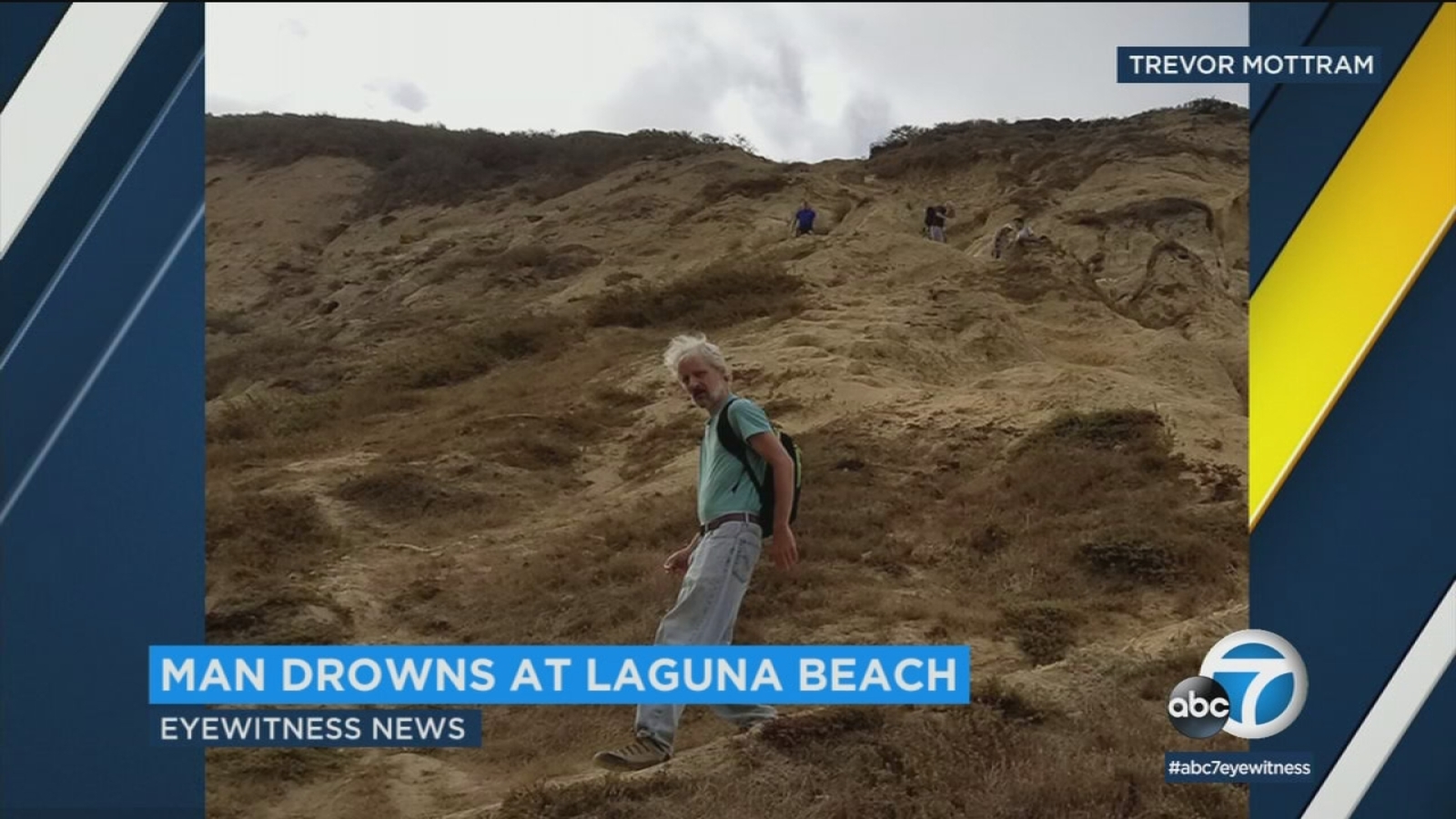
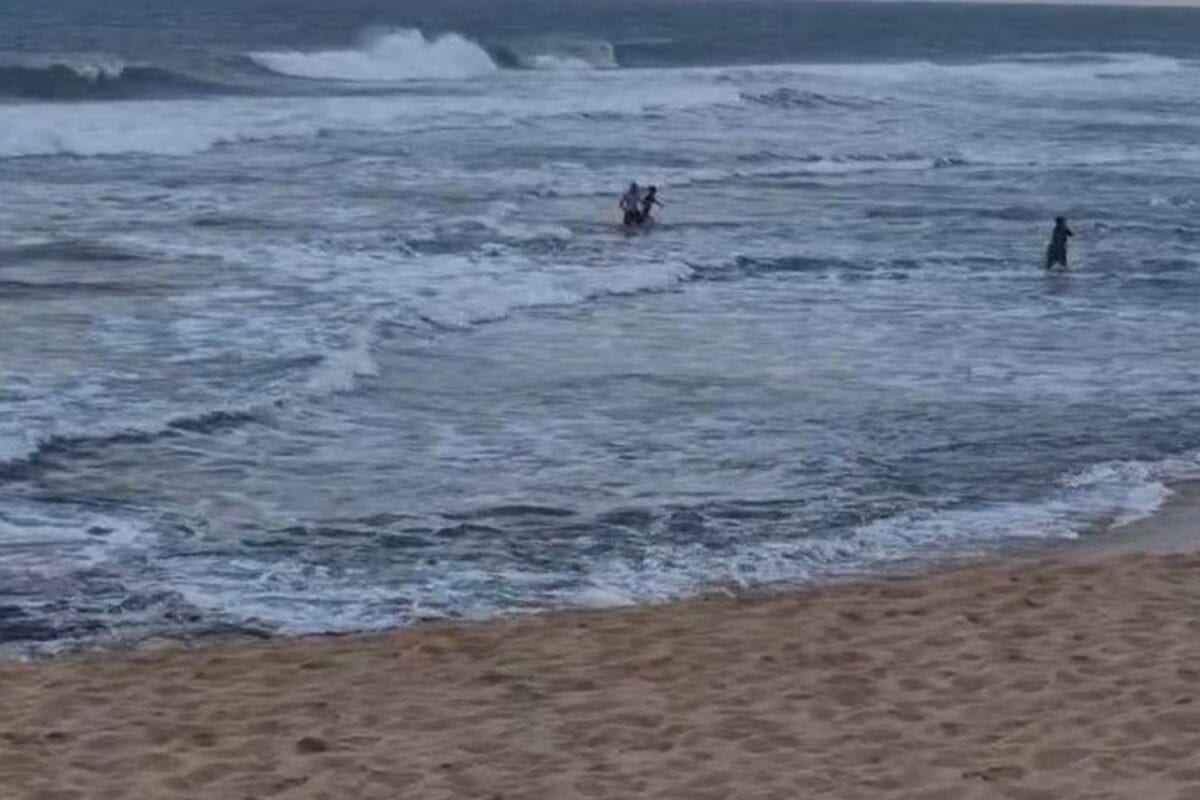
A drowning at Laguna Beach is a preventable tragedy that often results from a combination of powerful shorebreaks, unpredictable rip currents, and a lack of familiarity with the area’s unique coastal topography. To stay safe, visitors must swim near a staffed lifeguard tower, strictly follow the colored flag warning system, and understand how to escape a rip current by swimming parallel to the shoreline rather than against the flow.
Laguna Beach is renowned for its seven miles of picturesque coastline, characterized by hidden coves, dramatic cliffs, and crystal-clear waters. However, these same features create complex marine environments that can challenge even experienced swimmers. In 2026, as coastal tourism continues to rise, the Laguna Beach Marine Safety Department remains the primary authority in managing these risks. Understanding the specific mechanics of the local waters is the first step in ensuring that a day at the beach does not turn into an emergency.
The Geography of Risk: Laguna Beach’s Unique Coastal Shelf
Unlike the long, flat stretches of sand found in neighboring cities like Huntington Beach or Newport Beach, Laguna Beach is composed of more than 30 distinct coves and beaches. This geological diversity creates localized hazards that vary significantly from one beach to the next.
Rocky Outcroppings and Point Rips
The rocky points that define coves like Shaw’s Cove or Fisherman’s Cove act as barriers to longshore currents. When water moves along the coast and hits these rocks, it is forced outward toward the open ocean, creating what is known as a "point rip." These currents are often permanent or semi-permanent and are a leading cause of drownings among those who swim too close to the rocks to view marine life.
Deep Water Channels
Laguna’s underwater topography includes sudden drop-offs. At beaches like Aliso Beach, the seafloor transitions rapidly from shallow to deep. This sudden change in depth contributes to heavy shorebreaks, where waves break directly on the sand with immense force. Swimmers can be knocked unconscious or suffer spinal injuries, leading to secondary drowning if they are unable to keep their heads above water.
Primary Causes of Water Emergencies in Laguna Beach
To prevent a drowning, one must recognize the environmental factors that most frequently lead to distress. Statistics from the Orange County Fire Authority (OCFA) and local marine safety records consistently point to three primary culprits: rip currents, shorebreaks, and medical emergencies exacerbated by cold water.
The Mechanics of Rip Currents
Rip currents are powerful, narrow channels of fast-moving water that flow from the shore to the sea. They do not pull people underwater; rather, they pull them away from the shore. Drowning occurs when the swimmer panics and attempts to swim directly back to land against the current, leading to total physical exhaustion.
In Laguna, rip currents often form near the center of coves or adjacent to rocky points. On high-surf days, these "necks" of the current can move at speeds of up to eight feet per second—faster than an Olympic swimmer.
Shorebreak Hazards at Aliso and West Street
A shorebreak occurs when waves break directly on the beach rather than offshore. Aliso Beach is world-famous for its shorebreak, attracting professional skimboarders, but it is also one of the most dangerous spots for casual swimmers. The force of a breaking wave can pin a person to the seafloor. If the individual is stunned or injured by the impact, the receding water (backwash) can pull them into the next incoming wave, creating a cycle of submersion that leads to drowning.
Cold Water Shock and Hypothermia
Even in 2026, the Pacific Ocean off Southern California remains relatively cool, typically ranging from 58°F to 70°F. Sudden immersion in cold water can trigger the "gasp reflex," causing a person to involuntarily inhale water. For those with underlying cardiovascular conditions, the shock can trigger a cardiac event. Ensuring you are acclimated to the temperature before swimming far from shore is a critical safety measure.
The Role of the Laguna Beach Marine Safety Department
The prevention of drowning at Laguna Beach is a highly organized effort led by the Marine Safety Department. This agency is responsible for the safety of approximately 6 million annual visitors.
Lifeguard Towers and Staffing
Lifeguard towers are strategically placed across the city's major beaches. During the peak season in 2026, these towers are staffed from early morning until dusk. The presence of a lifeguard reduces the statistical likelihood of a drowning by over 80%. Lifeguards perform "preventative actions," such as whistling swimmers away from known rip currents before they become trapped.
The Warning Flag System
Every major beach entry point in Laguna Beach features a flag indicating the current water conditions. Ignoring these flags is a primary factor in many rescue situations.
| Flag Color | Hazard Level | Meaning and Recommended Action |
|---|---|---|
| Green | Low | Fairly calm conditions; exercise normal caution. |
| Yellow | Medium | Moderate surf and/or currents; only experienced swimmers should enter. |
| Red | High | Dangerous conditions; strong currents and high surf. Stay in shallow water. |
| Double Red | Extreme | Water is closed to the public; life-threatening conditions. |
| Purple | Marine Pests | Presence of jellyfish, stingrays, or other hazardous marine life. |
High-Risk Areas and "Danger Zones" in Laguna
While any body of water poses a risk, certain locations in Laguna Beach have a higher frequency of rescues and reported incidents due to their specific environmental conditions.
Thousand Steps Beach
Located in South Laguna, this beach is accessible via a steep staircase (which actually consists of 223 steps). Because of its relative seclusion and the presence of "The Pools" (rocky tide pools), visitors often venture into areas where the surf can suddenly surge. Large "sneaker waves" can wash individuals off the rocks and into deep, turbulent water.
Victoria Beach and the Pirate Tower
The area around the Victorian-era "Pirate Tower" is a popular photography spot. However, the rocks here are notoriously slippery and are frequently battered by heavy swells. Drownings in this area often occur when people are swept off the rocks while posing for photos, often during a rising tide when the escape routes back to the sand become submerged.
Main Beach
As the most central and crowded beach, Main Beach sees the highest volume of swimmers. The proximity of the boardwalk to the water sometimes gives visitors a false sense of security. The "Main Beach Rip" is a well-known current that forms near the mouth of the Laguna Canyon Channel after heavy rains, which can catch unsuspecting tourists off guard.
Prevention and Survival Strategies
If you find yourself or someone else in a life-threatening situation in the water, following established survival protocols can be the difference between life and death.
How to Escape a Rip Current
- Stay Calm: Panic leads to rapid breathing and exhaustion. Float on your back to conserve energy.
- Do Not Swim to Shore: Do not attempt to swim straight back to the beach against the current.
- Swim Parallel: Swim along the shoreline (sideways) until you feel the pull of the current weaken.
- Use the Waves: Once out of the rip, use the incoming waves to help push you back toward the sand.
- Signal for Help: If you cannot escape, face the shore, wave your arms, and yell for a lifeguard.
Assisting a Drowning Victim
If you witness someone struggling at Laguna Beach, your first action should be to alert a lifeguard or call 911. Do not attempt a "dry" rescue (entering the water yourself) unless you are a trained professional. Many double-drownings occur when a well-intentioned bystander attempts to save someone and becomes a victim themselves.
- Reach or Throw, Don't Go: If the victim is close to a pier or rocks, try to reach them with a long object or throw a flotation device.
- Keep Eyes on the Victim: In the surf, it is incredibly easy to lose sight of a head bobbing in the water. Designate one person to stand on the shore and never take their eyes off the victim's location, pointing at them constantly to guide rescuers.
Legal and Safety Regulations (2026 Update)
The City of Laguna Beach maintains strict ordinances to manage water safety and prevent accidents between different user groups.
- Designated Zones: During summer months, certain beaches are designated as "swimming only" or "surfing only." This prevents collisions that could lead to unconsciousness and drowning.
- Scuba and Snorkeling Requirements: Divers are often required to have a surface buoy or "diver down" flag in specific areas to ensure boaters and lifeguards can track their location.
- Alcohol Prohibitions: Alcohol consumption is strictly prohibited on all Laguna beaches. Alcohol impairs judgment, slows reaction times, and increases the risk of hypothermia—all significant contributors to drowning incidents.
For more information on current beach conditions, visitors should consult the Laguna Beach Marine Safety official website or check the daily surf reports provided by Surfline.
Frequently Asked Questions
What is the most dangerous beach in Laguna for drowning?
While "dangerous" is relative to conditions, Aliso Beach is often cited as the most hazardous for casual swimmers due to its powerful shorebreak and steep beach face. Thousand Steps Beach also sees frequent rescues due to its remote location and rocky terrain.
Are there lifeguards at every Laguna beach?
No. While major coves and popular spots like Main Beach, Aliso, and Treasure Island have year-round or seasonal staffing, some smaller, more remote coves may not have a permanent lifeguard tower. Always check the Laguna Beach Lifeguard staffing schedule before choosing a spot to swim.
Can you swim in Laguna Beach during a Red Flag warning?
A Red Flag indicates high hazards. While the water may not be officially "closed" (which is a Double Red Flag), the Marine Safety Department strongly advises that only highly experienced ocean swimmers enter the water. For the general public, a Red Flag means you should stay on the sand.
What should I do if I see someone drowning after lifeguard hours?
Immediately call 911. The Laguna Beach Police Department and the Orange County Fire Authority work with Marine Safety "on-call" officers to respond to after-hours emergencies. Provide the dispatcher with the nearest street address or beach access point name.
Why is the water so much rougher in Laguna than in Newport?
Laguna Beach faces more directly into certain swell windows and lacks the long, shallow continental shelf found further north. The deep water close to the shore allows wave energy to travel further without breaking, resulting in a more powerful impact when the wave finally hits the coast.
Practical Recommendations for Visitors
To ensure a safe experience at Laguna Beach in 2026, follow these expert-vetted steps:
- Check the Forecast: Before leaving, check the National Weather Service (NWS) Beach Hazards Statement for Orange County.
- Talk to a Lifeguard: When you arrive, find the nearest lifeguard and ask, "Are there any rips or holes I should know about today?" They provide the most accurate, real-time data.
- Never Swim Alone: Always use the buddy system. Having someone on the shore or in the water with you ensures that if an emergency happens, someone can immediately call for help.
- Know Your Limits: The ocean is not a swimming pool. If you are not a strong swimmer, stay waist-deep or less, and always keep your eyes on the horizon to spot incoming sets of waves.