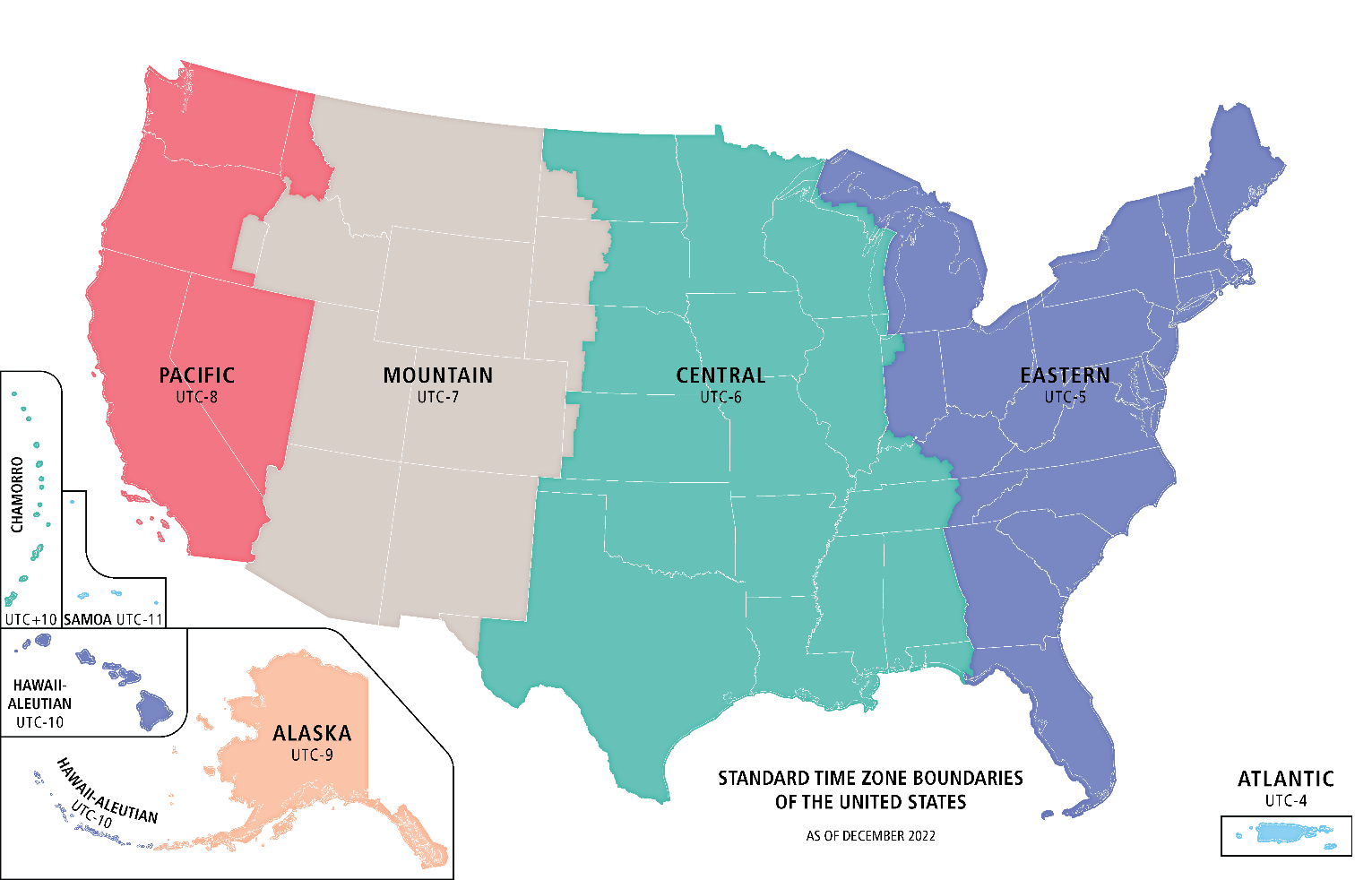
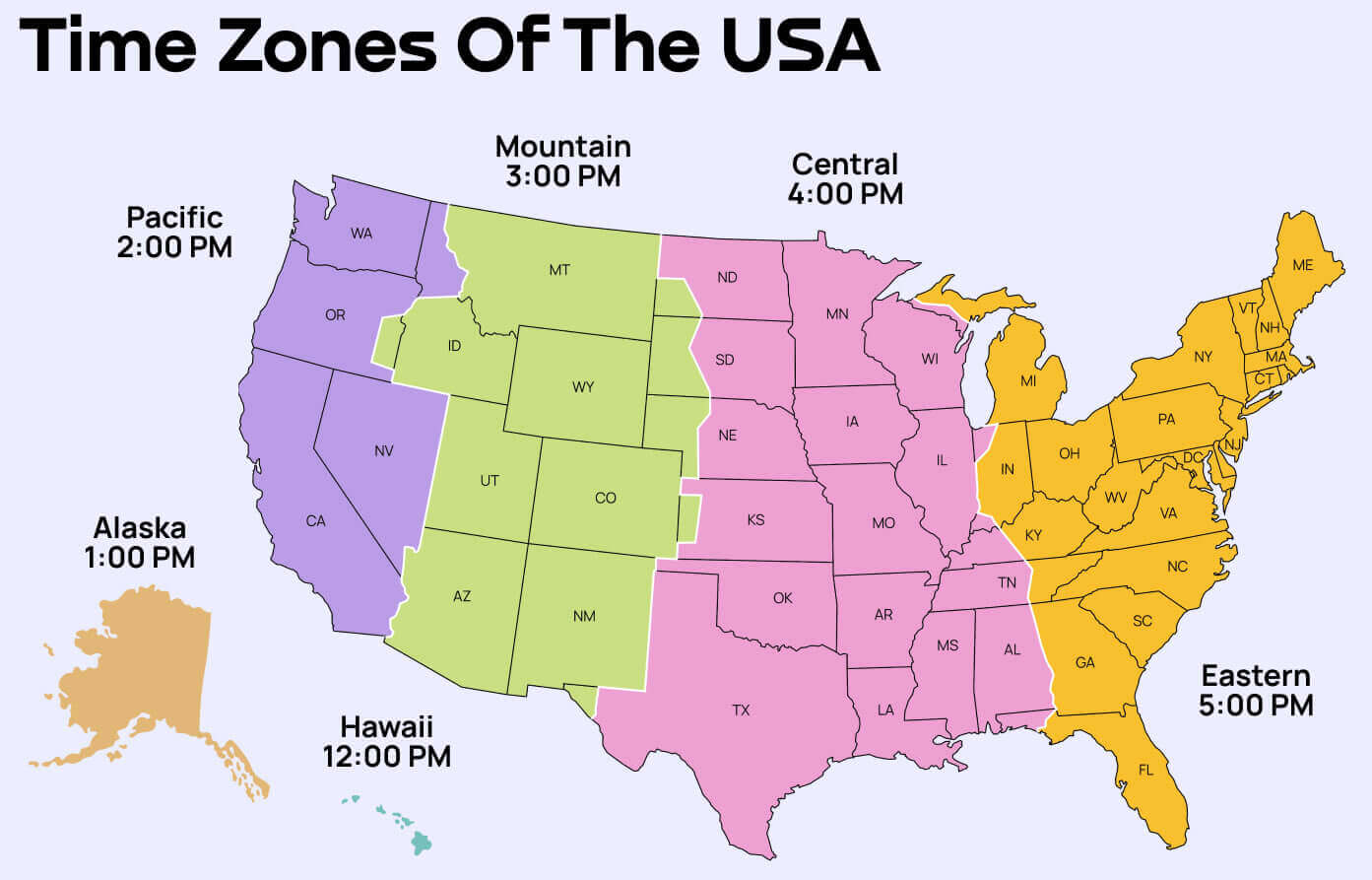
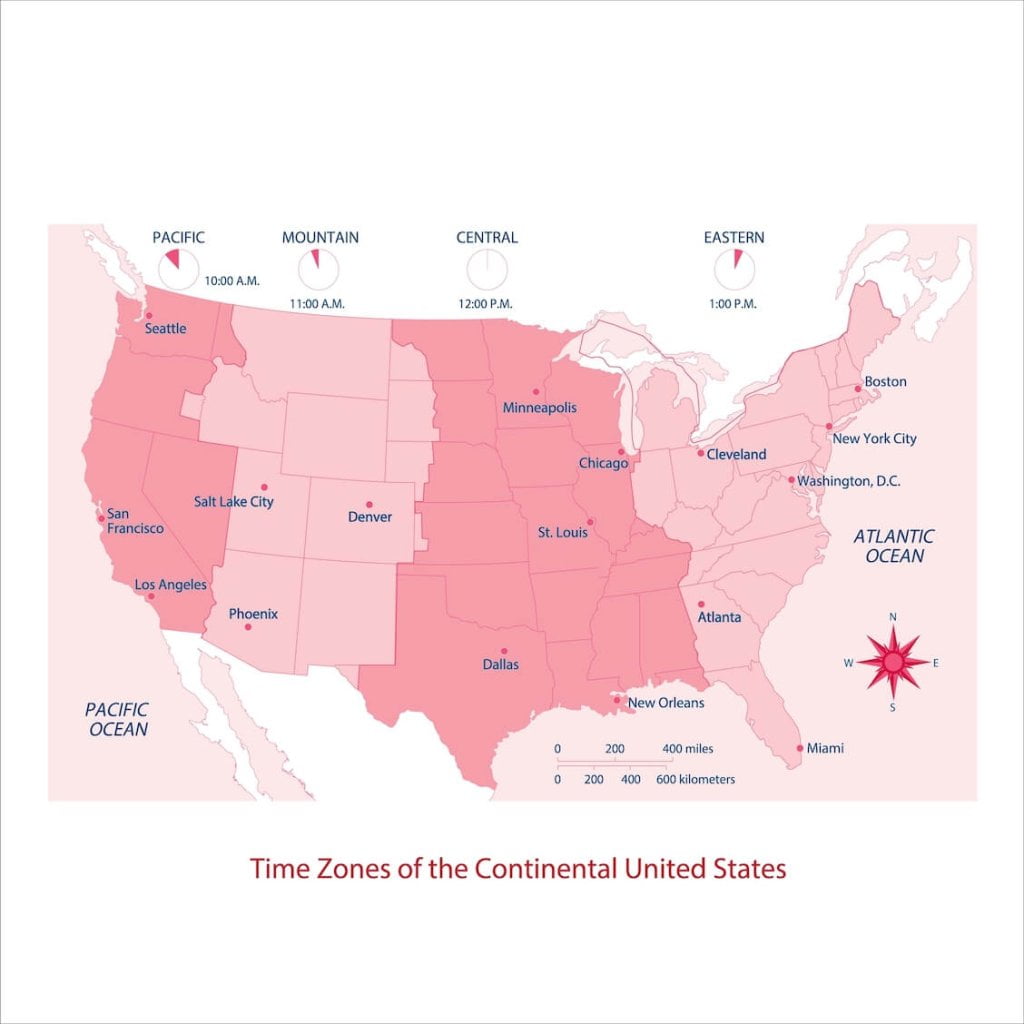
Atlanta, Georgia, is located within the Eastern Time Zone of the United States. It observes Eastern Standard Time (EST) during the winter and Eastern Daylight Time (EDT) during the spring, summer, and early autumn. This alignment places Atlanta in the same temporal bracket as other major East Coast hubs like New York City, Washington D.C., and Miami.
The geographic and administrative designation of Atlanta as an Eastern Time Zone city is more than just a matter of setting clocks; it is a fundamental pillar of the city’s identity as a global logistics hub, a media powerhouse, and a center for international commerce. As of 2026, the city continues to adhere to the federal standards established by the Uniform Time Act, ensuring that its residents and visitors remain synchronized with the rhythm of the American Eastern Seaboard.
The Geographic and Administrative Foundation of Eastern Time
The Eastern Time Zone (ET) is one of several time zones in North America, covering all or part of 23 states in the eastern part of the United States, parts of eastern Canada, and several countries in Central and South America. Atlanta sits at approximately 33.7490° N latitude and 84.3880° W longitude. While its longitudinal position is relatively far west within the Eastern Time boundary—flirting with the border of the Central Time Zone—it remains firmly under the jurisdiction of Eastern Time.
The Boundary of the Eastern and Central Zones
The line dividing the Eastern and Central Time Zones is not a straight longitudinal meridian. Instead, it follows a jagged path influenced by state lines, county borders, and economic interests. In the Southeast, this boundary runs along the western border of Georgia. Consequently, while Atlanta is only about 100 miles east of the Alabama state line, it operates an hour ahead of cities like Birmingham and Montgomery for most of the year.
This placement is significant for the state of Georgia. By remaining entirely within the Eastern Time Zone, the state maintains a unified schedule for government operations, judicial proceedings, and statewide commerce. For Atlanta specifically, being the "Capital of the South" requires constant communication with federal agencies in Washington D.C. and financial markets in New York, both of which share the same clock.
Navigating the Seasonal Shifts: EST vs. EDT in 2026
In 2026, Atlanta continues the long-standing tradition of observing Daylight Saving Time (DST). This practice involves shifting the clocks forward by one hour in the spring and back by one hour in the autumn. The primary goal of this shift is to make better use of daylight during the evening hours of the warmer months, which is particularly relevant in a city known for its outdoor festivals, professional sports, and "Hotlanta" summer climate.
2026 Time Change Schedule
For the current year of 2026, the transitions are scheduled as follows:
- Spring Forward: On Sunday, March 8, 2026, at 2:00 AM, clocks move forward to 3:00 AM. Atlanta transitions from Eastern Standard Time (UTC-5) to Eastern Daylight Time (UTC-4).
- Fall Back: On Sunday, November 1, 2026, at 2:00 AM, clocks move back to 1:00 AM. Atlanta returns to Eastern Standard Time (UTC-5).
The transition to Eastern Daylight Time in March results in later sunrises but provides an extra hour of light in the evening. Conversely, the return to Eastern Standard Time in November ensures that children heading to school and commuters starting their day have access to early morning sunlight, though the sun sets significantly earlier in the afternoon.
The Impact of the 75th Meridian
Eastern Standard Time is technically defined by the mean solar time of the 75th meridian west of Greenwich. Because Atlanta is located further west (near the 84th meridian), solar noon in Atlanta actually occurs later than it does in cities like Philadelphia or New York. This geographic "lag" within the zone means that Atlanta enjoys some of the latest sunsets in the Eastern Time Zone, especially during the height of summer in June and July.
Atlanta as a Global Logistics and Travel Hub
The fact that Atlanta belongs to the Eastern Time Zone is a critical factor for Hartsfield-Jackson Atlanta International Airport (ATL). As one of the busiest airports in the world, ATL serves as a primary connecting point for domestic and international flights. Maintaining synchronization with the Eastern Time Zone is vital for several reasons:
- Connecting Flight Windows: Most major domestic airlines utilize "hub and spoke" models. Atlanta’s position in the Eastern Time Zone allows it to efficiently bridge the gap between European arrivals (which typically land in the afternoon ET) and departures heading to the Western United States.
- Business Travel Productivity: Business travelers moving between Atlanta, New York, Boston, and Charlotte do not need to adjust their internal clocks or reschedule digital meetings, facilitating a seamless flow of professional activity along the East Coast.
- Freight and Cargo: For logistics giants like UPS (which has a major presence in Georgia), time zone consistency is essential for "next-day" delivery guarantees. The Eastern Time Zone covers nearly half of the U.S. population, making Atlanta an ideal headquarters for distribution.
Comparisons with Other Major Cities
To better understand where Atlanta stands in the global and domestic temporal landscape, it is helpful to compare its offset with other major metropolitan areas.
| City | Time Zone | Standard Offset (Winter) | Daylight Offset (Summer) |
|---|---|---|---|
| Atlanta, GA | Eastern | UTC -5 | UTC -4 |
| New York, NY | Eastern | UTC -5 | UTC -4 |
| Chicago, IL | Central | UTC -6 | UTC -5 |
| Denver, CO | Mountain | UTC -7 | UTC -6 |
| Los Angeles, CA | Pacific | UTC -8 | UTC -7 |
| London, UK | GMT / BST | UTC +0 | UTC +1 |
| Tokyo, JP | JST | UTC +9 | UTC +9 (No DST) |
As shown in the table, Atlanta remains perfectly synchronized with the financial and political centers of the U.S. East Coast. However, travelers heading just a few hours west into Alabama or Tennessee must be mindful of the one-hour "gain" as they enter the Central Time Zone.
The Legislative Context and the Future of Time in Georgia
While Atlanta currently follows the standard EST/EDT cycle, there has been significant legislative discussion regarding the permanence of these settings. Over the last several years, leading up to 2026, various bills have been introduced in the Georgia General Assembly and at the federal level (such as the Sunshine Protection Act) aimed at making Daylight Saving Time permanent.
Why Permanent DST?
Proponents in Georgia argue that permanent Daylight Saving Time would:
- Boost the Economy: More daylight in the evening encourages consumers to shop and dine out after work.
- Improve Public Safety: Studies suggest that more evening light can reduce certain types of crime and decrease the frequency of vehicle-pedestrian accidents during the evening rush hour.
- Health Benefits: Eliminating the twice-yearly "clock shock" may reduce the incidence of heart attacks and sleep disturbances associated with the time change.
Federal Hurdles
Despite state-level interest, Georgia cannot unilaterally switch to permanent Daylight Saving Time. Under the Uniform Time Act of 1966, states have the option to remain on Standard Time year-round (as Arizona and Hawaii do), but they do not currently have the authority to adopt permanent Daylight Saving Time without an act of Congress. Therefore, as of 2026, Atlanta continues to observe the traditional seasonal shifts mandated by federal law.
Practical Implications for Residents and Visitors
Understanding that Atlanta belongs to the Eastern Time Zone is essential for daily life and planning. Whether you are a resident or a visitor, several practical considerations come into play.
Scheduling and Communication
When scheduling conference calls or webinars, it is standard practice to refer to "Eastern Time" (ET) to avoid confusion between EST and EDT. For those working remotely for companies based on the West Coast, Atlanta’s position means a three-hour "head start" on the workday, which often results in local employees finishing their day while their California colleagues are still in their mid-day meetings.
Digital Device Synchronization
In the modern era, most smartphones, computers, and smartwatches update automatically based on cellular or network time protocols (NTP). However, for those driving across state lines from Alabama (Central Time) into Georgia (Eastern Time), it is common for devices to "jump" an hour ahead. This is particularly relevant for those commuting to Atlanta from nearby border towns like Phenix City, Alabama (which often observes Eastern Time unofficially to stay in sync with Columbus, Georgia).
Broadcasting and Media
Atlanta is a major media market and home to the headquarters of CNN and Warner Bros. Discovery. Television programming in Atlanta follows the "Eastern/Central" schedule familiar to most Americans. "Prime Time" in Atlanta begins at 8:00 PM, whereas the same broadcast begins at 7:00 PM in the Central Time Zone. For sports fans, this means that "Monday Night Football" or late-night West Coast baseball games often end well after midnight in Atlanta.
Common Mistakes and Troubleshooting
Despite the relative simplicity of time zones, certain errors frequently occur when dealing with Atlanta's time.
- Confusing EST and EDT: Many people use "EST" as a generic term for Eastern Time year-round. However, if you are scheduling a meeting in July, using "EST" is technically incorrect and can lead to confusion with international partners who may take the "Standard" label literally. Using "ET" or "Atlanta Time" is safer.
- The Border Effect: Travelers driving on I-20 or I-85 from the west often forget the time jump. If you have a 3:00 PM appointment in Atlanta and you are leaving from Birmingham, you must account for both the 2.5-hour drive and the 1-hour time loss.
- International Coordination: For those coordinating with teams in Europe, the time difference is usually 5 hours during the summer and 6 hours during the winter. However, because the U.S. and Europe transition to and from Daylight Saving Time on different weekends, there are typically two weeks each year where the offset is atypical.
FAQ: Atlanta and the Eastern Time Zone
Does all of Georgia follow the same time zone as Atlanta?
Yes, the entire state of Georgia is located within the Eastern Time Zone. Unlike states like Tennessee, Kentucky, or Florida, which are split between two different time zones, Georgia maintains a single, unified time across all 159 counties. This prevents confusion for state government operations and intrastate travel.
Is Atlanta always 5 hours behind Greenwich Mean Time (GMT)?
No. Atlanta is 5 hours behind GMT (UTC-5) only during the winter months when Eastern Standard Time is in effect. During the summer months, when Eastern Daylight Time is in effect, Atlanta is 4 hours behind GMT (UTC-4).
What happens if I am in Atlanta during the "Spring Forward" weekend?
If you are in Atlanta on the second Sunday of March, you will "lose" an hour of sleep. At 2:00 AM, the time will immediately become 3:00 AM. Most digital devices will update automatically, but manual clocks, oven timers, and older car dashboards will require a manual adjustment.
Why does Atlanta stay in the Eastern Time Zone if it is so far west?
Atlanta’s inclusion in the Eastern Time Zone is primarily driven by economic and political ties to the East Coast. Being in the same zone as New York and Washington D.C. facilitates easier trade, communication, and travel, which outweighs the geographic reality of being closer to the Central Time meridian.
Does Atlanta observe any local exceptions to the time zone?
No, there are no local exceptions within the city limits of Atlanta or the surrounding metropolitan area. The city strictly follows the federal and state guidelines for Eastern Time.
Recommendation for Travelers and Businesses
For anyone doing business in or traveling to Atlanta in 2026, the best practice is to synchronize all digital calendars to "America/New_York" or "Eastern Time." If you are planning events near the March or November transition dates, double-check that your scheduling software has accounted for the one-hour shift to prevent missed appointments. For those traveling from the Central or Pacific zones, allow at least one day for your circadian rhythm to adjust, especially since Atlanta’s late summer sunsets can make it feel earlier than the clock suggests.