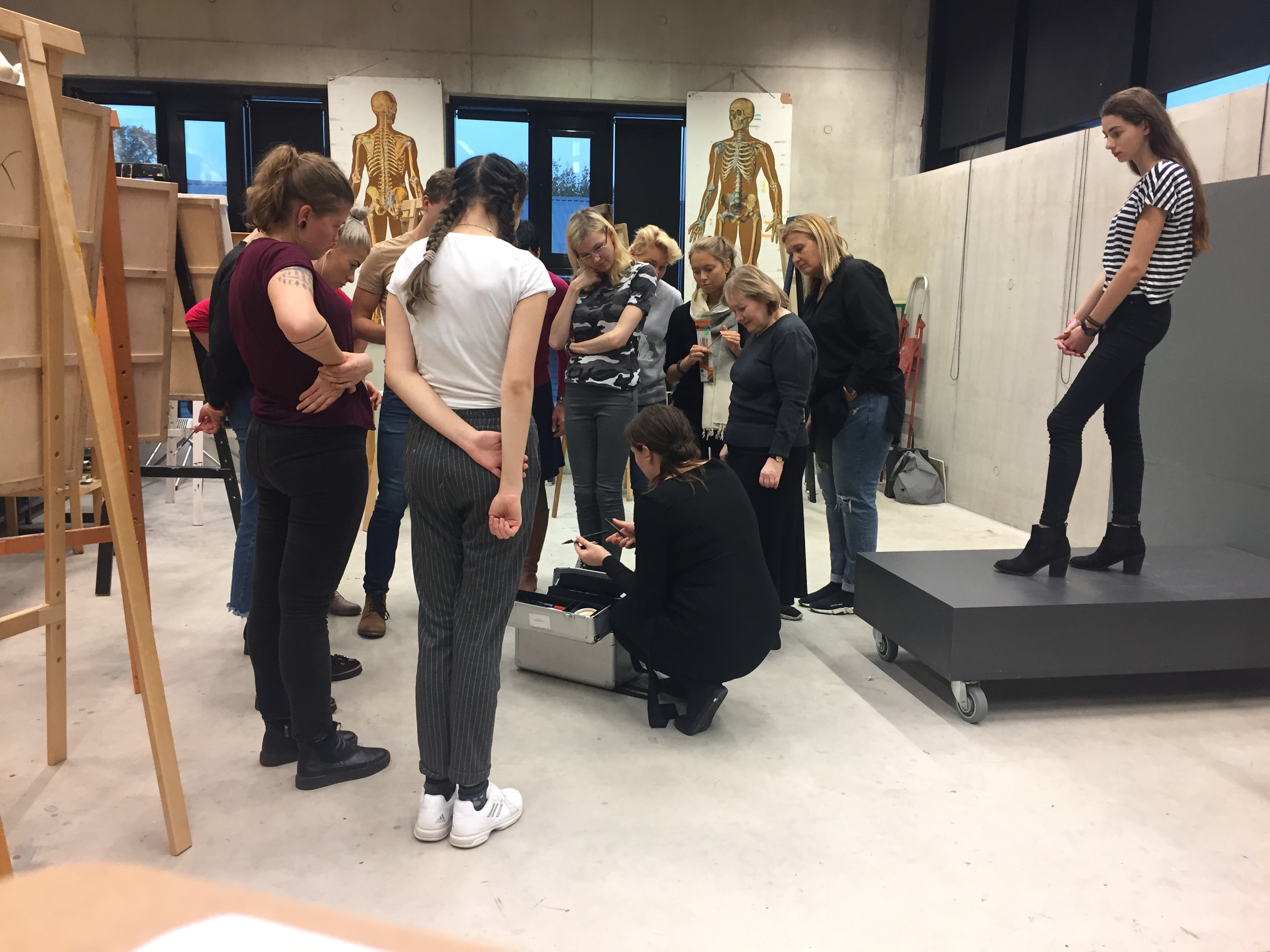
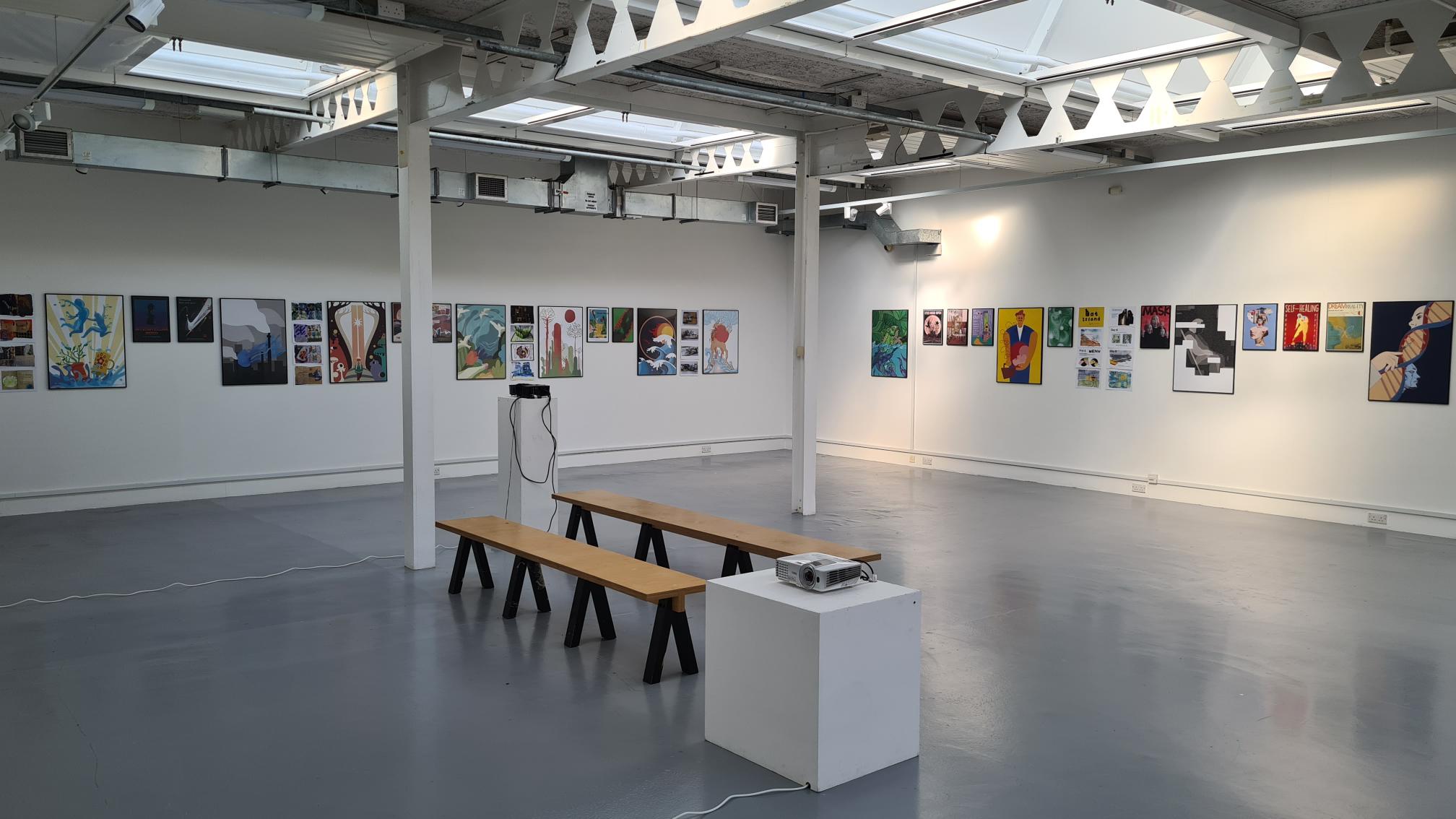
As of 2026, art research is fundamentally altering academic curricula by moving from a model of purely expressive practice to one defined by systematic inquiry, evidence-based methodologies, and cross-disciplinary knowledge production. This transition challenges traditional university structures, forcing institutions to integrate artistic modes of investigation into established research frameworks, thereby validating the arts as essential drivers of societal and technical innovation.
The Evolution of the Artistic Research Paradigm
For decades, the standard academic division separated "academic research"—typically associated with the empirical sciences and the humanities—from "creative practice," often siloed within fine arts departments. This binary constrained the potential of the arts within university settings. However, recent developments in doctoral education and grant-funding criteria have bridged this gap.
Artistic research—often termed practice-led research or arts-based research—is now recognized as a methodology where the creative process is not merely the outcome but the primary site of inquiry. In 2026, academic curricula are increasingly adopting "Research-Creation" models. In these environments, researchers treat the artwork as a form of "embodied knowledge," where theoretical frameworks, technical experimentation, and aesthetic outcomes are documented through rigorous peer-review processes similar to those in the sciences.
Drivers of Curricular Transformation
The shift toward research-integrated curricula is not merely theoretical; it is fueled by the changing requirements of the global knowledge economy. Universities are under pressure to demonstrate the societal "impact" of their research, leading to three primary catalysts for change:
1. Interdisciplinary Demand
Modern problems—such as climate change, algorithmic bias in generative AI, and urban displacement—require hybrid solutions. Art research has become a nexus point where designers, scientists, and social researchers collaborate to prototype solutions that prioritize human-centered experiences alongside technical functionality.
2. The Standardization of Doctoral Training
The global proliferation of "Practice-as-Research" (PaR) PhD programs has standardized how arts research is taught. By requiring students to produce a "critical component"—a written thesis that contextualizes, verifies, and analyzes the artistic output—universities have brought artistic inquiry into alignment with the rigors of traditional scholarship.
3. Funding and Institutional Audits
National funding councils and international research quality frameworks (such as the Research Excellence Framework in the UK) have increasingly included creative outputs as high-value research benchmarks. Consequently, departments must adapt their curricula to teach students how to navigate grant applications, IP management, and the documentation of creative processes to ensure their work meets institutional research standards.
Implementing Artistic Research in Degree Programs
Integrating art research into an academic curriculum requires more than adding a studio elective. It demands a structural rethinking of how students learn to conduct inquiry. The following table compares traditional studio-based curricula with contemporary research-integrated curricula.
| Feature | Traditional Studio Curriculum | Research-Integrated Curriculum |
|---|---|---|
| Primary Objective | Technical mastery and aesthetic output | Knowledge production and critical inquiry |
| Assessment | Final critique of the artwork | Defense of methodology and contribution to field |
| Documentation | Portfolio of finished work | Lab journals, process archives, and reflexive writing |
| Institutional Role | Independent creative endeavor | Collaborative, evidence-based research |
| Output Type | Single media work | Multimedia output with theoretical exegesis |
Prerequisites for Successful Integration
Academic institutions looking to pivot toward this model must ensure three core requirements are met:
- Infrastructure for Documentation: Providing digital and physical archives that allow students to capture the "process" of their research, not just the result.
- Methodological Literacy: Incorporating modules on research ethics, literature reviews, and philosophical frameworks that allow art students to articulate why their practice serves as a valid research methodology.
- Cross-Departmental Mentorship: Creating faculty structures that pair arts practitioners with advisors from outside their immediate discipline to ensure that "research-creation" projects maintain academic rigor.
Addressing Challenges and Common Misconceptions
Despite the progress observed in 2026, the transition is not without friction. One persistent challenge is the "incommensurability" debate: the question of whether subjective artistic experience can ever be effectively measured by objective academic standards.
The Problem of Verification
Critics often argue that artistic research lacks the repeatability found in scientific methods. However, proponents of the "Art-as-Research" movement argue that validity in the arts is found in transferability—the ability of one practitioner's methodology to inform and inspire the work of others. Educators are currently teaching students to use "reflective practice" as a validation tool, documenting their decision-making process so that future researchers can trace the logic of their artistic choices.
Resource Constraints
Adding a research component to arts curricula increases the cost of education. Universities must allocate funds for specialized equipment, research assistants, and the ethical boards required to oversee human-participant studies in art—a reality that was not historically a burden for fine arts departments.
Practical Steps for Educators and Institutions
For department heads and curriculum committees, the transition should be approached as a tiered process:
- Pilot Hybrid Modules: Start by introducing "Methodologies in Practice" seminars where students from both the arts and the social sciences work on a shared research prompt.
- Redefine Assessment Criteria: Develop rubrics that weight the creative outcome and the written critical analysis equally. Ensure students understand that the written component is not "support" for the art, but an extension of it.
- Formalize Intellectual Property Policies: As art research often involves collaboration and new technologies, clear policies on who owns the results of practice-led inquiries are essential to protect the student and the institution.
Frequently Asked Questions
What is the difference between artistic practice and artistic research? Artistic practice typically focuses on the creation of an aesthetic object or experience. Artistic research, however, treats that creation as a systematic inquiry into a specific problem, requiring the artist to document, reflect, and share the "how" and "why" behind the creative decisions to advance knowledge in their field.
Do art research degrees have the same professional value as traditional PhDs? Yes. In the current academic and cultural landscape, institutions of higher learning recognize practice-based doctorates as equivalent in status. These degrees are designed to qualify graduates for roles in academia, museum curation, and industrial research and development (R&D).
Is artistic research only applicable to fine arts programs? No. It is increasingly relevant in departments of architecture, design, digital media, and even public policy, where the tools of artistic inquiry are used to visualize complex data or engage communities in participatory research.
How is the quality of artistic research evaluated? Evaluation is typically conducted through a combination of peer review, public exhibitions, and an oral defense (viva voce). Evaluators look for originality, technical competence, and the degree to which the research has expanded the field's understanding of the subject matter.
What is a "Research-Creation" methodology? Research-creation is a specific framework where the creation of the work and the development of theory occur simultaneously. It treats the "making" process as a rigorous method of generating new understanding, rather than as a secondary illustrative step for a theory generated beforehand.
Moving Toward a Research-Integrated Future
The integration of art research into academic curricula is a necessary evolution for the contemporary university. By valuing the unique cognitive and problem-solving capacities of artists, institutions are creating graduates capable of navigating the complex, ambiguous challenges of the 21st century. Educators should focus on providing students with the technical, ethical, and theoretical tools to validate their creative instincts. The future of higher education lies in this synthesis: where the studio becomes a laboratory, and the artist serves as both a creator and a rigorous investigator of the world.