Selecting specialized art shipping companies is a critical decision for collectors, galleries, and museums to ensure the physical integrity and provenance of valuable works during transit. Unlike standard logistics, art transport requires climate control, specialized crating, vibration-dampening transit vehicles, and expert handling to mitigate risks of light exposure, humidity fluctuation, impact, and theft.
Understanding Specialized Logistics for Fine Art
Fine art shipping is a niche sector of the logistics industry that operates on the premise that art is an irreplaceable asset. While general freight carriers focus on speed and volume, art shipping companies focus on the preservation of the object through every stage of the transit lifecycle. This begins with an assessment of the object’s material properties—whether it is an oil-on-canvas painting susceptible to cracking, a bronze sculpture requiring specific load-bearing support, or a mixed-media piece sensitive to atmospheric pressure changes.
Professional art logistics firms employ technicians trained in "art handling," a skill set that goes beyond manual labor. This involves understanding how to safely secure a frame, the use of acid-free materials, and the application of museum-standard packing techniques. The goal is to create a "micro-climate" around the artwork that remains stable even when the external environment is harsh.
Essential Services Provided by Art Shippers
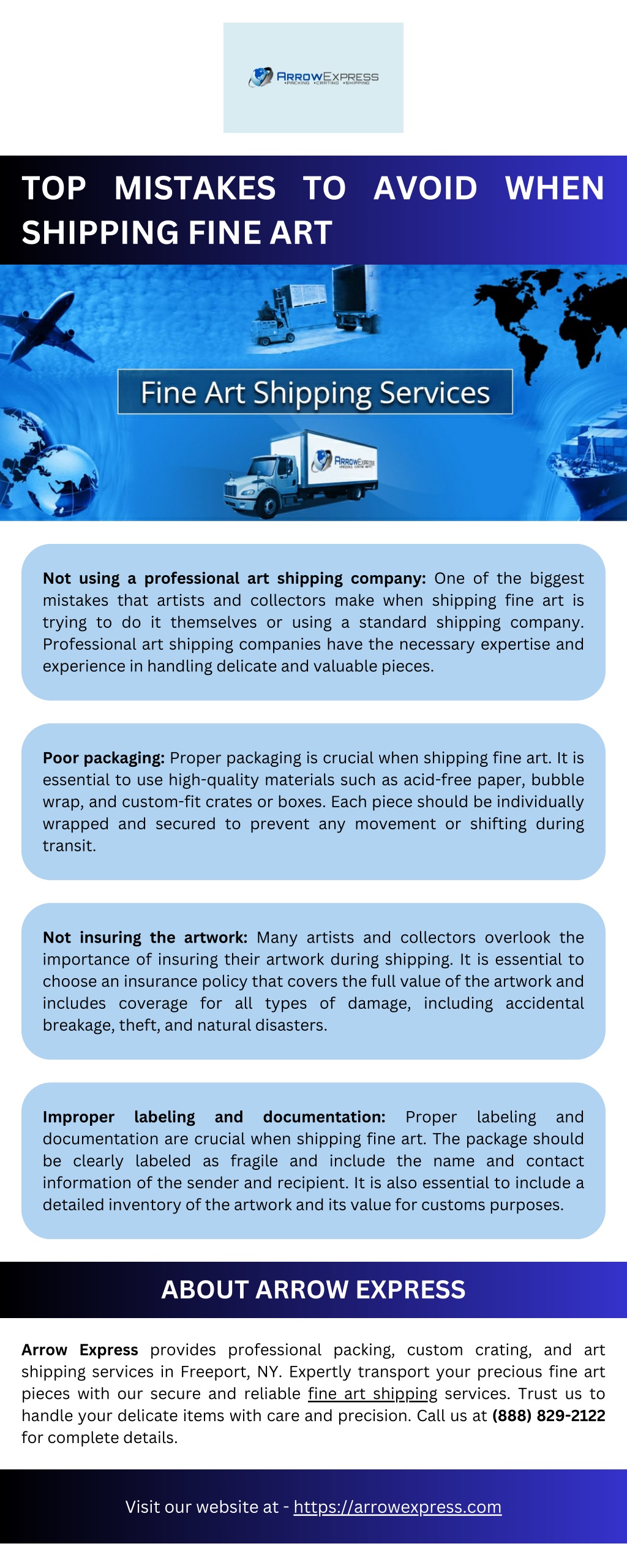
When vetting potential partners, it is important to distinguish between standard delivery services and professional art logistics providers. The following services represent the industry standard for high-value asset transport:
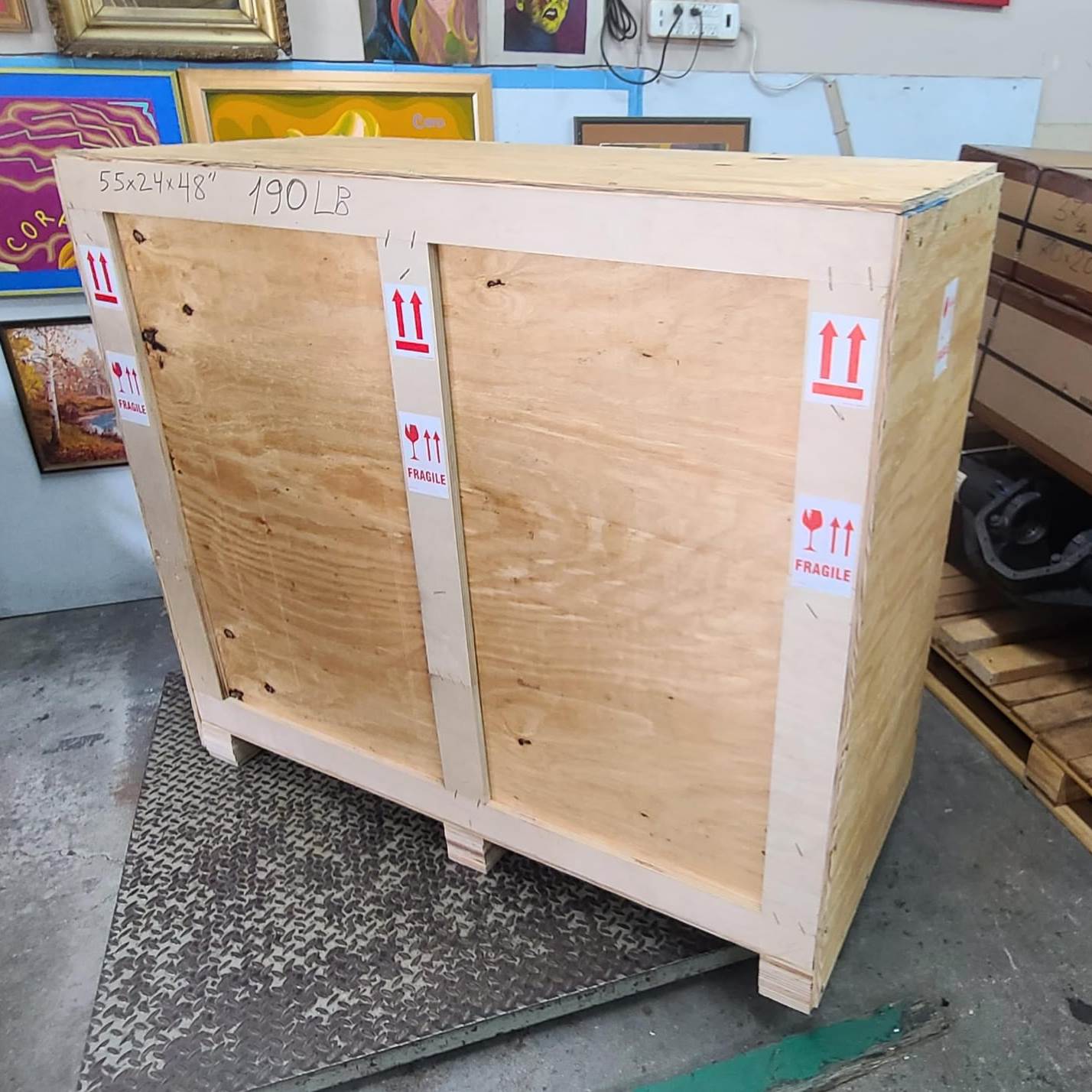
- Custom Crating: Every major piece requires a bespoke crate constructed to its exact dimensions. These crates often include interior lining made of high-density polyethylene foam, which provides thermal insulation and impact protection.
- Climate-Controlled Transport: Paintings and wood-based works are highly sensitive to hygroscopic expansion and contraction. Specialized trucks maintain a constant internal climate, typically around 20°C (68°F) and 50% relative humidity.
- White-Glove Installation: Many art shippers offer "door-to-door" service, which includes unpacking, condition reporting, and physical installation at the final destination.
- Condition Reporting: Professional shippers conduct documented inspections at the point of origin, during transit, and upon arrival. This provides a digital or physical paper trail that is vital for insurance verification.
- Secure Warehousing: If a work must be stored temporarily, it should be kept in a facility with high-level security, fire suppression systems, and strict climate controls.
Risk Mitigation and Insurance Coverage
The most significant risk in art transit is physical damage, followed closely by loss or theft. It is imperative to understand that standard carrier liability—often limited to a few dollars per pound—is wholly insufficient for fine art.
Before contracting an art shipping company, you must verify their insurance requirements. Most high-end firms carry specialized "In-Transit" or "Bailee" insurance policies. However, collectors and galleries should always consult their own fine art insurance providers before a shipment is finalized. Many insurance policies for high-value collections require that the transporter meet specific criteria, such as a minimum amount of professional indemnity insurance or a demonstrated history of gallery-grade service.
A common mistake is assuming that the shipper’s insurance covers the full market value of the work by default. Always verify the declared value process and ensure that the policy specifically covers the type of transit being performed.
Evaluating Potential Partners: A Comparative Framework
When comparing shipping companies, do not rely solely on cost. A low price often indicates a lack of specialized equipment or reliance on third-party sub-contractors, which increases the number of touchpoints and, consequently, the risk to the art.
| Feature | Standard Courier | Fine Art Specialist |
|---|---|---|
| Material Handling | Standard cardboard/plastic | Museum-grade acid-free packing |
| Transit Environment | Variable/Unregulated | Climate-controlled (HVAC) |
| Vehicle Security | Standard locking | Dual-driver / GPS / Alarmed |
| Condition Documentation | Minimal/Electronic signature | Detailed photographic reports |
| Staff Training | General logistics | Certified Art Handlers |
Prerequisites for Shipping High-Value Assets
Before contacting an art shipping company, you should have the following information prepared to ensure an accurate quote and a safe transit:
- Full Dimensions and Weight: Include the frame or base dimensions, not just the dimensions of the artwork itself.
- Material Breakdown: Clearly state the media (e.g., oil on canvas, marble, photography). This helps the shipper determine the necessary crate construction and environment requirements.
- Condition Report: If the piece is valuable, have a current condition report available. If you do not have one, request that the shipping company perform a pre-shipment assessment.
- Destination Logistics: Ensure the destination site is accessible to the type of vehicle required. For example, if you are shipping a large sculpture to a private residence, confirm that the entrance can accommodate a climate-controlled sprinter van.
- Time Sensitivity: Art shipping is rarely "next day." Complex pieces require time for crate fabrication and route planning. Build in a buffer for these processes.
Frequently Asked Questions
Does a shipping company need to be bonded to move art? Being "bonded" implies that the company has a bond in place to protect the customer against theft or breach of contract. While not always a legal requirement for small pieces, it is a hallmark of reputable art shippers. Always ask for proof of their insurance coverage and bond status before sensitive or large-scale moves.
How is the cost of art shipping determined? Pricing is dictated by distance, the volume and weight of the crate, the degree of climate control needed, and the complexity of the installation required at the destination. High-security requirements or the need for a two-person team will also influence the quote.
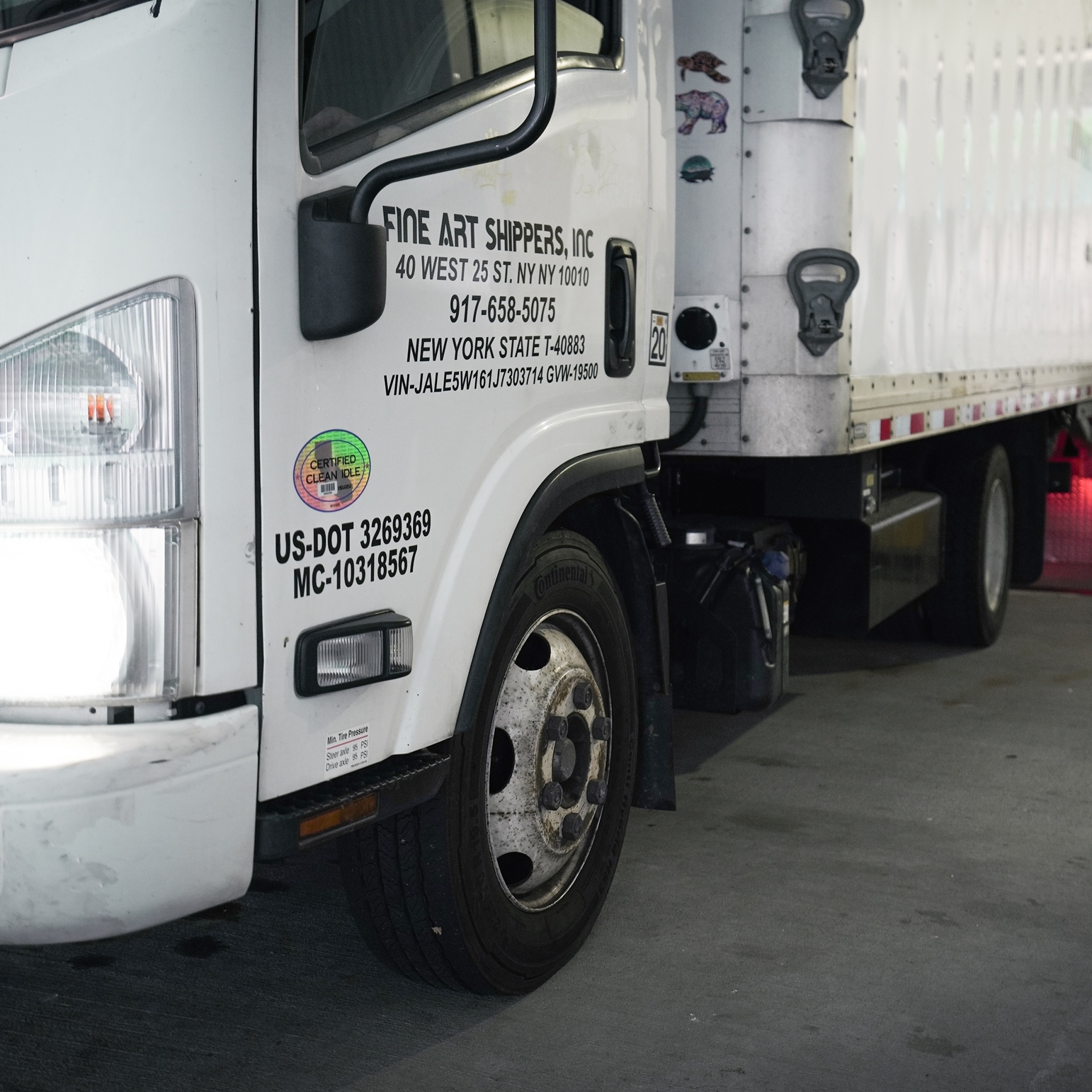
Can I use a standard shipping company for a painting? You should avoid standard courier services for original artwork. These companies use automated sorting facilities where packages are dropped, stacked, and subjected to high-speed conveyor belts. Professional art shippers use dedicated vehicles with specialized air-ride suspensions to minimize vibration and shock.
What should I look for in a condition report? A good condition report includes high-resolution photography of all sides and corners, notations on pre-existing marks, paint loss, or frame damage, and a signature from the handler confirming the state of the object before it was crated.
What is a "shuttle service" in art logistics? A shuttle service refers to a dedicated route that a transport company runs between major art hubs, such as New York, London, or Los Angeles. Because the route is regular, shippers can consolidate items from different clients into one climate-controlled vehicle, which is often more cost-effective than a dedicated "exclusive use" truck.
Next Steps for Secure Transit
If you are preparing to move a work of art, start by identifying the specific requirements of the piece. If you have an existing relationship with a fine art insurance broker, ask them for a list of preferred or "approved" shipping companies. Using a carrier on an insurer’s approved list can simplify the claims process should any issues arise during transit.
Once you have identified two or three potential firms, request a site visit or a detailed consultation. A professional company will ask detailed questions about the art, the venue, and your timeline before providing a quote. If a company provides a quote based solely on weight and distance without inquiring about the nature of the object, treat this as a red flag and move to a different provider. Always finalize your agreement with a written contract that specifies the insurance limits and the protocol for handling potential damages.