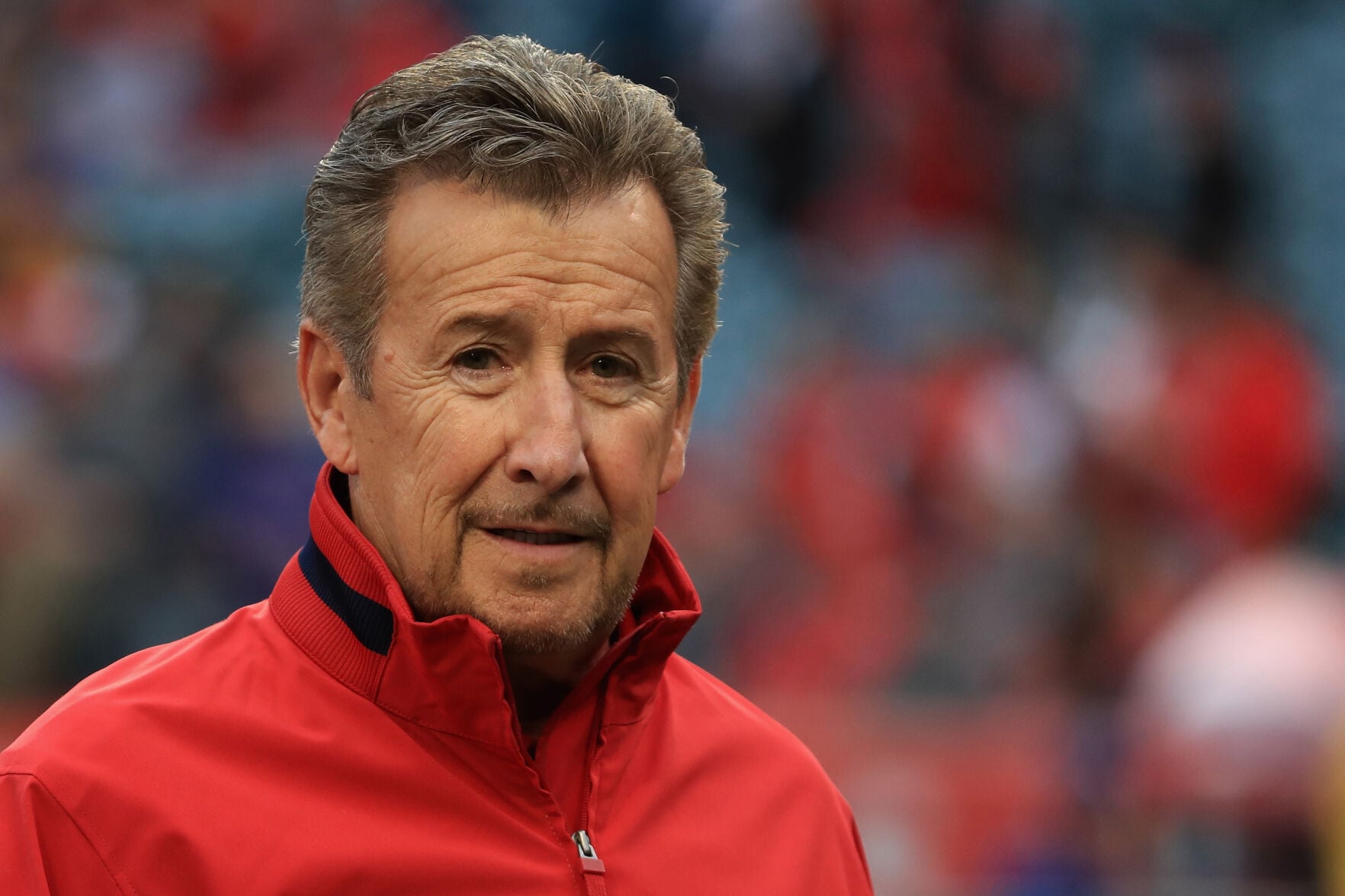
As of 2026, Arte Moreno’s net worth is estimated to be approximately $4.5 billion to $4.8 billion. This wealth is primarily anchored by his long-term ownership of the Los Angeles Angels Major League Baseball franchise and his foundational success in the outdoor advertising industry, which provided the capital necessary to transition into professional sports ownership.
The Foundations of Wealth: Outdoor Advertising
Before becoming a fixture in professional sports, Arturo "Arte" Moreno built his financial foundation through the billboard and outdoor advertising industry. In the mid-1980s, Moreno became a principal at Outdoor Systems, a company he helped grow into one of the largest outdoor advertising firms in the United States. His strategic acumen in acquiring smaller billboard companies and consolidating regional networks allowed him to scale the business rapidly.
The company was eventually acquired by Infinity Broadcasting (later part of Viacom/CBS) in 1998 for roughly $8 billion in a stock-swap deal. This liquidity event transformed Moreno from a successful executive into a high-net-worth individual with the capital to pursue diversified investment interests. This period serves as the primary engine behind his current valuation, as the proceeds were reinvested across various sectors, including real estate and, most notably, professional sports.
Sports Ownership: The Los Angeles Angels
Arte Moreno made history in 2003 when he purchased the Anaheim Angels from The Walt Disney Company for approximately $180 million. This acquisition marked the first time a Mexican-American had gained ownership of a major professional sports franchise in the United States.
Over the past two decades, the valuation of MLB franchises has experienced exponential growth, driven by lucrative regional sports network (RSN) deals, national television contracts, and the increasing scarcity of major league teams. By 2026, the Los Angeles Angels franchise is valued by various analysts—including Forbes and Sportico—in the range of $2.5 billion to $3 billion.
Financial Impact of Stadium Ownership and Development
A significant component of the asset value surrounding the Angels is the control and development of the Angel Stadium property. Moreno’s attempts to navigate the redevelopment of the stadium site have been marked by complex municipal negotiations. The value of this real estate—situated in the heart of Orange County—acts as a massive land asset that complements the franchise’s operating value. Even when development deals have faced regulatory or legal hurdles, the underlying land value continues to appreciate, contributing significantly to his total net worth.
Diversification and Private Investments
Beyond the public-facing aspects of his professional sports career, Moreno maintains a private investment portfolio. This includes stakes in various venture capital initiatives, real estate holdings in California and the Southwest, and personal asset management.
While the majority of his public wealth is tied to the valuation of the Angels, his investment philosophy has historically favored long-term asset appreciation over high-frequency liquid trading. By maintaining diverse interests, Moreno has insulated his net worth from the inherent volatility of the sports industry, where team valuations can fluctuate based on team performance, stadium lease agreements, and local economic factors.
Factors Influencing Wealth Valuation in 2026
Estimating the net worth of a private individual involves analyzing public disclosures, franchise valuations, and real estate records. Several factors complicate this calculation as of 2026:
- Market Fluctuations: Professional sports valuations are sensitive to the health of the media landscape. With the shifting dynamics of traditional cable television and the rise of streaming-exclusive broadcast rights, team revenue models are currently in a state of transition.
- Operating Expenses: The cost of managing a major league roster, combined with front-office overhead and stadium maintenance, impacts the annual liquidity of the franchise owner.
- Real Estate Entitlements: The ability to maximize the utility of the land surrounding Angel Stadium remains a primary driver of potential future wealth growth. Changes in municipal zoning or urban development mandates directly affect the valuation of this asset class.
Comparative Analysis of Sports Franchise Ownership
To provide context, the following table compares the trajectory of sports ownership values for mid-to-large market franchises, illustrating why an asset purchased in the early 2000s has seen such substantial growth.
| Asset Type | Primary Value Driver | Estimated Appreciation Factor (2003-2026) |
|---|---|---|
| MLB Franchise | National/Regional Media Rights | 12x - 15x |
| Urban Real Estate | Development Rights & Zoning | 4x - 6x |
| Outdoor Advertising | Market Consolidation & Digital Transition | N/A (Sold/Exited) |
| Private Equity/Other | Diversified Portfolio Yields | Variable |
Note: Appreciation factors are estimates based on league-wide franchise valuation trends and regional real estate market performance.
Frequently Asked Questions
1. Is Arte Moreno’s net worth entirely tied to the Los Angeles Angels? No. While the Angels franchise represents a significant portion of his wealth, Moreno’s initial wealth was generated through the sale of Outdoor Systems. He has significant capital deployed in real estate, private investments, and other non-sports-related assets that contribute to his total net worth.
2. Why are sports franchise valuations so high compared to 20 years ago? Franchise valuations have surged due to the scarcity of teams, massive increases in national media rights deals, and the ability of teams to generate revenue through multi-use stadium districts. As sports become a "premium" live content commodity, their value has decoupled from the team’s win-loss record on the field.
3. Does Arte Moreno’s net worth change based on the performance of his team? While short-term success (playoff runs) can increase ticketing and merchandise revenue, the overall net worth of an owner is less sensitive to seasonal performance than to the long-term enterprise value of the franchise. Consistent attendance and stadium revenue are more important to valuation than winning a single championship.
4. How is the value of Angel Stadium included in his net worth? The valuation of the stadium land and the long-term lease control over that land are typically factored into the enterprise value of the team. Because the team controls the development rights or has beneficial lease terms, that control is an intangible asset that increases the team's total market price.
5. How do experts verify his wealth? Financial analysts rely on public filings from other media companies, real estate tax assessments for his properties, and transaction reports from major sports investment brokers. Because he is a private owner, most figures are estimates based on the public market value of comparable sports franchises and historical exit data from his advertising business.
Conclusion and Next Actions
For those monitoring the financial status of major figures like Arte Moreno, it is essential to distinguish between liquid cash and enterprise value. The bulk of Moreno's wealth is illiquid—tied up in ownership stakes and property.
If you are researching this for investment or financial analysis purposes, focus on tracking the media rights landscape and municipal zoning updates for the Anaheim area, as these are the two primary variables that will dictate future shifts in his valuation. Always cross-reference current valuations with industry-specific publications like Sportico or Forbes for the most recent updates on franchise market adjustments.