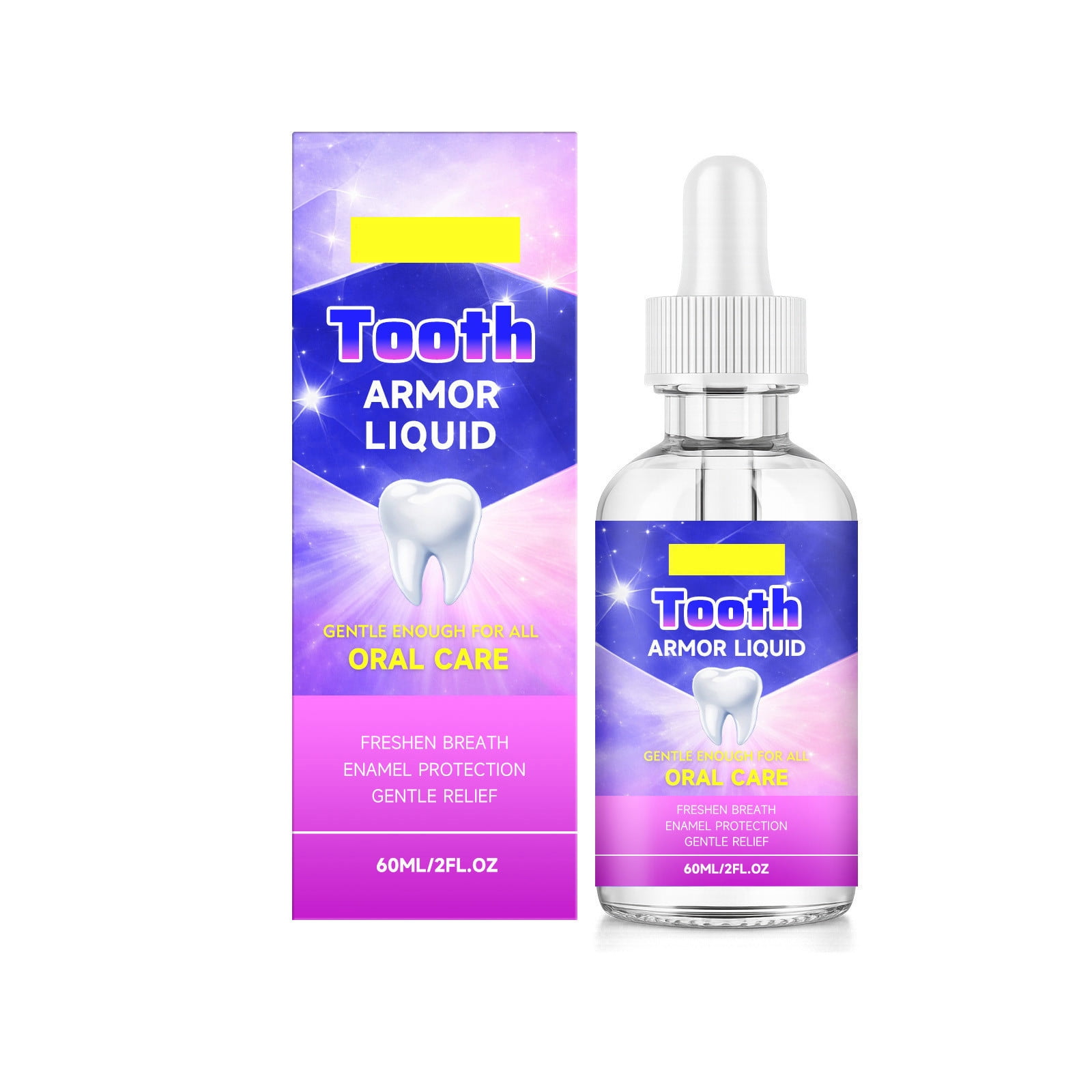
Armor Dental protection refers to a specialized category of medical-grade oral barriers and therapeutic devices, such as the Cerum and X-GUM lines, designed to shield sensitive soft tissues and surgical sites during the critical healing phase. These modern dental solutions provide a physical barrier against mechanical irritation and bacteria, significantly reducing post-operative discomfort while accelerating tissue regeneration in clinical settings.
The evolution of modern dentistry has transitioned from a primary focus on procedural success to a holistic emphasis on patient recovery and comfort. Historically, the "last mile" of dental care—the period after the patient leaves the operatory—was often left to the patient’s own biological resilience, supplemented only by systemic analgesics or salt-water rinses. As of 2026, the standard of care has shifted toward proactive soft tissue management. Armor Dental has emerged as a pivotal entity in this shift, providing clinicians with the tools to "armor" the mouth against the daily rigors of eating, speaking, and oral hygiene during the recovery window.
The Role of Soft Tissue Management in 2026 Dentistry
In the current clinical landscape, the success of a dental implant, periodontal surgery, or complex extraction is no longer measured solely by the integration of hardware or the removal of pathology. Success is also defined by the speed and quality of soft tissue closure. Soft tissue acts as the biological seal that protects underlying bone and hardware from the oral microbiome. When this tissue is compromised or irritated, the risk of "peri-implantitis" or secondary infection increases exponentially.
Armor Dental products serve as a specialized interface between the surgical wound and the hostile environment of the mouth. The oral cavity is inherently difficult to manage post-surgery; it is constantly bathed in saliva, subjected to fluctuating pH levels from food and drink, and under constant mechanical stress from the tongue and mastication. Modern dental protection devices are engineered to withstand these variables while promoting a stable environment for fibrin clot formation and epithelial migration.
Addressing the Limitations of Traditional Gauze and Rinses
For decades, the standard post-surgical protocol involved biting on cotton gauze and using chlorhexidine rinses. While gauze is effective for immediate hemostasis, it does nothing to protect the wound over the subsequent 48 to 72 hours. Furthermore, many patients find traditional rinses to be irritating or capable of staining teeth.
Armor Dental protection fills this gap by offering a semi-permanent (temporary but durable) barrier. Unlike gauze, which is removed shortly after the procedure, these modern protective layers are designed to stay in place or be applied as a soothing balm that adheres to the mucosa. This constant protection prevents food particles from becoming lodged in extraction sites and protects delicate sutures from being disturbed by the patient's tongue.
Technical Specifications and Product Mechanism
To understand how Armor Dental provides "protection for modern care," one must examine the material science behind their primary offerings, most notably the Cerum and X-GUM therapeutic lines. These products are not merely "bandages"; they are biocompatible delivery systems and protective shields.
The Science of Cerum and X-GUM
The Cerum line is often utilized as a professional-grade topical barrier. Its formulation is designed to be highly mucoadhesive, meaning it bonds to the moist surfaces of the oral mucosa rather than being washed away by saliva. In 2026, the formulation has been refined to provide a balance of hydrophobicity (to repel irritating liquids) and breathability (to allow for natural gas exchange at the tissue level).
- Mucoadhesion: The ability of the material to adhere to the gingiva even in the presence of moisture is critical. This is achieved through polymers that create a physical bond with the mucosal proteins.
- Barrier Function: By creating a thin, flexible film, the protection prevents direct contact between the wound and external stimuli. This is particularly effective for patients with "burning mouth syndrome" or those undergoing chemotherapy who suffer from oral mucositis.
- Hemostatic Support: Certain variations of Armor Dental barriers incorporate agents that assist in stabilizing the blood clot, which is the foundational step in all oral healing.
Structural Integrity and Biocompatibility
A key requirement for any device labeled as "dental armor" is that it must not provoke an inflammatory response. Modern Armor Dental solutions use medical-grade silicones or advanced hydrogels that are inert. This ensures that the body's immune system focuses entirely on healing the surgical site rather than reacting to the protective device itself.
Clinical Applications in Modern Dental Practice
The versatility of Armor Dental protection allows it to be integrated into various dental specialties. Whether in periodontics, oral surgery, or general practice, the application of a protective barrier has become a hallmark of "patient-first" care.
Post-Implant Surgery Protection
Dental implants require a period of undisturbed healing to ensure the gingiva forms a tight cuff around the healing abutment. Any mechanical trauma during the first week can lead to dehiscence (opening of the wound). Clinicians use Armor Dental barriers to cover the surgical site, providing a "cushion" that protects the area from the pressure of the cheeks and the impact of food.
Management of Periodontal Scaling and Root Planing (SRP)
While SRP is a non-surgical procedure, it often leaves the gingival pockets sensitive and prone to minor bleeding. Applying a protective layer like Cerum post-scaling can provide immediate relief from thermal sensitivity (hot and cold liquids) and prevent the accumulation of biofilm in the freshly cleaned pockets during the first 24 hours.
Tooth Extractions and Dry Socket Prevention
Dry socket (alveolar osteitis) remains one of the most common and painful complications of tooth extraction. It occurs when the blood clot is dislodged or dissolves prematurely. By "armoring" the extraction site with a physical barrier, dentists can significantly reduce the risk of clot displacement, especially in "high-risk" patients such as smokers or those with a history of healing complications.
Comparison of Recovery Methods
The following table compares traditional post-operative care with the integrated use of Armor Dental protection protocols as observed in 2026 clinical standards.
| Feature | Traditional Post-Op Care | Armor Dental Protected Care |
|---|---|---|
| Primary Barrier | Cotton Gauze (30-60 mins) | Mucoadhesive Shield (24-72 hours) |
| Mechanical Protection | Minimal; patient must avoid area | High; physical barrier against food/tongue |
| Pain Management | Systemic NSAIDs/Opioids | Combined Systemic & Topical/Physical |
| Patient Dietary Freedom | Restricted to liquids for 48+ hours | Faster transition to soft solids |
| Risk of Infection | Higher (exposed wound) | Lower (occlusive barrier) |
| Clot Stability | Dependent on patient behavior | Structurally supported by the barrier |
Benefits for the Modern Practitioner
Adopting Armor Dental protection is not only a benefit to the patient but also a strategic advantage for the dental practice. In a value-based care environment, reducing "unscheduled" follow-up visits is essential for profitability and patient satisfaction.
Reduced Emergency Calls
The majority of post-surgical emergency calls are related to pain or minor bleeding. Many of these issues stem from the wound being irritated by external factors. By providing a professional-grade barrier, practitioners can proactively address these issues before the patient leaves the office, leading to a "quieter" post-operative period for the clinic staff.
Enhanced Reputation and Patient Referrals
In 2026, patients are highly vocal about their experiences on digital platforms. A patient who experiences minimal pain and a rapid return to their normal routine is far more likely to provide a positive review. Armor Dental protection is a visible, tangible sign that the dentist is using "modern care" techniques to ensure the best possible experience.
Implementation Guidelines for Dental Teams
To maximize the efficacy of Armor Dental protection, dental teams should follow a standardized protocol for application and patient education.
- Site Preparation: Ensure the surgical site has achieved initial hemostasis. The area should be blotted relatively dry to allow the mucoadhesive properties of the barrier to engage fully with the tissue.
- Application Technique: For gels and balms, use a sterile applicator to apply a uniform layer over the sutures or the extraction socket. Ensure the margins of the product extend 2-3mm onto healthy, non-traumatized tissue for better retention.
- Patient Instructions: It is vital to inform the patient that the "armor" is a temporary measure. They should be instructed not to vigorously brush the specific site but to continue hygiene in other areas of the mouth.
- Monitoring: During the one-week follow-up, clinicians should assess the rate of epithelialization. Often, sites protected by Armor Dental show a more advanced stage of healing compared to unprotected sites.
Addressing Patient Concerns and Safety
As with any medical device, safety is paramount. Armor Dental products are rigorously tested for cytotoxicity. In the context of 2026 regulations, these devices meet the updated ISO 10993 standards for biological evaluation of medical devices.
Allergic Reactions: While extremely rare due to the use of inert polymers, clinicians should always verify if a patient has specific sensitivities to silicone-based materials or specific flavoring agents used in the topical barriers.
Professional Oversight: These products are intended for professional use or under the direct recommendation of a licensed dentist. They are not a substitute for proper surgical technique or systemic antibiotics when indicated.
Frequently Asked Questions
Is Armor Dental protection covered by insurance?
In 2026, coverage varies by provider. Many private insurers categorize these protective barriers under "adjunctive periodontal procedures" or "surgical complications prevention." Some high-end plans include it as part of a "global fee" for implants or extractions. It is recommended to check the specific CDT codes (Current Dental Terminology) updated for the 2026 period.
How long does the protective layer stay in the mouth?
The duration depends on the specific product used. The mucoadhesive gels typically last between 12 and 24 hours before naturally dissolving or being worn away. More robust barriers used in periodontal dressing can stay in place for 3 to 7 days, depending on the clinician's application and the patient's oral habits.
Can I eat normally with Armor Dental protection?
While the protection is "armor-like" compared to an open wound, it is not invincible. Patients are generally advised to stick to a soft diet for the first 24 to 48 hours. However, the barrier does allow for more comfortable consumption of lukewarm liquids and soft solids (like yogurt or mashed potatoes) by preventing direct contact with the surgical site.
Does it have a bad taste or smell?
Modern Armor Dental formulations are designed to be neutral or mildly pleasant. They avoid the harsh medicinal taste associated with older periodontal packs (like Coe-Pak). This improvement in "organoleptic" properties is a major factor in patient compliance and satisfaction.
Can Armor Dental be used for canker sores?
Yes, the Cerum line is highly effective for protecting aphthous ulcers (canker sores) and other non-surgical lesions. By shielding the ulcer from the acidic environment of the mouth and the friction of the teeth, it provides immediate pain relief and allows the underlying tissue to heal faster.
Future Outlook: The Next Generation of Oral Barriers
As we look beyond 2026, the trajectory of Armor Dental protection is moving toward "smart" barriers. Research is currently underway to integrate time-released growth factors and localized antibiotics directly into the protective matrix. This would transform the "armor" from a passive shield into an active therapeutic agent, further blurring the line between protection and healing.
The integration of digital scanning also allows for the creation of custom-fit 3D-printed "healing shields" that snap over the teeth to protect the surgical site with mathematical precision. Armor Dental remains at the forefront of this intersection between material science and clinical dentistry.
Final Recommendation
For dental practitioners aiming to modernize their post-operative protocols, integrating Armor Dental protection is a high-value, low-risk intervention. It addresses the most common patient complaint—post-operative pain—while providing a superior biological environment for tissue recovery. Patients undergoing extractions, implant placement, or periodontal therapy should ask their providers about "soft tissue shielding" options to ensure a faster and more comfortable return to daily life.