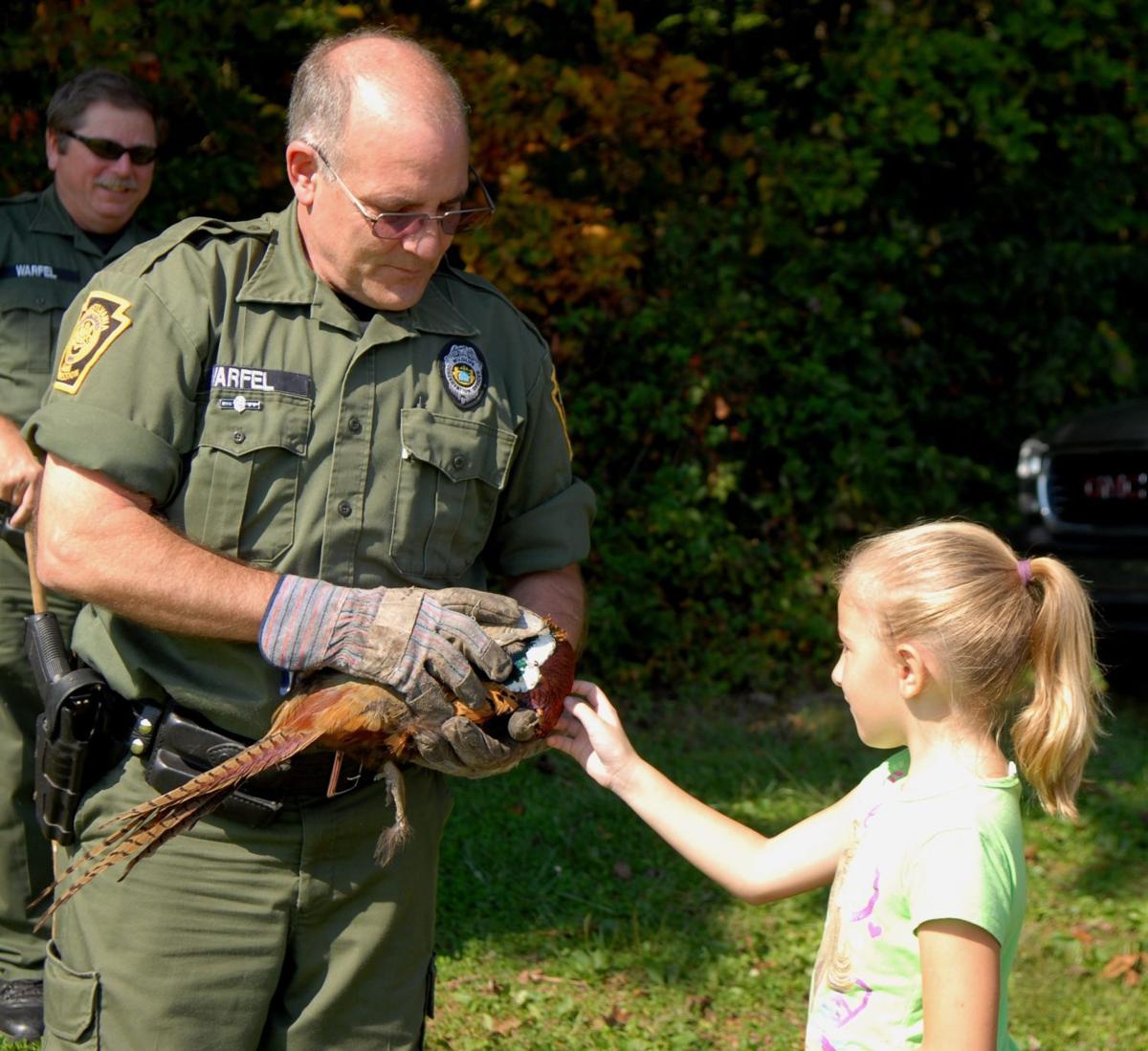
As of 2026, the average entry-level salary for an Arkansas Game Warden, officially known as a Wildlife Officer, typically ranges from $48,500 to $54,000 per year during the initial training and probationary period. With experience, specialized certifications, and promotion to supervisory ranks such as Sergeant or Lieutenant, total annual compensation can exceed $85,000, supplemented by comprehensive state benefits and retirement plans.
Understanding the Role of an Arkansas Wildlife Officer
To accurately discuss the salary and compensation of a Game Warden in Arkansas, one must first understand the breadth of the role within the Arkansas Game and Fish Commission (AGFC). These professionals are fully commissioned law enforcement officers with statewide jurisdiction. While their primary focus remains the enforcement of hunting, fishing, and boating regulations, their duties have expanded significantly in recent years to include search and rescue operations, disaster response, and community education regarding conservation.
The pay scale reflects this high level of responsibility. Unlike municipal police officers who may operate within a small geographic radius, a Wildlife Officer often patrols vast, remote areas alone, requiring a high degree of autonomy and technical skill. In 2026, the AGFC has continued to adjust its pay structures to remain competitive with other Arkansas state law enforcement agencies, such as the Arkansas State Police, ensuring that the state can attract and retain qualified candidates who possess both law enforcement aptitude and a deep understanding of biological sciences.
Arkansas Game Warden Salary Structure by Rank
The compensation for an Arkansas Wildlife Officer is governed by a structured pay plan that rewards longevity, education, and promotion. As of 2026, the AGFC utilizes a grade-based system that ensures transparency in earnings.
Wildlife Officer Trainee (Probationary)
During the first year of employment, which includes the rigorous training academy and field training periods, recruits earn a trainee salary. In 2026, this baseline is approximately $48,500. This period is critical, as it covers the transition from a civilian or general law enforcement background into the specialized niche of wildlife conservation enforcement.
Wildlife Officer I and II (The "Field" Ranks)
Upon successful completion of the academy and the one-year probationary period, officers are typically promoted to Wildlife Officer I. At this stage, salaries generally rise to between $52,000 and $58,000. After several years of service and meeting specific performance benchmarks, officers may move to the Wildlife Officer II designation, which carries a salary range of $60,000 to $68,000. These officers represent the backbone of the AGFC’s enforcement division, handling daily patrols, investigations, and public interactions.
Supervisory and Command Ranks
For those pursuing a career in leadership, the financial rewards increase significantly. The rank structure includes:
- Sergeant: Oversees a specific group of officers within a district. Salaries typically range from $70,000 to $76,000.
- Lieutenant: Manages district-wide operations and administrative tasks. Salaries often fall between $78,000 and $85,000.
- Captain and Above: Senior leadership roles at the regional or state headquarters level can see salaries exceeding $95,000, depending on tenure and specific budgetary allocations for the fiscal year 2026.
Factors Influencing Total Compensation
While the base salary is the most visible aspect of an Arkansas Game Warden's pay, several variables can increase the actual "take-home" value of the position.
Education Incentives
The AGFC places a high value on formal education. In 2026, officers holding a Bachelor’s degree or Master’s degree in Biology, Fisheries Management, Criminal Justice, or related fields may be eligible for education incentive pay. This is often structured as a monthly stipend or a percentage increase on the base salary, recognizing the technical expertise required to manage complex ecological enforcement issues.
Geographic Differentials and Specialized Assignments
While Arkansas does not typically offer "hazard pay" in the traditional sense, officers assigned to specialized units—such as the K-9 unit, Dive Team, or the Honor Guard—may receive additional stipends or equipment allowances. Furthermore, officers who serve as Field Training Officers (FTOs) for new recruits often receive a temporary pay increase during the duration of the training cycle.
Overtime and Off-Duty Opportunities
Wildlife Officers are often called upon for "special details," such as holiday boat patrols on busy lakes or enforcement blitzes during the opening weekend of deer or turkey season. These hours are often compensated at time-and-a-half rates. Additionally, under specific state guidelines, some officers may be permitted to work approved off-duty security details, further augmenting their annual income.
Comprehensive Benefits Package
When evaluating the Arkansas Game Warden salary overview, one must include the "hidden" value of the state’s benefit package. For many officers, the benefits are nearly as valuable as the base pay.
- Retirement System: Arkansas Wildlife Officers participate in the Arkansas Public Employees Retirement System (APERS). This is a defined-benefit plan that provides a stable monthly income upon retirement, based on years of service and the highest average salary earned.
- Health and Life Insurance: The state provides robust health, dental, and vision insurance options. In 2026, the employer-covered portion of these premiums remains a significant financial advantage over private-sector roles.
- Take-Home Vehicle: This is a major financial perk. Wildlife Officers are assigned a patrol vehicle (typically a high-clearance 4x4 truck) that they are allowed to take home. This eliminates the cost of commuting, vehicle maintenance, and fuel for work-related travel, effectively adding thousands of dollars in value to the officer's annual compensation.
- Uniform and Equipment Allowance: The AGFC provides all necessary gear, including firearms, body armor, specialized foul-weather clothing, and high-tech optics. This ensures that officers do not have out-of-pocket expenses for the tools required for their job.
Comparison: Arkansas vs. Neighboring States (2026 Estimates)
To provide context for the Arkansas salary, it is helpful to look at how the Natural State compares to its neighbors. Arkansas generally maintains a competitive edge when the local cost of living is factored in.
| State | Entry-Level Salary (Est. 2026) | Top-Level Field Officer (Est. 2026) | Take-Home Vehicle |
|---|---|---|---|
| Arkansas | $48,500 - $52,000 | $68,000 - $75,000 | Yes |
| Missouri | $46,000 - $50,000 | $65,000 - $72,000 | Yes |
| Oklahoma | $44,000 - $49,000 | $62,000 - $70,000 | Yes |
| Texas | $58,000 - $63,000 | $82,000 - $90,000 | Yes |
| Louisiana | $42,000 - $47,000 | $60,000 - $68,000 | Yes |
Note: While Texas offers a higher base salary, the cost of living in many Texas metropolitan areas is significantly higher than in Arkansas, making the Arkansas salary highly competitive in terms of purchasing power.
Educational and Professional Requirements
Securing the salary of a Wildlife Officer requires meeting strict prerequisites. The AGFC is selective, often receiving hundreds of applications for a limited number of academy slots.
Minimum Qualifications
- Age: Must be at least 21 years old.
- Education: As of 2026, a Bachelor’s degree is highly preferred, though a combination of a high school diploma and several years of relevant law enforcement or military experience may be considered. Many successful candidates hold degrees in Wildlife Management or Criminal Justice.
- Background: A clean criminal record (no felonies or serious misdemeanors) and a valid driver's license are mandatory. Candidates must also pass a psychological evaluation and a rigorous physical fitness test.
The Training Academy
Once hired, recruits must complete the Wildlife Officer Training Academy. This is a multi-month residential program located at the H.C. "Red" Morris Training Center. Recruits are paid their trainee salary while attending. The curriculum covers:
- Criminal law and the rules of evidence.
- Firearms proficiency and defensive tactics.
- Wildlife, fish, and waterfowl identification.
- Land and water navigation (GPS, map/compass, boat operation).
- Search and rescue techniques.
Cost of Living Considerations in Arkansas
The value of a $55,000 salary in Arkansas is vastly different from that same salary in the Northeast or West Coast of the United States. Arkansas consistently ranks as one of the states with the lowest cost of living. Housing costs, property taxes, and daily expenses like groceries are significantly lower than the national average.
For a Wildlife Officer stationed in a rural county, the salary provides a comfortable middle-class lifestyle. In 2026, an officer can often afford a home with acreage, which is particularly appealing to those who enter this profession due to their love of the outdoors. This "lifestyle dividend" is a key reason why turnover rates among Arkansas Game Wardens are historically low.
Common Career Challenges Affecting Compensation
While the salary is stable, the job demands a high price in terms of personal time. Candidates should be aware that the compensation covers a lifestyle that is not a standard 9-to-5.
- Irregular Hours: Officers work weekends, holidays, and nights. While there is overtime pay, the "on-call" nature of the work means that an officer might be dispatched to a poaching call in the middle of a family dinner.
- Environmental Extremes: Arkansas weather ranges from humid 100-degree summers to ice storms in winter. Officers are expected to perform their duties regardless of the conditions.
- Safety Risks: Wildlife Officers interact with armed individuals daily. While most hunters are law-abiding, the enforcement of regulations in remote areas carries an inherent risk that is factored into the law enforcement pay scale.
FAQ: Arkansas Game Warden Salary and Career
Do Arkansas Wildlife Officers get paid more for having a degree?
Yes, education incentive pay is often available for officers who possess a degree higher than the minimum requirement. Furthermore, a degree is almost always necessary for those who wish to promote into the higher-paying supervisory ranks.
Is there a maximum age to become a Game Warden in Arkansas?
While there is no strictly defined "maximum age" like in federal law enforcement, candidates must be able to pass the rigorous physical fitness test, which includes swimming, running, and strength components. Most applicants are in their 20s or 30s.
How often do Arkansas Wildlife Officers get raises?
Pay increases generally occur in two ways: through "COLA" (Cost of Living Adjustments) approved by the state legislature and through "step increases" or promotions based on years of service and performance evaluations.
Can I choose where I am stationed to maximize my salary?
The AGFC assigns officers based on the agency's needs. While you can request a specific district, you must be willing to live within a certain distance of your assigned patrol area. Salary scales are uniform statewide, so an officer in a rural county makes the same base pay as one in a more expensive urban area.
Does the AGFC provide a relocation allowance?
Typically, the AGFC does not provide relocation stipends for new hires. However, the provision of a take-home vehicle significantly offsets the long-term costs of moving and commuting to a new district.
Next Steps for Prospective Candidates
If the salary and benefits of an Arkansas Wildlife Officer align with your career goals, the first step is to monitor the Arkansas Game and Fish Commission's official jobs portal. Recruitment cycles for the Training Academy do not happen every month; they are scheduled based on the number of vacancies created by retirements or promotions.
Prospective applicants should focus on maintaining a high level of physical fitness and gaining relevant experience—whether through volunteer work with conservation groups, pursuing a degree in a relevant field, or gaining experience in general law enforcement. Engaging with local Wildlife Officers to learn about the day-to-day realities of the job can also provide a competitive edge during the interview process.