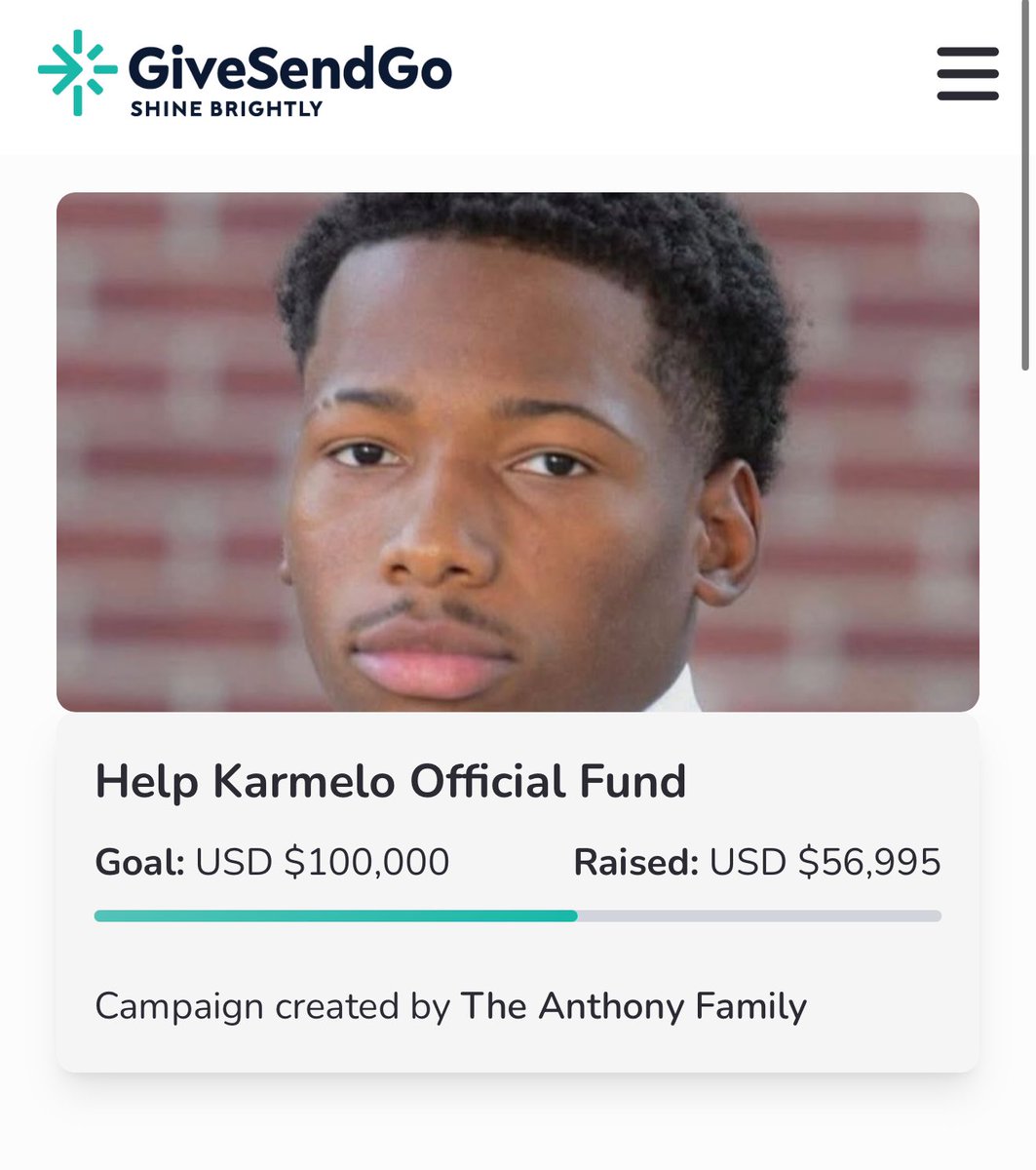
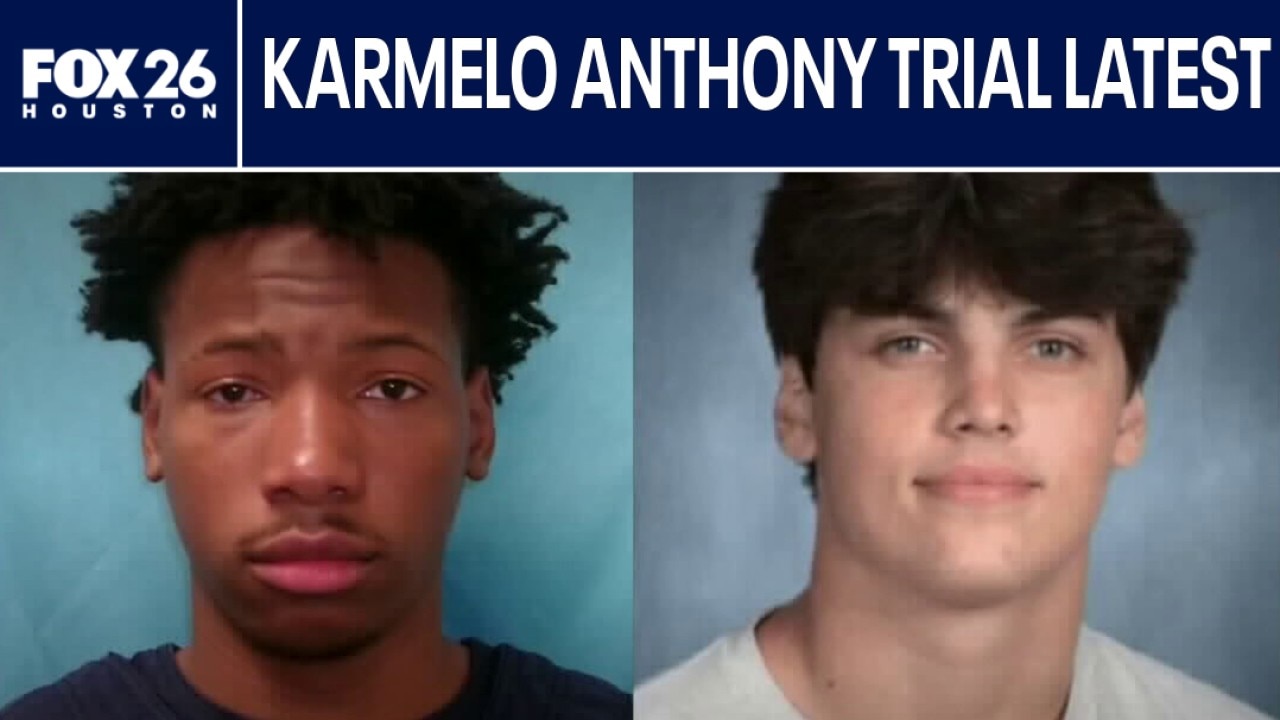
The Anthony Karmelo GoFundMe journey refers to public interest surrounding a specific online fundraising campaign organized to support an individual named Anthony Karmelo. These campaigns typically serve as a mechanism for community members to provide financial assistance for medical expenses, recovery efforts, or emergency relief. Navigating such digital appeals requires an understanding of platform mechanics, donor verification, and the ethical responsibilities inherent in decentralized humanitarian aid.
The Mechanism of Digital Crowdfunding
Crowdfunding platforms like GoFundMe have transformed how individuals handle unexpected financial crises. By shifting the burden of support from institutional sources to the broader public, these platforms enable rapid capital mobilization. In the context of a journey or campaign like that of Anthony Karmelo, the intent is almost exclusively focused on leveraging social capital to address a defined need.
For donors, the process is straightforward: they identify a cause, verify the beneficiary through the platform’s security measures, and contribute funds. However, the efficacy of this journey depends heavily on the transparency provided by the organizer. A successful campaign is characterized by regular updates, clear communication regarding the use of funds, and adherence to platform-specific Terms of Service.
Verifying Campaign Authenticity
In an era of digital misinformation, validating the legitimacy of a GoFundMe campaign is the most critical step for potential contributors. The platform employs a "GoFundMe Guarantee," which serves as a safety net for donors. This system ensures that if a campaign is flagged as fraudulent or if funds are not utilized for the stated purpose, the platform may intervene.
When researching an ongoing journey, users should look for specific indicators of legitimacy:
- Detailed Documentation: Does the organizer provide medical reports, police incident numbers, or verifiable news articles?
- Communication Style: Are the updates frequent, consistent in tone, and responsive to donor inquiries?
- Platform Verification: Is the campaign officially marked as "Verified" by GoFundMe’s internal trust and safety team?
- Community Support: Are there known community members or reputable local organizations vouching for the beneficiary?
Assessing Credibility Indicators
| Indicator | High Credibility | Low Credibility |
|---|---|---|
| Organizer Identity | Publicly linked to the beneficiary | Anonymous or unverifiable account |
| Update Frequency | Weekly or bi-weekly posts | Silence after initial setup |
| Financial Transparency | Explicit breakdown of costs | Vague "emergency" claims |
| Platform Status | Verified/Underwritten | Unflagged/New user account |
The Lifecycle of a Fundraising Journey
A standard fundraising journey follows a predictable trajectory. Understanding this flow helps stakeholders—whether they are donors, family members, or neutral observers—manage expectations.
1. Initiation and Setup
The journey begins when a trusted individual creates a campaign. This stage is critical because the narrative set at the beginning determines the long-term engagement of the community. A clear, empathetic story that outlines the specific "why" behind the funding request is essential.
2. The Verification Phase
GoFundMe conducts internal checks. This may involve validating banking information and, in some cases, requiring identity documentation from the beneficiary. This phase protects both the organizer and the donor base by preventing the misuse of the platform.
3. Growth and Community Engagement
Once live, the campaign relies on organic sharing. The "journey" aspect often entails updates on the beneficiary's condition or the status of their recovery. During this period, transparency is the primary tool for maintaining trust. If the initial goals are met or if circumstances change, the organizer is responsible for updating the campaign page to reflect these shifts.
4. Disbursement and Closing
Funds are rarely released instantly. They must be processed through the platform’s payment partner, Stripe. Once disbursed, the funds are intended strictly for the documented cause. After the need is met, the campaign is typically closed, and the community is thanked.
Financial and Ethical Considerations for Donors
Donating to a cause is not merely a financial transaction; it is an act of trust. Donors should be aware that contributions to individual GoFundMe campaigns are generally not tax-deductible in the United States, as they are considered personal gifts rather than charitable donations to 501(c)(3) organizations.
Furthermore, donors should be mindful of the "tip" feature on the platform. GoFundMe functions on a voluntary tipping model to keep the platform free for organizers. When finalizing a payment, users are often prompted to add a tip to the platform; this is distinct from the donation intended for the recipient.
Legal and Safety Limitations
While GoFundMe provides security features, it does not act as a financial advisor or a fiduciary. The platform facilitates the transfer of funds but cannot legally guarantee that an individual will act in good faith once the money is in their bank account. Consequently, donors should only contribute to causes where they have a degree of personal trust in the organizer or the beneficiary.
Common Obstacles in the Donation Process
Sometimes, potential donors encounter friction when attempting to support a journey. Common issues include:
- Payment Failures: Often triggered by international banking regulations or card security settings.
- Account Flags: The platform may temporarily pause a campaign if there is a sudden influx of large donations, which triggers an automated risk-management review.
- Communication Gaps: If a donor feels that an organizer is not being transparent, they should use the platform’s "Contact" button to inquire directly before reporting the campaign.
Frequently Asked Questions
Is my donation to an individual like Anthony Karmelo tax-deductible?
Generally, no. Contributions to individuals via GoFundMe are treated as personal gifts and do not qualify as tax-deductible charitable contributions under the IRS guidelines. Always consult with a tax professional if you are considering a large contribution for specific financial advice.
What should I do if I suspect a campaign is fraudulent?
If you have evidence that a campaign is not legitimate, you should use the "Report Campaign" link located at the bottom of the campaign page. GoFundMe has a dedicated Trust and Safety team that reviews these reports to ensure compliance with their terms.
How are funds actually transferred to the beneficiary?
Funds are transferred through secure payment processors to the bank account linked by the organizer. The timeline for these transfers typically ranges from 2 to 5 business days after the initial verification of the bank account and identity.
Can I remain anonymous while donating?
Yes, GoFundMe allows donors to hide their names and the amount of their donation from the public-facing campaign page. While the organizer may still see the donor information for record-keeping, the public will not see the identifying details.
What if the goal of the campaign changes?
If the circumstances of the beneficiary change, the organizer is expected to update the description of the campaign. Donors who feel that the funds are no longer being used as intended have the right to request a refund through the platform’s refund policy within specific timeframes.
Taking Informed Action
The Anthony Karmelo GoFundMe journey illustrates the power of community-led financial support. For those wishing to engage, the best course of action is to review the campaign page thoroughly, verify the connection between the organizer and the subject, and prioritize transparency in all communications. By maintaining a critical but supportive perspective, donors can ensure that their resources effectively reach those in need, honoring the spirit of the crowdfunding model while minimizing the risks associated with digital transactions. Always prioritize verified updates from the organizer and utilize the official support channels provided by the platform if questions regarding the destination of funds arise.