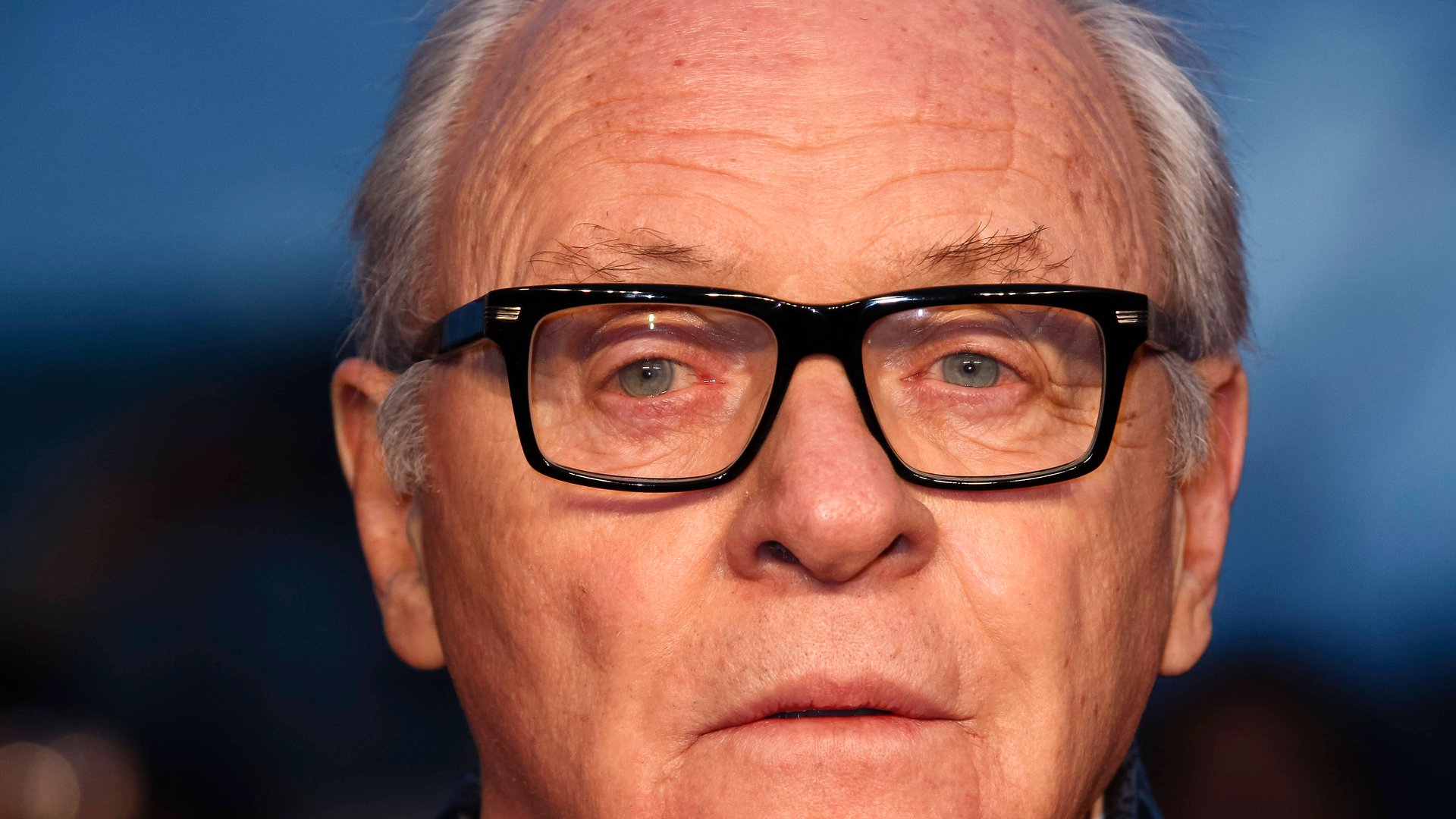
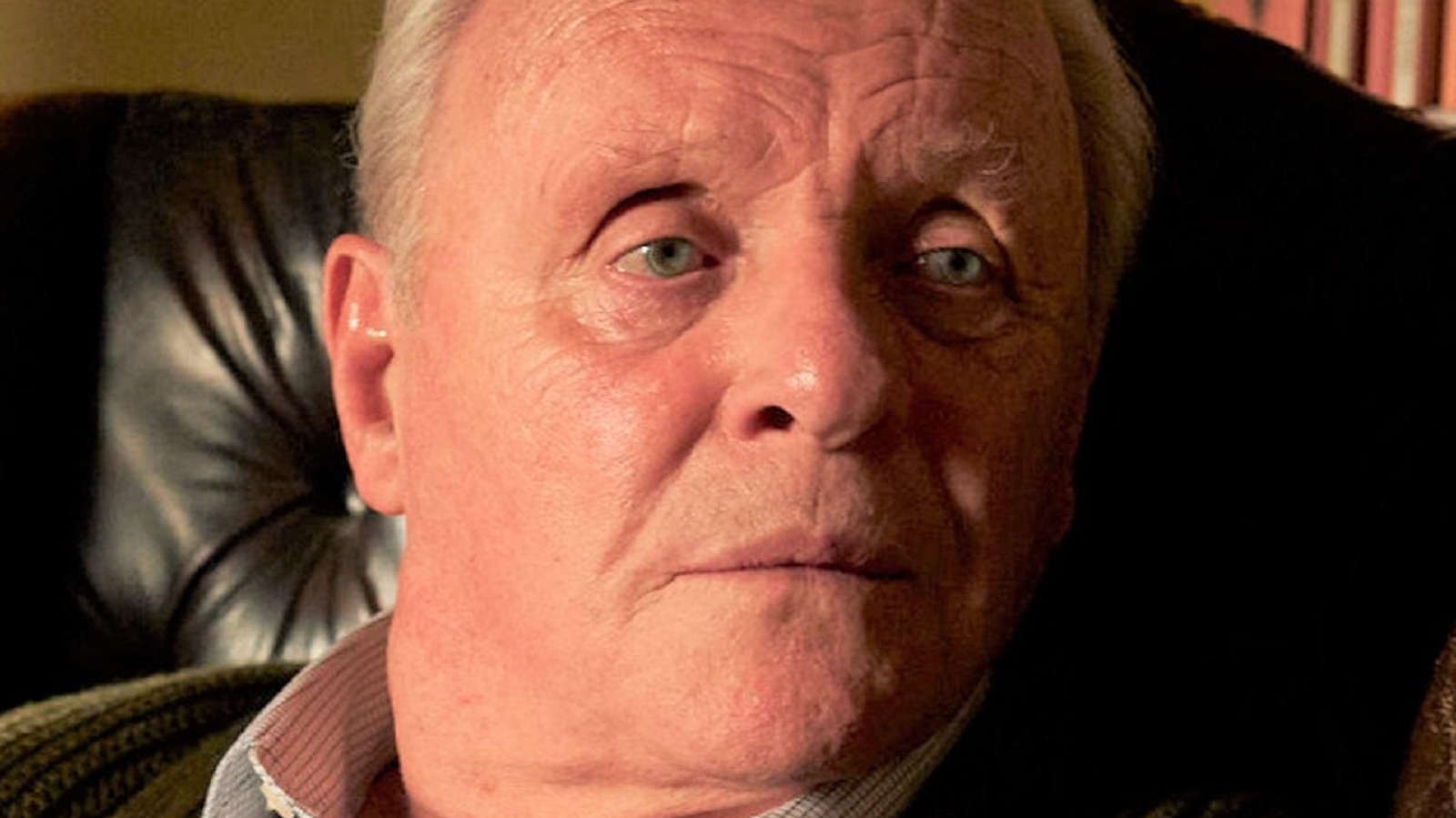
Sir Anthony Hopkins’ late-career films represent a masterclass in psychological portraiture, defined by his ability to portray complex mental states, cognitive vulnerability, and existential grief with devastating realism. In landmark works such as The Father, Freud’s Last Session, and One Life, Hopkins shifts away from dramatic grandeur toward intimate, interior character studies that explore human perception, trauma, and aging.
The Late-Career Renaissance of Anthony Hopkins
Over a career spanning more than six decades, Sir Anthony Hopkins has evolved from performing classical theater at the Royal National Theatre to delivering iconic cinematic antagonists like Dr. Hannibal Lecter in The Silence of the Lambs (1991). However, his work in recent years marks a distinct thematic evolution: a transition into deeply empathetic, psychologically intricate studies of human fragility and interior experience.
Rather than relying on expressive theatrics or external plot devices, these films center entirely on the protagonist's internal emotional landscape. Directors working with Hopkins rely heavily on close-up camera work, subtle lighting, and subjective editing to mirror the psychological condition of his characters. This approach allows audiences to experience cognitive disorientation, moral conflict, and existential isolation through Hopkins’ micro-expressions and precise vocal modulation.
This phase of his career is characterized by an absolute refinement of craft. Hopkins strips away artistic vanity, allowing the physical realities of aging—stumbling speech, fleeting clarity, shifting posture, and guarded eyes—to inform his characterizations. The result is a series of film performances that function less as traditional narratives and more as delicate, devastating psychological portraits.
Key Psychological Portraits in Hopkins' Recent Work
1. The Father (2020): Deconstructing Identity and Cognitive Decline
In Florian Zeller’s directorial debut The Father, adapted from his acclaimed stage play Le Père, Hopkins plays Anthony, an 80-year-old Welshman living in London whose mind is steadily unraveled by dementia. The film is notable because it refuses to frame memory loss from an external, objective viewpoint. Instead, Zeller and co-writer Christopher Hampton construct the narrative subjectively, placing the audience directly inside Anthony’s disoriented consciousness.
Subjective Mindset of the Character:
- Shifting Environments (Set pieces quietly morphing between scenes)
- Transposed Identities (Actors changing roles without explanation)
- Fractured Timeline (Events looping, reversing, or collapsing)
Hopkins constructs a performance of remarkable emotional dexterity:
- Violent Mood Swings: He transitions instantly from charming, tap-dancing levity to cold, defensive paranoia, illustrating how cognitive vulnerability causes fear, which in turn manifests as hostility toward caregivers.
- Loss of Anchor Points: As physical spaces shift around him—furniture disappears, apartment layouts alter, and familiar faces are replaced by strangers—Hopkins projects a desperate effort to maintain control over his narrative.
- Childlike Regression: The film culminates in an emotionally raw scene where Anthony breaks down, crying for his mother and feeling "as if I'm losing all my leaves." Hopkins executes this devolution not as a dramatic stunt, but as the natural breakdown of the adult ego.
For this performance, Hopkins became the oldest recipient of the Academy Award for Best Actor at age 83, setting a new benchmark for portraying neurological illness on screen.
2. Freud's Last Session (2023): Psychoanalysis, Mortality, and Intellectual Defense
In Freud’s Last Session, directed by Matt Brown and based on Armand Nicholi’s play, Hopkins takes on the figure of Sigmund Freud, the founding father of psychoanalysis. Set in September 1939 on the eve of World War II, the film dramatizes an imagined meeting between an aging Freud, suffering from agonizing oral cancer, and the young Oxford academic C.S. Lewis (played by Matthew Goode).
Freud's Internal Conflict Matrix:
- Intellectual Supremacy vs. Physical Decay (Severe pain vs. sharp analytical mind)
- Rationalist Atheism vs. Looming Mortality (Denial of divine solace in the face of death)
- Paternal Control vs. Emotional Dependence (Complex dynamic with daughter Anna Freud)
Hopkins avoids the trap of impersonating a historical archetype. Instead, he delivers a layered psychological portrait focused on Freud’s internal contradictions:
- The Armor of Intellect: Hopkins portrays Freud using sharp wit and academic skepticism as psychological armor against physical pain, the terror of his terminal illness, and the encroaching shadow of Nazi authoritarianism in Europe.
- Physical Suffering as Character Motivation: Hopkins incorporates Freud’s real-life struggle with his oral prosthesis (the "monster") into the rhythm of his dialogue. Physical discomfort drives the character’s irritability and impatience, grounding the ideological debate in corporeal reality.
- Unresolved Paternal Guilt: Beneath Freud's analytical posture lies a deep anxiety regarding his daughter, Anna Freud (played by Liv Hill), and her codependent devotion to him. Hopkins conveys this quiet, unarticulated guilt through heavy silences and lingering glances.
3. One Life (2023) and The Son (2022): Guilt, Memory, and Generational Trauma
In One Life, Hopkins portrays the real-life British humanitarian Sir Nicholas Winton in his later years. Winton helped rescue 669 predominantly Jewish children from German-occupied Czechoslovakia on the eve of World War II via the Kindertransport program.
- Repressed Trauma and survivor's Guilt: Rather than playing a simple heroic figure, Hopkins plays Winton as a quiet, unassuming man haunted by the hundreds of children he could not save. His psychological portrait focuses on the burden of memory—how unaddressed grief sits dormant for decades beneath a calm, routine life.
- Understated Emotional Resolution: The famous scene in which Winton is surprised on the BBC television program That's Life! by the grown children he saved relies entirely on Hopkins’ understated reactions. He avoids dramatic outbursts, relying instead on subtle wipes of his glasses and quiet nods, allowing the weight of historical memory to carry the emotional charge.
Conversely, in Florian Zeller’s The Son (2022), Hopkins appears in a single, devastating scene as Anthony Miller, an aging, cold patriarch. In just a few minutes of screen time, Hopkins builds a psychological portrait of generational narcissism, demonstrating how unyielding harshness and emotional disconnection are inherited across family generations.
Acting Methodology: Constructing Psychological Interiority
Anthony Hopkins’ ability to portray complex psychological states on screen is rooted in a highly specific approach to acting that eschews conventional Method techniques in favor of rigor, repetition, and instinctual freedom.
Script Repetition and De-construction
Hopkins famously reads a screenplay upward of 250 times before stepping onto the set. This intense memorization process serves a deliberate psychological purpose:
- Automating the Text: By rendering the dialogue entirely automatic, he eliminates the need to consciously recall lines during filming.
- Unlocking Subconscious Instinct: Once the text is internalized, Hopkins can focus entirely on listening, reacting, and introducing subtle variations in cadence, eye movement, and body language.
- Removing Artificial Effort: The performance ceases to look like "acting" and begins to resemble natural human thought processes, including hesitations, self-corrections, and emotional shifts.
Micro-Performance and Screen Stillness
Unlike theatrical acting, which requires vocal projection and exaggerated movement to reach the back rows of an auditorium, film performance relies on camera proximity. Hopkins is a master of micro-performance—using minute bodily movements to signal major psychological shifts:
- Eye Movements: A rapid shift in eye direction can signal a breakdown in cognitive focus, as seen in The Father.
- Micro-Pauses: Inserting brief, irregular pauses into dialogue reflects a mind searching for lost words or processing intense physical pain, as seen in Freud’s Last Session.
- Physical Contraction: Contracting the shoulders and lowering the jaw communicates an internal shift from authority to defense, allowing viewers to see a character's emotional collapse before a word is spoken.
Comparative Analysis of Hopkins' Major Psychological Roles
The following table compares the thematic focus, psychological mechanisms, and performance techniques utilized by Anthony Hopkins across his major recent psychological roles:
| Film Title | Year | Primary Psychological Theme | Core Conflict / Internal Drive | Key Performance Technique | Narrative Perspective |
|---|---|---|---|---|---|
| The Father | 2020 | Cognitive breakdown; loss of selfhood | Defense of autonomy vs. advancing dementia | Sudden tone shifts; fragmented speech; physical disorientation | Purely subjective (Audience experiences dementia firsthand) |
| The Son | 2022 | Generational trauma; emotional detachment | Narcissistic self-justification vs. paternal obligation | Cold vocal delivery; rigid posture; unblinking eye contact | Objective (Serves as an antagonist in a family dynamic) |
| Freud's Last Session | 2023 | Mortality; existential terror vs. intellect | Rationalism vs. physical decay and spiritual doubt | Labored vocal cadence; physical guarding; defensive intellectualism | Subjective/Objective hybrid (Dialogue-driven debate) |
| One Life | 2023 | Survivor's guilt; suppressed emotional trauma | Modest routine vs. the lingering burden of uncompleted work | Subtle facial micro-expressions; subdued physical presence | Objective with strong reflective interiority |
The Role of Direction and Set Design in Psychological Storytelling
Hopkins' psychological portraits do not exist in a vacuum; they rely heavily on how directors structure the cinematic environment around his performances.
Spatial Manipulation in The Father
In The Father, production designer Peter Francis and director Florian Zeller created an apartment set that subtly changes throughout the film. Wallpaper patterns alter, furniture vanishes, and room layouts shift between scenes.
Spatial Progression:
- Actual Room Configuration (A)
- Subtly Altered Furniture (B)
- Completely Foreign Space (C)
Hopkins' Character Reactions:
- Confidence
- Hesitation
- Paranoia
Hopkins adjusts his movement through this space to match these changes. In early scenes, he walks with assertive familiarity. As the set alters, his gait becomes cautious; he feels along table edges and walls, physically illustrating how a person loses trust in their own surroundings.
Editing Rhythms and Temporal Distortion
In psychological film portraiture, editing acts as the visual cadence of the mind. Rapid cuts, jump cuts, and repeated scenes represent cognitive fragmentation:
- Temporal Loops: In The Father, scenes repeat with minor variations in dialogue, forcing the viewer to feel the loop of short-term memory failure.
- Audio Overlaps: Sound design often features muffled, overlapping voices or sudden silence, echoing the acoustic processing challenges that accompany aging and high stress.
By aligning camera movement, set design, and editing with Hopkins' performance, these films transform abstract psychological concepts into immediate visual and auditory experiences.
Critical and Cultural Impact of Hopkins' Late-Career Work
The critical reception of Anthony Hopkins' recent film work highlights a growing audience demand for cinema that addresses complex psychological realities, aging, and mental illness without sentimental distortion.
Reframing Aging and Cognitive Health in Cinema
For decades, mainstream cinema often reduced aging characters to comedic relief, background figures, or tropes of wisdom. Hopkins’ work in The Father and One Life directly challenges these conventions by depicting elderly protagonists with full emotional complexity, moral ambiguity, and deep interiority.
Medical professionals and dementia advocates have praised The Father for its accurate, empathetic depiction of cognitive decline. By showing the frustration, fear, and paranoia experienced by those with dementia—rather than focusing exclusively on the burden felt by caregivers—the film has become a valuable cultural reference point for understanding neurological illness.
Redefining Late-Career Stardom
Hopkins' late-career achievements demonstrate that deep, quiet performance craft can achieve major commercial and critical success. In an industry often dominated by visual-effects spectacles, his focus on human psychology proves that a compelling portrait of the human mind remains one of the most powerful tools in cinema.
Frequently Asked Questions
What makes Anthony Hopkins' performance in The Father a psychological portrait?
His performance is a psychological portrait because it depicts the internal experience of dementia from the inside out. Rather than portraying an elderly man from an external perspective, Hopkins captures the subjective experience of memory loss—showing the fear, confusion, mood swings, and loss of identity that occur as cognitive faculties break down.
Is Freud's Last Session based on a real psychological study or historic event?
The film is based on the stage play by Mark St. Germain, which was inspired by Dr. Armand Nicholi Jr.'s book The Question of God. While Sigmund Freud and C.S. Lewis did live in England at the outbreak of WWII, there is no historical record proving they met in person. The film uses an imagined encounter to explore real historical debates on psychoanalysis, religion, trauma, and death.
How does Anthony Hopkins prepare for complex psychological roles?
Hopkins uses an intense script-reading routine, often reviewing a script between 150 and 250 times. This deep memorization allows him to fully automate his dialogue so that, during filming, he can react spontaneously, introducing natural pauses, physical stillness, and micro-expressions that make the character's psychological state feel unscripted and authentic.
What award did Anthony Hopkins win for his psychological performance in The Father?
Hopkins won the Academy Award for Best Actor in a Leading Role at the 93rd Academy Awards (2021) for his performance as Anthony in The Father. At age 83, he became the oldest actor ever to win a competitive acting Oscar.
How do modern psychological films differ from classic psychological thrillers?
Classic psychological thrillers often rely on external plots, suspense, twists, or dangerous antagonists to create tension. Modern psychological character portraits—such as The Father or One Life—focus primarily on internal emotional states, cognitive challenges, grief, and subjective perception, using cinematic techniques to help audiences experience the character's inner world directly.
Conclusion and Viewer Guidance
For film students, actors, and audiences seeking to understand character portraiture, Sir Anthony Hopkins' recent filmography offers an invaluable study in modern cinematic performance.
To fully appreciate the depth of these psychological portraits:
- Watch for Micro-Expressions: Focus on subtle shifts in eyes, posture, and vocal cadence rather than dramatic dialogue delivery.
- Observe the Environment: Pay close attention to how production design, set changes, and camera framing mirror the internal state of Hopkins' characters.
- Compare Character Archetypes: Contrast his subjective work in The Father with his portrayal of historical figures in Freud's Last Session and One Life to see how he adapts his methodology across different narrative structures.
Through precise preparation and profound vulnerability, Anthony Hopkins continues to demonstrate how film can serve as an empathetic lens into the human psyche.