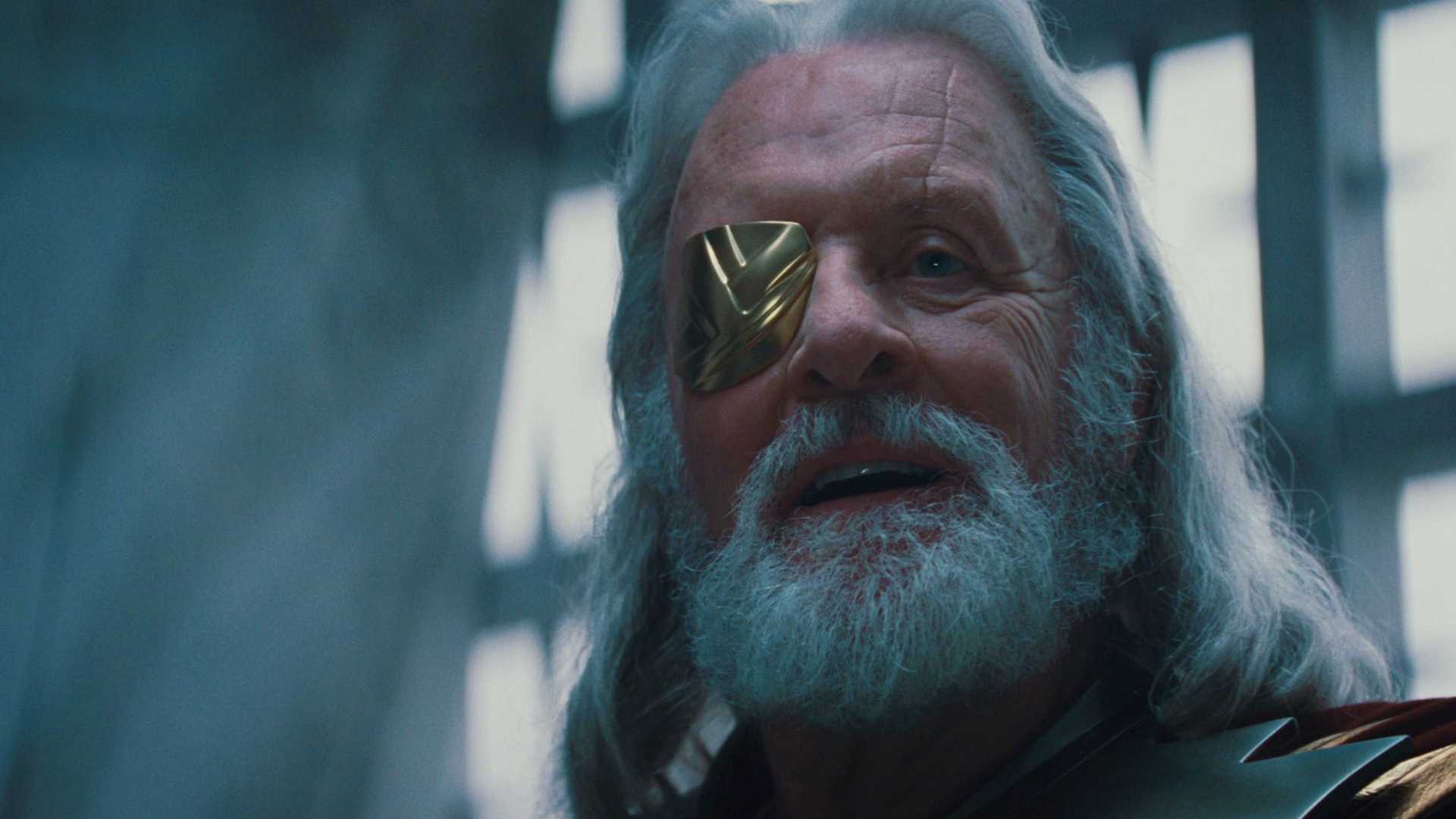
Sir Anthony Hopkins portrayed Odin All-Father in Marvel Studios' Thor (2011), Thor: The Dark World (2013), and Thor: Ragnarok (2017). Bringing Oscar-winning theatrical gravitas to the Marvel Cinematic Universe (MCU), Hopkins grounded the cosmic fantasy with Shakespearean depth, establishing Odin as a formidable king, flawed father, and vital catalyst for Thor and Loki’s character evolutions.
The Casting and Vision: Bringing Shakespearean Scale to Asgard
When Marvel Studios announced the live-action adaptation of Thor for Phase One of the Marvel Cinematic Universe, critics and fans questioned how the studio would blend Norse mythology and space fantasy with the grounded, technology-driven tone established by Iron Man (2008). The casting of Sir Anthony Hopkins as Odin—the King of Asgard and Supreme Protector of the Nine Realms—served as a crucial anchor for the project's legitimacy.
Director Kenneth Branagh, renowned for his adaptations of William Shakespeare's work, intentionally framed the royal family of Asgard as a high-stakes tragedy of power, lineage, and hubris. To execute this vision, Branagh needed an actor who could command immediate respect while wearing elaborate armor and gold-plated eye patches without appearing absurd. Hopkins delivered a performance rooted in classical stage technique, balancing absolute monarchical authority with tender, heartbreaking paternal grief.
Hopkins credited Branagh with shaping his performance, noting in interviews that the director provided clear theatrical boundaries while allowing freedom in emotional delivery. Rather than playing Odin as an detached mythical deity, Hopkins portrayed a weary ruler burdened by centuries of warfare, the weight of the throne, and the challenge of raising two fiercely competitive sons.
Odin’s Character Arc Across the Marvel Cinematic Universe
Across his three appearances in the MCU trilogy, Anthony Hopkins developed Odin from an imposing, stern monarch into a reflective elder facing his ultimate mortality and legacy.
- Thor (2011): RULER & STERN MONARCH
- Banishes Thor to Earth
- Conceals Loki's Jotun lineage
- Falls into the Odinsleep
- Thor: The Dark World (2013): WEARY KING & GRIEVING HUSBAND
- Rigid military strategy against Malekith
- Mourns the death of Frigga
- Usurped and banished by Loki
- Thor: Ragnarok (2017): EXILED ELDER & FINAL WISDOM
- Passes peacefully in Norway
- Reveals Hela's existence & past sins
- Guides Thor's discovery of innate power
1. Thor (2011): Authority, Banishment, and Family Secrets
In the initial 2011 film, Hopkins presents Odin at the height of his royal authority. The film opens with Asgard preparing for the coronation of Thor (Chris Hemsworth). When Frost Giants breach the vaults to reclaim the Casket of Ancient Winters, Thor disobeys his father's orders and launches an unauthorized retaliatory strike on Jotunheim.
This conflict leads to one of the most iconic scenes in MCU history: the banishment of Thor. Standing in the observatory of the Bifrost, Hopkins delivers a performance of soaring fury mixed with paternal sorrow. Stripping Thor of his armor, hammer, and divine powers, Odin declares:
"Thor Odinson, you have disobeyed the express command of your king! Through your arrogance and stupidity, you've opened these peaceful realms and innocent lives to the horror and devastation of war... I now take from you your power! In the name of my father, and his father before, I, Odin All-Father, cast you out!"
Shortly after this outburst, Odin falls into the Odinsleep—a state of deep hibernation required to restore his magical reserves. Before collapsing, however, he faces Loki (Tom Hiddleston), who discovers that he is not a biological Asgardian, but rather the orphaned son of the Frost Giant king, Laufey. Hopkins plays this confrontation not with malice, but with tragic regret, explaining that he took Loki in to forge an enduring peace between their worlds.
2. Thor: The Dark World (2013): Weariness, Grief, and Betrayal
In the 2013 sequel, Thor: The Dark World, Hopkins depicts an older, less adaptable Odin. Confronted by the return of the Dark Elves led by Malekith, Odin refuses to yield or seek alternative strategies, insisting on traditional warfare that puts Asgard in peril.
The emotional heart of Hopkins' work in this installment lies in the loss of his wife, Queen Frigga (Rene Russo). Frigga's death breaks Odin's military stoicism, revealing an embittered widower bent on vengeance regardless of cost. This rigidity drives Thor to break Loki out of the dungeons and act against his father's commands.
The film concludes with a dramatic twist: Loki fakes his death on Svartalfheim, secretly returns to Asgard, casts an enchantment over Odin, and usurps the throne while disguised as the All-Father.
3. Thor: Ragnarok (2017): Final Reconciliation and Legacy
Directed by Taika Waititi, Thor: Ragnarok provides a peaceful yet pivotal conclusion to Odin's journey. Having lived in exile on Earth after Loki's spell broke his memory, Odin is eventually located by Thor and Loki in the grassy cliffs of Norway.
Hopkins portrays Odin in his final moments as a serene, reflective father who has shed the heavy armor of the crown. He warmly addresses both Thor and Loki as his sons, warning them that his death will free his secret firstborn child, Hela (Cate Blanchett), the Goddess of Death whom he had imprisoned centuries prior.
Before dissolving into a shower of golden energy, Odin imparts a crucial lesson that redefines Thor’s identity: Asgard is not a place, but a people. This final apparition reappears later in the film during Thor's vision, reminding him that Mjölnir was merely a channel for his strength, famously asking: "Are you Thor, God of Hammers?"
Key Character Dynamics and Performances
The strength of Hopkins' portrayal rests largely on his interactions with his key co-stars across the franchise.
Odin and Thor: The Weight of Expectations
The relationship between Odin and Thor represents a classic clash between traditional monarchy and youthful impulsiveness. Hopkins acts as an anchor for Chris Hemsworth's performance, challenging Hemsworth to grow from a brash warrior into a measured leader. Odin’s lessons—shifting Thor’s perception of strength from conquest to protection—form the emotional spine of Thor's broader arc through Avengers: Endgame.
Odin and Loki: Love, Deception, and Omission
The bond between Odin and Loki is defined by tragic miscommunication and withheld truths. While Loki views Odin's concealment of his Jotun heritage as a betrayal, Hopkins plays Odin as a father who genuinely loved Loki as his own son, yet failed to navigate Loki's feelings of lingering inadequacy next to Thor. Hopkins’ delivery in Thor: Ragnarok—referring to Loki as "my son"—provides Loki with critical emotional closure that influences his later redemption.
Detailed Overview: Anthony Hopkins as Odin across Marvel Films
The following table summarizes Sir Anthony Hopkins' role, narrative function, and key moments across his Marvel Cinematic Universe appearances:
| Film Title | Release Year | Director | Primary Narrative Role | Character Status & Fate | Key Emotional / Dramatic Scene |
|---|---|---|---|---|---|
| Thor | 2011 | Kenneth Branagh | Ruler, mentor, punishing father | Enters the Odinsleep; saves Thor & Loki on the Bifrost | The Banishment Speech at the Bifrost |
| Thor: The Dark World | 2013 | Alan Taylor | Grieving king, uncompromising strategist | Secretly deposed and enchanted by Loki | Confrontation with Loki in the dungeon |
| Thor: Ragnarok | 2017 | Taika Waititi | Exiled sage, harbinger of Ragnarok | Passes away peacefully; reappears in divine vision | The Norway farewell & "God of Hammers" vision |
Performance Analysis: The Impact of Classical Acting on Comic Book Cinema
Prior to the early 2010s, superhero cinema often struggled to balance comic book aesthetics with dramatic credibility. Sir Anthony Hopkins brought decades of classical stage experience, including extensive work at the Royal National Theatre and an Academy Award for The Silence of the Lambs, to the Marvel sandbox.
Vocal Technique and Command
Hopkins utilized deliberate vocal pacing, deep resonance, and tactical silence to control scenes. During dialogue heavy on fictional lore (such as references to Yggdrasil, Jotunheim, or the Convergence), Hopkins spoke with absolute conviction, elevating expository dialogue into regal decree.
Subverting the "Stern Father" Archetype
While comic book iterations of Odin often depict him as a harsh, unyielding deity, Hopkins introduced moments of physical vulnerability. His silent pauses—such as the subtle tremor in his breath before stripping Thor of Mjölnir, or the soft smile he shares with his sons in Norway—reminded audiences that behind the divine king was an aging man haunted by past military mistakes.
Comic Books vs. MCU Adaptation: How Hopkins' Odin Differed
Marvel Comics, created by Stan Lee and Jack Kirby, presented Odin as a booming, omnipotent force often locked in conflict with his council and sons, frequently brandishing the destructive Odinforce.
| Comic Book Odin (Earth-616) | MCU Odin (Anthony Hopkins) |
|---|---|
| Cosmic power house / aggressive | Measured, battle-weary sovereign |
| Harsh, unyielding patriarch | Complex, regretful father |
| Frequent use of raw Odinforce | Strategic mystical and physical power |
| Reborn through cosmic cycles | Mortal lifespan ending in Norway |
The MCU adaptation smoothed out the character's harsher edges while retaining his flaws:
- Regret over Conquest: The MCU introduced Hela to demonstrate that Odin was once a bloodthirsty conqueror who later chose peace and erased his bloody history to build a benevolent kingdom.
- Mortality and Magic: Rather than an immortal entity whose power resets infinitely, Hopkins played Odin as a biological alien king whose magical lifespan eventually expires.
Frequently Asked Questions
Why did Odin banish Thor to Earth in the first Thor film?
Odin banished Thor because Thor defied royal commands and reignited a dangerous conflict with the Frost Giants of Jotunheim. Thor's arrogance proved he was unprepared to rule Asgard. Odin stripped Thor of his power and placed a charm on Mjölnir so that Thor could only reclaim his strength once he proved himself truly worthy through humility and self-sacrifice.
How did Loki usurp Odin between The Dark World and Ragnarok?
At the end of Thor: The Dark World, Loki faked his death on Svartalfheim and disguised himself as an Asgardian soldier. He returned to Asgard, placed an enchantment over Odin to cloud his memories, and banished him to a retirement home on Earth. Loki then assumed Odin's form using his illusion magic to rule Asgard unbothered.
Why did Odin die in Thor: Ragnarok?
Odin's death was caused by old age and the exhaustion of his natural life force, accelerated by the stress of Loki's displacement spell. As Odin explained to Thor and Loki in Norway, his time had naturally come to an end, and his death was the final seal holding back his firstborn daughter, Hela.
Did Anthony Hopkins perform his own stunts in the MCU?
No, major physical stunts for Odin were performed by professional stunt doubles, though Hopkins wore full armor and carried Odin's spear, Gungnir, during action sequences. Hopkins relied primarily on vocal presence and physical staging to convey battle-tested authority.
What is the Odinsleep in Marvel lore?
The Odinsleep is a periodic state of deep hibernation required by the All-Father to recharge his magical reserves (the Odinforce) and maintain his immortality. In the 2011 film Thor, the emotional stress of confronting Thor and Loki triggered the Odinsleep unexpectedly, leaving Asgard vulnerable to Loki's scheming.
Viewing Recommendation and Next Steps
For viewers analyzing Anthony Hopkins' performance and its impact on the Marvel Cinematic Universe, watching the films in narrative order highlights the subtle shifts in his acting choices:
- Watch Thor (2011) to evaluate Hopkins’ classical theatrical approach and how he establishes the father-son dynamics.
- Pair it with Thor: Ragnarok (2017) to observe how Hopkins shifts his tone from formal regal authority to understated, humorous, and poignant wisdom.
- Compare Hopkins' portrayal with traditional Norse myth literature (such as the Poetic Edda) or Marvel's Thor comic runs by Walter Simonson to appreciate how the film adaptation transformed a mythical god into a humanized, tragic king.