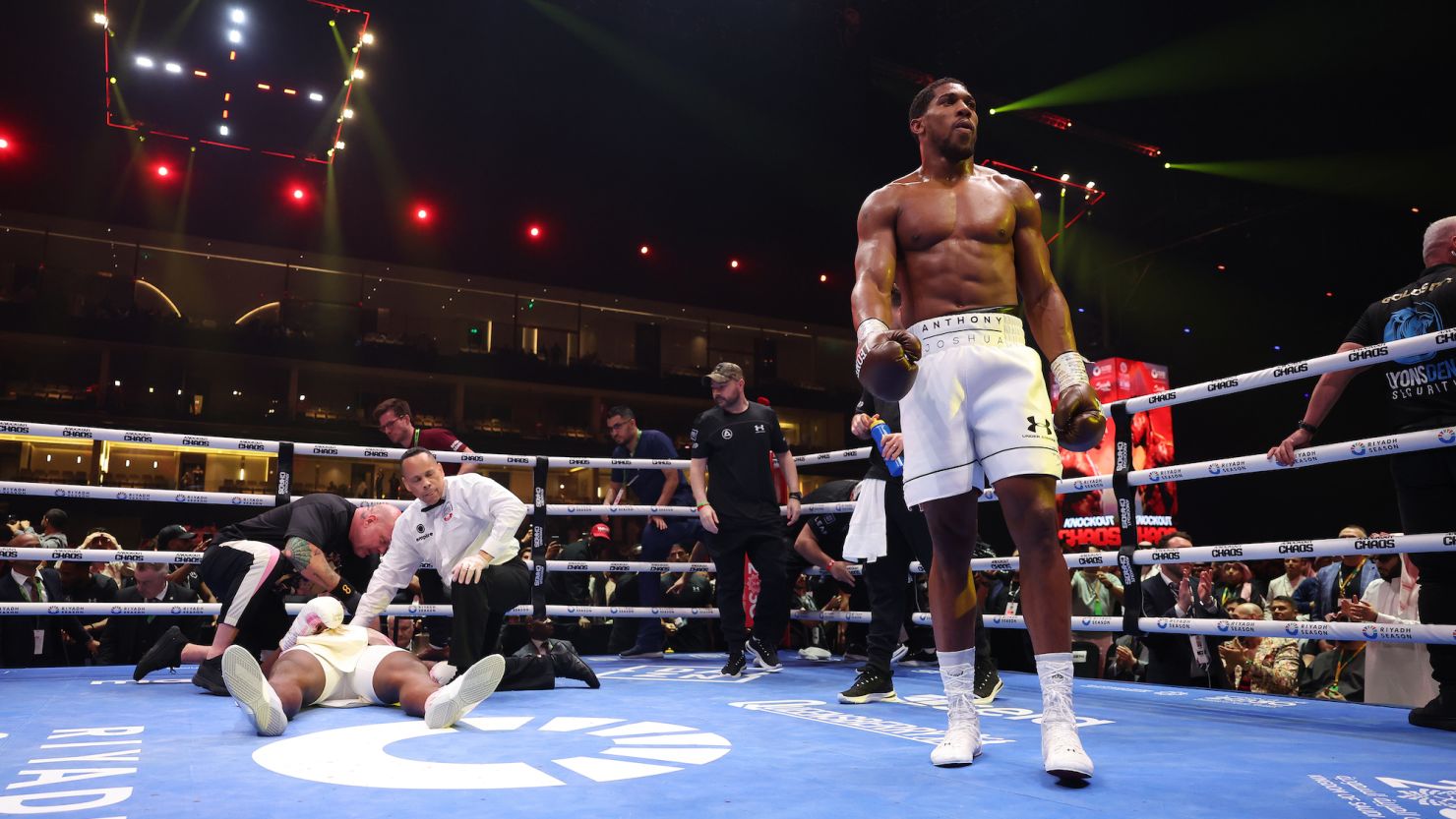
The financial structure of an Anthony Joshua fight payout involves a complex interplay of base guarantees, pay-per-view (PPV) revenue splits, international broadcasting rights, and high-stakes sponsorship deals. While public figures for individual events often represent estimates rather than exact contractual amounts, they fundamentally rely on a tiered model that rewards both the commercial draw of the athlete and the specific financial success of the event itself.
The Anatomy of a Heavyweight Purse
In professional boxing, the term "payout" is rarely a simple lump sum. For a high-profile athlete like Anthony Joshua, the compensation is structured through several distinct revenue streams. Understanding these components is essential to demystifying the reported millions that frequently dominate sports headlines.
Base Guarantee
The base guarantee is the foundational amount a fighter is contracted to receive, regardless of the event's financial performance. This is the "floor" of the payout. It provides the fighter with financial security, covering training camp costs, coaching staff salaries, medical insurance, and management fees. For a fighter of Joshua’s stature, the base guarantee is substantial, reflecting his status as a premier global brand in the sport.
Pay-Per-View (PPV) Upside
This is often the most significant, yet volatile, component of a heavyweight payout. Contracts for major fights include a "participation" or "bonus" structure tied to PPV sales. As the number of buys increases beyond a predetermined threshold, the fighter receives a percentage of each subsequent sale. This incentivizes the fighter to participate in extensive promotional tours, media appearances, and press conferences, as their total compensation is directly tethered to the volume of public interest they generate.
Broadcaster and Platform Fees
The landscape of boxing distribution has evolved significantly. In 2026, the streaming era has decentralized how fights are sold. Joshua’s payouts are influenced by the specific rights deals negotiated between promoters (such as Matchroom Boxing) and global streaming platforms. These platforms often pay a flat fee for the rights to host the broadcast, which serves as a primary driver for the initial purse.
The Role of Promoters and Management
Anthony Joshua’s career is governed by professional agreements that dictate how revenue is allocated before it ever reaches the fighter. Matchroom Boxing, led by Eddie Hearn, functions as the primary promotional vehicle.
- Promoter’s Cut: The promoter assumes the financial risk of organizing the event, including venue hire, undercard talent, insurance, and regulatory compliance. Their portion of the revenue covers these operational costs and provides their profit margin.
- Management Fees: Management entities typically command a percentage—often between 10% and 20%—of the fighter’s gross earnings. This is a standard industry practice to compensate the team responsible for contract negotiations, strategic planning, and career pathing.
- Training Expenses: A significant "hidden" cost involves the training camp. A world-class camp includes nutritionists, strength and conditioning coaches, sparring partners, and specialized training facilities. These are paid out of the athlete's gross purse.
Global Sponsorships and Endorsements
A comprehensive view of the Anthony Joshua "payout" must distinguish between fight earnings and total annual income. Joshua has maintained long-standing partnerships with global brands in apparel, luxury watches, sports drinks, and automotive industries.
While these funds do not come from the opponent or the promoter, they are often activated and promoted during the fight week. These contracts are frequently structured to include performance bonuses based on the visibility of the fighter during major broadcast events. Consequently, a high-profile fight acts as a catalyst for these endorsement payments, effectively increasing the total financial reward associated with a specific ring appearance.
Comparative Revenue Models
To understand the scale of Joshua's earnings, it is helpful to compare the components of revenue generation against other professional athletes. Unlike salary-based sports (like football or basketball), boxing is a transactional business.
| Revenue Stream | Description | Dependency |
|---|---|---|
| Base Purse | Contracted minimum payment | Independent of event sales |
| PPV Percentage | Split of domestic/global buy rate | Highly dependent on market interest |
| Sponsorships | Brand endorsement fees | Independent of ring performance |
| Broadcaster Rights | Guaranteed media licensing fees | Dependent on platform demand |
| International Rights | Distribution in non-domestic markets | Dependent on global reach |
The Impact of Inflation and Economic Shifts
By 2026, the financial dynamics of the heavyweight division have been affected by broader economic shifts. The costs associated with staging international events—logistics, travel, and currency fluctuations—have forced promoters to adopt more sophisticated hedging strategies. For a fighter, this means that the "reported" payout might remain stable in raw numbers, but the net take-home pay is subject to the rising costs of maintaining elite-level support structures.
Verification of Earnings
Discrepancies often arise because "reported" payouts are rarely audited official figures. They are frequently provided by independent reporting outlets or leaked by sources close to the negotiations. In the United Kingdom, certain information may be disclosed to the British Boxing Board of Control (BBBofC) for regulatory purposes, but full financial breakdowns are rarely public record.
When you read that a fighter "earned $20 million," it is critical to distinguish between:
- Gross Purse: The total amount before taxes, management fees, and expenses.
- Net Purse: The amount remaining after all liabilities are settled.
- Estimated Total Value: A broad estimation that often erroneously combines fight earnings with private sponsorship deals.
Frequently Asked Questions
Is the fighter's payout influenced by the opponent's popularity?
Yes. Opponents with high "drawing power" increase total event revenue through ticket sales and PPV interest. This often leads to a higher total pool of money to be split, effectively raising the payout for both parties. A marquee matchup typically generates a higher "gate" (ticket revenue), which is a key component of the overall payout calculation.
Does the fight result affect the payout?
Usually, no. In most professional boxing contracts, the fighter’s purse is guaranteed regardless of whether they win or lose. However, performance-based bonuses (such as "Fight of the Night" or specific outcome clauses) are occasionally written into contracts, though these are less common at the elite heavyweight level compared to base guarantees.
Why do reported payouts differ between sources?
Reporting outlets often use different methodologies. Some estimate only the base purse, while others attempt to calculate the "upside" from PPV shares. Unless a promoter or a fighter’s management team releases an official statement, all figures regarding PPV performance remain speculative.
Are taxes deducted from the announced purse?
The figures reported in the media are almost always gross amounts. The fighter is responsible for paying taxes in the jurisdiction where the fight took place, as well as their home country. This can result in significant tax exposure, often complicated by international treaties between the UK and the fight host nation.
How do currency fluctuations affect overseas fights?
When Joshua competes in locations outside the UK, the payout may be denominated in foreign currency or pegged to the US Dollar. Promoters usually use forward contracts to lock in exchange rates, protecting the fighter from significant losses due to currency volatility, though this adds complexity to the final disbursement process.
Next Steps for Understanding Financials
If you are analyzing a specific upcoming event, look for official disclosures from the sanctioning bodies or the event promoter regarding ticket sales targets and broadcast partnerships. Be wary of figures that do not distinguish between guaranteed base pay and speculative PPV projections. For accurate financial tracking, focus on credible business-focused sports journalism rather than social media rumors, as the former is more likely to differentiate between established guarantees and variable revenue streams.