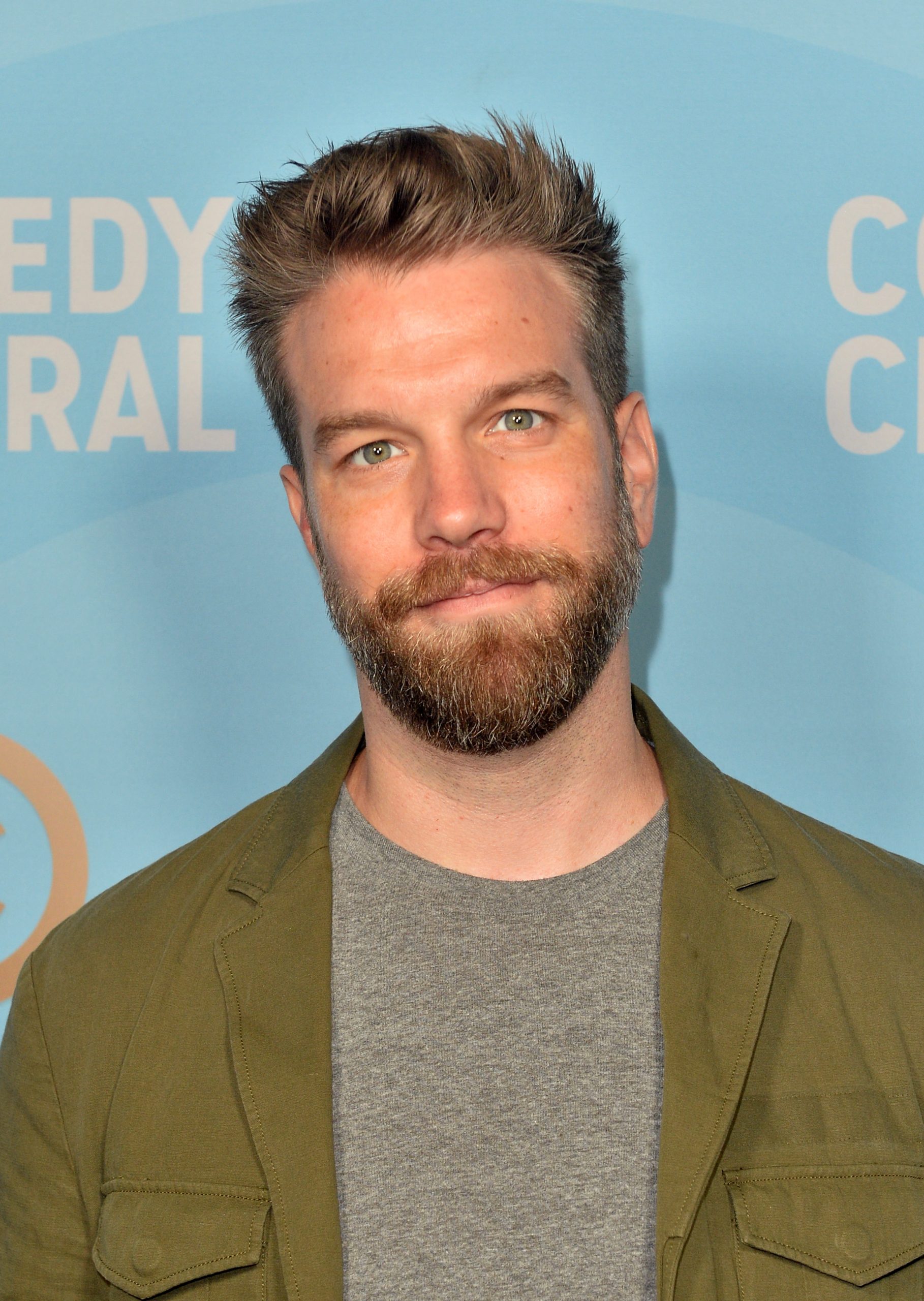
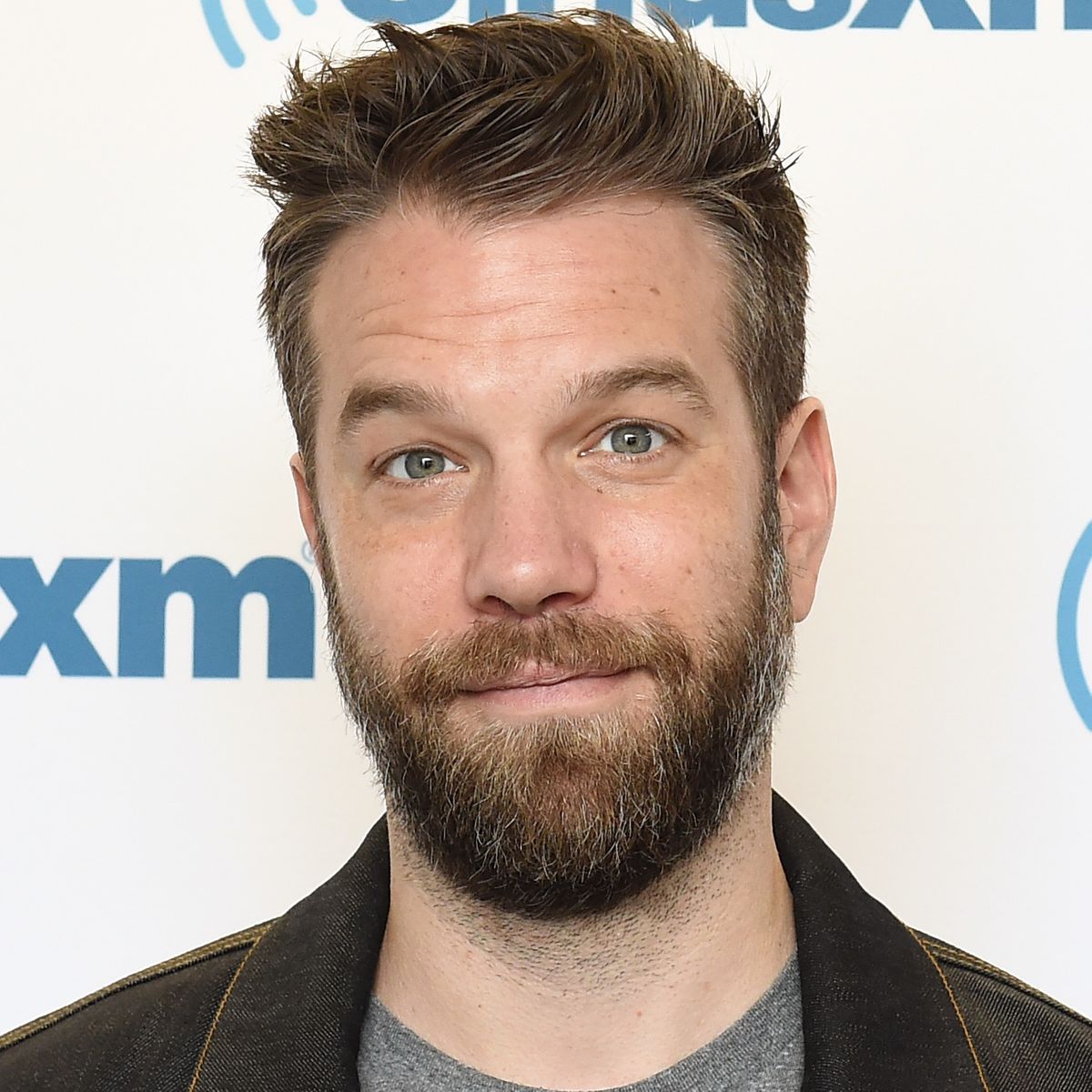
Anthony Jeselnik's estimated net worth in 2026 is between $6 million and $8 million. The acclaimed stand-up comedian built his fortune primarily through lucrative Netflix special licensing deals, high-grossing international theater tours, television writing and hosting contracts, and long-running podcast advertising revenue.
Financial Breakdown: What Is Anthony Jeselnik's Estimated Net Worth in 2026?
As of 2026, Anthony Jeselnik maintains an estimated net worth hovering between $6 million and $8 million. Unlike main-stage comedic actors whose earnings fluctuate based on box-office grosses or syndicate residuals, Jeselnik’s financial structure closely reflects the modern blueprint of an independent touring headliner. His income is anchored by high-margin direct-to-consumer stand-up performances, direct upfront buyouts from major streaming platforms, and steady media production fees.
Evaluating celebrity net worth requires looking beyond flat estimations to examine revenue structure, recurring royalties, and operational expenses. In stand-up comedy, raw revenue does not equate to net income. A touring comic incurs overhead expenses including talent representation fees (agents, managers, attorneys typically taking 15% to 25% combined), travel and production expenses, and income tax liabilities across multiple state and international jurisdictions.
Jeselnik has deliberately cultivated a distinct brand of dark, highly structured, misdirection-based humor. This signature style established a loyal niche market that guarantees consistent ticket sales at mid-sized and large theater venues globally. Consequently, his financial portfolio exhibits significant stability compared to mainstream entertainers whose income relies on corporate studio greenlights.
Disclaimer: Net worth figures are synthesized from public touring data, industry licensing benchmarks, talent agency standard contracts, and reported historical earnings. They represent informed financial estimations rather than audited personal financial disclosures.
Core Revenue Streams Driving Anthony Jeselnik’s Wealth
To understand how Anthony Jeselnik amassed his wealth, it is essential to analyze the primary monetization channels that feed into his overall financial portfolio.
- Anthony Jeselnik Revenue Model
- Live Theater Tours
- Streaming Special Licensing
- Television Hosting & Writing
- Podcasting Ad Revenue (JRVP)
- Corporate & Writing Royalty
Stand-Up Comedy Tours and Live Performance Ticket Sales
Live performance serves as the primary cash-flow engine for top-tier stand-up comedians. When Jeselnik embarks on a major international tour—such as his Bones and All tour—he performs across dozens of cities in North America, Europe, and Australasia.
Theater-level comedy touring operates on specific economic terms:
- Venue Capacity: Mid-to-large venues ranging from 1,500 to 3,500 seats per show.
- Ticket Pricing: Average ticket prices generally sit between $45 and $90, with premium or VIP seating scaling higher.
- Gross Revenues: A sold-out 2,500-seat venue at an average ticket price of $60 generates approximately $150,000 in gross ticket sales for a single performance.
- Artist Split: Established headliners typically negotiate split agreements guarantee rates against 70% to 85% of door revenues after venue overhead and localized promotional costs are deducted.
By running multi-night engagements in major metropolitan markets, a single 50-city tour can easily generate millions of dollars in total gross receipts, resulting in substantial net payouts to Jeselnik's touring entity.
Netflix Licensing Deals and Streaming Comedy Specials
Streaming platforms transformed the economic model for stand-up comedy over the past decade. Traditionally, comedians relied on cable networks like Comedy Central for special distribution, which yielded lower immediate payouts but served as promotional vehicles for live touring. Netflix altered this dynamic by offering direct buyout checks for exclusive streaming rights.
Jeselnik’s catalog of specials reflects this shift:
- Caligula (2013): Originally produced with Comedy Central, establishing his brand on cable television.
- Thoughts and Prayers (2015): His inaugural Netflix original special, marking his transition into global streaming distribution.
- Fire in the Maternity Ward (2019): A high-profile Netflix original that expanded his international fan base.
- Bones and All (2024): Continued his direct distribution partnership with Netflix.
Industry standards for headliner specials on top streaming platforms typically command licensing fees ranging from $2 million to $5 million per hour-long set, depending on the performer's platform metrics and historical audience retention rates. While Netflix acquires exclusive global rights for fixed periods—eliminating long-term backend residuals—the upfront guarantee provides immediate liquidity that forms a structural floor for his net worth.
Television Writing, Production, and Hosting Deals
Before becoming a marquee touring act, Jeselnik established his financial foundation as a television writer and staff entertainer in Los Angeles and New York.
- Late Night Writing: Early career stints writing for Late Night with Jimmy Fallon provided regular Writers Guild of America (WGA) union wages, health benefits, and foundational industry credit.
- Comedy Central Roasts: Jeselnik earned widespread public recognition through his appearances on the Comedy Central Roast franchise (including roasts of Donald Trump, Charlie Sheen, and Roseanne Barr). These high-rated broadcasts yielded both competitive performance fees and major exposure.
- The Jeselnik Offensive (2013): As creator, host, and executive producer of his own Comedy Central late-night show, Jeselnik earned combined fees for on-camera talent and showrunning duties across its two-season run.
- Last Comic Standing & Good Talk: Hosting NBC's Last Comic Standing (Season 9) and Comedy Central’s interview series Good Talk with Anthony Jeselnik provided diversified multi-episode hosting contracts, further bolstering his career earnings.
Podcasting: The Jeselnik & Rosenthal Vanity Project (JRVP)
Podcasting has evolved from a promotional side project into a highly lucrative secondary asset class for comedians. Jeselnik co-hosts The Jeselnik & Rosenthal Vanity Project (JRVP) alongside his longtime friend and NFL Network analyst Gregg Rosenthal.
Podcast revenue streams rely on key metrics:
- Host-Read Ads: Podcast monetization heavily favors host-read advertisements, which command high Cost Per Mille (CPM) rates—often $25 to $40 per 1,000 downloads.
- Network Distribution: Distributed under networks like All Things Comedy and later independent podcast feeds, the show leverages regular weekly episodes to produce sustained monthly ad revenue.
- Merchandise and Digital Monetization: Supplementary revenue from podcast-branded merchandise, video views on platforms like YouTube, and syndicated digital feeds add passive cash flow with minimal production overhead.
Financial Overview & Income Breakdown
The following table outlines the estimated structural breakdown of Anthony Jeselnik’s career earnings and ongoing operational asset categories:
| Revenue Category | Primary Mechanism | Estimated Relative Contribution | Financial Characteristics |
|---|---|---|---|
| Live Stand-Up Tours | Theater Ticket Sales, Merchandising | 50% – 60% | Variable income based on tour cycles; high gross earnings offset by travel/agent overhead. |
| Streaming Deals | Netflix Upfront Special Buyouts | 20% – 30% | Large upfront single-lump payments; non-residual, fixed licensing terms. |
| TV Hosting & Writing | WGA Contracts, Producer Fees | 10% – 15% | Historical foundation; provides stable WGA pension and residual income. |
| Podcasting (JRVP) | Host-Read Advertisements, Sponsorships | 5% – 10% | Recurring weekly ad cash flow with negligible overhead cost. |
| Investments & Assets | Equities, Liquid Holdings, Real Estate | Variable | Preserves long-term capital wealth against inflation and career volatility. |
Key Career Milestones Impacting His Financial Trajectory
Understanding Jeselnik's accumulation of wealth requires reviewing the strategic decisions that defined his professional trajectory.
- Early 2000s: Open Mics & Writing
- 2009–2010: WGA Writing Staff on Late Night with Jimmy Fallon
- 2011–2012: Breakout Performances on Comedy Central Roasts
- 2013: The Jeselnik Offensive & Caligula Debut
- 2015–Present: Global Netflix Specials & International Theater Tours
1. Transition from Writers' Room to Solo Stage
Working as a staff writer provided financial security early in his career, but Jeselnik purposefully left stable television writing to focus entirely on stand-up comedy. While this created temporary financial risk, owning his solo material allowed him to capture 100% of his personal brand equity.
2. Exploiting the Roast Format
His performances on televised roasts functioned as high-efficiency marketing. Instead of spending years building a mainstream network audience, these appearances exposed millions of viewers to his precise, dark comedic timing in a single evening, drastically accelerating ticket sales for his live shows.
3. International Brand Expansion
While many American comics restrict their tours to domestic comedy clubs, Jeselnik adapted his material for international theater audiences across Ireland, the United Kingdom, Australia, and Scandinavia. Touring international theaters allows a comedian to command premium ticket pricing outside crowded domestic markets.
Asset Management, Overhead, and Comedy Economics
Gross revenue in the entertainment industry can be deceptive without considering operational costs. Stand-up comedy is structurally lean compared to film production, but established performers still manage substantial operational expenses.
Professional Representation Fees
A standard professional team takes a fixed percentage of gross earnings:
- Talent Agent: 10% (booking live tours, TV/film deals).
- Manager: 10% (overall strategy, day-to-day business oversight).
- Legal Counsel: 5% (contract negotiations and intellectual property protection).
Combined, talent representation claims approximately 20% to 25% of gross earnings before taxes.
Production and Touring Expenses
While solo performers do not require massive crews, running a multi-country theater tour involves:
- Venue rental deposits and insurance.
- Tour managers, sound engineers, and opening acts.
- Travel logistics (flights, hotels, ground transportation for crew and equipment).
Tax Liabilities
Because comedians operate as self-employed independent contractors or single-member LLCs/S-Corporations, their earnings are subject to federal taxes, state taxes across multiple jurisdictions where performances take place, and self-employment taxes. High earners in states like California face combined marginal tax rates exceeding 45% to 50% on taxable net income.
Frequently Asked Questions
What is Anthony Jeselnik's estimated net worth in 2026?
Anthony Jeselnik's estimated net worth in 2026 ranges between $6 million and $8 million. This balance is built on stand-up tour revenues, Netflix licensing deals, television projects, and podcast advertising.
How much does Anthony Jeselnik make per Netflix special?
While exact contract figures are kept private under non-disclosure agreements, established headliners of Jeselnik’s caliber typically command buyout licensing deals ranging from $2 million to $5 million per standalone special on major platforms like Netflix.
Does Anthony Jeselnik earn money from TV writing and residuals?
Yes. As a member of the Writers Guild of America (WGA) with credits on Late Night with Jimmy Fallon, The Jeselnik Offensive, and various roast specials, Jeselnik receives residual payments whenever these programs are re-broadcast, syndicated, or licensed to digital platforms.
How does Anthony Jeselnik monetize his podcast, JRVP?
The Jeselnik & Rosenthal Vanity Project (JRVP) generates revenue primarily through host-read ad insertions, corporate sponsorships, and distribution network guarantees. High download counts allow the podcast to command strong CPM (cost per thousand listens) advertising rates.
Is live stand-up comedy Jeselnik's primary source of income?
Yes. Touring accounts for over half of his total earnings. Selling out 1,500-to-3,500-seat theaters across major international cities provides direct, high-margin revenue that exceeds traditional television residuals.
Final Verdict: Financial Outlook for Anthony Jeselnik
Anthony Jeselnik’s financial stability reflects a carefully managed entertainment business. By cultivating a distinct comedic voice rather than pursuing broad network sitcom appeal, he created a high-margin, recession-resistant business model centered around live theater touring and direct streaming partnerships. Supported by low production overhead and recurring income from digital media like podcasting, Jeselnik’s net worth is well-positioned for continued steady growth.