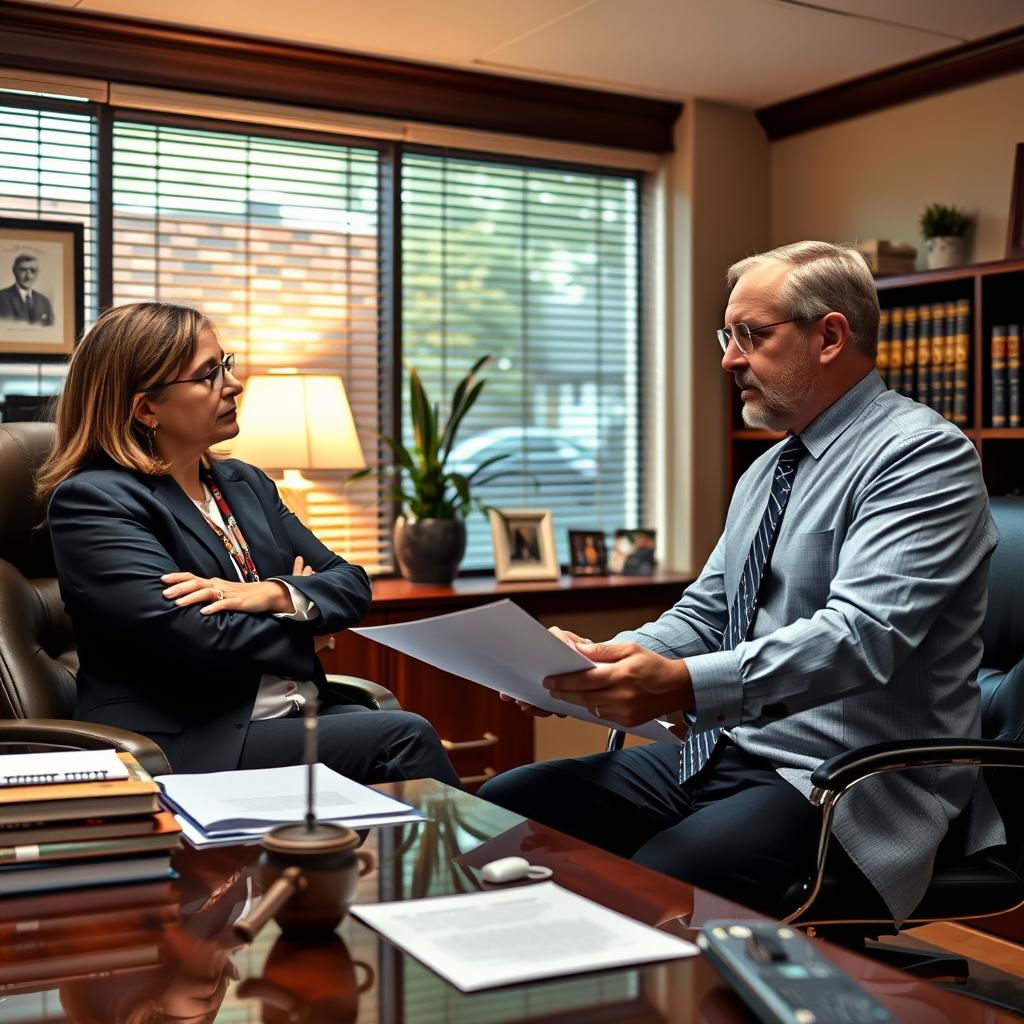
Locating a qualified local animal attack lawyer involves identifying personal injury attorneys who specialize in dog bites, premises liability, and domestic animal injuries within your state jurisdiction. Local attorneys understand municipal leash laws, state strict liability statutes, and local court procedures, ensuring you navigate insurance negotiations effectively to recover damages for medical bills, lost wages, and pain and suffering.
Disclaimer: This article provides general legal information regarding animal attack claims and how to retain legal counsel. It does not constitute formal legal advice. If you or a loved one has suffered injuries from an animal attack, consult a licensed personal injury attorney in your state to evaluate the specific facts of your case.
Understanding Animal Attack Liability: Strict Liability vs. Negligence
When seeking legal assistance after an animal bite or attack, understanding how your state governs owner liability is critical. Animal liability laws vary significantly across jurisdictions, generally falling into two primary categories: strict liability regimes and fault-based negligence rules (often referred to as the "one-bite rule").
Animal Attack Liability Laws:
- Strict Liability States
- Owner liable automatically
- No prior aggression required
- Applies in public/lawful private property
- One-Bite / Negligence States
- Must prove owner knew of prior vicious propensities
- Must demonstrate failure of reasonable restraint
Strict Liability Statutes
In strict liability jurisdictions, an animal owner is held legally responsible for injuries caused by their animal, regardless of whether the owner knew the animal was dangerous or had a history of aggression. Under these statutes, an injured person does not need to prove that the owner acted negligently. To establish a claim under strict liability, the plaintiff generally only needs to demonstrate that:
- The defendant owned or was responsible for the animal.
- The attack occurred while the victim was in a public place or lawfully on private property.
- The animal attack directly caused the victim's physical or emotional injuries.
Exceptions to strict liability typically include situations where the victim was trespassing on private property, committing a crime, or provoking the animal prior to the incident.
Common Law Negligence and the "One-Bite Rule"
In states that follow common law negligence standards or modified "one-bite" rules, an owner is generally held liable only if they knew, or reasonably should have known, that the animal possessed dangerous inclinations. Historically, this meant an owner got "one free bite" before being put on legal notice of the animal's dangerous behavior.
In these jurisdictions, a victim and their attorney must present evidence establishing that:
- The animal had previously displayed aggressive traits (such as lunging, snapping, or biting someone else).
- The owner failed to exercise reasonable care to control or restrain the animal (such as violating local leash ordinances or failing to secure a fence).
- That failure directly resulted in the victim's injuries.
Key Reasons to Hire a Local Animal Attack Attorney
While general personal injury lawyers handle a wide variety of accident cases, animal attack claims present distinct legal, medical, and insurance challenges. Hiring an attorney who resides and practices in your local area provides several practical advantages:
- Knowledge of Municipal Ordinances: Cities and counties frequently maintain specific municipal codes regarding dangerous dog designations, mandatory spay/neuter laws, leash restrictions, and enclosure specifications. A local lawyer will be familiar with municipal animal control regulations in your specific town or district.
- Familiarity with Local Courts and Insurers: Experienced local practitioners regularly interact with regional insurance adjusters, local defense attorneys, and court judges. This local insight helps in gauging settlement expectations and managing court timelines efficiently.
- Access to Local Expert Witnesses: Serious animal attacks often require expert testimony from local animal behaviorists, plastic surgeons, and vocational rehabilitation experts. Local attorneys maintain established networks of professionals qualified to testify in your regional court system.
- In-Person Accessibility: Managing physical injuries and emotional trauma after an attack can make travel difficult. A local attorney enables convenient in-person consultations, document signing, and case updates.
How to Locate and Research Local Legal Help
Finding the right attorney requires a systematic approach to ensure you partner with an advocate experienced in domestic animal injury cases.
1. State Bar Association Directories
Every state bar association maintains an online directory of licensed attorneys in good standing. Most state bar websites feature search filters by practice area (e.g., Personal Injury, Torts, Premises Liability) and geographic location (city or county). The bar directory also confirms whether an attorney has any history of professional disciplinary action.
2. Specialized Legal Directories
Legal rating platforms and professional associations offer peer-reviewed ratings, client reviews, and detailed professional profiles. When searching these directories, look specifically for lawyers who dedicate a substantial portion of their practice to dog bites, animal attacks, and premises liability claims rather than broad general practice.
3. Recommendations from Medical Professionals and Community Members
Victims of animal attacks frequently receive care from urgent care physicians, emergency room staff, or plastic surgeons. Medical professionals who treat trauma injuries often know which local attorneys effectively advocate for patients seeking coverage for medical bills and reconstructive procedures.
4. Evaluating Experience and Track Record
Once you compile a list of potential local attorneys, review their websites and public case records for:
- Specific experience representing animal attack victims.
- Verdicts and settlement outcomes in dog bite or animal liability cases.
- Professional memberships in trial lawyer associations or specialized legal groups.
Crucial Steps Immediately Following an Animal Attack
Building a successful legal claim depends heavily on the actions taken immediately following the incident. Taking systematic steps helps preserve evidence and safeguard your health and legal rights.
Immediate Steps After an Attack:
Obtain Urgent Medical Care
Identify Animal & Owner
Report to Animal Control
Document Evidence & Wounds
Contact Local Attorney
Seek Immediate Medical Attention: Animal bites present high risks of bacterial infection (such as Capnocytophaga, Pasteurella, or tetanus) and rabies transmission. Immediate evaluation by a physician creates an official medical record connecting your injuries directly to the attack.
Identify the Animal and Owner: Obtain the owner's full name, address, phone number, and homeowner's or renter's insurance details. Request proof of current rabies vaccination for the animal.
Report the Incident to Local Animal Control or Law Enforcement: File a formal report with your city or county animal control agency or local police department. Officers will investigate, document the incident, verify vaccination records, and issue a quarantine order or civil citation if necessary. The official report serves as vital evidence in your legal claim.
Document the Evidence: Take clear, high-resolution photographs of all physical injuries, torn or bloodied clothing, the location where the attack occurred, and any relevant environmental factors (such as a broken fence or lack of warning signs).
Collect Witness Information: Obtain the names, phone numbers, and email addresses of anyone who witnessed the attack or who can attest to the animal's historical behavior in the neighborhood.
Maintain a Daily Symptom and Recovery Journal: Record pain levels, emotional distress, medical appointments, missed workdays, and daily limitations to establish the ongoing impact of your injuries.
Comparing Options for Handling an Animal Attack Claim
When deciding how to manage an animal attack injury claim, victims generally have three main pathways. The table below compares the key features, advantages, and drawbacks of each approach.
| Option | Primary Characteristics | Advantages | Disadvantages / Risks | Best Suited For |
|---|---|---|---|---|
| Direct Settlement with Owner's Insurance | Unrepresented claimant negotiates directly with the property or auto insurer. | No attorney fees deducted from payout; fast resolution for minor injuries. | Insurers frequently undervalue non-economic damages, future medical costs, and scar revision. | Minor bites requiring basic first aid with zero permanent scarring or lost wages. |
| Hiring a Local Personal Injury Attorney | Legal counsel handles investigation, policy evaluation, negotiations, and litigation on contingency. | Maximize claim value; deep knowledge of local liability laws; stress-free process for victim. | Attorney receives a contingency fee percentage (typically 33% to 40%) upon successful recovery. | Moderate to severe injuries, scarring, psychological trauma, or disputed liability. |
| Filing in Small Claims Court | Self-represented filing in local municipal court for damages under state statutory limits. | Fast resolution; lower court fees; simplified rules of evidence. | Limited financial recovery capped by state small claims limits (typically $2,500 to $15,000). | Claims with clear liability where total financial damages fall under small claims caps. |
Understanding Insurance Coverage in Animal Attack Cases
In most animal injury cases, financial compensation is paid through insurance policies rather than out of the animal owner's personal bank account. Locating all available insurance coverage is a key responsibility of your attorney.
Homeowner's and Renter's Insurance Policies
The primary source of recovery in domestic animal attacks is the owner's homeowner's or renter's insurance policy. Liability coverage under these policies typically pays for bodily injury and property damage caused by family members and household pets up to policy limits (commonly $100,000 to $300,000).
Policy Exclusions and Breed-Specific Restrictions
Many standard insurance policies contain specific exclusions that complicate financial recovery:
- Breed Exclusions: Some insurers explicitly exclude coverage for specific dog breeds deemed high-risk (such as Pit Bulls, Rottweilers, German Shepherds, or Doberman Pinschers).
- Animal History Exclusions: If a dog has a documented history of prior bites, the insurance provider may have issued an endorsement excluding that specific animal from liability coverage.
- Location Exclusions: Some policies restrict coverage for incidents occurring off the insured premises.
An experienced local attorney will thoroughly review policy language to identify applicable coverage, negotiate around exclusion clauses, or explore secondary sources of recovery, such as commercial umbrella policies or landlord liability.
Potential Damages Recoverable in an Animal Attack Claim
Victims of animal attacks may be entitled to both economic and non-economic damages, depending on the severity of the incident and state law.
Categories of Recoverable Damages:
- Economic Damages
- Emergency room & hospital bills
- Plastic surgery & scar revision
- Physical & occupational therapy
- Lost wages & lost earning power
- Non-Economic Damages
- Physical pain and suffering
- Emotional distress & PTSD
- Permanent disfigurement/scarring
- Loss of enjoyment of life
Economic Damages (Measurable Financial Losses)
- Immediate Medical Care: Emergency transportation, ER visits, surgical intervention, rabies post-exposure prophylaxis, antibiotics, and wound care supplies.
- Future Medical Costs: Anticipated plastic surgery, scar revision procedures, skin grafts, and long-term psychological counseling.
- Lost Income: Compensation for time taken off work during initial recovery and ongoing medical treatment.
- Loss of Earning Capacity: Adjustments for long-term or permanent disability that impairs your ability to earn a living in your chosen field.
Non-Economic Damages (Subjective Non-Financial Losses)
- Pain and Suffering: Compensation for physical discomfort and ongoing physical limitations caused by nerve damage or joint impairment.
- Emotional Distress and PTSD: Animal attack victims—especially children—frequently experience severe post-traumatic stress disorder, phobias, night terrors, and anxiety.
- Permanent Disfigurement and Scarring: Distinct financial recovery provided for visible permanent scars, cosmetic deformities, or tissue loss, particularly on the face, hands, or visible body areas.
Key Questions to Ask During Your Initial Legal Consultation
Most local personal injury lawyers offer free initial consultations. Preparing specific questions helps you evaluate whether an attorney is the right fit for your case.
- What percentage of your legal practice is dedicated to dog bite and animal attack claims?Why it matters: You want an attorney who regularly handles animal liability claims rather than someone who primarily handles auto accidents or general civil cases.
- How does state and local law apply to the specific facts of my attack?Why it matters: This tests the lawyer’s immediate understanding of strict liability versus negligence rules in your town and state.
- What is your fee structure and how are case expenses handled?Why it matters: Most personal injury lawyers work on a contingency fee basis (retained for a percentage of the final settlement or award). Confirm whether you are responsible for out-of-pocket case costs (such as medical record fees or expert witness fees) if the case is unsuccessful.
- How do you approach settlement negotiations versus taking a case to trial?Why it matters: An attorney prepared to go to court often secures better settlement offers from insurance companies that try to minimize compensation.
- Who will handle the day-to-day work on my case?Why it matters: Clarify whether your primary contact will be the lead attorney, an associate lawyer, or a paralegal.
Frequently Asked Questions
What should I do if the animal owner is a neighbor or family member?
Navigating an attack involving a neighbor or family member can be emotionally complex. It is important to remember that legal claims are typically made against the owner's homeowner's or renter's insurance policy, not their personal personal bank account. A professional attorney can handle negotiations tactfully, seeking compensation directly from the insurance provider while minimizing direct personal conflict between family members or neighbors.
How long do I have to file an animal attack lawsuit?
The deadline to file an animal attack lawsuit is governed by your state's statute of limitations for personal injury claims. Depending on the state, this timeframe typically ranges between one and three years from the date of the attack. For minors, the statute of limitations may be paused (tolled) until they reach the age of majority. However, consulting a local lawyer promptly is vital to preserve fresh physical evidence, secure witness statements, and report the incident before deadlines pass.
Can I still recover damages if I was partially at fault for the attack?
Yes, depending on your state's comparative fault rules. Many states follow a modified comparative negligence system, allowing victims to recover partial damages if their share of fault (such as accidentally stepping on an animal or ignoring warning signs) is under 50% or 51%. In these cases, your ultimate financial recovery is reduced in proportion to your percentage of fault. An experienced local attorney can help counter claims that you provoked the animal.
What if the animal that attacked me was a stray or the owner cannot be identified?
If the animal is a stray or the owner flees the scene and cannot be found, recovering financial compensation becomes significantly more challenging. In some cases, if the attack occurred on commercial premises or within an apartment complex, the property owner or landlord may be held liable under premises liability laws if they knew an unidentified dangerous animal was present on the property and failed to protect visitors.
How much does it cost to hire an animal attack lawyer?
Most personal injury attorneys represent animal attack victims on a contingency fee basis. Under this arrangement, you pay no upfront fees or hourly rates. The attorney receives a fixed percentage—typically 33.3% to 40%—of the total financial recovery obtained through a settlement or trial verdict. If the attorney fails to recover compensation on your behalf, you generally owe no legal fees.
Protecting Your Rights and Next Steps
Securing fair compensation following an animal attack requires swift, methodical action. Prioritize immediate medical care to prevent infection and establish formal treatment records, then report the incident to your local animal control or police department to ensure official documentation. Collect as much photographic and witness evidence as safety permits.
Once immediate health needs are addressed, contact a qualified local personal injury attorney specializing in animal attack claims. Engaging an experienced local lawyer early protects your rights under state statutes, prevents insurance adjusters from underestimating your claim, and ensures you seek full financial compensation for both immediate recovery and long-term needs.