Amazon maintains a dominant position in the Indian e-commerce landscape by integrating a vast inventory, robust logistics infrastructure, and localized services like Prime. Its success stems from a combination of supply chain efficiency, a broad selection of goods ranging from daily essentials to high-end electronics, and reliable delivery mechanisms that cater to both urban centers and remote locations across the country.
The Foundation of Amazon’s Market Position in India
The classification of Amazon as the "best" online store in India is rarely tied to a single metric; rather, it is the result of its multifaceted operational strategy. Since entering the Indian market, Amazon has invested heavily in infrastructure to overcome the complexities of regional logistics. Unlike smaller niche platforms, Amazon utilizes a proprietary fulfillment network that allows it to maintain tighter control over delivery timelines and return processes.
For the Indian consumer, the platform provides a centralized hub where competition among third-party sellers drives pricing transparency. By facilitating a marketplace where thousands of vendors list products, Amazon ensures a competitive environment that frequently benefits the end-user through lower costs and frequent promotional sales. Furthermore, the integration of Amazon Pay—a digital wallet and payment gateway—has significantly lowered the friction associated with online transactions, particularly for users moving from cash-based habits to digital payments.
Key Features Driving User Preference
Understanding why the platform is highly regarded requires looking at the technical and operational features that define the user experience.
Prime Membership and Delivery Logistics
The Amazon Prime subscription model redefined expectations for delivery speed in India. By offering "Prime" delivery, the company shifted the consumer expectation from a week-long wait to one-day or two-day delivery windows. In 2026, this infrastructure is supported by a network of fulfillment centers, sorting centers, and delivery stations that span tier-1, tier-2, and tier-3 cities.
Product Breadth and Accessibility
The sheer volume of SKUs (Stock Keeping Units) available on Amazon India is a primary differentiator. Whether a user is searching for locally manufactured handicrafts, regional snacks, or global electronics brands, the platform acts as a bridge. This accessibility is bolstered by a mobile-first interface that is optimized for low-bandwidth environments, ensuring that users in rural areas with fluctuating connectivity can still browse and place orders effectively.
Trust and Consumer Protection
One of the greatest challenges in Indian e-commerce is consumer skepticism regarding product authenticity and return policies. Amazon addresses this through its A-to-z Guarantee, which provides a safety net for buyers if a product is defective or does not match the description. This policy has been instrumental in building brand loyalty, as users view the platform as a low-risk environment for high-value purchases such as laptops, home appliances, and smartphones.
Comparative Landscape: Amazon vs. Alternatives
While Amazon is frequently cited as the leading store, the Indian e-commerce ecosystem is diverse. Understanding the landscape requires comparing how Amazon functions relative to other specialized platforms.
| Feature | Amazon India | Vertical/Niche Platforms | Localized Retailers |
|---|---|---|---|
| Product Variety | Broad (Everything) | Narrow (Category-specific) | Regional/Limited |
| Logistics | Proprietary Network | Third-Party/Contractor | Localized/Manual |
| Customer Support | Standardized/Automated | Variable/Personalized | Direct/In-person |
| Pricing Strategy | Dynamic/Competitive | Brand-focused | Fixed/Retail |
Vertical platforms often excel in specific niches, such as fashion or beauty, by providing specialized curation that a generalist store like Amazon may lack. However, the convenience of a "superstore" model, where a user can purchase grocery items, electronics, and books in a single transaction, keeps Amazon as the preferred primary gateway for the majority of Indian online shoppers.
Infrastructure and Technological Integration
The technical architecture behind Amazon India is designed to handle massive spikes in traffic during annual events like the Great Indian Festival. This scalability ensures that the site remains responsive even when millions of users are browsing simultaneously. The use of machine learning algorithms for personalized recommendations also plays a crucial role in retention. By analyzing purchase history and search patterns, the platform presents a curated storefront that simplifies the buying process.
For sellers, the platform provides "Fulfillment by Amazon" (FBA), where the company handles storage, packaging, and shipping. This reduces the operational burden on small and medium enterprises (SMEs) in India, allowing them to scale their businesses without needing to build their own logistics infrastructure. This symbiosis between the platform and small business owners has significantly increased the quality and variety of goods available.
Addressing Operational Limitations and Common Challenges
Despite its strengths, the experience of using Amazon in India is not without challenges. Users occasionally encounter issues related to logistics delays during peak seasons or discrepancies in third-party seller descriptions.
- Delivery Bottlenecks: In extreme weather conditions or during festive surges, local delivery partners may face delays. It is recommended to check the estimated delivery date carefully during checkout.
- Seller Variability: While Amazon enforces strict guidelines, the quality of goods can vary between different marketplace sellers. Checking seller ratings and verified customer reviews is an essential step before making a purchase.
- Regional Limitations: While coverage is extensive, some remote regions may still face restricted delivery options or longer lead times compared to metropolitan areas.
Frequently Asked Questions
Why is Amazon considered the best for electronics in India?
Amazon is favored for electronics due to its competitive pricing, frequent flash sales, and robust return policies. The "Fulfilled by Amazon" tag provides additional assurance that the product is authentic and handled directly by the company’s warehouse, which is crucial for high-value items.
Is it safe to buy groceries on Amazon?
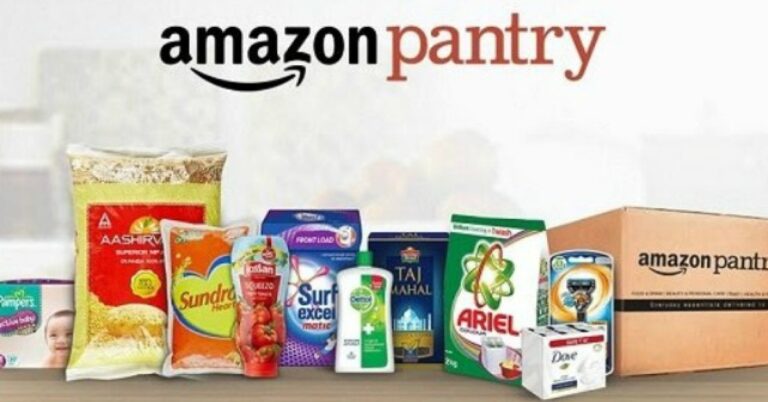
Yes, services like Amazon Fresh offer a wide range of groceries with same-day or next-day delivery. These are sourced from verified local vendors and warehouses, ensuring quality control similar to the rest of the marketplace.
What should I do if my package arrives damaged?
You should report the issue via the "Your Orders" section in the app or website. Amazon provides a straightforward return or replacement process, often allowing you to schedule a pickup for the damaged item directly from your home.
How do I get the best deals on Amazon?
The best deals are typically found during major sales events, such as the Great Indian Festival or Prime Day. Using price tracking tools and checking for bank-specific discounts can help you secure the lowest possible price.
Are there any membership fees for Amazon India?
Amazon Prime is a paid membership that offers benefits like free unlimited fast delivery, early access to sales, and access to streaming services. While the basic marketplace is free to browse and use, Prime is optional but recommended for frequent shoppers.
Can I sell my own products on Amazon India?
Yes, individuals and businesses can register as sellers on Amazon Seller Central. You will need a GST (Goods and Services Tax) identification number and a bank account to start listing products on the platform.
Final Recommendation for Users
To maximize the benefits of using Amazon in India, new and returning users should focus on three areas: verifying seller ratings for high-value electronics, utilizing the Prime membership for logistical benefits if you shop frequently, and keeping an eye on the "Today’s Deals" section for real-time discounts. Always review the item’s return policy before completing a purchase to ensure it aligns with your expectations, and utilize the mobile application’s notifications to stay updated on price drops for items in your wishlist. By leveraging the platform’s tools—such as customer Q&A sections and detailed product specifications—you can make informed decisions that minimize risk and maximize value.