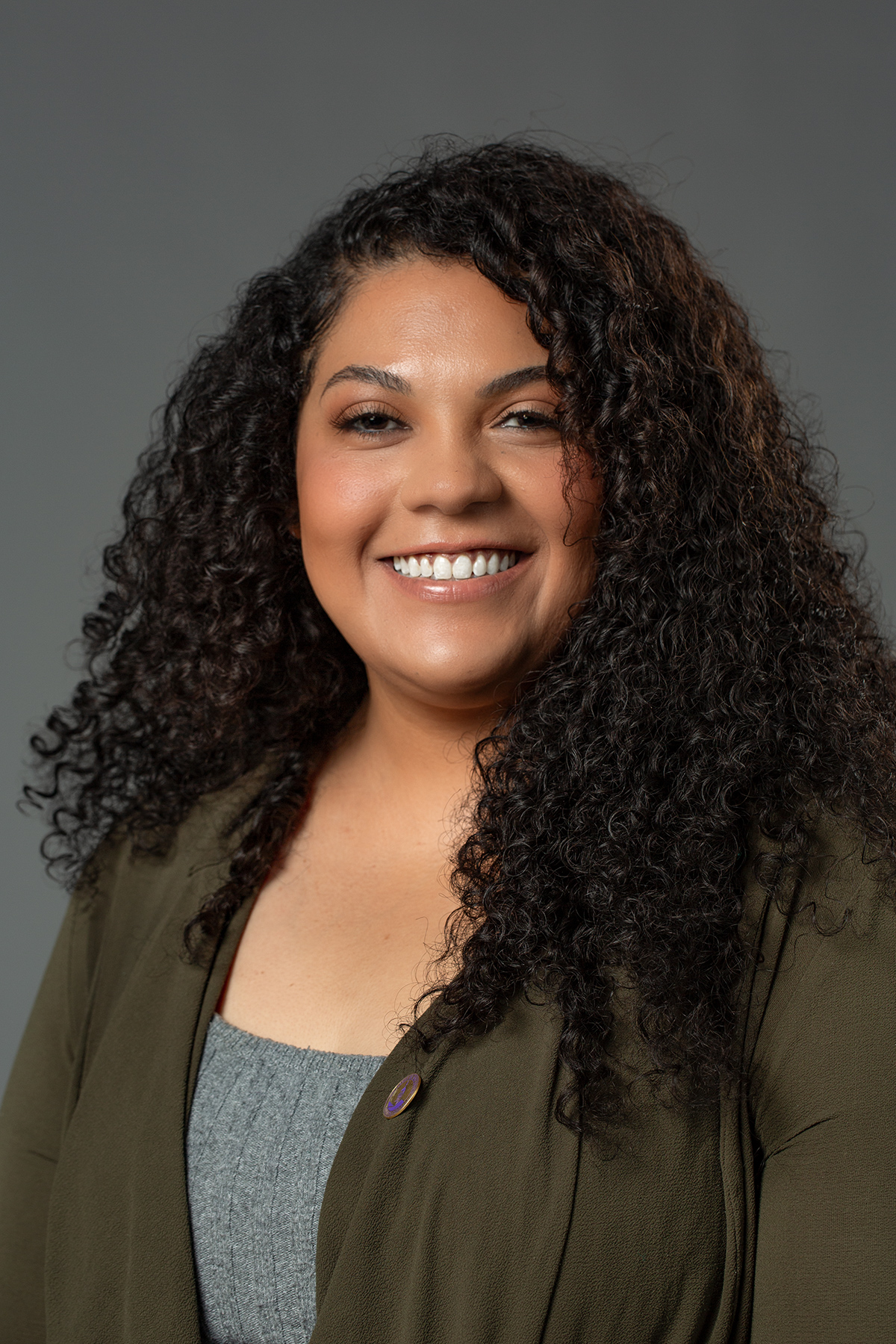
The role of Amanda Ladd within the context of Detroit’s community narrative serves as a focused case study on how individual advocacy, grassroots organizing, and localized storytelling influence the socioeconomic evolution of urban environments. By engaging directly with neighborhood stakeholders, Ladd’s contributions reflect the broader trend of resident-led development in post-industrial cities, emphasizing the intersection of social cohesion, policy navigation, and historic preservation.
The Dynamics of Detroit’s Evolving Community Narrative
To understand the positioning of Amanda Ladd in Detroit’s community narrative, one must first recognize the city’s unique sociopolitical landscape. Following decades of economic contraction and subsequent revitalization efforts, Detroit’s identity has become a contested space. On one side, large-scale capital investments drive commercial growth; on the other, community narratives are formed by long-term residents, local business owners, and non-profit organizations striving to ensure that revitalization translates to equitable opportunity.
The "community narrative" in this context refers to the collective storytelling and advocacy efforts that frame the needs, history, and future aspirations of Detroit’s neighborhoods. Amanda Ladd’s work generally situates itself within the latter category, prioritizing the preservation of institutional knowledge and the amplification of voices that are often marginalized during periods of rapid urban change. Her involvement highlights the importance of the "hyper-local"—the idea that sustainable urban development begins with the residents who have the deepest connection to the physical and social fabric of their specific blocks.
Grassroots Organizing and Social Capital
A core component of Ladd’s influence on the local narrative is the utilization of social capital. In Detroit, social capital acts as a currency. When community figures like Ladd engage in narrative-building, they are essentially performing the work of relationship management between residents, municipal entities, and philanthropic organizations.
This process involves several distinct phases:
- Identification of Needs: Recognizing the immediate deficiencies in municipal service delivery or public space maintenance.
- Coalition Building: Forming partnerships with existing neighborhood associations and civic groups to create a unified platform.
- Strategic Communication: Using digital platforms, community meetings, and local publications to broadcast the narrative of the neighborhood, ensuring it remains part of the city’s public discourse.
By moving beyond mere complaint-based feedback, Ladd’s approach reflects a shift toward solution-oriented civic engagement. This transition is essential for any resident or organizer attempting to influence the administrative processes of a major city.
Intersecting with Urban Policy and Development
The intersection of individual narrative work and urban policy is a complex frontier. Detroit’s development is governed by an array of boards, commissions, and ordinances. For an individual or a small group to affect these structures, they must understand the technical requirements of the city’s land-use policies.
Amanda Ladd’s contributions within this narrative often involve navigating these institutional complexities. Whether the goal is the rezoning of a parcel of land, the acquisition of a community garden permit, or the securing of infrastructure funding, the "narrative" is the tool used to justify these actions. By framing a request within the history of a neighborhood, advocates like Ladd turn bureaucratic data points into human-centric stories that are more difficult for policy-makers to ignore.
Key Barriers to Community-Led Development
| Barrier | Description | Impact on Narrative |
|---|---|---|
| Bureaucratic Red Tape | Complex zoning and permitting processes. | Can silence grass-roots voices through fatigue. |
| Information Asymmetry | Access to development plans remains with elites. | Limits the ability of residents to intervene early. |
| Capital Constraints | High costs of renovation and maintenance. | Dictates which narratives receive financial backing. |
| Gentrification Pressure | Displacement risks changing the core identity. | Shifts the narrative from preservation to survival. |
The Role of Storytelling in Urban Preservation
Storytelling is not merely a soft skill in the context of Detroit’s redevelopment; it is a defensive strategy. As the city undergoes transformation, the history of specific neighborhoods risks being sanitized or erased. Amanda Ladd’s work underscores the importance of recording these personal narratives to ensure that the city's future trajectory respects its past.
This involves documenting the cultural touchstones of a community—the local parks, the legacy small businesses, and the social traditions that defined an era. By incorporating these elements into the public record, organizers change the criteria by which development success is measured. It moves the needle from "efficiency" and "profitability" to "continuity" and "community well-being."
Practical Steps for Civic Engagement in Detroit
For individuals looking to mirror the types of community-focused work seen in Amanda Ladd’s trajectory, the process requires a blend of patience and procedural knowledge. Participation in Detroit’s civic life is most effective when it is sustained and institutionalized.
- Attend District Manager Meetings: Every neighborhood in Detroit is served by a district manager. These meetings are the primary venue for bringing local concerns to the municipal level.
- Understand the Zoning Ordinance: The City of Detroit’s zoning laws dictate what can be built and where. Familiarity with the Detroit Zoning Ordinance (as updated through 2026) allows residents to provide informed, legally grounded testimony at hearings.
- Leverage Non-Profit Partnerships: Many neighborhoods are supported by Community Development Corporations (CDCs). Aligning with these organizations provides access to resources and a broader, more established platform.
- Document and Disseminate: Use local media, social media, and neighborhood newsletters to maintain a consistent narrative regarding your goals.
Addressing Common Challenges and Misconceptions
One common misconception regarding community narratives in cities like Detroit is that they are monolithic. There is no single "Detroit narrative." Instead, there is a cacophony of competing stories. Ladd’s work highlights the necessity of consensus-building. Conflict is inevitable, particularly when development interests clash with long-standing community norms.
A frequent troubleshooting issue for organizers is the burnout associated with long-term projects. Because civic change is slow, many initiatives stall. Overcoming this requires the delegation of tasks and the formalization of roles within community groups. The goal is to move the narrative forward even when a single leader is unavailable, ensuring the momentum of the movement is not tethered to one person’s capacity alone.
Frequently Asked Questions (FAQ)
1. How does Amanda Ladd’s work impact Detroit’s current urban development policy? Her influence is primarily felt through advocacy that links social history with current land-use proposals. By integrating resident voices into formal planning processes, she helps ensure that development is responsive to the existing community’s needs rather than just market trends.
2. Is it possible for a resident to influence local zoning without professional training? Yes. While the process is complex, public hearings are designed to include community input. Preparing for these meetings involves researching the specific zoning code and presenting evidence of how a proposed development supports or hinders the neighborhood’s established identity.
3. What is the significance of the "community narrative" in Detroit? The narrative is a defensive tool against the erasure of neighborhood culture. It frames the city’s development in terms of human history and social equity, influencing how resources are allocated and which historic features are preserved for future generations.
4. Where can I find official information on community development projects in Detroit? The City of Detroit provides project information through its official planning and development department portals. Additionally, annual public budget meetings and district council sessions serve as primary sources for project updates and policy shifts.
5. How do I start documenting my own neighborhood’s history? Start by collecting oral histories from long-term residents and documenting local architectural or social landmarks. These materials can be shared with local historical societies or incorporated into advocacy materials for future city planning discussions.
Moving Forward with Civic Advocacy
To effectively participate in Detroit’s evolving narrative, one must transition from a passive observer to an active participant in the city's democratic processes. Whether you are seeking to protect a local asset or advocate for new services, the most effective tool at your disposal is a well-researched, historically informed argument.
Take the initiative to map the stakeholders in your immediate vicinity. Identify the leaders, the businesses, and the municipal representatives that have the most influence over your block. By synthesizing these voices into a coherent, proactive narrative—much like the work associated with Amanda Ladd—you can contribute to a version of Detroit that honors its past while actively shaping a sustainable, equitable future. Success in this field is not measured by immediate victories, but by the strength of the community network you help build over time.