The Albany-Schenectady-Troy television market remains one of the most historically significant and geographically diverse broadcasting hubs in the United States. In 2026, the region—officially designated as the Capital Region DMA (Designated Market Area)—serves over 1.3 million residents across eastern New York, western Massachusetts, and southern Vermont. Accessing these stations requires an understanding of the shift to NextGen TV (ATSC 3.0), the specific transmitter locations on the Helderberg Escarpment, and the varied subchannel offerings provided by major networks like WRGB, WTEN, and WNYT.
The Landscape of Albany Television in 2026
The Albany media market, currently ranked as the 60th largest in the nation, is characterized by a mix of long-standing legacy broadcasters and modern digital multicast networks. Unlike larger metropolitan areas where transmitters are often scattered, the majority of Albany's primary signals originate from a concentrated area in the Helderberg Mountains, south of the city. This centralized transmission point simplifies antenna orientation for most viewers but presents unique challenges for those living in the "shadows" of the Adirondacks or the Berkshires.
In 2026, the transition to ATSC 3.0 (NextGen TV) has reached a mature stage in the Capital Region. While traditional ATSC 1.0 signals remain active to ensure backwards compatibility for older television sets, the primary "lighthouse" stations now provide 4K-ready signals and improved mobile reception. This dual-broadcast environment means that viewers must distinguish between physical RF (Radio Frequency) channels and the virtual channel numbers they see on their remote controls.
Major Network Affiliates and Station Profiles
The "Big Four" networks have a deep-rooted history in the Capital Region, with some stations tracing their lineage back to the earliest days of experimental television. Understanding the ownership and programming focus of these stations helps viewers navigate local news cycles and specialized content.
WRGB (Channel 6) – CBS Affiliate
WRGB holds the distinction of being one of the first television stations in the world, tracing its origins back to General Electric's experimental broadcasts in the 1920s. Today, owned by Sinclair Broadcast Group, WRGB operates from its studios in Niskayuna.
Technically, WRGB has faced unique challenges due to its position on the VHF spectrum. While virtual channel 6 is iconic, the physical transmission has moved to higher frequencies over the years to improve signal penetration through modern building materials. In 2026, WRGB continues to lead with comprehensive local news coverage, specifically focusing on the suburban sprawl of Saratoga and Schenectady counties. Its subchannel lineup typically includes networks like TBD and Comet, catering to niche entertainment audiences.
WTEN (Channel 10) – ABC Affiliate
Owned by Nexstar Media Group, WTEN is a dominant force in the Capital Region’s news landscape. Known as "News10 ABC," the station shares facilities and management with WXXA (Fox 23) under a shared services agreement. This partnership allows for a massive news-gathering operation that spans from the Catskills to the Canadian border.
WTEN’s signal coverage is particularly strong in the central Albany and Rensselaer areas. As a Nexstar property, WTEN has been at the forefront of the NextGen TV rollout, often serving as a host for the region’s ATSC 3.0 lighthouse signals. Their subchannels, such as Capitol Connection and GetTV, provide a mix of local political analysis and classic programming.
WNYT (Channel 13) – NBC Affiliate
WNYT, a Hubbard Broadcasting station, has historically been a ratings leader for evening news in the Albany market. Operating from its studios on North Pearl Street, WNYT covers a vast geographic footprint. Its signal is known for its reliability in the northern reaches of the DMA, including Glens Falls and parts of the Adirondack Park.
The station’s commitment to "NewsChannel 13" branding involves a heavy emphasis on weather and investigative reporting. In terms of digital offerings, WNYT utilizes its bandwidth to host MeTV, one of the most popular subchannels in the region, which broadcasts classic television hits.
WXXA (Channel 23) – Fox Affiliate
Although WXXA is licensed as a Fox affiliate, its operations are tightly integrated with WTEN. This allows WXXA to provide local news during the 10:00 PM hour, a time slot where the other major affiliates are airing prime-time network content. WXXA is essential for sports fans in the region, as it carries the majority of NFL Sunday afternoon games involving NFC teams, as well as high-profile MLB and NASCAR events.
WMHT (Channel 17) – PBS Member Station
WMHT is the region’s primary public broadcasting outlet, serving not just as a TV station but as a cultural institution. Located in the Rensselaer Technology Park, WMHT operates several distinct channels, including WMHT World, WMHT Create, and a dedicated PBS Kids 24/7 stream. Their coverage extends deep into Western Massachusetts and Southern Vermont, often serving as the primary PBS source for the Berkshires.
Technical Specifications and Channel Mapping
To successfully receive over-the-air (OTA) television in the Albany market, viewers must understand the relationship between virtual channels and their physical counterparts. The following table provides a breakdown of the primary stations as of 2026.
| Virtual Channel | Call Sign | Network | Physical RF Channel | Key Subchannels |
|---|---|---|---|---|
| 6.1 | WRGB | CBS | 35 | TBD, Comet, Charge! |
| 10.1 | WTEN | ABC | 24 | Cozi TV, Rewind TV |
| 13.1 | WNYT | NBC | 12 | MeTV, Start TV, Heroes & Icons |
| 17.1 | WMHT | PBS | 16 | Create, World, PBS Kids |
| 23.1 | WXXA | FOX | 8 | Antenna TV, Grit |
| 45.1 | WCWN | CW | 22 | Charge!, Stadium |
| 51.1 | WNYA | MyNet | 13 | Light TV, Decades |
| 55.1 | WYPX | ION | 19 | Court TV, Laff, Mystery |
Coverage Challenges and Signal Propagation
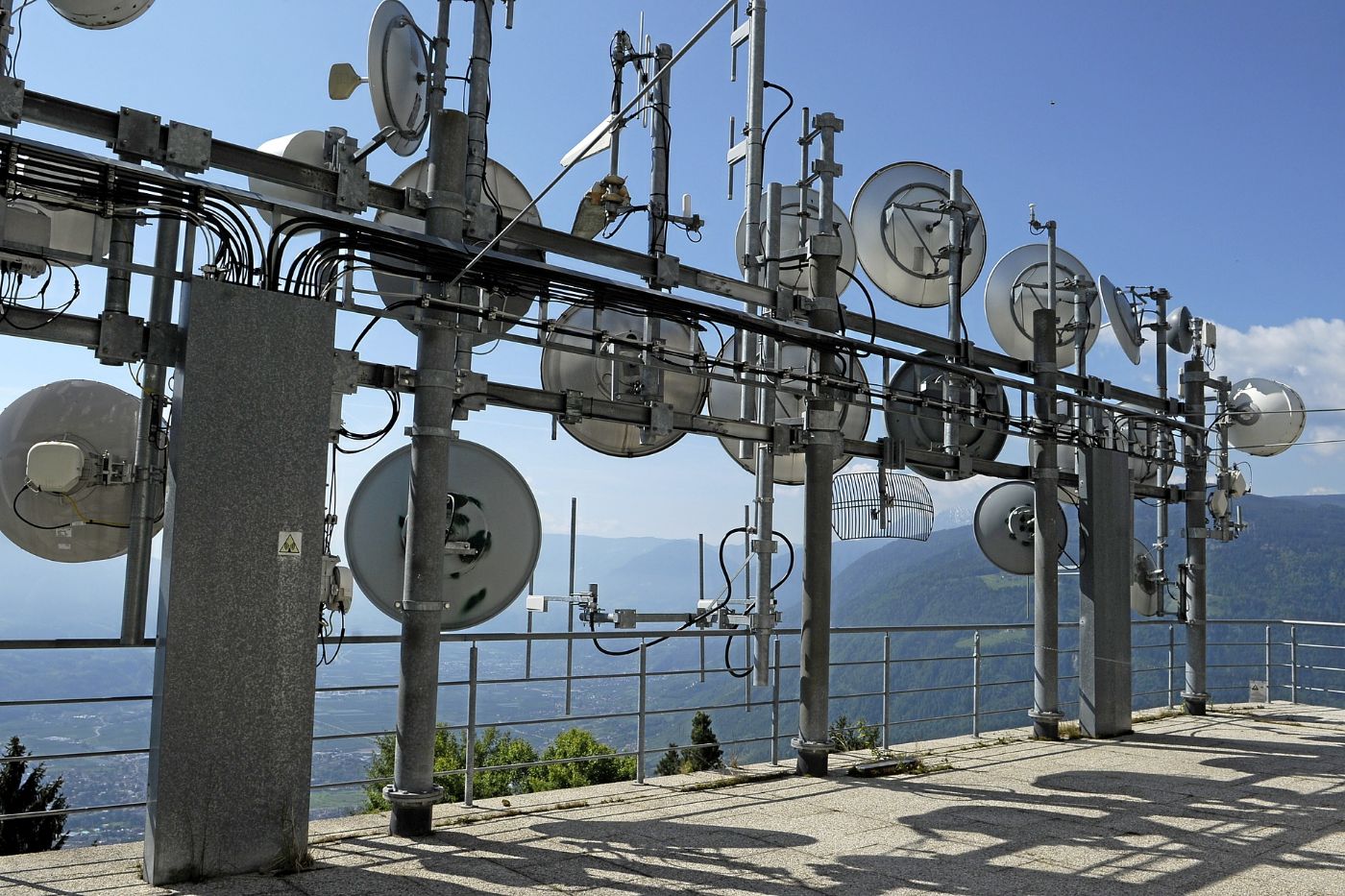
The geography of the Capital Region presents significant hurdles for consistent television reception. The primary transmitter site on the Helderberg Escarpment in Voorheesville sits at an elevation that allows signals to travel long distances, but the mountainous terrain surrounding the valley creates "multipath interference" and signal blocking.
The Valley Effect
In the core cities of Albany, Schenectady, and Troy, most viewers can receive all major channels with a simple indoor "leaf" style antenna. However, because the signals are coming from the southwest (the Helderbergs), residents in downtown Troy or Rensselaer may find that the hills along the Hudson River block the direct line of sight, requiring an outdoor antenna or an amplified indoor model.
North Country and Adirondack Reception
As one moves north toward Lake George and the Adirondacks, signal strength drops significantly. Stations like WNYT and WTEN operate low-power translators (repeaters) in areas like Glens Falls and Pittsfield to fill in these coverage gaps. In these northern zones, a high-gain outdoor Yagi antenna mounted at least 20 feet above the ground is often necessary to maintain a stable digital lock.
The Berkshire and Vermont Fringe
To the east, the Taconic and Berkshire Mountains act as a massive physical barrier. While WMHT and WNYT have historically had strong viewership in Pittsfield and Bennington, the transition to digital signals made reception more difficult compared to the old analog days. In 2026, many viewers in these fringe areas rely on the improved error correction of ATSC 3.0 to receive Albany stations that were previously unwatchable.
The Impact of ATSC 3.0 (NextGen TV) in Albany
By 2026, the Albany market has fully embraced NextGen TV. This technology uses an IP-based signal (Internet Protocol) rather than the older MPEG-2 transport stream. For the average viewer, this translates to several tangible benefits:
- 4K and HDR Content: While not all local news is produced in 4K, major sporting events and network prime-time shows are increasingly available in Ultra-High Definition.
- Better Indoor Penetration: The OFDM (Orthogonal Frequency Division Multiplexing) modulation used in ATSC 3.0 is much more resilient against the "cliff effect," where a signal abruptly cuts out. It handles reflections from buildings and hills much better than the older standard.
- Advanced Emergency Alerts: The 2026 emergency alert system in Albany allows stations to "wake up" compatible television sets to broadcast hyper-local weather warnings or evacuation orders, even if the TV was previously in standby mode.
- Interactivity: Albany stations now offer "on-demand" style menus directly through the broadcast signal, allowing viewers to catch up on the morning news weather segment without waiting for the next scheduled broadcast.
Choosing the Right Hardware for the Capital Region
Given the mix of VHF and UHF signals in Albany, antenna selection is critical. In 2026, we categorize the region into three "reception zones" to help viewers choose the right equipment.
Zone 1: The Urban Core (0–15 miles from Voorheesville)
If you live in Guilderland, Albany, or Bethlehem, you are very close to the towers. An unamplified indoor antenna is usually sufficient. Be careful not to use an amplifier in this zone, as it can "overdrive" the tuner and cause signal breakup.
- Target: All major affiliates (6, 10, 13, 17, 23, 45).
Zone 2: The Suburban Ring (15–35 miles from Voorheesville)
This includes Saratoga Springs, Clifton Park, Troy, and parts of the Berkshires. An amplified indoor antenna placed in a window facing southwest, or a small attic-mounted antenna, is recommended.
- Key Consideration: Ensure the antenna is "VHF-High" capable, as WNYT (NBC) and WXXA (Fox) often utilize frequencies that smaller, circular UHF-only antennas struggle to pick up.
Zone 3: The Rural/Mountainous Fringe (35+ miles)
For viewers in Lake Luzerne, Greenwich, or Great Barrington, a large outdoor directional antenna is mandatory. This antenna should be paired with a high-quality pre-amplifier and a rotor if the viewer wishes to pull in signals from both Albany and neighboring markets like Burlington or Springfield.
Frequently Asked Questions
Which Albany TV station is the oldest?
WRGB Channel 6 is the oldest station in the market and one of the oldest in the world. It began as experimental station W2XB in 1928, operated by General Electric in Schenectady. It famously broadcast the first television drama, "The Queen's Messenger," nearly a century ago.
Do I need a new TV to watch Albany stations in 2026?
If you want to watch the new NextGen TV (ATSC 3.0) signals, you need a television with a built-in NextGen tuner or an external converter box. However, all Albany stations continue to broadcast in the standard ATSC 1.0 format in 2026, so older digital TVs will still work for the foreseeable future.
Why can't I get Channel 13 (WNYT) even though I get Channel 10 (WTEN)?
This is usually due to the frequency band. WNYT often broadcasts on a VHF frequency, while WTEN uses UHF. Many modern "flat" indoor antennas are designed primarily for UHF. If you are struggling with WNYT, you likely need an antenna with "ears" or longer elements specifically designed to capture the longer wavelengths of the VHF band.
Can I watch Albany local news without an antenna?
Yes, in 2026, most Albany stations stream their local news segments live via their respective apps (such as the News10 or NewsChannel 13 apps) and on "FAST" (Free Ad-supported Streaming TV) platforms like Tubi, Pluto TV, and Haystack News. However, live network programming (like NFL games) usually requires a cable, satellite, or "Skinny Bundle" (YouTube TV, Hulu Live) subscription.
Where are the TV towers located in Albany?
The vast majority of Albany’s television transmitters are located on the Helderberg Escarpment in the town of New Scotland (near Voorheesville). This high-elevation ridge provides a natural vantage point that allows signals to reach most of the Hudson and Mohawk Valleys.
Summary and Next Actions
Understanding Albany's television coverage is a matter of matching your location to the right hardware. For most residents in the Capital Region, a high-quality dual-band (VHF/UHF) antenna oriented toward the Helderberg Mountains will provide over 40 channels of free high-definition content, including all major local news and sports.
To optimize your reception today:
- Identify your distance from the Voorheesville transmitter site using an online signal mapper.
- Select a VHF-capable antenna to ensure you don't lose access to NBC or Fox affiliates.
- Perform a channel rescan on your TV at least once a month. In 2026, stations frequently update their subchannel offerings or adjust their digital bitrates to accommodate new NextGen TV features.
- Consider a NextGen TV tuner if you are upgrading your hardware, as it provides the most "future-proof" way to enjoy the enhanced 4K and interactive features now being deployed across the Albany-Schenectady-Troy market.