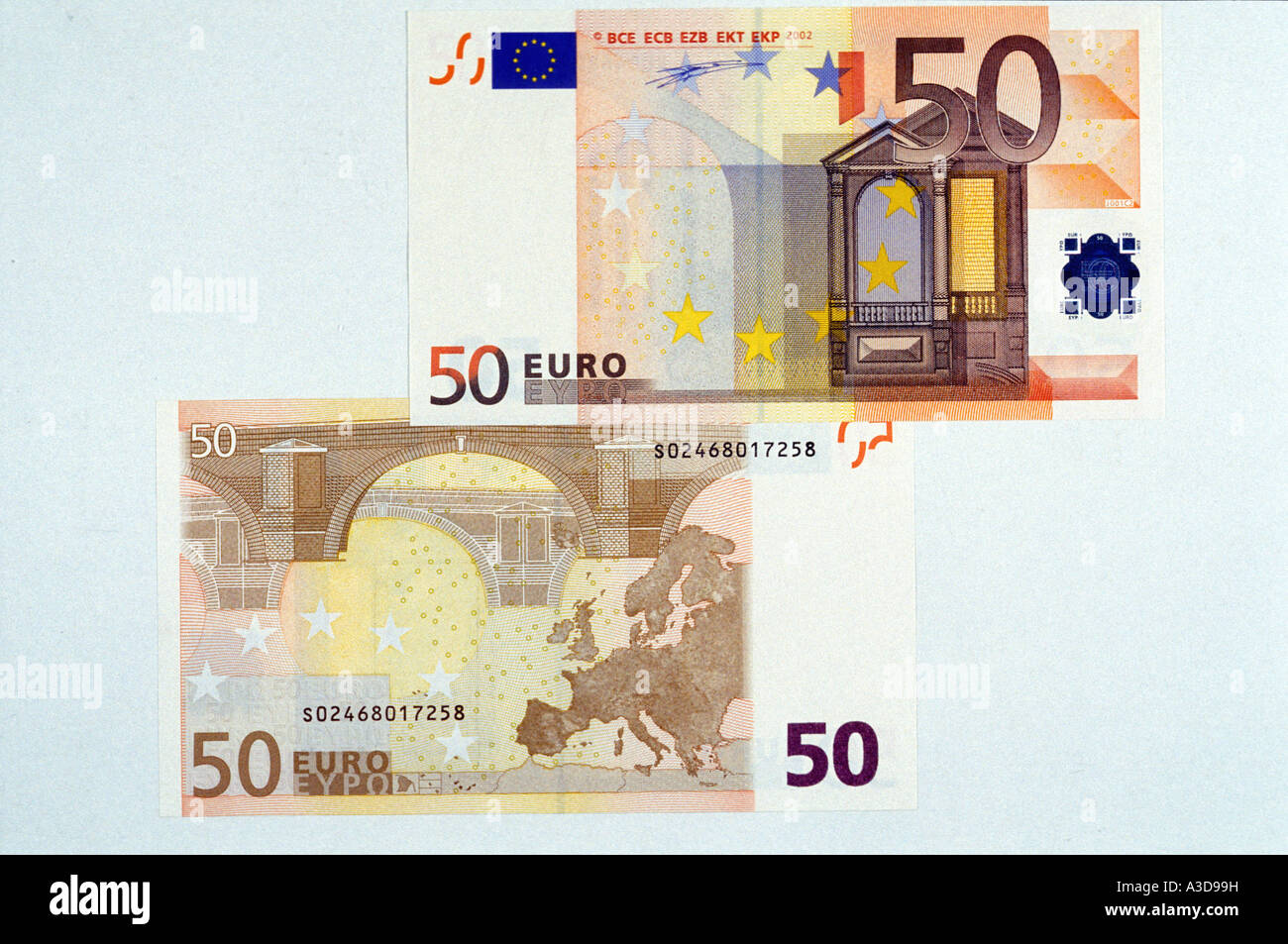
As of 2026, converting 99.99 Euros (EUR) to US Dollars (USD) typically yields between $108.00 and $112.00, depending on the fluctuating mid-market exchange rate and the specific fees charged by your financial institution. While the raw mathematical conversion is straightforward, the final amount you receive or pay is influenced by retail spreads and service provider margins.
Understanding the Value of 99.99 Euros in 2026
The exchange rate between the Euro and the US Dollar remains one of the most liquid and heavily traded currency pairs in the global foreign exchange (FOREX) market. For a transaction of 99.99 EUR—a common price point for consumer electronics, luxury clothing, and premium digital subscriptions—the difference between a "good" and "bad" rate might only be a few dollars. However, understanding the mechanics of this conversion is vital for both travelers and international shoppers.
In the 2026 economic landscape, the Eurozone and the United States continue to navigate the aftermath of mid-decade fiscal adjustments. The European Central Bank (ECB) and the Federal Reserve set the monetary policies that dictate these rates. When you see a price of 99.99 EUR, you are looking at a psychological pricing strategy common in European markets. Converting this to USD requires looking past the "sticker price" and calculating the real-world cost of acquisition.
The Mathematics of the Conversion
To calculate the value of 99.99 EUR in USD, you use a simple formula:
Amount in EUR × Exchange Rate = Amount in USD
If the current exchange rate is 1.10, the calculation is:
99.99 × 1.10 = 109.989 (Rounded to $109.99)
However, the "exchange rate" you see on Google or news sites is the mid-market rate. This is the midpoint between the buy and sell prices of two currencies. Most consumers do not have access to this rate. Instead, they are charged a retail rate, which includes a "spread" or a markup by the bank or currency exchange service.
Factors Influencing the EUR/USD Rate in 2026
To understand why 99.99 EUR might cost more today than it did last week, we must look at the macroeconomic indicators that drive currency volatility.
Interest Rate Differentials
The primary driver of the EUR/USD pair in 2026 is the gap between the interest rates set by the Federal Reserve and the ECB. If the Federal Reserve maintains higher interest rates than the ECB, the US Dollar typically strengthens as investors seek higher returns on dollar-denominated assets. This means your 99.99 EUR will buy fewer dollars. Conversely, if the ECB raises rates to combat inflation within the Eurozone, the Euro becomes more attractive, and 99.99 EUR might convert to a higher USD amount.
Inflationary Trends
Inflation erodes purchasing power. By 2026, the stabilization of energy prices in Europe has brought some predictability to the Euro, but the US economy's labor market strength often provides a counter-balance. If US inflation is lower than that of the Eurozone, the USD tends to gain strength over the long term.
Geopolitical Stability
The Euro is often sensitive to political developments within the European Union. Trade agreements, fiscal integration steps, and regional security all play a role. The US Dollar, acting as the world’s primary reserve currency, often sees a "flight to safety" during times of global uncertainty, which can cause the 99.99 EUR to USD conversion rate to drop suddenly.
Where to Convert 99.99 EUR to USD
The venue where you choose to exchange your money or process a payment significantly impacts the final cost.
1. Digital Multi-Currency Accounts
Fintech platforms like Wise or Revolut have become the standard for small-to-medium conversions like 99.99 EUR. These services typically offer rates very close to the mid-market rate and charge a transparent, low fee. For a 99.99 EUR transaction, a digital wallet might only charge a few cents in fees, making it the most cost-effective method.
2. Credit and Debit Cards
Most modern credit cards offer excellent exchange rates, but many still charge a Foreign Transaction Fee (FX Fee), usually around 3%. If you buy a product for 99.99 EUR with a standard credit card:
- Base conversion: $110.00
- FX Fee (3%): $3.30
- Total Cost: $113.30
Always check if your card issuer waives these fees, especially for travel-focused cards.
3. Traditional Bank Transfers
Using a traditional bank to send 99.99 EUR to a USD account is often the most expensive option. Banks often charge flat "wire transfer fees" that can range from $15 to $50, which is disproportionately high for a small amount like 99.99 EUR. Furthermore, their exchange rate spreads are often wider than those of specialized currency services.
4. Airport Currency Kiosks
Exchanging 100 Euros (rounding up from 99.99) at an airport is generally the least efficient method. These kiosks often have spreads of 10% to 15% and may charge additional commissions. You might find that your 99.99 EUR only nets you $95.00, despite the market rate suggesting it is worth much more.
Comparison of Conversion Methods (Estimates for 2026)
The following table illustrates how much a $1.10 mid-market rate might look across different platforms for a 99.99 EUR conversion.
| Method | Estimated Rate Applied | Estimated Fees | Total USD Cost/Value |
|---|---|---|---|
| Mid-Market Rate | 1.1000 | $0.00 | $109.99 |
| Fintech (e.g., Wise) | 1.0995 | $0.50 | $110.45 |
| No-Fee Credit Card | 1.0980 | $0.00 | $110.19 |
| Standard Credit Card | 1.0980 | $3.30 | $113.49 |
| Major Retail Bank | 1.0650 | $20.00 | $133.49 (Transfer) |
| Airport Kiosk | 0.9800 | $5.00 | $93.00 (Received) |
Note: These figures are illustrative of 2026 market behavior and include both the rate "hidden" in the spread and explicit transaction fees.
Technical Considerations: ISO 20022 and 2026 Payments
By 2026, the global financial system has largely transitioned to the ISO 20022 standard for financial messaging. For someone converting 99.99 EUR to USD, this means more transparent data and potentially faster settlement times for cross-border transfers.
The SWIFT network, which handles the majority of these international instructions, has become more efficient, allowing even small retail transfers to be tracked with higher precision. If you are sending 99.99 EUR to a merchant or a friend, the "remittance information" is now more robust, reducing the likelihood of funds being held for manual verification.
Common Pitfalls: Dynamic Currency Conversion (DCC)
When shopping online or using an ATM in Europe, you may be asked: "Would you like to pay in USD or EUR?" This is known as Dynamic Currency Conversion (DCC).
Always choose to pay in the local currency (EUR).
If you choose USD, the merchant or the ATM provider chooses the exchange rate. This rate is almost always significantly worse than the rate your own bank would provide. For a 99.99 EUR purchase, choosing DCC could result in an immediate 5-8% markup, effectively turning a $110 purchase into a $118 purchase before your bank even sees the transaction.
E-commerce and "The 99.99 Price Point"
In 2026, many European retailers use "99.99 EUR" as a threshold for free shipping or promotional eligibility. For an American consumer, this presents a unique challenge. Because the exchange rate is dynamic, a 99.99 EUR item may cost $108 one day and $111 the next.
If you are using a US-based card to pay a 99.99 EUR invoice:
- Verify if the store uses a fixed conversion rate. Some global retailers fix their rates (e.g., 1 EUR = 1.15 USD) to ensure price stability, which might actually be worse than the market rate.
- Be aware of "import duties." For goods valued around 100 Euros, US Customs usually does not apply heavy duties (the "de minimis" threshold is historically much higher), but shipping carriers might charge a "brokerage fee" for processing the currency and customs entry.
Frequently Asked Questions (FAQs)
Is 99.99 Euros exactly 100 Dollars?
Rarely. While the Euro and Dollar reached parity (1:1) in the early 2020s, the historical norm is for the Euro to be stronger than the Dollar. In 2026, a 99.99 EUR amount is generally worth more than $100 USD. You should expect the value to be closer to $110, depending on the specific economic climate of the month.
Why does my bank statement show more than the converted amount?
If your bank statement shows a higher number than $110 for a 99.99 EUR purchase, it is likely due to a combination of two things: a "foreign transaction fee" (usually 1-3%) and the "settlement date" exchange rate. Banks often use the rate on the day the transaction clears, not the day you made the purchase, which can lead to slight discrepancies.
Can I lock in an exchange rate for 99.99 EUR?
For such a small amount, most retail consumers cannot "lock in" or hedge a rate. However, using a multi-currency digital wallet allows you to convert USD to EUR when the rate is favorable and hold it in a "Euro balance." When you eventually need to pay 99.99 EUR, you can pay directly from that balance without worrying about the rate on that specific day.
Do I need to pay taxes on this conversion?
For a personal purchase of 99.99 EUR, there are no US tax implications for the currency conversion itself. However, if you are an investor or business owner and you are converting large sums where the "basis" of the currency has changed, you might be subject to capital gains rules. For a single $110-equivalent transaction, this is not a concern for the average consumer.
What is the cheapest way to send 99.99 EUR to the US?
The cheapest way is typically through a peer-to-peer transfer service or a digital-first bank. These platforms bypass the expensive SWIFT network for small amounts by using local banking pools in both the EU and the US. This keeps the fee for a 99.99 EUR transfer to a minimum, often under $1.00 total.
Practical Recommendation for 2026
If you need to convert 99.99 Euros to Dollars in 2026, the most efficient action is to use a travel credit card with no foreign transaction fees for purchases, or a specialized fintech app for transfers.
Avoid traditional wire transfers and physical exchange booths at all costs, as their fees will consume a significant percentage of the transaction's value. Before completing any transaction, quickly check a reputable financial news source or the International Monetary Fund (IMF) for the current market trend to ensure the rate you are being offered is within 1% of the mid-market price. For a 99.99 EUR amount, a fair final cost in USD should stay within the $109.00 to $113.00 range inclusive of all margins.