While bariatric surgery remains a highly effective intervention for severe obesity, it is not a universal solution. For many individuals, the procedure may be contraindicated due to underlying psychological factors, medical risks, the emergence of potent weight-loss medications, or an inability to commit to the lifelong nutritional and lifestyle rigors required for success.
Bariatric surgery—encompassing procedures such as the Roux-en-Y gastric bypass and vertical sleeve gastrectomy—is a major, often irreversible medical intervention. While it can lead to significant weight loss and the resolution of metabolic conditions, it carries substantial risks, including nutritional deficiencies, surgical complications, and psychological challenges that may make it an inappropriate choice for certain patients.
Understanding the Gravity of Bariatric Intervention
In 2026, the landscape of metabolic health has shifted significantly. With the refinement of surgical techniques and the maturation of pharmacological options, the decision to undergo "the knife" is more complex than ever. Bariatric surgery is not merely a procedure on the stomach; it is a permanent alteration of the human digestive anatomy and endocrine system.
The primary goal of bariatric surgery is to induce weight loss by limiting food intake (restriction) and, in some cases, altering how the body absorbs calories (malabsorption). However, these changes come at a physiological cost. For a subset of the population, the "cons" of surgery far outweigh the "pros." Below, we explore seven critical reasons why bariatric surgery might be the wrong path for you.
1. Presence of Unresolved Psychological or Eating Disorders
One of the most frequent reasons a surgical team will deny a candidate is the presence of unmanaged psychological conditions or active eating disorders. Surgery changes the size of the stomach, but it does not change the neurochemistry of the brain.
Patients struggling with Binge Eating Disorder (BED) or Bulimia Nervosa may find that surgery provides a temporary physical barrier, but the underlying psychological drive to consume large quantities of food remains. If these behaviors are not resolved prior to surgery, the patient may attempt to "eat through" the surgical restriction, leading to agonizing pain, vomiting, or the stretching of the surgical pouch, which effectively negates the surgery's benefits.
Furthermore, individuals with unstable major depressive disorder, bipolar disorder, or schizophrenia are often advised against surgery until they have achieved long-term stability. The post-operative period involves a "hormonal roller coaster" as rapid weight loss triggers shifts in ghrelin, leptin, and cortisol. For someone already struggling with mental health stability, these shifts can lead to severe depressive episodes or increased suicidal ideation.
2. The Success of Next-Generation Pharmacotherapy (GLP-1/GIP)
In the current year of 2026, the pharmaceutical landscape has reached a point where "medical weight loss" rivals "surgical weight loss" for a significant portion of the population. The widespread availability and refinement of GLP-1 (glucagon-like peptide-1) and GIP (glucose-dependent insulinotropic polypeptide) receptor agonists—such as advanced versions of Tirzepatide and the newer triple-agonist molecules—have changed the math for many patients.
For individuals who are wary of the risks of anesthesia and permanent anatomical changes, these medications offer an alternative that can produce a 20% to 25% reduction in total body weight.
- Reversibility: Unlike a gastric bypass, medication can be discontinued or adjusted under medical supervision.
- Lower Initial Risk: There is no risk of leaks, internal hernias, or post-operative infections.
- Accessibility: As insurance coverage for these therapies has expanded through 2025 and 2026, the financial barrier to non-surgical intervention has lowered for many.
If a patient can achieve their health goals—such as the remission of Type 2 diabetes or significant cardiovascular risk reduction—through pharmacotherapy, the invasive nature of surgery may no longer be justified.
3. Inability to Commit to Lifelong Nutritional Supplementation
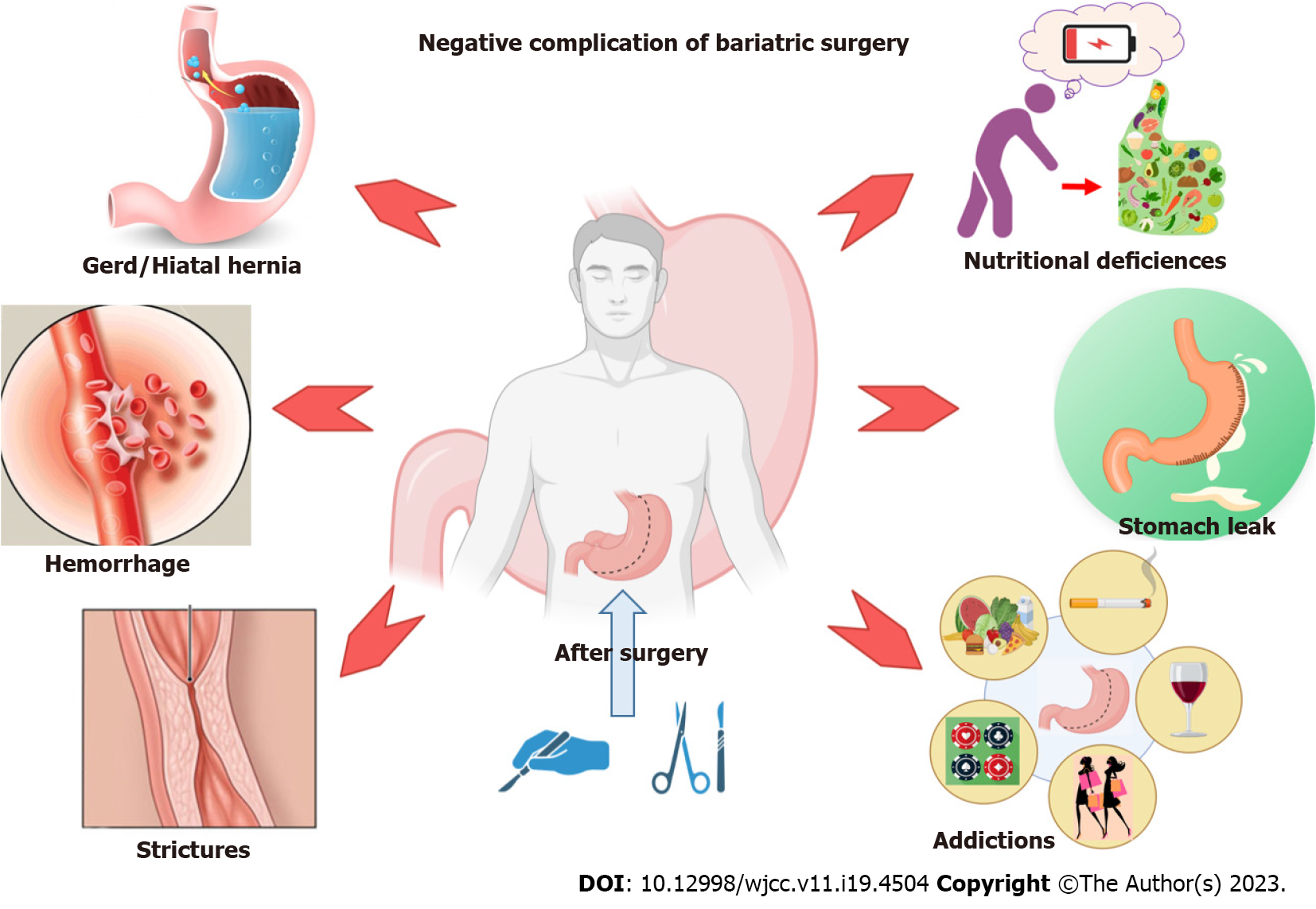
Bariatric surgery, particularly malabsorptive procedures like the gastric bypass or the duodenal switch, permanently alters the body’s ability to extract vitamins and minerals from food. This is not a temporary side effect; it is a lifelong condition.
Patients must commit to a rigorous daily regimen of high-potency multivitamins, calcium citrate, Vitamin B12, iron, and often fat-soluble vitamins (A, D, E, and K). Failure to adhere to this regimen can lead to catastrophic health outcomes:
- Neurological Damage: Severe Vitamin B12 or Thiamine (B1) deficiencies can cause permanent nerve damage or Wernicke-Korsakoff syndrome.
- Bone Density Loss: Chronic malabsorption of calcium and Vitamin D leads to premature osteoporosis and frequent fractures.
- Anemia: Chronic iron and copper deficiencies can lead to intractable fatigue and immune dysfunction.
If a patient knows they cannot or will not adhere to a daily, multi-pill vitamin schedule for the rest of their life, surgery is dangerous. The metabolic consequences of untreated malnutrition post-surgery can be more debilitating than the obesity the surgery was meant to treat.
4. Risks of "Transfer Addiction" and Substance Abuse
A well-documented but often overlooked risk of bariatric surgery is "transfer addiction." This occurs when a patient, no longer able to use food as a primary coping mechanism or source of dopamine, shifts that addictive behavior toward another substance or activity.
Research has shown that bariatric patients—especially those who undergo gastric bypass—are at a significantly higher risk for developing Alcohol Use Disorder (AUD). There are two reasons for this:
- Psychological Shift: The "food addiction" is transferred to alcohol.
- Physiological Shift: After surgery, alcohol is absorbed much more rapidly into the bloodstream, and peak blood alcohol levels are significantly higher and reached faster than before surgery. Even a single drink can lead to legal intoxication.
Individuals with a personal or strong family history of substance abuse should be extremely cautious. The risk of trading obesity for a life-destroying addiction to alcohol or opioids is a valid reason to choose non-surgical weight management.
5. Potential for Long-Term Surgical Complications
While the immediate mortality rate for bariatric surgery is low (comparable to gallbladder surgery), the long-term complication rate is not negligible. Choosing surgery means accepting the possibility of future corrective or emergency procedures.
Common long-term complications include:
- Marginal Ulcers: Ulcers that form at the site where the stomach is joined to the small intestine, often causing chronic pain or bleeding.
- Internal Hernias: The rearrangement of the intestines can create "pockets" where the bowel can become trapped, requiring emergency surgery.
- Dumping Syndrome: Rapid gastric emptying that causes nausea, cold sweats, dizziness, and explosive diarrhea after consuming sugar or high-fat foods.
- Biliary Issues: Rapid weight loss significantly increases the risk of developing gallstones, often necessitating a cholecystectomy (gallbladder removal).
For some, the "maintenance" required for a bariatric body—dealing with strictures, bowel obstructions, or chronic reflux—is a burden they are not prepared to carry.
6. Financial Costs and Insurance Limitations
The cost of bariatric surgery extends far beyond the initial operating room bill. In 2026, while many primary insurers cover the procedure, the ancillary costs can be staggering.
Many patients do not realize that the "success" of the surgery often creates a new medical need: body contouring or skin removal surgery. Rapidly losing 100 or 150 pounds frequently leaves patients with significant amounts of redundant skin, which can cause infections, back pain, and psychological distress. In many jurisdictions and under many insurance plans, skin removal is considered "cosmetic" and is not covered, leaving patients with out-of-pocket costs ranging from $10,000 to $30,000.
Furthermore, the ongoing costs of specialized bariatric vitamins, high-protein supplements, and frequent lab work (to check for deficiencies) can add up to thousands of dollars annually. If a patient is in a precarious financial position, the long-term "hidden costs" of surgery may make it an unsustainable choice.
7. The Impact on Social and Personal Relationships
Weight loss surgery is a social disruptor. Food is the centerpiece of most human social interactions—weddings, holidays, business lunches, and dates. Post-surgery, the patient's relationship with food changes from one of enjoyment to one of utility and restriction.
The inability to share a "normal" meal can lead to social isolation or friction with a spouse. Interestingly, statistics show an increased rate of divorce among couples where one partner undergoes bariatric surgery. This can be due to:
- Shifted Dynamics: The non-surgical partner may feel threatened by the other's newfound confidence or changing appearance.
- Lifestyle Mismatch: If one partner is committed to a strict bariatric diet and exercise while the other maintains a sedentary lifestyle with poor eating habits, the relationship can strain.
If an individual’s support system is unsupportive or if their social life revolves entirely around food-centric environments that they aren't willing to navigate differently, surgery may lead to more emotional hardship than expected.
Comparing Weight Loss Options (2026 Landscape)
The following table compares the typical outcomes and requirements for traditional bariatric surgery versus the primary alternatives available in 2026.
| Feature | Bariatric Surgery (Bypass/Sleeve) | Pharmacotherapy (GLP-1/GIP) | Intensive Lifestyle Intervention |
|---|---|---|---|
| Average Weight Loss | 25% – 35% of Total Weight | 15% – 25% of Total Weight | 5% – 10% of Total Weight |
| Invasiveness | High (Surgical) | Low (Injectable/Oral) | None |
| Permanence | High (Often Irreversible) | Reversible | Reversible |
| Long-term Cost | High (Vitamins, Labs, Skin) | Monthly Medication Cost | Low to Moderate |
| Primary Risk | Malnutrition, Hernia, Ulcers | GI Distress, Muscle Loss | Low (Weight Regain) |
| Daily Commitment | Strict Diet, High Protein, Vitamins | Medication Adherence | High Discipline/Exercise |
Frequently Asked Questions
Can bariatric surgery be reversed if I don't like the results?
While some procedures, like the Gastric Band (which is rarely performed in 2026), are reversible, the most common procedures like the Vertical Sleeve Gastrectomy are permanent—a large portion of the stomach is physically removed. The Gastric Bypass is technically reversible, but the reversal itself is a high-risk, complex surgery that most surgeons will only perform in cases of life-threatening complications.
Is there a specific age where surgery is no longer recommended?
There is no "hard" age limit, but as patients enter their 70s, the risks of general anesthesia and the body’s ability to recover from major abdominal surgery become significant concerns. Surgeons in 2026 evaluate "biological age" and frailty rather than just chronological age. If the patient has significant heart or lung disease, the surgical risk often outweighs the benefits of weight loss.
How does "Dumping Syndrome" actually feel?
Dumping syndrome occurs when food (especially sugar) moves too quickly from the stomach into the small intestine. It is often described as feeling like a severe "panic attack" combined with the flu. Symptoms include a racing heart, cold sweats, severe abdominal cramping, and a sudden "crash" in blood sugar (reactive hypoglycemia) that can cause fainting. For some, this happens every time they eat more than a few grams of sugar.
Will I have to be on a diet forever?
Yes. Bariatric surgery is a tool, not a cure. To maintain weight loss and avoid complications, patients must follow a high-protein, low-carbohydrate diet indefinitely. They must also learn to eat very slowly and chew food to a paste-like consistency to avoid "plugging" the small stomach opening, which can cause intense pain and vomiting.
Making the Final Decision
Choosing not to have bariatric surgery is a valid and often responsible decision. It is not an admission of failure; rather, it is a recognition that the specific risks and requirements of the procedure do not align with your medical profile, psychological readiness, or lifestyle goals.
If you find that any of the seven reasons mentioned above resonate with your current situation, your next step should be a candid conversation with a multidisciplinary metabolic team. Explore the 2026 generation of weight-loss medications, seek specialized counseling for disordered eating, or work with a metabolic dietitian to maximize non-surgical interventions. The goal is health and longevity, and for many, there are safer, more sustainable paths to achieving those goals than the operating table.