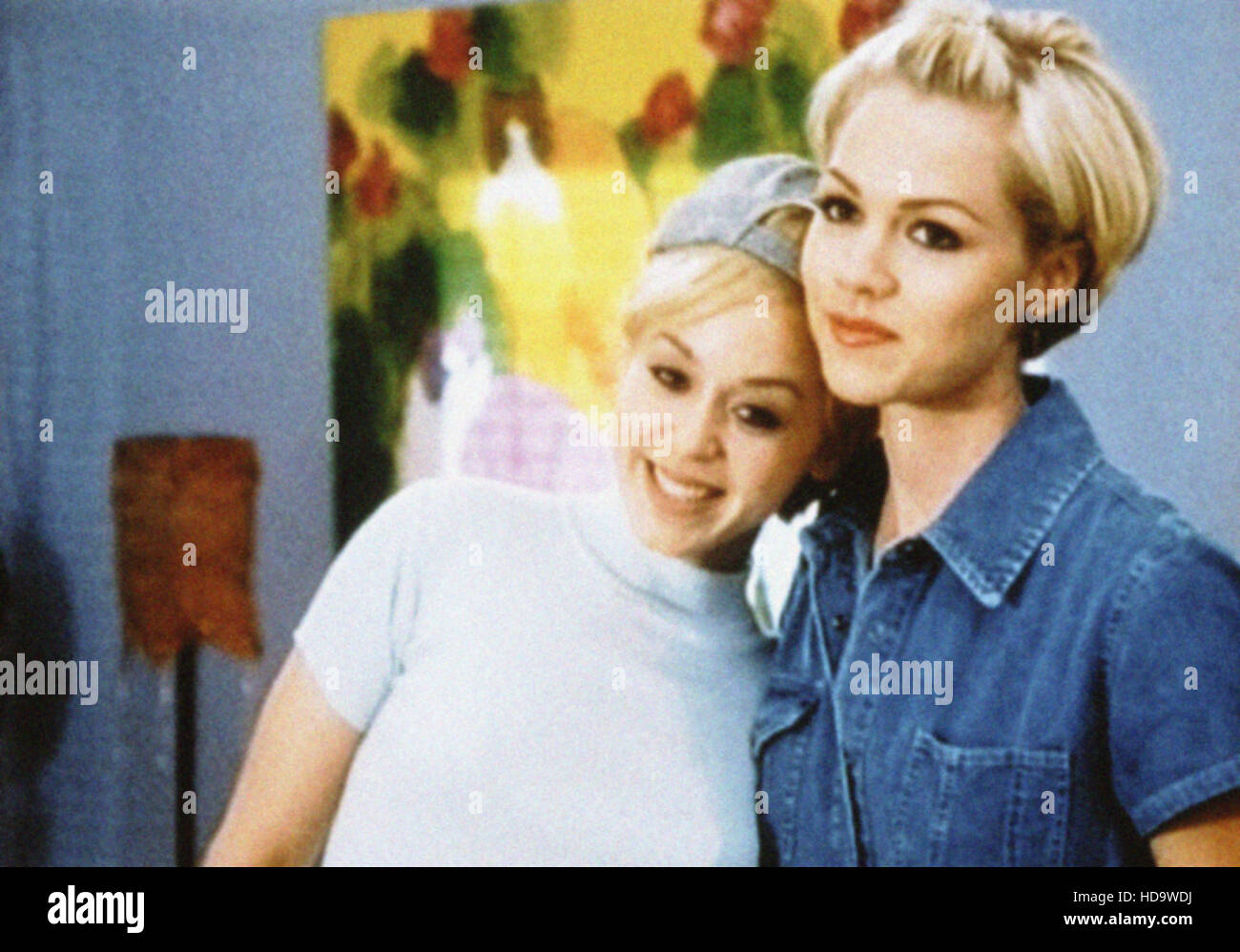
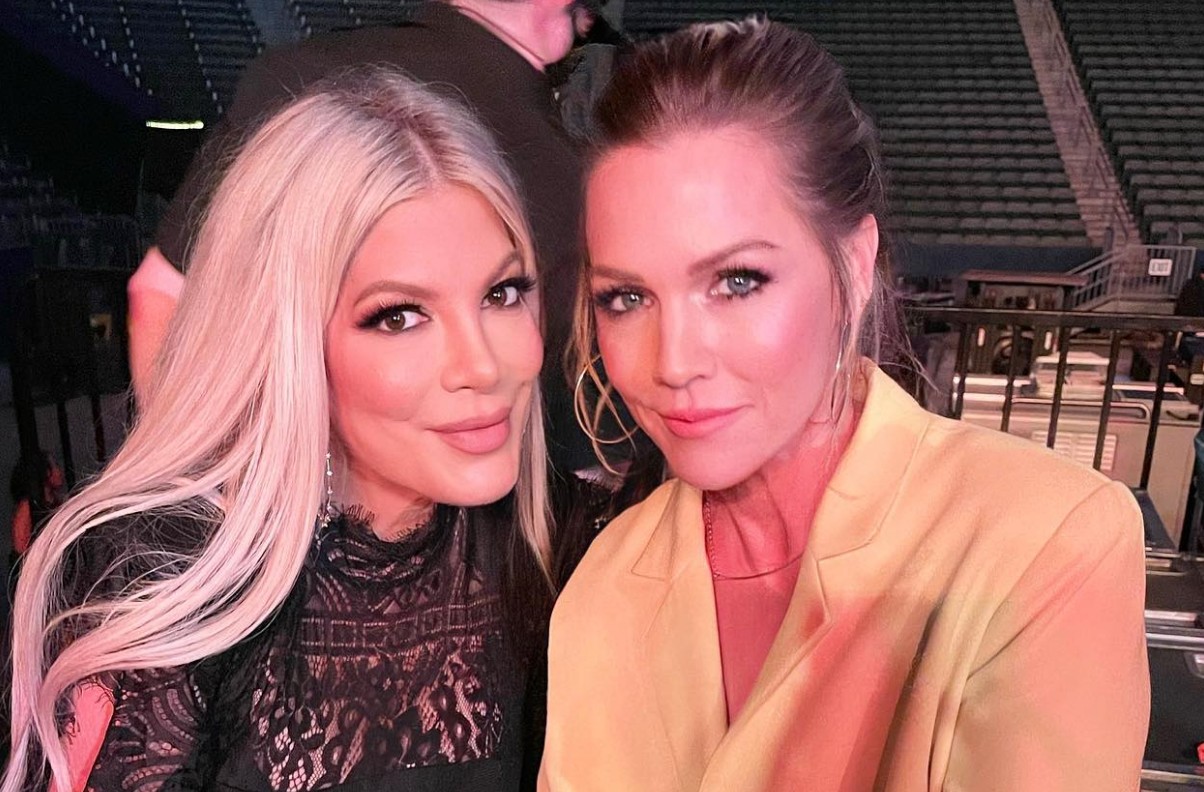
Jennie Garth’s portrayal of Kelly Taylor in the iconic 1990s teen drama Beverly Hills, 90210 stands as one of television's most fascinating character arcs. Initially introduced in the pilot episode as a wealthy, superficial West Beverly High School stereotype, Kelly evolved over ten seasons into a complex, resilient, and deeply human central figure. Her journey mirrored the broader stylistic and thematic shifts of the series, transitioning from a localized teen soap opera focused on high school cliques into a mature prime-time drama grappling with adult trauma, career pressures, and complex personal relationships. Examining this transformation reveals how Garth’s character became the emotional anchor of the entire franchise.
1. From Mean Girl to Vulnerable Protagonist
When Beverly Hills, 90210 premiered in October 1990 on the Fox network, created by Darren Star and produced by Aaron Spelling, Kelly Taylor was firmly positioned as the archetypal rich, vain high school queen bee. Alongside her best friend Brenda Walsh (played by Shannen Doherty), Kelly initially served as part of the exclusive social circle that gatekept popularity at West Beverly High. Scripts in the earliest episodes emphasized her materialism, sharp tongue, and preoccupation with social status, making her a classic antagonist to the newly arrived Walsh family from Minnesota.
However, the creative team quickly realized that a flat, one-dimensional mean girl would limit the show's dramatic potential. Writers began peeling back the layers of Kelly’s privileged exterior to reveal a profoundly unstable home life. Viewers learned that her mother, Jackie Taylor (played by Ann Gillespie), struggled with severe substance abuse and a history of failed marriages, leaving Kelly to largely raise herself in a mansion devoid of genuine emotional support. This revelation fundamentally shifted audience perception. Kelly was not simply cruel; she was deeply insecure, defensive, and desperate for stability. By humanizing her early in the first season, the series transformed Kelly from a secondary antagonist into a sympathetic, multifaceted protagonist whose struggles with self-worth resonated deeply with viewers.
2. Navigating Severe Personal Trauma and Mental Health Struggles
As the series progressed from high school hallways into the adult world of college and careers, Kelly Taylor’s narrative arcs became notably darker and more psychologically demanding. Rather than keeping the drama confined to routine romantic triangles, the writers subjected Kelly to a succession of major traumatic events that tested her resilience and pushed Jennie Garth’s acting abilities to the forefront. These storylines broke new ground for teenage television by refusing to wrap up complex psychological issues in a neat single-episode resolution.
Among the most defining moments of Kelly's character arc was her recruitment into a dangerous religious cult during the show's fifth season, an intense storyline that illustrated her ongoing vulnerability and desperate search for a sense of belonging. Furthermore, Kelly battled severe body dysmorphia and an eating disorder in earlier seasons, faced a devastating encounter with sexual assault, and survived a fire that threatened her physical appearance. Later seasons addressed fertility struggles and a near-fatal shooting. Each of these trials forced Kelly to rebuild her life, shifting her character from a passive victim of circumstance into an independent survivor who actively sought therapy, personal growth, and emotional maturity.
3. The Central Figure in High-Profile Romantic Triangles
No discussion of Jennie Garth’s role in Beverly Hills, 90210 is complete without analyzing her turbulent romantic history, which formed the narrative engine of the series for years. Kelly’s romantic life evolved from casual teenage dating into intense, emotionally fraught entanglements that frequently divided the show's fanbase. Her evolution as a romantic partner mirrored her personal growth from a self-absorbed teenager into a reflective adult seeking genuine partnership.
The defining romantic catalyst of the early seasons was Kelly’s clandestine summer romance with Dylan McKay (played by Luke Perry), which ignited a bitter, highly publicized feud with her best friend Brenda Walsh. This infamous love triangle became a cultural touchstone of 1990s television pop culture. Later in the series, Kelly's relationship with Brandon Walsh (played by Jason Priestley) tested the boundaries of platonic friendship versus romantic commitment, culminating in a nearly realized wedding in the seventh season. By the time the series concluded its original run in 2000, Kelly’s romantic trajectory had shifted away from high-stakes soap opera triangles toward a more mature, independent stance on love and self-reliance.
4. Transitioning from Student to Professional Entrepreneur
The maturation of Beverly Hills, 90210 required its core characters to transition out of West Beverly High School and into the adult realities of higher education at the fictional California University, followed by the professional world of Los Angeles. Kelly Taylor’s career aspirations evolved significantly alongside this geographic and temporal shift. In her high school years, career planning rarely extended beyond social standing and modeling opportunities.
Upon entering adulthood, Kelly sought professional autonomy. She experimented with retail and modeling before co-founding a boutique PR firm with her friend and rival Donna Martin (played by Tori Spelling). This entrepreneurial venture allowed Kelly to step into a leadership role, showcasing her business acumen, organizational skills, and professional resilience. By establishing her own career path independently of her romantic partners, Kelly exemplified the broader feminist undertones that the series increasingly embraced in its later seasons, proving that female characters could drive both the emotional and professional plots of the show.
5. Bridging the Generations as a Mentor in the 2008 Reboot (90210)
The final and perhaps most unique transformation in Jennie Garth’s relationship with the franchise occurred when she reprised her role as Kelly Taylor in the 2008 CW spin-off series, simply titled 90210. Rather than returning as a student or a peer to the original cast, Kelly returned to West Beverly High School in a professional capacity: as a guidance counselor. This meta-fictional shift allowed Garth to bridge the gap between the classic 1990s era and a brand-new generation of television viewers.
In this iteration, Kelly was portrayed as a grounded, working mother raising a young son while attempting to guide troubled teenagers facing modern social pressures. This role reversal—watching the former queen bee counsel a new crop of high school students—added a profound layer of legacy to Garth’s character. Furthermore, the reboot incorporated complex personal continuity by introducing a half-sister dynamic with character Silver (played by Jessica Stroup) and featuring a mature, nuanced on-screen reunion with former flame Dylan McKay (referenced off-screen) and brief appearances by original cast members like Shannen Doherty.
Key Transformations of Kelly Taylor Across Eras
| Era / Setting | Primary Focus | Character Status | Major Narrative Themes |
|---|---|---|---|
| Early Seasons (High School) | Social hierarchy, wealth, cliques | Wealthy student, "mean girl" archetype | Family instability, superficiality, insecurity |
| Mid Seasons (College) | Trauma, mental health, independence | Independent young adult, college student | Eating disorders, cult survival, assault recovery |
| Late Seasons (Adulthood) | Career building, long-term romance | Business owner, mature professional | Entrepreneurship, commitment issues, fertility |
| 2008 Reboot (90210) | Mentorship, motherhood, legacy | High school guidance counselor | Single parenting, career stability, bridging generations |
Frequently Asked Questions
Why did Kelly Taylor’s character change so drastically from season one?
Producers and writers recognized that a one-dimensional antagonist would quickly become stale. By introducing Kelly's chaotic home life and mother's substance abuse issues, they provided psychological depth that explained her defensive behavior and allowed the audience to sympathize with her growth.
How did Jennie Garth feel about returning to the franchise for the 2008 90210 series?
Jennie Garth initially approached the reboot with caution but ultimately agreed to participate because the writers respected the original character's history. Returning as a guidance counselor allowed her to honor Kelly Taylor's maturation while supporting a new generation of actors.
Did Jennie Garth appear in every season of the original Beverly Hills, 90210?
Yes, Jennie Garth is one of a select few cast members—alongside Ian Ziering and Brian Austin Green—to appear in all ten seasons of the original Fox series, maintaining continuous presence from the pilot in 1990 to the series finale in 2000.
What was the cultural impact of the Kelly, Brenda, and Dylan love triangle?
The storyline involving Kelly, Brenda, and Dylan defined the early 1990s pop culture landscape, dominating tabloid media and establishing the template for complex, serialized romantic entanglements in subsequent teen drama television shows.
How did Kelly Taylor’s career aspirations evolve over the series?
Kelly began with casual aspirations like modeling and retail work, but matured into a focused entrepreneur, successfully co-founding a public relations firm and later channeling her life experience into educational guidance and counseling.
Practical Next Steps for Fans and Researchers
For those looking to explore Jennie Garth’s television legacy further, reviewing original broadcast episodes from seasons 3 through 5 offers the clearest view of her dramatic range. Additionally, examining production notes from Darren Star and Aaron Spelling provides valuable insight into how 1990s television writing rooms adapted scripts in response to real-time audience reception and cultural shifts.