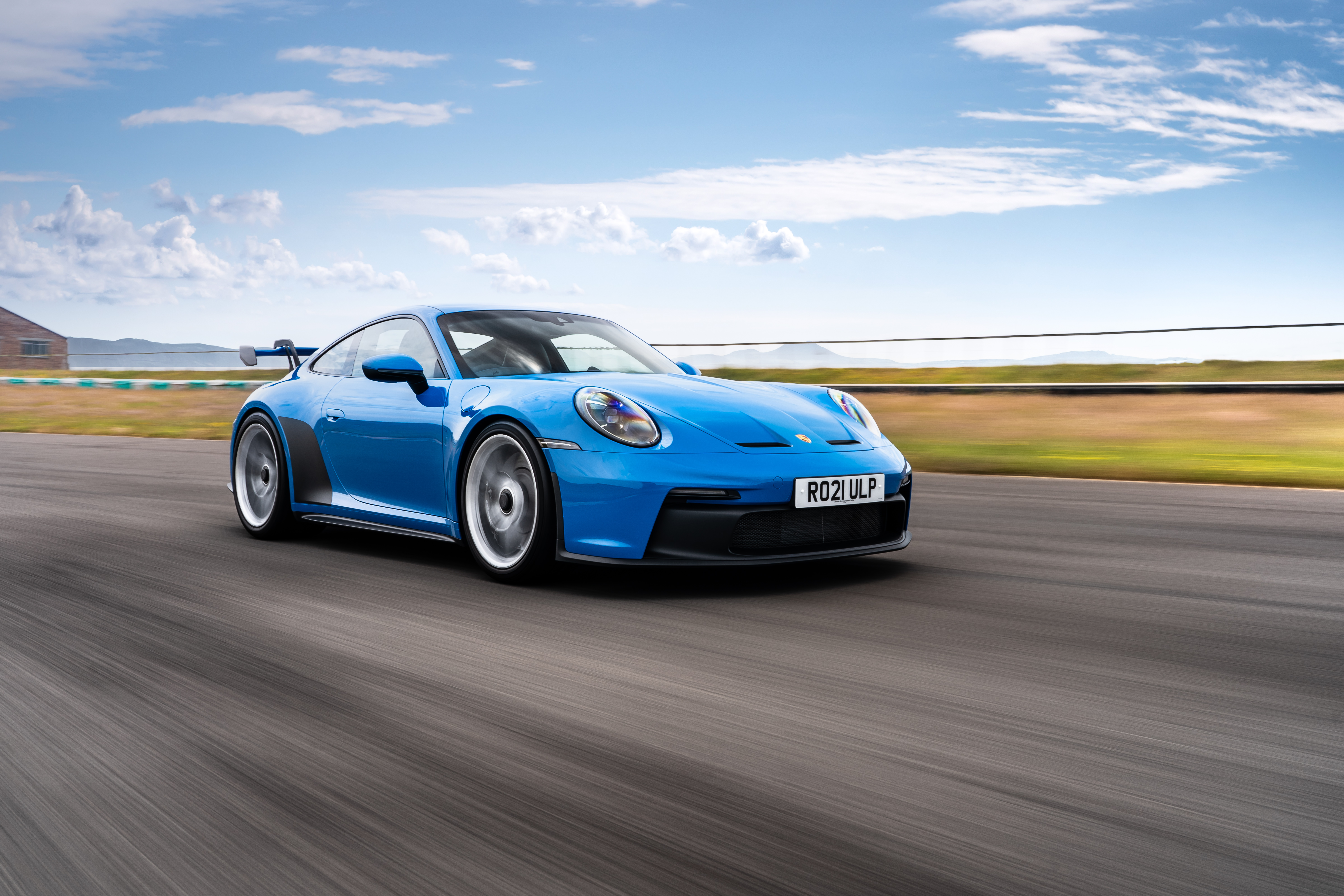
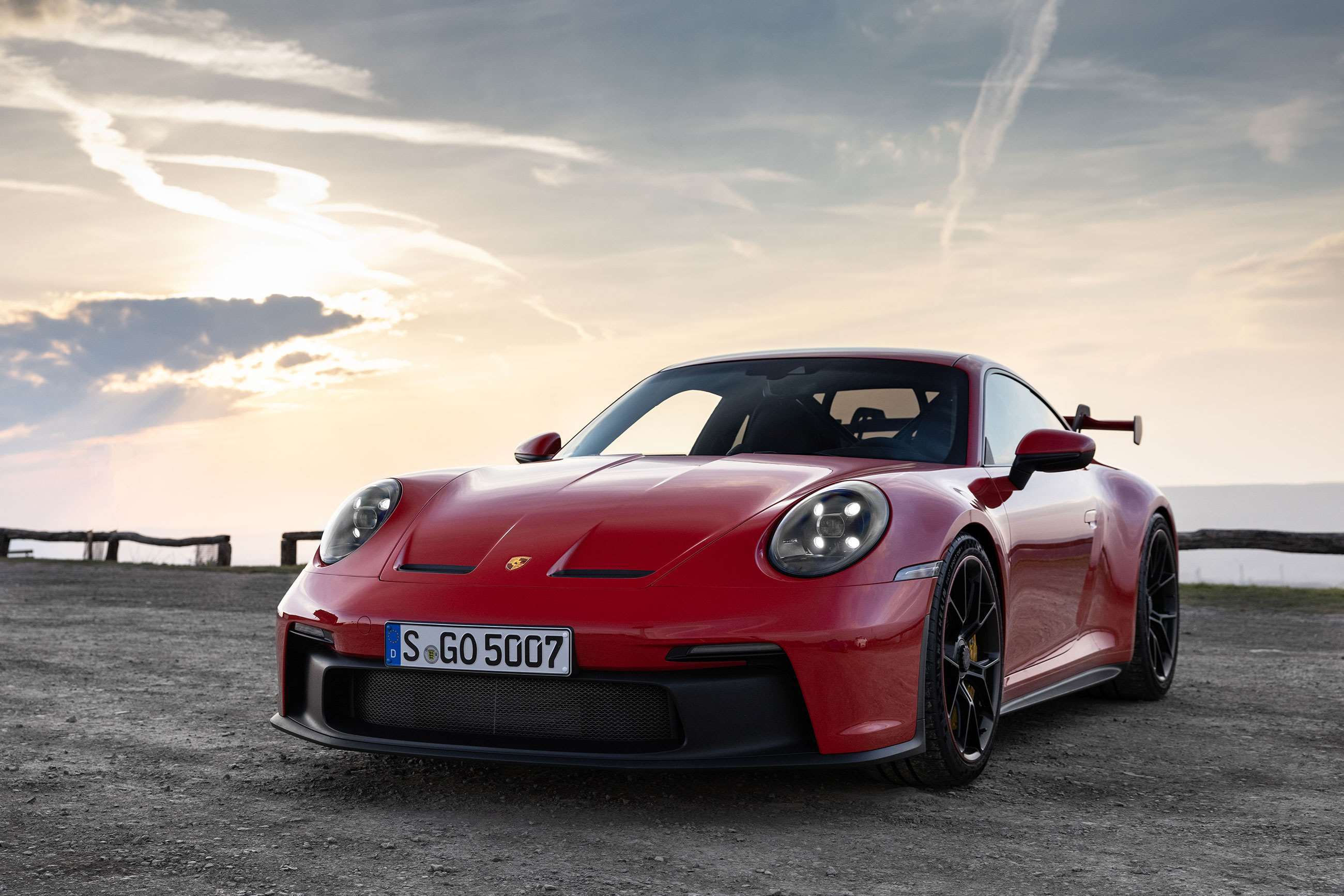
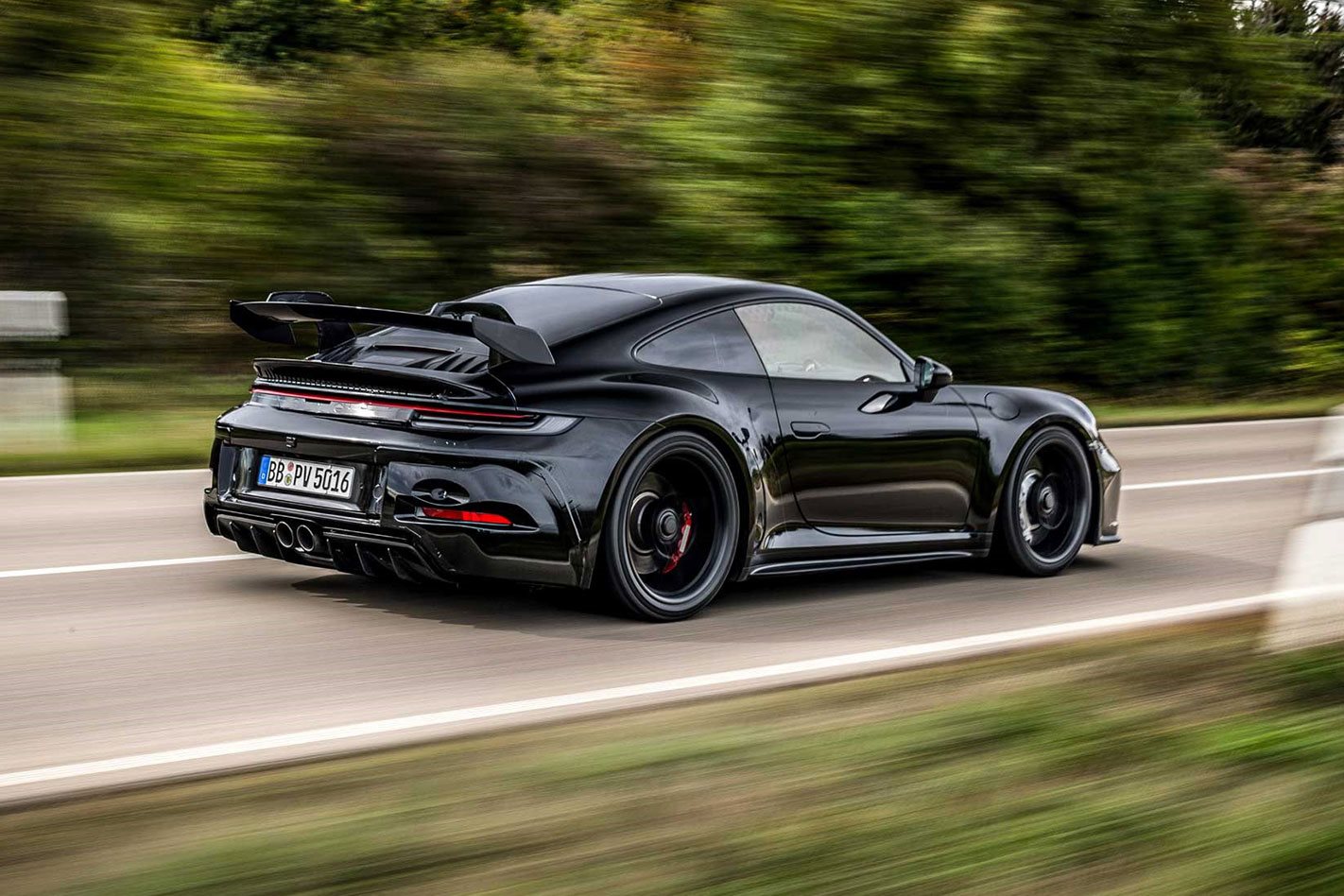
The 2021 Porsche 911 GT3, representing the 992 generation, serves as a bridge between pure track-focused performance and usable road-going sports cars. It features a naturally aspirated 4.0-liter flat-six engine producing 502 horsepower, a sophisticated double-wishbone front suspension, and significant aerodynamic enhancements that solidify its position as one of the most capable vehicles in the modern Porsche lineup.
Engineering Philosophy and Performance DNA
The 2021 Porsche 911 GT3 marks a pivotal shift in the evolution of the iconic 911 nameplate. When Porsche engineers set out to design the 992-generation GT3, their primary objective was to marry the raw, visceral experience of a motorsport-derived powertrain with the increased chassis stability required for high-speed cornering. Unlike the turbocharged engines found in the Carrera or Turbo models, the GT3 retains its naturally aspirated identity, a decision that defines its character.
The heart of the vehicle is a 4.0-liter flat-six engine derived directly from the GT3 R race car. This engine is capable of revving to 9,000 rpm, delivering a peak output of 502 horsepower and 346 lb-ft of torque. The use of individual throttle bodies and a dry-sump lubrication system underscores its racing pedigree. In a market increasingly dominated by turbocharging and electrification, the 2021 GT3 offers a tactile, linear power delivery that purists consider a pinnacle of combustion engineering.
The Chassis Revolution: Double-Wishbone Suspension
One of the most significant mechanical departures in the 2021 911 GT3 is the implementation of a double-wishbone front suspension. In previous generations, the 911 used a MacPherson strut setup. While effective, the strut design limited the amount of mechanical grip available during heavy cornering and made suspension tuning more restrictive.
By shifting to a double-wishbone layout—inherited directly from the 911 RSR—Porsche engineers decoupled the spring and damper functions from the wheel-guiding components. This allows for more precise control over camber and caster angles, providing a much larger tire contact patch during aggressive driving. The result is a front end that feels significantly sharper, with a level of steering feedback and turn-in agility that was previously unattainable in a road-legal 911.
Aerodynamics and Downforce Management
The 2021 911 GT3 is visually distinguished by its aggressive aerodynamic profile, most notably the "swan-neck" rear wing. Unlike traditional wing mountings that attach from the bottom, the swan-neck design connects to the top of the wing. This configuration keeps the underside of the wing unobstructed, where the majority of the downforce is generated.
The car also features a prominent front diffuser with adjustable settings and optimized side skirts that manage airflow along the underbody. These components are not merely aesthetic; they are designed to work in concert to increase downforce by up to 50% compared to the previous generation at high speeds. For owners who intend to use the vehicle on a track, these aerodynamic elements provide the stability necessary to attack corners with confidence, while the adjustable nature of the wing allows for fine-tuning based on specific circuit layouts.
Transmission Options: PDK vs. Manual
Porsche maintains a commitment to driver choice by offering the 2021 GT3 with two distinct transmission options. Each caters to a different user intent and driving preference.
The Seven-Speed PDK
The seven-speed dual-clutch transmission (PDK) is the choice for drivers who prioritize lap times and surgical precision. It executes shifts in milliseconds and is programmed to keep the engine in its optimal power band continuously. The PDK in the GT3 is a motorsports-derived unit that offers a more aggressive shift strategy than the standard PDK found in the base 911 Carrera, making it the superior choice for track days and high-performance driving.
The Six-Speed Manual
For the purist, Porsche provides a six-speed manual gearbox. This unit is specifically tailored to the GT3, featuring a short-throw shifter and a precise, mechanical engagement. While slower than the PDK in terms of absolute acceleration, the manual transmission provides a level of engagement and human-machine interaction that defines the traditional sports car experience. It is a testament to Porsche’s brand identity that they continue to engineer and offer a high-performance manual option in an era where such technology is rapidly fading.
Comparative Specifications
The following table outlines the technical specifications that define the 2021 Porsche 911 GT3 in contrast to the broader 992 platform.
| Feature | 2021 Porsche 911 GT3 | 2021 911 Carrera (Baseline) |
|---|---|---|
| Engine Type | 4.0L Naturally Aspirated Flat-Six | 3.0L Twin-Turbo Flat-Six |
| Horsepower | 502 hp | 379 hp |
| Redline | 9,000 RPM | 7,500 RPM |
| Front Suspension | Double-Wishbone | MacPherson Strut |
| Curb Weight | ~3,126 lbs (Manual) | ~3,354 lbs |
| Drive Layout | Rear-Wheel Drive | Rear-Wheel Drive |
Maintenance and Operational Considerations
Owning a 2021 Porsche 911 GT3 requires an understanding of its specialized maintenance needs. Because the engine is essentially a racing unit designed for sustained high-rpm operation, it requires frequent oil changes and meticulous adherence to service intervals. Owners should expect higher ownership costs compared to standard Porsche models due to the specialized nature of the GT3’s components, such as the lightweight braking systems and the track-optimized cooling requirements.
When purchasing a pre-owned 2021 GT3, it is vital to obtain a comprehensive inspection from an authorized Porsche center. This should include an "over-rev" report from the engine control unit (ECU). This data confirms whether the engine has been pushed past its redline in previous ownership, which can lead to premature mechanical wear or voided warranties. Furthermore, check the condition of the tires; the standard Michelin Pilot Sport Cup 2 tires are designed for maximum grip but have a limited lifespan, especially if used frequently on the track.
Frequently Asked Questions
Is the 2021 Porsche 911 GT3 suitable for daily driving?
While it is street-legal, the GT3 is optimized for performance. The suspension is significantly stiffer than a standard 911, and the lack of certain sound-deadening materials means increased road and engine noise. For a dedicated driver, it is manageable for daily use, but it is not a luxury cruiser.
How does the 2021 GT3 compare to the 991.2 GT3?
The 992 generation offers significant handling improvements through its double-wishbone front suspension and improved aerodynamics. The engine is largely similar in displacement to the 991.2, but it benefits from improved cooling and intake efficiency, resulting in a slight power increase and a more responsive throttle.
Does the manual transmission compromise the car's performance?
It depends on the metric. On a racetrack, the PDK will provide faster lap times due to its shift speed. However, the manual transmission does not compromise the "performance" of the driving experience; rather, it changes the nature of it, offering more control to the driver at the cost of the absolute speed advantage provided by the dual-clutch system.
What are the primary warning signs of a heavily tracked GT3?
Look for uneven tire wear, heavy debris in the cooling ducts, paint chips on the lower rocker panels, and heat discoloration on the brake rotors. A professional pre-purchase inspection that includes a lift-side look at the suspension bushings and underbody shielding is essential.
Can the rear wing be removed for street driving?
The rear wing is an integral part of the car's aerodynamics and cooling system. Removing it will significantly alter the vehicle's downforce balance and handling characteristics at high speeds, and it is not recommended for street or track use.
Final Recommendation
The 2021 Porsche 911 GT3 is a triumph of mechanical engineering. If you are seeking a vehicle that offers the closest possible experience to a race car while remaining usable on public roads, this model is an excellent choice. Prospective buyers should prioritize vehicles with documented maintenance histories and a verified ECU data report. Before finalizing a purchase, ensure you test drive both the PDK and the manual versions, as the transmission type drastically alters the character of the vehicle. For most, the PDK is the superior performance tool, while the manual is the superior engagement tool.