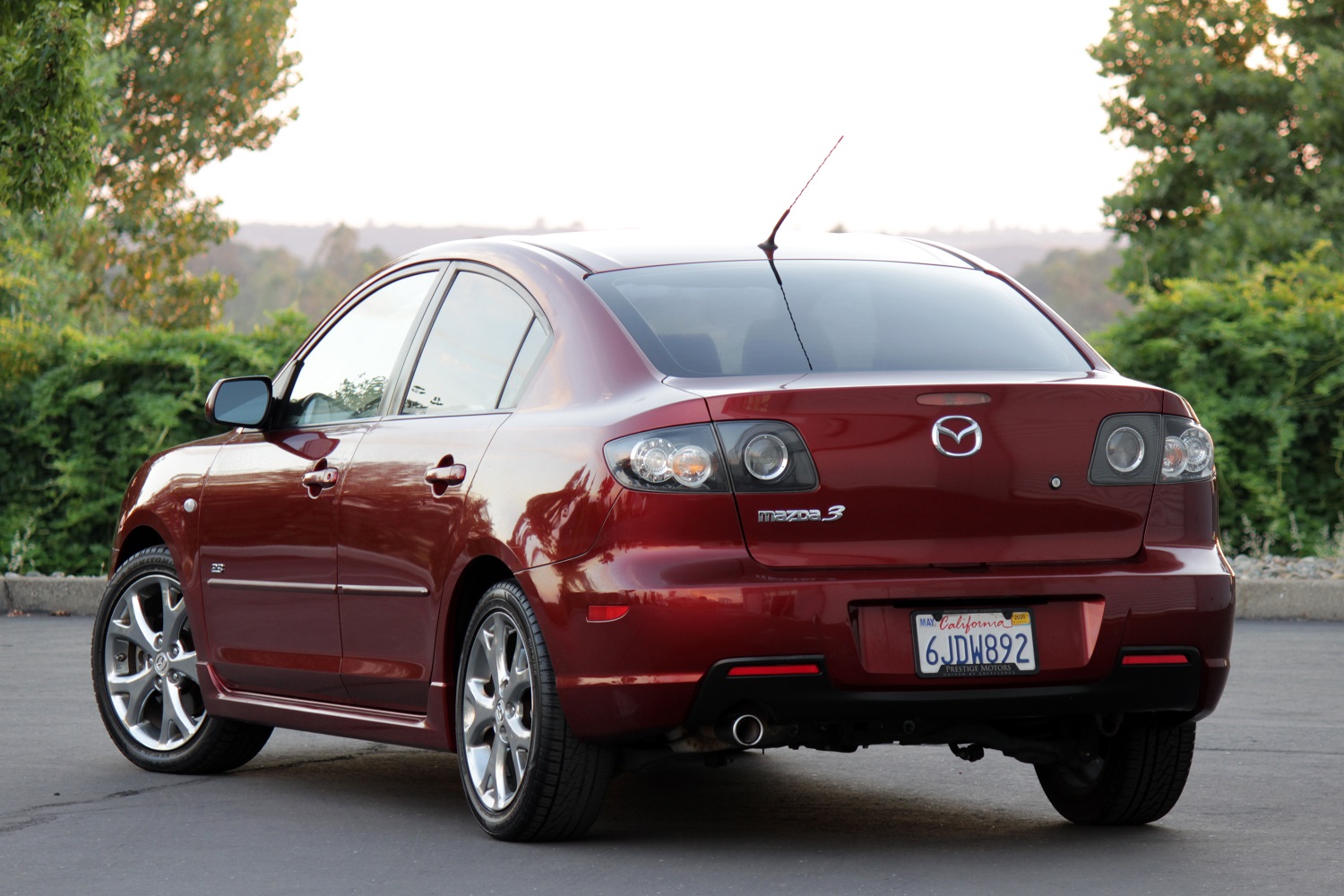
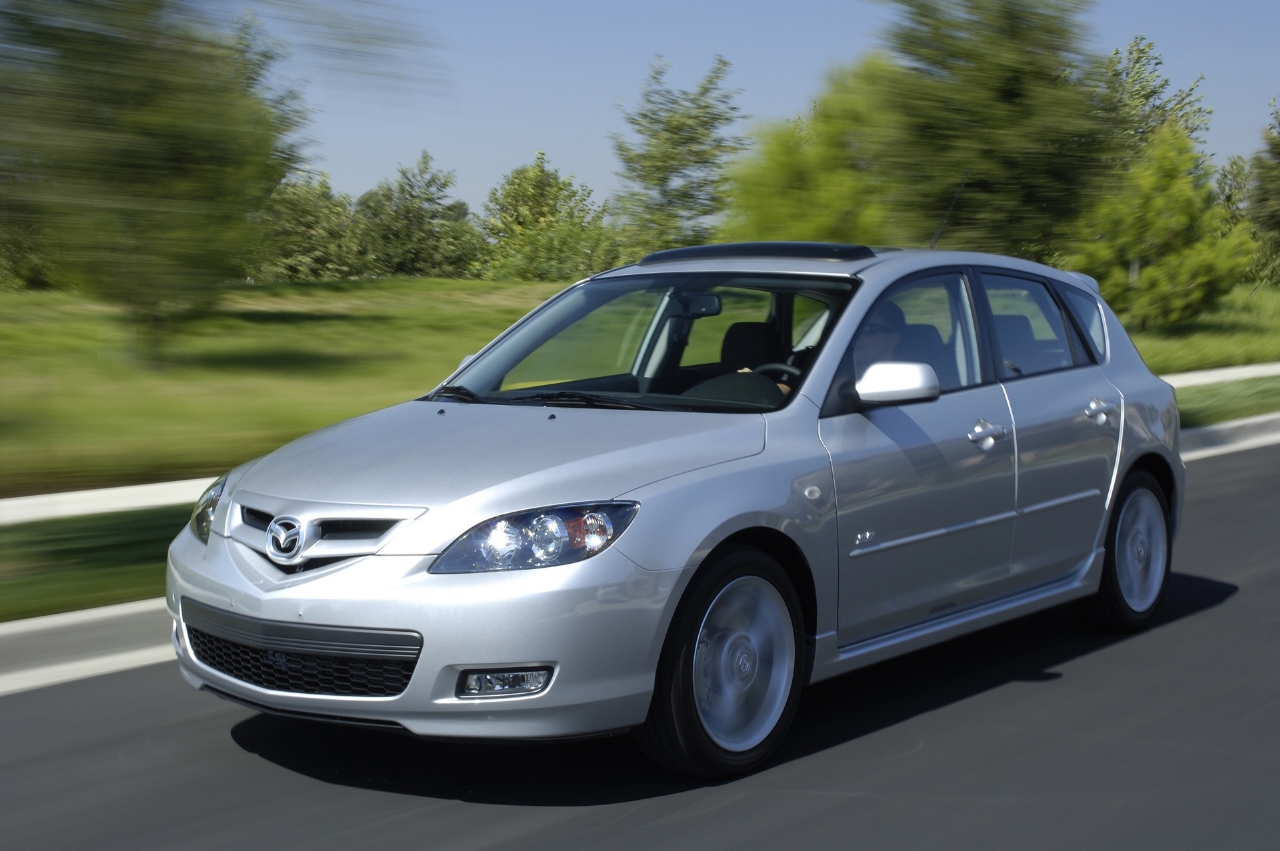
The 2008 Mazda 3 i Sport is a compact car that balances spirited handling, a practical engine, and solid safety ratings. It features a 2.0-liter four-cylinder engine making 148 horsepower, historical pricing ranging from roughly $16,000 to $18,000 new, and standard safety equipment including front-seat side airbags and side-curtain airbags.
Evaluating a pre-owned or classic compact car requires looking past the surface appeal to understand the engineering choices, real-world utility, and long-term viability of the vehicle. The 2008 Mazda 3 i Sport occupies a distinct space in automotive history. Released during a period when the compact segment was shifting toward better fuel economy and enhanced interior refinement, this generation of the Mazda 3 earned praise for its engaging driving dynamics—often described as "Zoom-Zoom" by the manufacturer—without sacrificing daily practicality.
Understanding this vehicle requires a detailed breakdown of its power delivery, historical and current market pricing dynamics, and comprehensive safety profile. Whether considering this model as an economical daily driver, a reliable commuter, or an affordable first car, examining these core pillars clarifies what to expect from the 2008 Mazda 3 i Sport.
Mechanical Engineering and Power Delivery
At the heart of the 2008 Mazda 3 i Sport lies a naturally aspirated 2.0-liter, inline-four MZR engine. This powerplant utilizes an aluminum block and cylinder head, dual overhead camshafts (DOHC), and variable valve timing (VVT) to optimize breathing across the rev range.
Engine Specifications and Output
The 2.0-liter engine produces 148 horsepower at 6,500 rpm and 135 lb-ft of torque at 4,500 rpm. While these figures are modest by modern standards, they were competitive for the compact segment in 2008. The torque curve is relatively flat, providing responsive acceleration from a standstill, which makes urban driving and tight-space maneuvering straightforward.
Transmission Options and Drivetrain
Buyers of the 2008 Mazda 3 i Sport could choose between two transmission configurations:
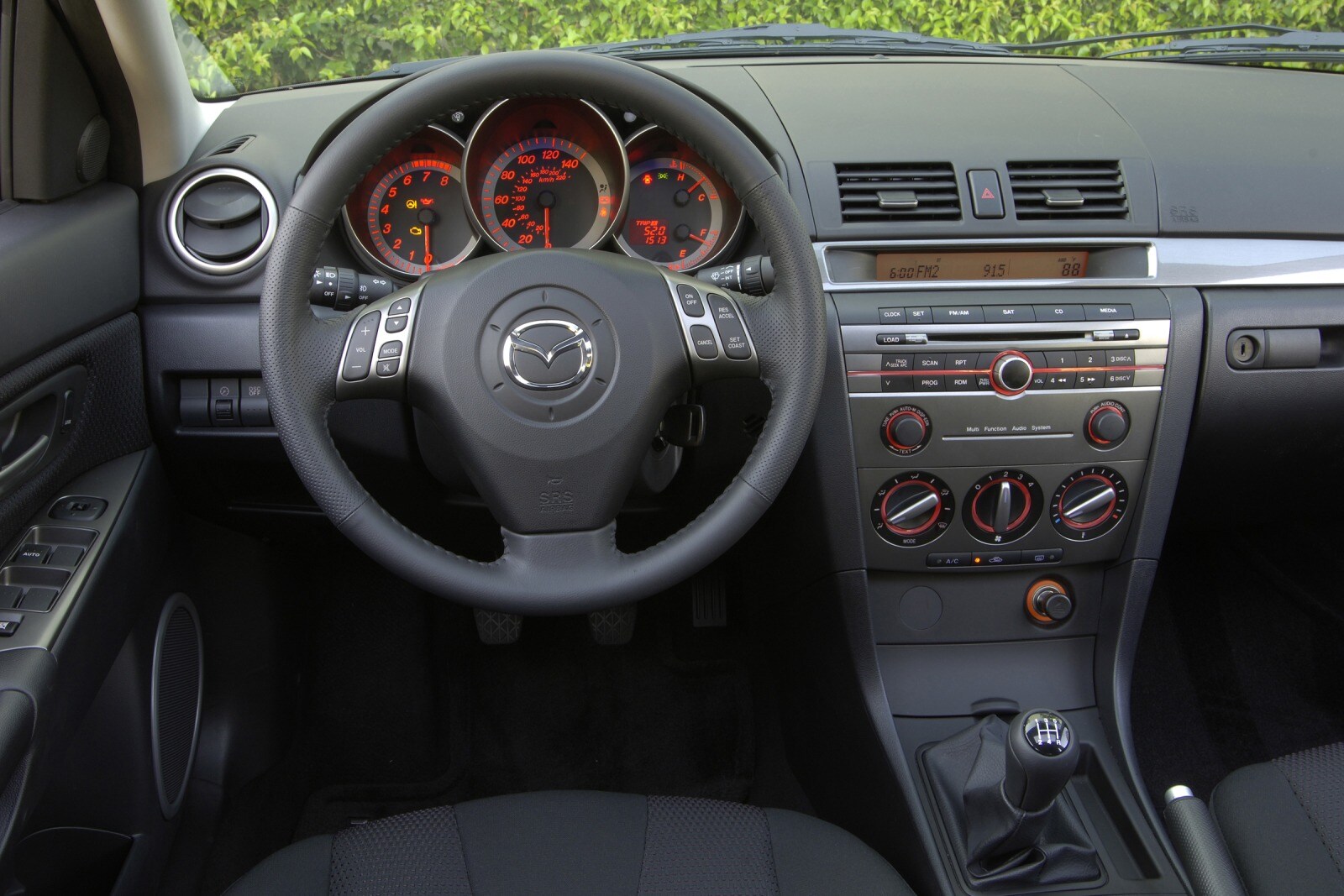
- 5-Speed Manual Transmission: Features short, precise throws and a clutch pedal with clear engagement, allowing drivers to extract the most performance from the 148-horsepower engine.
- 4-Speed Sport Automatic Transmission: Includes a manual shift gate (Sport Mode) that allows the driver to select gears manually when desired, though it lacks the fuel efficiency and gear-ratio spread of modern 6-speed or continuously variable transmissions.
Power is routed exclusively to the front wheels. The vehicle's suspension setup—independent MacPherson struts up front and a multi-link "E-type" rear suspension—contributes to the agile handling characteristics that set this generation apart from competitors like the Toyota Corolla or Honda Civic of the same era.
Pricing Dynamics: Original MSRP vs. Current Valuation
When assessing the financial aspect of the 2008 Mazda 3 i Sport, it is necessary to examine both its initial market positioning and how depreciation and modern used-car valuations shape its cost today.
Original Factory Pricing
When new in the 2008 model year, the Mazda 3 i Sport had a Manufacturer's Suggested Retail Price (MSRP) typically starting around $16,000 to $17,000, depending on whether it was ordered with the manual or automatic transmission and additional packages such as the Sport Package or audio upgrades. This positioned it competitively as an affordable, value-oriented compact sedan or hatchback.
Current Used Market Valuation (2026 Perspective)
In 2026, the 2008 Mazda 3 i Sport exists purely within the used vehicle marketplace. Valuation is heavily dependent on mileage, mechanical condition, rust presence (a known issue for first-generation Mazda 3 models in salt-belt regions), and accident history.
| Condition Tier | Estimated Mileage Range | Price Range (USD) | Key Considerations |
|---|---|---|---|
| Fair / Driver | 150,000+ miles | $2,000 – $3,500 | Cosmetic wear, mechanical needs attention, possible suspension replacement required. |
| Good / Average | 100,000 – 150,000 miles | $3,500 – $5,500 | Routine maintenance up to date, minor cosmetic blemishes, solid running condition. |
| Excellent / Clean | Under 100,000 miles | $5,500 – $8,000+ | Low mileage, garage-kept, rust-free undercarriage, comprehensive service records. |
When buying or selling a vehicle of this age, total cost of ownership extends beyond the purchase price. Prospective owners should budget for immediate post-purchase maintenance items such as tire replacement, fluid flushes, bushing renewals, and potential engine mount replacements, which commonly wear out on this platform.
Safety Architecture and Crash Test Performance
Safety standards and structural engineering in 2008 differed significantly from today's active driver-assist ecosystems, yet the Mazda 3 i Sport was well-equipped for its time, prioritizing both active accident-avoidance capabilities and passive occupant protection.
Passive Safety Features
The structural backbone of the 2008 Mazda 3 relies on Mazda’s Triple-H body construction, designed to disperse crash energy away from the cabin. Standard passive safety equipment for the i Sport trim includes:
- Dual-stage front airbags for driver and front passenger.
- Front-seat-mounted side-impact airbags.
- Roof-mounted side-curtain airbags providing protection for front and rear outboard occupants.
- Height-adjustable front seatbelts with pretensioners and load limiters.
- LATCH (Lower Anchors and Tethers for CHildren) attachment points in the rear outboard seats.
Active Safety and Braking
Active safety relies heavily on the vehicle's nimble handling reflexes, which allow drivers to steer away from potential hazards. Braking is handled by power-assisted four-wheel disc brakes (vented front, solid rear) equipped with an Anti-lock Braking System (ABS) and Electronic Brakeforce Distribution (EBD). Traction control and Dynamic Stability Control (DSC) were sometimes available as options on select trims, though buyers must verify individual vehicle specifications, as they were not universally standard on the base i Sport trim.
Crash Test Ratings
During its production run, the 2008 Mazda 3 underwent evaluation by major safety organizations:
- National Highway Traffic Safety Administration (NHTSA): The vehicle generally achieved high marks, earning 4 out of 5 stars for frontal driver protection and 5 out of 5 stars for front passenger protection in frontal impact tests, alongside strong side-impact scores.
- Insurance Institute for Highway Safety (IIHS): The 2008 Mazda 3 received the highest rating of "Good" in moderate overlap frontal crash tests, though side-impact ratings varied depending on whether side airbags were present (which are standard on the i Sport).
Frequently Asked Questions
What is the fuel economy of the 2008 Mazda 3 i Sport?
Under EPA testing standards adjusted for modern metrics, the 2008 Mazda 3 i Sport with the 2.0-liter engine achieves approximately 24 mpg in city driving and 32 mpg on the highway with the manual transmission. The 4-speed automatic variant typically returns slightly lower figures, around 23 mpg city and 31 mpg highway.
Is the 2008 Mazda 3 i Sport prone to rust?
Yes, first-generation Mazda 3 models (2004–2009) are notoriously susceptible to rear wheel-arch and rocker panel rust, particularly in geographic regions that use road salt during winter months. When inspecting a used model, a thorough check of the undercarriage and structural frame points is essential.
Does the i Sport trim come with air conditioning and power accessories?
Yes. Despite being a lower-tier trim compared to the Grand Touring or Touring models, the i Sport typically includes power windows, power door locks, power mirrors, air conditioning, and a basic AM/FM/CD audio system with an auxiliary input jack.
How reliable is the 2008 Mazda 3 i Sport engine?
The 2.0-liter MZR engine is generally considered robust and long-lasting, capable of exceeding 200,000 miles if subjected to regular oil changes and proper maintenance. Common ancillary components that may require replacement over time include motor mounts, thermostat housings, and suspension bushings.
Can the rear seats fold down for extra cargo space?
Yes. The 2008 Mazda 3 i Sport features 60/40 split-folding rear seats in both sedan and hatchback configurations, allowing owners to expand cargo capacity significantly for bulky items.
Practical Recommendations for Prospective Buyers
Purchasing or maintaining a 2008 Mazda 3 i Sport requires a balanced assessment of value and condition. Because these vehicles are now well past two decades old, vehicle history and maintenance records outweigh the specific model year pedigree.
Prioritize finding an example with documented maintenance history, minimal or zero rust on the structural rails and wheel arches, and a smooth-shifting transmission. If evaluating a model with over 120,000 miles, inquire whether suspension struts, control arm bushings, and engine mounts have been serviced, as these components frequently degrade over time. For commuters and budget-conscious drivers seeking an engaging driving experience combined with straightforward mechanical upkeep, a well-maintained 2008 Mazda 3 i Sport remains a practical and rewarding choice.