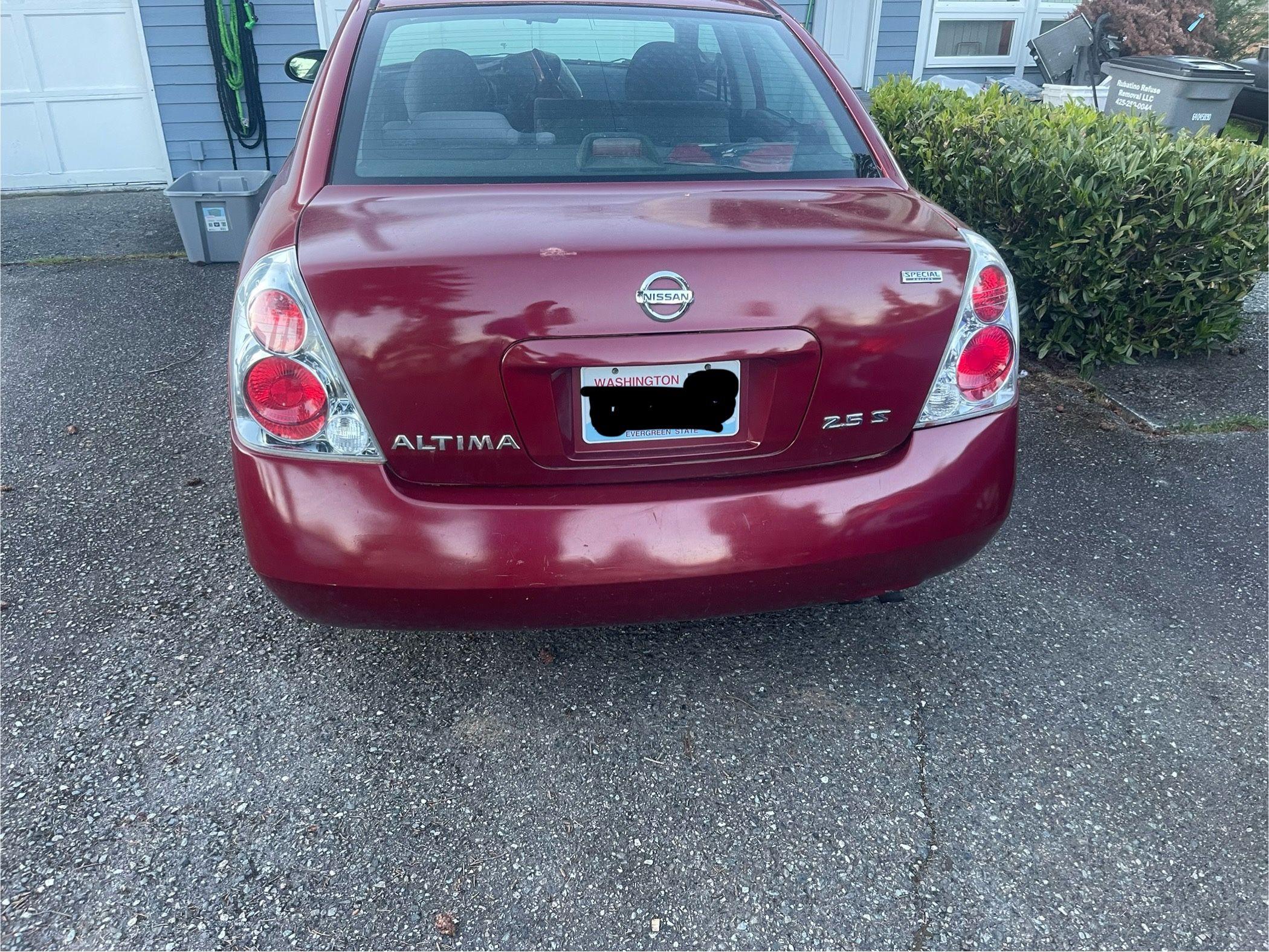
The 2006 Nissan Altima represents the final year of the model's third generation, offering a refined blend of performance, interior ergonomics, and diverse powertrain options. It is defined by its front-wheel-drive platform, available 2.5-liter four-cylinder or 3.5-liter V6 engines, and a chassis engineered to balance mid-size family comfort with sport-oriented handling characteristics.
Architecture and Design Philosophy
The 2006 Nissan Altima was built on the Nissan FF-L platform, a chassis architecture specifically designed for front-wheel-drive vehicles with a focus on interior space and driving dynamics. This generation was noted for its "coke-bottle" styling, characterized by a sloping roofline and distinctively sculpted side panels that distinguished it from the more conservative competitors of its time, such as the Toyota Camry or Honda Accord.
From a structural standpoint, the 2006 model emphasized weight distribution and structural rigidity. The front suspension utilized a strut-type design with a stabilizer bar, while the rear featured a multi-link independent suspension system. This setup allowed for a tighter turning radius and a more connected feeling to the road than many of its contemporaries, catering to buyers who wanted a mid-size sedan that did not feel cumbersome to drive.
Powertrain Options and Performance Specifications
The 2006 Altima was offered in four distinct trim levels: 2.5, 2.5 S, 3.5 SE, and 3.5 SE-R. The powertrain configuration is the most significant factor in defining the driving experience of this vehicle.
2.5-Liter Inline-Four (QR25DE)
The 2.5-liter engine served as the volume-selling powerplant. Rated at 175 horsepower and 180 lb-ft of torque, this engine utilized an aluminum block and head for weight reduction. It was known for providing sufficient acceleration for daily commuting while maintaining competitive fuel efficiency for its era.
3.5-Liter V6 (VQ35DE)
The 3.5-liter V6 was a hallmark of the Altima’s performance credentials. Producing 250 horsepower and 249 lb-ft of torque, this engine transformed the Altima into a significant player in the "sport sedan" segment of the mid-2000s. It was paired with either a 5-speed manual or a 5-speed automatic transmission. The VQ-series engine is widely regarded as one of the more robust engines of that period, provided that routine maintenance, particularly oil changes, was observed.
Trim Level Breakdown
Understanding the differences between the trims is essential for owners and prospective buyers to gauge the specific features included in their vehicle.
- 2.5 Base: The entry-level model, featuring steel wheels, manual mirrors, and limited convenience amenities.
- 2.5 S: The most common trim, adding cruise control, remote keyless entry, a power driver's seat, and alloy wheels.
- 3.5 SE: This trim upgraded the vehicle to the V6 engine and included sport-tuned suspension, 17-inch alloy wheels, fog lights, and interior upgrades like a leather-wrapped steering wheel.
- 3.5 SE-R: The performance flagship. It featured a retuned exhaust system (increasing output to 260 horsepower), firmer suspension dampers, larger front brakes, distinct aerodynamic body styling, and heavily bolstered sport seats.
Interior Features and Ergonomics
The interior of the 2006 Altima focused on driver-centric controls. The dashboard layout is symmetrical, featuring a three-gauge instrument cluster that remains a point of recognition for this generation.
Comfort and Connectivity
By 2006 standards, the Altima offered a generous list of available features:
- Audio Systems: Standard CD players were common, with higher trims offering an optional Bose premium audio system that included a subwoofer.
- Climate Control: Manual air conditioning was standard on base models, while the SE trims often featured automatic climate control.
- Seating and Materials: Cloth upholstery was standard, with leather becoming available on the 3.5 SE models. The SE-R featured unique synthetic suede and leather combinations designed to hold the driver in place during spirited cornering.
Safety and Structural Integrity
For the 2006 model year, safety features were becoming more standardized, though they were often tiered by trim level. Dual-stage front airbags were standard across all trims.
- Side-Impact Protection: Front-seat-mounted side-impact airbags and roof-mounted curtain airbags for head protection were available as part of a safety package on most trims.
- Braking Systems: Four-wheel disc brakes were standard on V6 models, while four-cylinder models utilized a front-disc/rear-drum configuration unless the optional ABS (Anti-lock Braking System) package was selected. ABS, when equipped, also included Electronic Brakeforce Distribution (EBD), which adjusted brake pressure to individual wheels based on vehicle load to shorten stopping distances.
Technical Comparison of Trim Variations
| Feature | 2.5 / 2.5 S | 3.5 SE | 3.5 SE-R |
|---|---|---|---|
| Engine | 2.5L I4 | 3.5L V6 | 3.5L V6 (Tuned) |
| Horsepower | 175 hp | 250 hp | 260 hp |
| Transmission | 5-Speed Manual/Auto | 5-Speed Manual/Auto | 6-Speed Manual/5-Speed Auto |
| Wheels | 16-inch Steel/Alloy | 17-inch Alloy | 18-inch Alloy |
| Suspension | Standard | Sport-Tuned | High-Performance |
Common Maintenance Considerations
As these vehicles age, certain features require closer monitoring to ensure long-term reliability.
- Camshaft Position Sensors: These are known to fail on the QR25DE engines, often leading to a no-start condition or intermittent stalling.
- Motor Mounts: The torque produced by the 3.5-liter V6, combined with the nature of front-wheel-drive, can cause the engine mounts to wear prematurely, resulting in excessive vibration at idle.
- Cooling System: The plastic housing on the radiator can become brittle after two decades of heat cycles. It is a common proactive maintenance step to replace the radiator assembly if it has not been serviced recently.
- Suspension Components: Bushings and strut mounts in the multi-link rear suspension should be inspected for play or cracking, as these significantly impact the vehicle's handling stability.
Frequently Asked Questions
Does the 2006 Nissan Altima have a timing belt or a timing chain? Both the 2.5-liter four-cylinder and the 3.5-liter V6 engines use a timing chain. Unlike a rubber timing belt, which requires periodic replacement based on mileage, the timing chain is designed to last the life of the engine, provided that the oil is changed at recommended intervals to keep the hydraulic tensioner functioning correctly.
Is the 3.5 SE-R the same as the 3.5 SE? No, the SE-R is a distinct trim level. While it shares the same base V6 engine architecture, the SE-R features a sport-tuned exhaust that improves airflow, a different transmission gear ratio set, significant suspension upgrades, and unique interior/exterior aesthetics that are not found on the standard 3.5 SE.
What is the "FF-L" platform? The FF-L platform stands for "Front-engine, Front-wheel drive, Large." It was a global architecture developed by Nissan to optimize the space-to-footprint ratio of their mid-size sedans. It allowed for a longer wheelbase relative to the overall length of the car, which translates into better rear-seat legroom and a smoother ride.
Can I use modern Bluetooth audio in a 2006 Altima? The 2006 Altima did not come equipped with native Bluetooth audio streaming. However, because the factory radio uses standard wiring, many owners install aftermarket head units with Bluetooth, Apple CarPlay, or Android Auto. Alternatively, FM transmitters or auxiliary port adapters are simple, non-intrusive ways to add modern connectivity without replacing the factory dashboard trim.
How does the fuel economy differ between the 2.5 and 3.5 models? The 2.5-liter engine is significantly more fuel-efficient, typically averaging 20-25 mpg in real-world driving. The 3.5-liter V6 is more performance-oriented and generally averages 17-21 mpg. Fuel economy on the 3.5-liter model is highly dependent on driving habits, as the engine's power band encourages more aggressive acceleration.
Recommendation for Owners
For those currently operating a 2006 Nissan Altima, the key to longevity is consistent fluid management. The transmission, particularly the 5-speed automatic, benefits from periodic fluid exchanges even if the service manual does not strictly mandate them. If you are looking to maximize the vehicle's lifespan, prioritize the replacement of rubber components—such as coolant hoses and suspension bushings—that may have degraded due to age rather than mileage. Maintaining the chassis and keeping the electrical system connections clean will ensure that the specific features of the vehicle continue to function as intended.