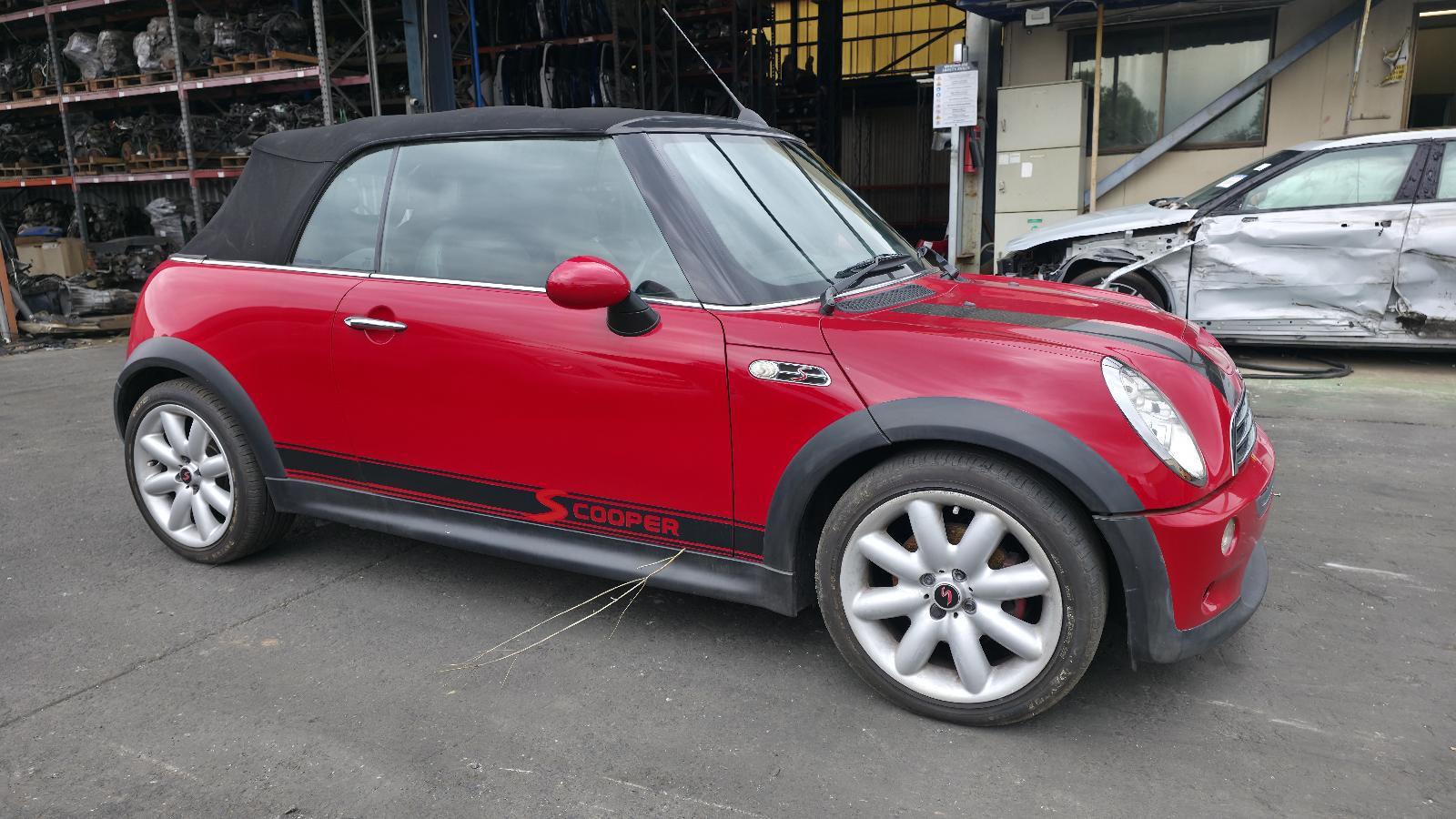
Finding the right components for a first-generation hatchback requires understanding trim differences, OEM versus aftermarket choices, and common failure points like power steering pumps and superchargers. Sourcing reliable 2005 Mini Cooper parts involves navigating a complex ecosystem of Cooper (R50) and Cooper S (R53) variants, ensuring that components match your specific build date, transmission type, and engine specifications.
Maintaining an iconic first-generation hatchback demands careful attention to engineering specifics. Whether you are performing routine preventative maintenance or executing a complex powertrain overhaul, sourcing accurate components prevents costly installation errors and ensures long-term vehicle reliability.
Understanding the 2005 Mini Cooper Generation and Variants
The year 2005 marked a significant mid-cycle refresh for the first-generation modern Mini Cooper, developed under BMW ownership. While the exterior styling received subtle updates such as revised headlights, tail lamps, and bumpers, the most critical changes occurred underneath the sheet metal. For owners and mechanics searching for replacement components, identifying the exact sub-model and production month is the crucial first step.
The lineup is broadly split into two primary engine configurations: the naturally aspirated Cooper (chassis code R50) and the supercharged Cooper S (chassis code R53). Additionally, the convertible variant (chassis code R52) was introduced for the 2005 model year, carrying over the pre-facelift exterior styling while adopting many of the mechanical and electrical updates found in the hardtop models.
R50 (Cooper) Versus R53 (Cooper S) Mechanical Differences
The naturally aspirated R50 model is powered by a 1.6-liter Tritec four-cylinder engine co-developed by Chrysler and Rover, producing approximately 115 horsepower. Early R50 models utilized a controversial Midland five-speed manual transmission, which is notoriously prone to bearing failure. However, vehicles produced from July 2004 onward—including the entire 2005 model year run—benefited from a Getrag five-speed manual transmission, which offers significantly improved durability.
Conversely, the R53 Cooper S features an Eaton M45 Roots-type supercharger bolted to the same 1.6-liter block, boosting output to 168 horsepower. The forced-induction setup requires entirely different supporting hardware, including a dedicated intercooler mounted atop the engine, a distinct serpentine belt routing system, cold-range spark plugs, and a specialized exhaust system. Attempting to install R50 engine peripherals on an R53 model will result in immediate mechanical incompatibility.
The Importance of Build Dates and VIN Verification
Mini implemented rolling production changes throughout the 2005 model year. Relying solely on the model year when ordering components frequently leads to purchasing errors. For instance, clutch kits, flywheel designs, suspension struts, and electrical modules often changed part numbers midway through the production run.
Always cross-reference your Vehicle Identification Number (VIN) with parts suppliers. The final seven digits of the VIN provide manufacturers with the exact factory specification, ensuring that electronic control modules, oxygen sensors, and brake assemblies match your vehicle's specific production window.
Original Equipment Manufacturer (OEM) Versus Aftermarket Options
When purchasing components, consumers face a fundamental choice between Original Equipment Manufacturer (OEM), Original Equipment Supplier (OES), and aftermarket performance alternatives. Understanding these distinctions helps balance upfront financial investment against long-term durability and driving dynamics.
| Component Type | Primary Characteristics | Ideal Use Case |
|---|---|---|
| OEM (Genuine) | Branded in original packaging; exact factory specifications. | Electrical sensors, critical engine internals, and purist restorations. |
| OES (Supplier) | Manufactured by the exact factory suppliers without BMW branding. | Routine maintenance, suspension bushings, and cooling system parts. |
| Aftermarket | Engineered by third parties; often introduces modifications or uprates. | Performance upgrades, track days, and budget-conscious repairs. |
Navigating OEM and OES Choices
OEM components are sourced directly from authorized dealerships and carry the official automotive manufacturer branding. While they guarantee flawless fitment, they often command a significant price premium.
OES components offer a pragmatic alternative. Companies such as Lemförder (suspension arms), Sachs and ClutchNet (clutches), Mahle (filters and pistons), and Behr (radiators and cooling components) supply parts directly to assembly lines. Purchasing from these suppliers under their independent branding provides identical factory quality without the dealership markup.
Evaluating Performance and Budget Aftermarket Alternatives
The aftermarket community for first-generation hatchbacks is exceptionally active, driven by enthusiasts seeking to improve upon factory shortcomings. Upgraded polyurethane suspension bushings, aluminum expansion tanks, upgraded intercooler boots, and pulley reducers for the supercharger are widely available.
While budget aftermarket parts can reduce immediate repair costs, lower-tier electronic sensors—such as crankshaft position sensors and oxygen sensors—frequently fail prematurely when purchased from unverified discount brands. Prioritize reputable aftermarket brands known for rigorous testing and motorsport validation.
High-Wear Areas and Commonly Replaced Components
First-generation models possess distinct mechanical tendencies. Anticipating these wear points allows owners to budget proactively and replace related components during major service intervals to minimize labor duplication.
Cooling System Vulnerabilities
The cooling system represents one of the most vulnerable areas on these vehicles. Plastic expansion tanks are prone to yellowing, cracking, and leaking under sustained thermal stress. Furthermore, the thermostat housing and water pump gaskets frequently degrade, leading to coolant loss.
When replacing the water pump on a supercharged R53, the front end of the car often requires placement in the "service position" (sliding the radiator support forward), making it an ideal time to inspect and replace the serpentine belt, tensioner damper, and bypass valve simultaneously.
Suspension Bushings and Power Steering Maintenance
Factory rubber suspension bushings, particularly the front lower control arm rear bushings, typically wear out every 60,000 to 80,000 miles. Worn bushings manifest as loose steering feedback, uneven tire wear, and clunking noises over bumps. Upgrading these to polyurethane alternatives restores crisp steering geometry, though it can marginally increase cabin NVH (noise, vibration, and harshness).
Electrically driven power steering pumps on these vehicles generate substantial heat and draw high electrical loads. Early models were subject to extended warranty campaigns due to pump failures. If the power steering fails intermittently or generates a loud whinning drone, check the cooling fan mounted underneath the pump; if the external fan seizes due to road debris, the pump will quickly overheat and fail.
Sourcing Strategies and Verification Best Practices
Sourcing reliable components requires utilizing specialized online retailers, enthusiast forums, and verified automotive databases. Generalist auto parts stores often stock basic brake pads and filters, but they frequently lack inventory for specialized European engine peripherals, supercharger components, and trim clips.
Utilizing Specialized European Parts Specialists
Dedicated European and British vehicle specialists maintain comprehensive online catalogs categorized by chassis code, production month, and technical sub-system. These platforms typically feature exploded-view assembly diagrams that help identify obscure fasteners, gaskets, and brackets that generic storefronts omit.
When browsing catalogs, verify return policies and core charges. Rebuilt components such as alternators, steering racks, and superchargers often require returning the original unit to avoid additional fees.
Inspecting Received Components Prior to Installation
Upon receiving your shipment, perform a thorough visual inspection before beginning mechanical disassembly. Check electrical sensor connectors for bent pins, verify that gasket material matches the old component surface, and confirm that fluid capacities and thread pitches align with factory specifications. Catching an incorrect part number prior to unbolting suspension components or draining fluids prevents unexpected vehicle downtime.
Frequently Asked Questions
Are parts interchangeable between a 2005 Mini Cooper and a 2004 model?
Many components interchange, but mid-cycle refresh changes in 2005 affect specific areas such as interior trim, electrical wiring harnesses, headlamps, and certain manual transmission internals. Always verify your specific production date rather than relying solely on the model year.
How do I know if my 2005 model is an R50 or an R53?
The easiest verification method is checking the engine bay. The naturally aspirated R50 features a standard air intake box and plastic intake manifold, whereas the supercharged R53 features a prominent top-mounted intercooler scoop sitting directly over the engine block.
Which aftermarket brands are considered reliable for suspension repairs?
Brands such as Lemförder, Meyle HD, Powerflex, and Bilstein supply high-quality replacement suspension components and bushings that often exceed the longevity of original factory rubber.
Is it necessary to buy OEM spark plugs and ignition coils?
While high-end aftermarket ignition components function effectively, the Tritec engine performs exceptionally well with factory-specified NGK spark plugs gapped correctly. Avoid unbranded budget ignition coils, as they frequently trigger misfire codes.
Where can I find factory part numbers for accurate ordering?
Official electronic parts catalogs (EPK) and enthusiast database archives allow you to input your exact VIN and view factory engineering diagrams alongside genuine part numbers.
Practical Next Steps
Begin your repair or maintenance project by confirming your exact chassis code, transmission type, and production month via your vehicle door jamb sticker and VIN. Inspect the specific subsystem requiring attention, list all associated gaskets and single-use fasteners that require replacement alongside the primary component, and source your hardware from reputable specialists who verify European fitment standards.