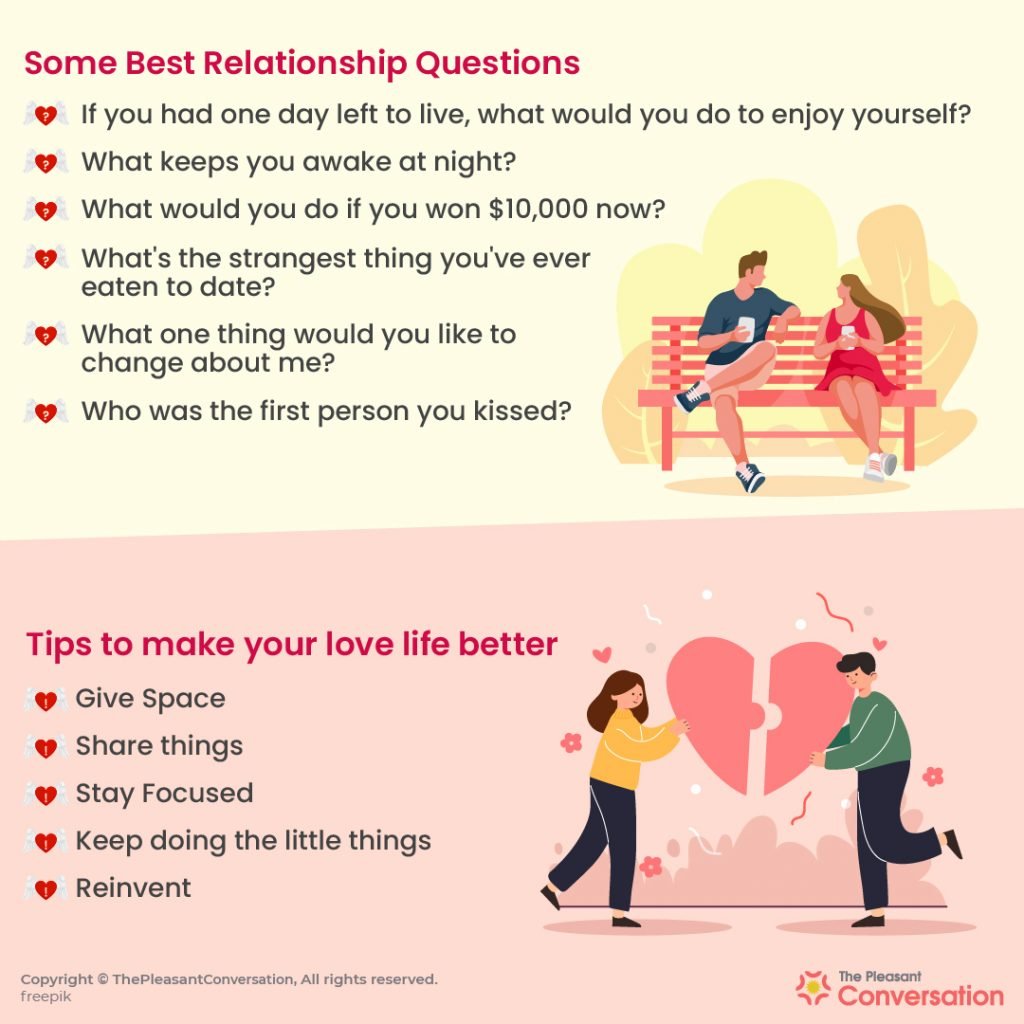
Building a profound, lasting bond requires moving beyond the surface level of daily logistics and routine interaction. Engaging in meaningful, intentional dialogue allows couples to bridge gaps in understanding, align their long-term visions, and foster emotional intimacy that sustains a relationship through various life stages. By asking the right questions, you can uncover the core values, history, and aspirations that define your partner as an individual.
The Foundation of Intentional Communication
Many couples assume they know everything about one another simply because they share a living space or a long history. However, people are dynamic; their perspectives, fears, and goals evolve as they grow older and encounter new challenges. Intentional communication is the practice of setting aside distractions to engage in deep, focused inquiry. This is not about interviewing your partner or placing them under scrutiny, but rather creating a safe container for them to share their internal world.
When initiating these conversations, the setting matters as much as the questions themselves. Choose a time when both partners are relaxed and free from immediate stressors, such as work deadlines or household chores. Avoid using these questions during an argument or as a way to prove a point. Instead, frame the interaction as an opportunity for mutual discovery. Listen to understand rather than to respond, and maintain a non-judgmental stance, even if your partner’s answers surprise or challenge you.
20 Questions for Deeper Insight
The following questions are designed to move from personal history to future aspirations. They act as a catalyst for conversation, intended to prompt further discussion rather than a simple "yes" or "no" answer.
- What is a childhood memory that still makes you feel safe or happy today?
- Which of your personal values are non-negotiable for you in our relationship?
- What is one thing you are currently struggling with that I might not be aware of?
- How do you prefer to receive love when you are feeling overwhelmed or stressed?
- What does "success" look like to you in the next five years?
- Is there a dream you have put on hold that you still hope to pursue?
- What is a mistake you made in the past that taught you the most about yourself?
- When do you feel most like your authentic self?
- Are there any traditions from your upbringing that you would like to start or maintain in our own life together?
- What is one thing I do that makes you feel truly supported?
- How has your definition of "home" changed as you have grown up?
- What is a boundary you have that you feel you haven’t communicated clearly enough?
- If you could change one thing about how we navigate conflicts, what would it be?
- What are you most proud of regarding your personal or professional development so far?
- What do you need from me when you are experiencing grief or deep sadness?
- How do you handle change or transitions in your life?
- What is a topic you could talk about for hours with genuine passion?
- What is a fear that prevents you from taking risks in your personal life?
- In what ways do you think we have positively influenced each other’s growth?
- What is the one thing you want us to be remembered for as a couple?
Categorizing Relationship Goals
To better understand how these questions influence your partnership, it is helpful to organize them by their intended outcome. The table below outlines how these inquiries address different pillars of intimacy.
| Pillar of Connection | Focus Area | Why It Matters |
|---|---|---|
| Emotional Intimacy | Vulnerability & Needs | Builds trust by revealing true feelings and support requirements. |
| Value Alignment | Principles & Beliefs | Ensures long-term compatibility and shared moral ground. |
| Growth & Vision | Future Aspirations | Prevents resentment by acknowledging individual dreams and goals. |
| Conflict & History | Patterns & Triggers | Helps identify behavioral cycles and improves future communication. |
Developing Active Listening Skills
Asking the questions is only half the process; the quality of your connection depends on your ability to listen. Active listening involves providing your partner with your undivided attention, which includes putting away smartphones and minimizing environmental noise.
One of the most effective techniques is "reflective listening." After your partner shares their answer, rephrase what you heard to ensure you understood correctly. For instance, you might say, "It sounds like you feel most supported when I give you space to process things on your own before we talk about a solution. Is that right?" This prevents misunderstandings and demonstrates that you value their perspective.
Additionally, be prepared to sit with silence. Often, the most profound answers require a moment of reflection. Do not feel compelled to fill the silence with your own stories or opinions. Allow your partner the space to articulate their thoughts completely.
Overcoming Common Communication Barriers
Even with the best intentions, partners often face hurdles when trying to go deep. It is normal to feel vulnerable, anxious, or even defensive when discussing topics like personal failures or core needs.
- The "Defensiveness" Trap: If a question about conflict or mistakes makes you feel attacked, acknowledge that feeling out loud. Saying, "I feel a bit defensive right now, but I want to keep hearing what you have to say," is a powerful way to de-escalate your own reaction.
- The "Checklist" Mentality: Do not rush through these 20 questions as if you are completing a task. If one question sparks a deep, hour-long conversation, that is a success. You do not need to answer all 20 in one sitting.
- Assuming You Already Know: The most dangerous phrase in a long-term relationship is "I know what you're going to say." Even if you have been together for years, allow your partner the chance to update their answers based on their current state of mind.
Practical Application and Next Steps
To integrate this practice into your 2026 routine, consider scheduling a "connection night" once or twice a month. Treat this as you would any other important commitment, such as a work meeting or a medical appointment. Consistency is more important than intensity; frequent, smaller conversations often yield more long-term benefits than sporadic, high-pressure "state of the union" talks.
If you find that a particular topic, such as finances or family planning, causes significant tension, do not force it into these open-ended sessions. Recognize when a topic requires professional intervention, such as couples therapy or a financial advisor, rather than just conversation. Sometimes, the goal of these questions is simply to identify which areas of your relationship might need extra care or outside guidance.
As a final next step, choose just one question from the list to discuss with your partner this week. Focus entirely on that single inquiry. By dedicating time to listen fully, you foster a sense of security and validation that strengthens the foundation of your partnership.
Frequently Asked Questions
What if my partner is reluctant to answer these deep questions? Approach them with curiosity rather than pressure. Explain why you want to talk—emphasize that you want to feel closer to them rather than pointing out a deficit in the relationship. If they are uncomfortable, suggest picking only one question or ask them to propose a topic they feel safe discussing first.
How do I handle an answer that I disagree with or find concerning? Focus on curiosity. Ask, "Help me understand how you arrived at that perspective," rather than challenging their validity. Acknowledge that you have different views, but prioritize understanding their internal logic over winning the argument.
Can these questions be used if we are already in a conflict? Generally, no. When emotions are high, the brain is in a "fight or flight" state, which inhibits the empathy and logic needed for deep connection. Resolve the immediate conflict first, and save these questions for a time when you are both feeling regulated and connected.
Is it normal to feel nervous about these conversations? Yes, nervousness is a sign that you care about the outcome. Being vulnerable is an act of courage. Acknowledge the nervousness to your partner; it can actually act as a bonding moment to admit that you want to do the relationship "right."
How often should we revisit these types of questions? There is no fixed schedule. As life circumstances change—such as moving, changing careers, or having children—your perspectives will shift. Revisit these or similar questions whenever you feel you are entering a new phase of life to ensure you are still aligned with your partner’s current goals and feelings.