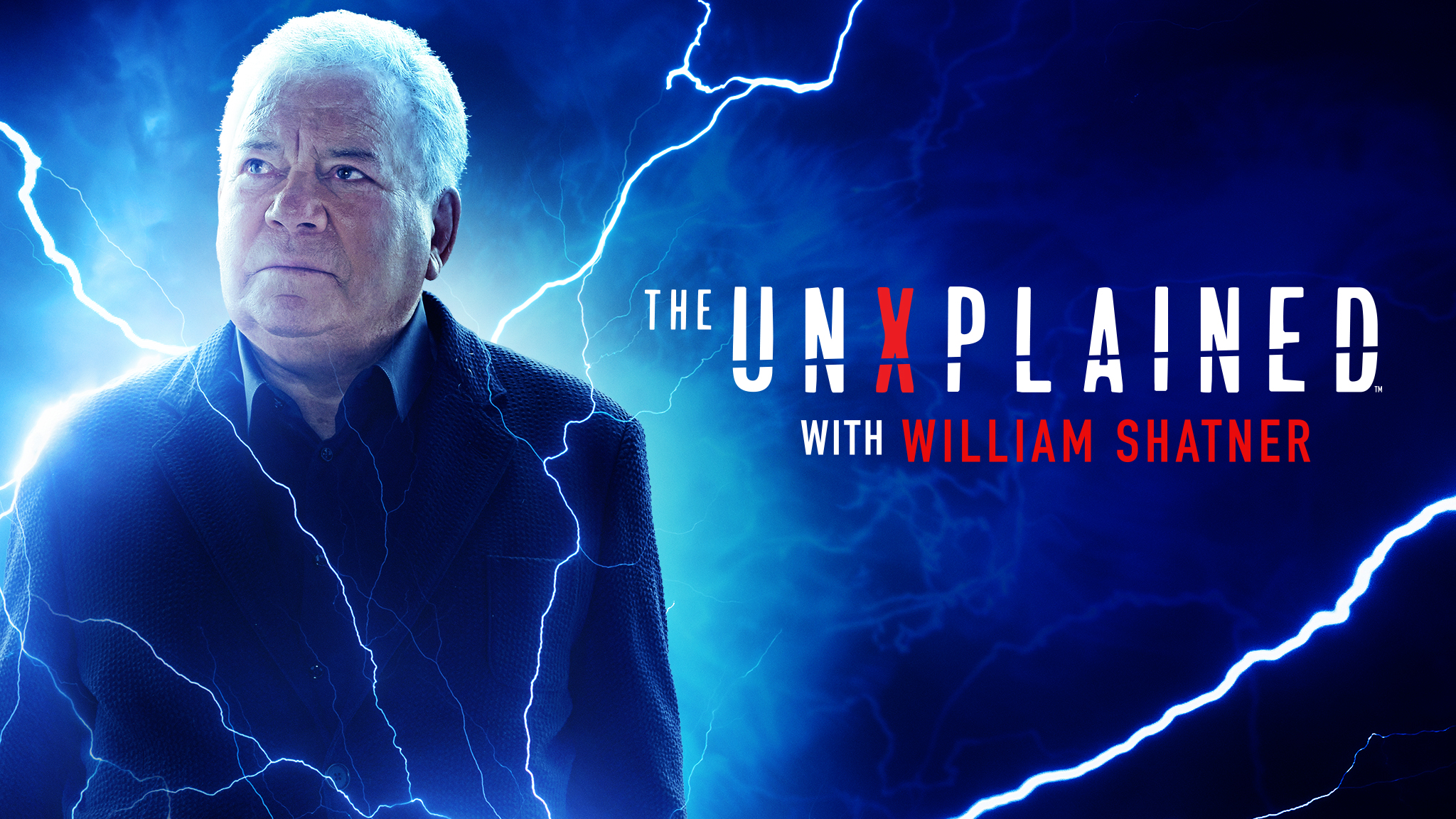
The 16 episodes of The UnXplained Season One, as presented in modern streaming collections, represent a curated exploration of the world’s most enduring mysteries. Hosted by William Shatner, this expanded season investigates paranormal phenomena, strange natural locations, and historical enigmas through a blend of expert testimony, dramatic reenactments, and scientific analysis.
Understanding the 16-Episode Structure of Season One
As of 2026, viewers often encounter a discrepancy regarding the episode count for The UnXplained. When the series originally premiered on the History Channel in 2019, the first production cycle consisted of only eight episodes. However, due to international licensing agreements and the way major streaming platforms like Netflix and Hulu aggregate content, "Season 1" was expanded to include 16 episodes by incorporating the subsequent production block.
This 16-episode format has become the industry standard for digital syndication. It allows for a more comprehensive viewing experience, moving from geological anomalies to psychological mysteries without the interruption of mid-season breaks. For researchers and enthusiasts of the "mystery-tainment" genre, these 16 episodes serve as the foundational bedrock of the series, establishing the tone and investigative rigor that William Shatner and executive producer Kevin Burns intended.
Detailed Breakdown of the 16-Episode Collection
The following analysis details the thematic focus of each episode within the 16-part collection. Each episode is designed to provide a balanced view, presenting anecdotal evidence alongside commentary from scientists, historians, and journalists.
1. Evil Places
The series opens by examining "hot spots" of tragedy and malevolence. This episode focuses heavily on the Aokigahara Forest in Japan, often referred to as the "Suicide Forest," and the Dyatlov Pass in Russia. The primary question explored is whether certain geographical locations can "hold" negative energy or if there are geological factors, such as infrasound, that affect human psychology in these areas.
2. Mysterious Structures
This episode shifts the focus to architecture that defies conventional historical explanation. It covers the Coral Castle in Florida, built single-handedly by Edward Leedskalnin, and the Great Pyramid of Giza. The episode explores the "Ancient Astronaut" theory versus the possibility of lost human technologies, questioning how these massive structures were assembled without modern machinery.
3. Strange Creatures
Cryptids take center stage here. From the Mothman of West Virginia to the Chupacabra of Puerto Rico, the episode examines the thin line between folklore and biology. Experts discuss the possibility of undiscovered species surviving in the world's remote regions and the psychological phenomenon of mass hysteria.
4. Unnatural Nature
Nature often behaves in ways that seem to violate the laws of physics. This episode investigates "Blood Falls" in Antarctica and the "Everlasting Lightning" of Venezuela. The focus is on finding the scientific "X-factor" that explains these anomalies, often revealing that the reality is as strange as the myth.
5. Bizarre Rituals
Humanity’s quest to influence the divine or the supernatural is explored through various cultural practices. This episode looks at Voodoo, Santeria, and ancient Aztec sacrifices. It asks why humans across different continents and eras have developed remarkably similar—and often gruesome—rituals to appease the unknown.
6. Life Beyond Death
One of the most profound mysteries is what happens after we die. This episode examines near-death experiences (NDEs) and the concept of reincarnation. It features interviews with individuals who claim to have "crossed over" and physicians who attempt to map the brain activity that occurs during clinical death.
7. Mysteries of the Mind
The human brain is the final frontier of biology. This episode profiles "savants"—individuals with extraordinary mental abilities—and explores the "Mandela Effect," where large groups of people remember history differently. The central theme is the reliability of human perception and memory.
8. Incredible Survivors
This episode focuses on the "miraculous" survival of individuals in impossible circumstances. From people surviving plane crashes in the Amazon to those who have lived through lightning strikes and extreme falls, the show investigates whether some humans possess a "will to live" that can physically alter their biological outcomes.
9. The Oak Island Curse
Bridging the gap into the second half of the 16-episode run, this episode focuses on the world's longest-running treasure hunt. It explores the history of the "Money Pit" on Oak Island and the numerous lives lost in the pursuit of its hidden contents.
10. Dark Prophecies
Can the future be predicted? From Nostradamus to modern-day "remote viewers," this episode examines the validity of prophecy. It looks at instances where historical events were seemingly foretold with chilling accuracy and weighs the role of coincidence versus true precognition.
11. Lost Civilizations
The episode explores the possibility of advanced societies that predated recorded history. It looks at underwater ruins off the coast of Japan (Yonaguni Monument) and the legendary city of Atlantis. The investigation focuses on whether the "cradle of civilization" is much older than archaeologists currently acknowledge.
12. Deadly Cults
This episode takes a darker turn into the psychology of influence. It examines the mechanisms used by cult leaders like Jim Jones and Marshall Applewhite to convince followers to commit horrific acts. It serves as a psychological study of how the "unexplained" can be weaponized to control others.
13. Extreme Weather
Weather patterns that defy meteorological models are the subject of this episode. It covers "ball lightning," fish falling from the sky (Lluvia de Peces), and "rogue waves." Scientists discuss how climate change and atmospheric anomalies are creating new, unexplained weather phenomena in the 21st century.
14. Mysterious Stones
From Stonehenge to the Moai of Easter Island, huge megaliths are found globally. This episode investigates the purpose behind these stones—whether they were celestial calendars, religious markers, or something more enigmatic—and how ancient peoples transported stones weighing dozens of tons.
15. Vampires and Werewolves
This episode deconstructs the origins of the world's most famous monsters. It explores the medical conditions (such as porphyria and hypertrichosis) that may have birthed the legends of vampires and werewolves, while also looking at "real-life" modern communities that adopt these identities.
16. Amazing Human Abilities
Concluding the 16-episode season, the show looks at "Superhumans." This includes people who can withstand freezing temperatures (the "Iceman" Wim Hof) and those with photographic memories. The episode posits that the next stage of human evolution may already be appearing among us.
Data Comparison: Episode Themes and Locations
| Episode Number | Primary Theme | Key Case Study | Location |
|---|---|---|---|
| 1 | Paranormal Geography | Aokigahara Forest | Japan |
| 2 | Anomalous Construction | Coral Castle | USA |
| 3 | Cryptozoology | Mothman | USA |
| 7 | Neuroscience | Savant Syndrome | Global |
| 9 | Historical Mystery | The Money Pit | Canada |
| 11 | Archaeology | Yonaguni Monument | Japan |
| 14 | Megalithic History | Stonehenge | UK |
| 16 | Human Potential | Extreme Physiology | Global |
The Role of William Shatner and Expert Commentary
A significant factor in the success of The UnXplained is the presence of William Shatner. As of 2026, Shatner remains a cultural icon, and his performance in Season 1 is often cited for its gravitas. Unlike hosts who lean into sensationalism, Shatner’s delivery is characterized by a "skeptical curiosity." He asks the questions the audience is thinking, often ending segments with open-ended queries that invite the viewer to draw their own conclusions.
Supporting Shatner is a roster of experts that includes:
- Dr. Michio Kaku: A theoretical physicist who provides a scientific framework for seemingly impossible phenomena.
- Linda Moulton Howe: An investigative journalist specializing in the paranormal and UFOlogy.
- Historical Consultants: Various archaeologists and professors who provide the "establishment" view, which the show then contrasts with alternative theories.
This "expert versus alternative" format ensures that the 16 episodes do not devolve into pure fantasy. Instead, they operate in the tension between what we know and what we suspect.
Technical Production and Visual Style
The 16 episodes of Season 1 are noted for their high production value. In 2026, many older documentary series look dated, but The UnXplained utilized 4K cinematography and high-end CGI that has aged remarkably well. The visual style relies on:
- Dark, moody lighting: Enhancing the "mystery" aesthetic.
- Cinematic Reenactments: Eschewing the low-budget "ghost hunter" look for professional actors and period-accurate costuming.
- Graphic Overlays: Using digital maps and 3D wireframes to explain complex geological or architectural concepts.
These technical elements were crucial in maintaining viewer engagement across a 16-episode marathon, preventing "viewer fatigue" by varying the visual pacing.
Accessing the 16-Episode Collection in 2026
For those looking to watch the full 16-episode arc of Season 1, there are several verified methods of access. It is important to distinguish between the "Broadcast Season 1" (8 episodes) and the "Streaming Season 1" (16 episodes).
- Major Streaming Platforms: Services like Netflix and Hulu currently host the 16-episode version. On these platforms, the episodes are usually numbered 1 through 16 without a break.
- Digital Purchase: Platforms such as Amazon Prime Video and Apple TV often sell Season 1 in two "volumes." Volume 1 contains episodes 1-8, while Volume 2 contains episodes 9-16. To get the full experience described in this guide, both volumes are required.
- The History Channel App: Subscribers to cable or satellite services can often stream the entire 16-episode block via the official History Channel portal, though the episodes may be categorized under "Season 1" and "Season 2" depending on the region's specific licensing.
Common Misconceptions About Season One
Given the show's subject matter, several myths have persisted. First, while the show explores "Ancient Astronaut" theories, it is not a direct spin-off of Ancient Aliens. It covers a broader range of topics, including psychology and natural disasters. Second, many viewers assume the episodes were filmed in the order they are numbered. In reality, production on the 16 episodes was non-linear, with segments for "Evil Places" and "Lost Civilizations" often being filmed months apart and then edited into thematic blocks.
Frequently Asked Questions
Why do some sites say Season 1 only has 8 episodes?
The original broadcast on the History Channel in 2019 was split into two 8-episode blocks. Many official databases still list these as separate seasons. However, the global streaming release consolidated these into a single 16-episode Season 1 to provide more value for subscribers and a more cohesive narrative flow.
Is William Shatner actually involved in the investigations?
Shatner serves as the host and narrator. While he appears on-camera in a stylized "command center" set, he does not typically travel to the locations shown in the episodes. The field research is conducted by specialized crews and experts, while Shatner provides the synthesis and "voice" of the show.
Are the theories presented in the 16 episodes scientifically proven?
The show is designed to be speculative. While it features many legitimate scientists and peer-reviewed data, it also gives platform to fringe theories and anecdotal accounts. The primary goal is to explore the "unexplained," meaning many of the topics—by definition—lack a consensus scientific explanation.
Which episode is considered the most popular of the 16?
"Evil Places" (Episode 1) and "Life Beyond Death" (Episode 6) consistently rank highest in viewer engagement and social media discussion. "Evil Places" is often praised for its atmosphere, while "Life Beyond Death" resonates with viewers on a personal and philosophical level.
Can I watch the 16 episodes out of order?
Yes. The UnXplained is an anthology series. Each episode is self-contained. There is no overarching plot, meaning a viewer can jump from Episode 15 ("Vampires and Werewolves") to Episode 2 ("Mysterious Structures") without losing any context.
Recommendation for New Viewers
If you are approaching The UnXplained for the first time in 2026, the best way to experience the 16 episodes is by thematic interest rather than numerical order. If you prefer hard science and geography, start with "Unnatural Nature" and "Extreme Weather." If you are more interested in the paranormal, begin with "Evil Places" and "Life Beyond Death." This 16-episode collection remains one of the most comprehensive surveys of the strange and unusual ever produced for television, and it continues to provide a thought-provoking look at the world’s greatest mysteries.