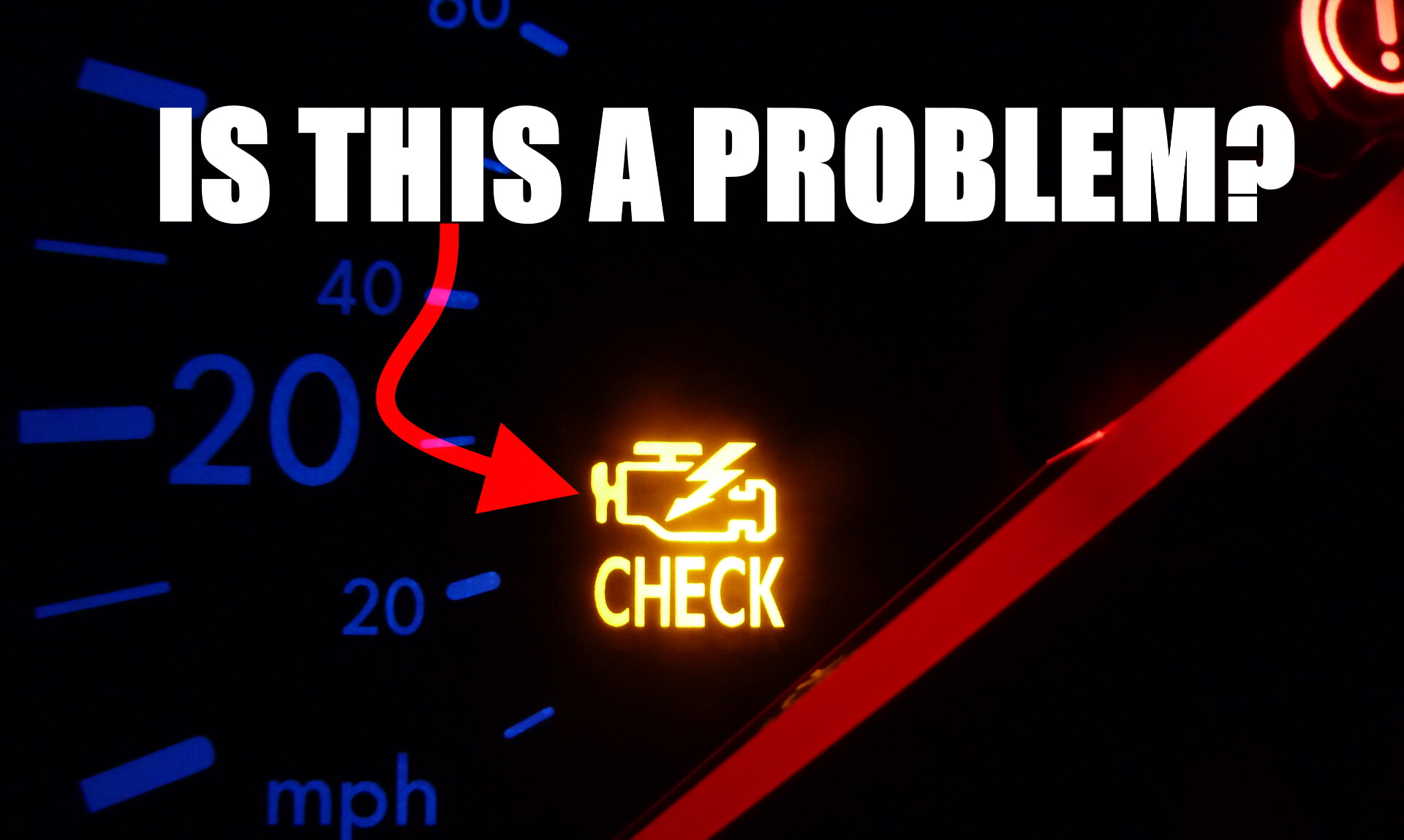
When the check engine light illuminates on the dashboard of an Audi Q5, it signals that the vehicle’s On-Board Diagnostics (OBD-II) system has detected a fault in the engine management, emissions control, or transmission system. Common triggers range from a loose gas cap and failing oxygen sensors to complex issues like a faulty catalytic converter or timing chain wear, requiring prompt diagnostic scanning to prevent long-term mechanical damage.
Understanding the Audi Q5 Check Engine Light System
Modern luxury compact SUVs like the Audi Q5 rely heavily on intricate networks of sensors, control modules, and computers to optimize fuel economy, minimize emissions, and maintain peak performance. When everything runs smoothly, these systems operate quietly in the background. However, the moment a sensor reads data outside of pre-programmed factory parameters, the Engine Control Module (ECM) or Powertrain Control Module (PCM) logs a Diagnostic Trouble Code (DTC) and illuminates the check engine light on the instrument cluster.
In an Audi Q5, the check engine light can behave in two distinct ways: it can remain steadily illuminated or it can flash. A solid light indicates a non-emergency issue that should be checked at your earliest convenience. A flashing check engine light, conversely, signals an active engine misfire that can rapidly dump unburnt fuel into the exhaust system, causing catastrophic overheating of the catalytic converter. Understanding the root causes of this warning light helps owners differentiate between minor maintenance oversights and urgent mechanical failures.
1. Loose, Damaged, or Worn Fuel Cap
One of the simplest and most frequent reasons for an Audi Q5 check engine light is an improperly tightened or deteriorating fuel cap. The vehicle's evaporative emission control (EVAP) system relies on a completely sealed fuel tank to prevent hazardous gasoline vapors from escaping into the atmosphere.
When you refuel your Audi Q5 and fail to tighten the gas cap until it clicks, or if the rubber O-ring seal on the cap becomes cracked, dry, or brittle over time, the system detects a pressure leak. The ECM interprets this pressure drop as an EVAP leak and triggers the warning light. Resolving this often requires nothing more than tightening the cap securely and driving for a few cycles, or replacing a worn cap with an OEM Audi replacement part.
2. Failing Oxygen (O2) Sensor
An Audi Q5 utilizes multiple oxygen sensors positioned along the exhaust system to monitor the exact ratio of unburnt oxygen to fuel exiting the combustion chambers. These sensors operate in harsh, high-heat environments and naturally degrade over time.
When an O2 sensor fails or becomes sluggish, it sends inaccurate data to the ECM. This prevents the computer from correctly adjusting the air-fuel mixture. Symptoms accompanying a bad oxygen sensor include a noticeable drop in fuel efficiency, rough idling, and engine hesitation. Ignoring a failing O2 sensor will eventually lead to fouled spark plugs and permanent damage to the catalytic converter.
3. Worn Spark Plugs or Failing Ignition Coils
Internal combustion engines require a precise spark at the exact millisecond to ignite the compressed air-fuel mixture. In an Audi Q5, each cylinder features an individual ignition coil paired with a high-performance spark plug.
Over tens of thousands of miles, spark plug electrodes erode, and gaps widen, requiring higher voltage to jump the gap. Eventually, this overburdens the ignition coils, leading to internal short circuits or thermal breakdown. When a coil or plug fails entirely, that specific cylinder experiences a misfire. The check engine light will illuminate, often flashing to warn of raw fuel entering the exhaust, and the driver will experience engine shaking, power loss, and stuttering during acceleration.
4. Catalytic Converter Malfunction
The catalytic converter is a vital emissions-reduction component designed to transform toxic gases like carbon monoxide and hydrocarbons into less harmful carbon dioxide and water vapor. In many cases, a failing catalytic converter is not the root problem itself, but rather the ultimate casualty of another unaddressed issue, such as a bad oil-control ring, a persistent misfire, or leaking fuel injectors.
When the converter becomes clogged or physically damaged internally, exhaust backpressure increases significantly. This chokes the engine, causing severe sluggishness, poor acceleration, and a rotten-egg sulfur odor from the exhaust. Replacing an Audi catalytic converter is a labor-intensive and costly repair, underscoring the importance of addressing minor engine faults early.
5. Mass Air Flow (MAF) Sensor Failure
The Mass Air Flow sensor measures the volume and density of the air entering the engine intake tract. The ECM uses this information to calculate the exact amount of fuel required for optimal combustion across varying altitudes and temperatures.
If the MAF sensor becomes contaminated with dust, oil from an aftermarket oiled air filter, or debris, it sends faulty readings to the computer. An Audi Q5 with a failing MAF sensor may stall immediately after starting, hesitate when the throttle is pressed, or idle erratically. Cleaning the sensor with specialized MAF cleaner can resolve minor contamination, but severe electrical failures require sensor replacement.
6. Vacuum Leaks and Intake Boot Cracks
Modern Audi Q5 engines feature complex networks of rubber hoses, plastic tubes, and intake boots designed to route air and vacuum signals. Over years of thermal cycling under the hood, these rubber components dry out, harden, and develop microscopic cracks.
A vacuum leak allows unmetered air—air that has bypassed the MAF sensor—to enter the engine cylinders. This disrupts the air-fuel ratio, causing a lean condition. The Audi Q5 computer will attempt to compensate by adding more fuel, leading to a high or erratic idle, engine surging, and a stored lean code (such as P0171 or P0174) that triggers the check engine light.
7. EVAP Purge Valve or Vent Control Failure
Beyond the fuel cap, the EVAP system includes electronic components like the purge valve (solenoid) and the vent control valve. The purge valve opens under specific driving conditions to allow trapped fuel vapors from the charcoal canister to be drawn into the intake manifold and burned during normal combustion.
If the purge valve sticks open or closed, it disrupts engine idling and fuel tank pressure regulation. Drivers may notice difficulty starting the vehicle immediately after visiting a gas station, accompanied by a check engine light pointing directly to EVAP system purge flow faults.
8. Thermostat and Cooling System Issues
An Audi Q5 engine must operate within a tightly controlled temperature range to maintain efficiency and emissions compliance. The thermostat acts as a gatekeeper, controlling the flow of coolant between the engine block and the radiator.
Thermostats frequently fail in one of two states: stuck closed, which leads to immediate engine overheating, or stuck open, which causes the engine to take an abnormally long time to reach operating temperature. Modern ECUs monitor warm-up times through coolant temperature sensors. If the engine fails to reach operating temperature within a designated window, it triggers a check engine light code indicating a thermostat rationality fault.
9. Exhaust Gas Recirculation (EGR) System Blockage
The EGR system recirculates a measured portion of the engine's exhaust gas back into the cylinders. This process lowers peak combustion temperatures, which drastically reduces the formation of harmful nitrogen oxide (NOx) emissions.
Over time, carbon deposits from the exhaust stream accumulate within the EGR valve passages and tubing, eventually choking off the flow entirely. When the ECM commands the EGR valve to open but detects no change in manifold pressure or temperature, it flags a fault code and illuminates the check engine light. Cleaning or replacing the EGR valve restores proper emissions functionality.
10. Fuel Injector Clogging or Failure
High-pressure direct injection (TFSI) systems used in Audi Q5 engines operate under extreme pressures to atomize fuel directly inside the combustion chamber. Because fuel injectors live directly in the combustion environment, they are vulnerable to carbon buildup on their tips.
A clogged or leaking fuel injector disrupts spray patterns, resulting in lean cylinders, misfires, and rough running conditions. In severe cases, a stuck-open injector floods the cylinder with raw fuel, diluting engine oil and risking hydraulic lock. Professional fuel system cleaning or injector replacement is necessary to resolve this issue.
11. Failing Engine Coolant Temperature (ECT) Sensor
The Engine Coolant Temperature sensor provides real-time data regarding coolant temperature to the ECM. This data dictates critical engine management decisions, including ignition timing, idle speed, and fuel enrichment during cold starts.
When an ECT sensor fails, it may send erratic signals or report that the engine is freezing cold when it is actually at operating temperature. This causes the Audi Q5 to run an excessively rich fuel mixture, fouling spark plugs, lowering fuel economy, and triggering the check engine light.
12. Timing Chain Wear or Tensioner Issues
While less common than a loose gas cap or sensor failure, timing chain wear is a serious mechanical concern that can affect certain Audi Q5 engine generations (such as the 2.0T TFSI engines). Over high mileage, timing chains can stretch, and hydraulic chain tensioners or guide rails can wear down.
When timing components wear past their service limits, the alignment between the camshafts and crankshaft drifts out of sync. The camshaft position sensors report this timing correlation error to the ECM. Along with the check engine light, drivers may hear a distinct rattling noise upon startup. Ignoring this warning can lead to catastrophic valve-to-piston contact and total engine failure.
Summary of Common Audi Q5 Check Engine Triggers
| Issue Category | Common Symptoms | Severity Level | Typical Resolution |
|---|---|---|---|
| Fuel Cap | None other than warning light | Low | Tighten or replace cap |
| Oxygen Sensor | Poor fuel economy, rough idle | Moderate | Replace O2 sensor |
| Ignition Coils / Plugs | Engine misfire, shaking, hesitation | High | Replace spark plugs / coils |
| Catalytic Converter | Sluggish acceleration, sulfur smell | Critical | Replace catalytic converter |
| MAFS / Vacuum Leaks | Stalling, erratic idle, surging | Moderate | Clean MAF or fix hose leaks |
| Timing Chain Wear | Startup rattle, timing correlation code | Critical | Replace timing chain kit |
Frequently Asked Questions
Can I drive my Audi Q5 with the check engine light on?
Yes, if the light is solid and the vehicle drives normally, you can drive short distances to a service center or auto parts store for scanning. However, if the check engine light is flashing, you must pull over safely and turn off the engine immediately to prevent severe damage to the catalytic converter and internal engine components.
How can I read the trouble codes on my Audi Q5?
The most accurate method is plugging an OBD-II diagnostic scanner into the diagnostic link connector (DLC) located underneath the driver-side dashboard near the steering column. While basic generic scanners will read standard powertrain codes, an Audi-specific diagnostic tool is recommended to read manufacturer-specific VAG codes.
Will disconnecting the battery clear an Audi Q5 check engine light?
Disconnecting the battery may temporarily erase stored codes and turn off the dashboard light, but it does not fix the underlying mechanical or electrical problem. Once the vehicle completes a drive cycle and runs its self-diagnostics tests, the check engine light will illuminate again if the fault persists.
Is gas cap failure covered under Audi factory warranty?
Routine maintenance items and wear-and-tear components like fuel caps are generally not covered under factory warranties unless failure is proven to stem from a manufacturing defect early in the vehicle's life. Standard aftermarket or OEM replacement caps are inexpensive and widely available.
Why does my Audi Q5 check engine light come on and go away on its own?
Intermittent problems—such as a loose gas cap that temporarily seals or an ephemeral electrical glitch in a sensor circuit—can cause the check engine light to turn on and off. The ECM retains history codes in its memory even when the light goes out, allowing a technician to diagnose the past fault.
Final Recommendation
When the check engine light illuminates on your Audi Q5, avoid guessing the cause or replacing parts blindly. Invest in a quality OBD-II diagnostic scan tool or visit a qualified European car specialist to retrieve the exact trouble codes. Addressing minor faults like loose gas caps, dirty sensors, or worn ignition components promptly prevents minor inconveniences from escalating into major engine repairs.