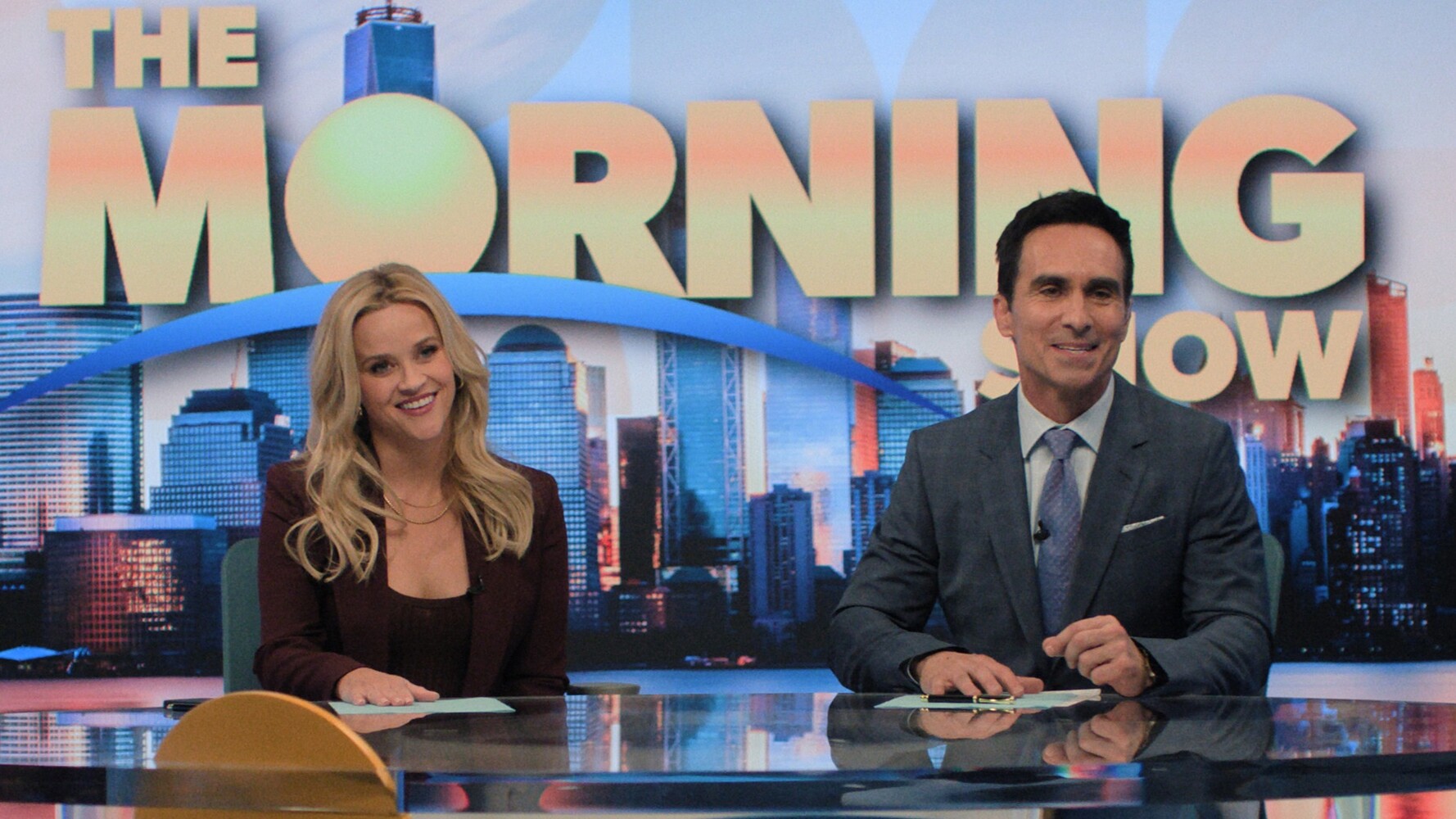
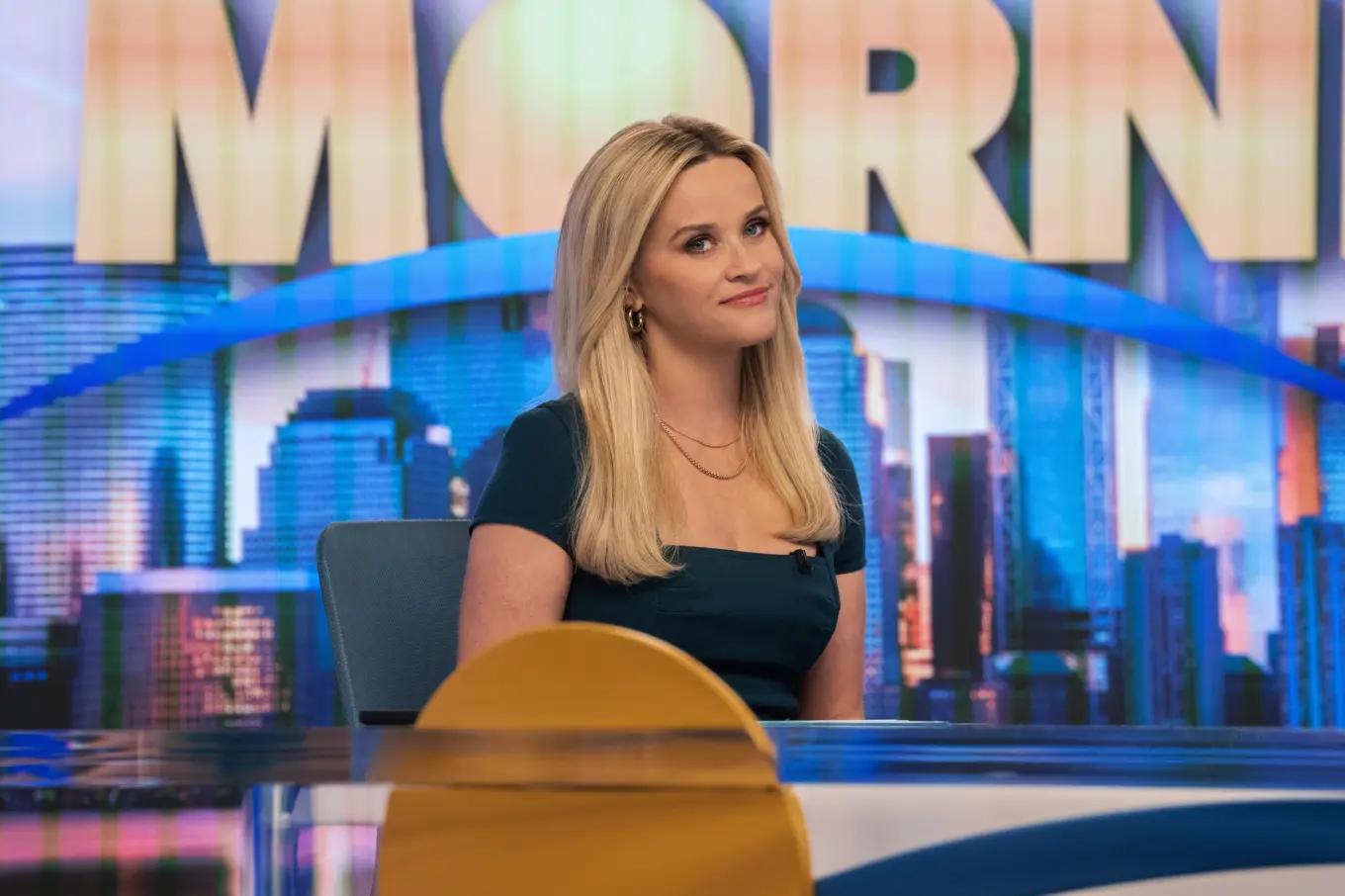
In The Morning Show Season 4, Jon Hamm returns as Paul Marks, the enigmatic tech billionaire whose influence over the UBA network continues to reshape the power dynamics of the newsroom. His character remains a pivotal catalyst for the series' ongoing exploration of corporate ethics, the intersection of technology and media, and the personal compromises required to maintain institutional relevance.
The Evolution of Paul Marks: From Disruptor to Institutional Force
When Jon Hamm joined the cast of The Morning Show as Paul Marks, the narrative immediately shifted. Marks was introduced as a charismatic, albeit ruthless, tech mogul intent on acquiring UBA. Unlike the traditional media executives seen in the earlier seasons, Marks represented the "Silicon Valley" approach to journalism—data-driven, algorithmically focused, and often indifferent to the historical weight of legacy broadcasting.
By the time viewers reach Season 4, the character of Paul Marks has transitioned from an external threat into a deeply embedded variable within the UBA hierarchy. His presence is no longer just about the acquisition; it is about the long-term governance of the network. Hamm’s portrayal highlights the friction between a man who views news as a product to be optimized and the traditionalists at UBA who view journalism as a public service.
This evolution allows the writers to delve deeper into the character's psychology. Hamm brings a specific cadence to the role, balancing charm with a cold, analytical detachment. In Season 4, this is displayed through his interactions with the board and the editorial team, where he often maneuvers through crises by highlighting the financial inefficiencies of the status quo rather than addressing the ethical concerns raised by the staff.
The Thematic Intersection: Media Ethics and Technology
The core tension involving Jon Hamm’s character in the fourth season centers on the technological takeover of news production. The Morning Show has always grappled with how media organizations handle scandal and internal rot; however, with Paul Marks, the show shifts its focus toward the existential threat of automation and artificial intelligence in journalism.
Marks advocates for tools that can predict audience behavior, effectively turning the newsroom into a platform for engagement optimization. For the characters of Alex Levy and Bradley Jackson, this represents a fundamental betrayal of their craft. Hamm plays this conflict with a nuanced sense of entitlement; he truly believes that he is "saving" the network by dragging it into the future.
Key Dynamics Shaping the Narrative
- The Editorial Struggle: Marks vs. the journalists. The tension between the desire for clicks and the necessity of journalistic integrity creates a recurring obstacle for the show’s main characters.
- The Corporate Gamble: The financial stability of UBA remains a question mark. Marks is the bankroller, but his money comes with strings that threaten the autonomy of the network.
- The Power Vacuum: As leadership at UBA continues to rotate, Marks finds himself in a position to exert influence in ways he previously could not.
Analyzing Jon Hamm’s Portrayal
Jon Hamm’s performance is defined by a subtle, understated intensity. He avoids the typical "villain" tropes of corporate drama, choosing instead to play Marks as a man who is genuinely confused by why others do not see the world as he does. This creates a more complex dynamic, as his arguments often contain a kernel of market-based truth, even when they are ethically bankrupt.
In the fourth season, Hamm is given more space to explore the isolation of his character. As the network faces external pressures, Marks finds fewer allies, which forces him to reveal more of his own personal convictions. The chemistry between Hamm and his co-stars—particularly the scenes involving high-stakes negotiations—anchors the drama, providing a grounded, albeit tense, counterpoint to the more emotionally volatile scenes at the heart of the show.
Comparing Leadership Styles at UBA
To understand the weight of Paul Marks’s influence, it is helpful to compare him to other leadership figures who have occupied the corridors of UBA. Each executive brings a different philosophy to the newsroom, creating a layered environment of competing agendas.
| Executive | Leadership Style | Primary Motivation |
|---|---|---|
| Paul Marks | Technocratic / Disruptive | Market efficiency and data control |
| Cory Ellison | Machiavellian / Strategic | Maintaining personal power and network relevance |
| Cybil Richards | Traditionalist / Conservative | Maintaining the status quo and brand heritage |
| Chip Black | Reactive / Protectivist | Crisis management and staff loyalty |
This table illustrates why the presence of Marks is so destabilizing. While other characters like Cory Ellison operate within the established rules of the broadcast industry, Marks is actively trying to rewrite the rules entirely. His refusal to play by the "media game" makes him a wildcard that none of the other characters know how to effectively neutralize.
The Structural Impact on Season 4
The inclusion of a character like Paul Marks allows the series to maintain a high-stakes environment without needing a new external crisis every few episodes. The crisis is the leadership. By keeping Marks as a consistent force in Season 4, the narrative is allowed to breathe, showing the slow-moving catastrophe of a company losing its soul to its benefactor.
Jon Hamm’s role also serves as a mirror for the audience’s own relationship with modern media. We are constantly debating the role of algorithmic news and the power of tech billionaires in shaping public discourse. Through his performance, the show forces us to ask: Is this the natural evolution of news, or is it a disaster disguised as progress?
Common Questions Regarding the Character
How does Paul Marks impact Alex Levy’s arc in Season 4?
Alex Levy is forced to confront whether her career longevity is worth the cost of the integrity of her platform. Paul Marks serves as the direct temptation, offering her a seat at the table of the future in exchange for her silence on various ethical compromises.
Is Jon Hamm expected to stay for the duration of the series?
As of 2026, the character’s presence remains central to the overarching conflict of the UBA network, though The Morning Show is known for its shifting cast and narrative pivots. His involvement is crucial to the current arc, which focuses heavily on the struggle between legacy media and new tech interests.
Does the show portray Paul Marks as a purely negative force?
The show is remarkably balanced in its depiction. While his actions are often harmful to the journalistic process, the writing team portrays his perspective on the failure of traditional media as being rooted in factual observations about the decline of linear television viewership.
What are the main challenges Marks faces in the current season?
Beyond the pushback from the newsroom staff, Marks must contend with intense regulatory scrutiny and the skepticism of the network’s board, who are becoming increasingly wary of his long-term endgame for UBA.
Moving Forward: The Role of Media Ethics
As the season progresses, the character of Paul Marks continues to raise questions about who should own the "truth" in a digital landscape. For viewers interested in the intersection of business and journalism, the arc provided by Jon Hamm offers a sophisticated look at the power dynamics at play.
The takeaway for audiences is that the tension at UBA is not merely a product of individual personality clashes, but a symptom of a larger, systemic change in how information is packaged and delivered to the public. Paul Marks is the face of that change. Whether or not he succeeds in his ultimate goal remains one of the defining questions of the season.
If you are looking to better understand the narrative trajectory of the current season, pay close attention to the scenes where Paul Marks discusses the technical infrastructure of the network. These moments often contain the most insight into the show's critique of contemporary media models.