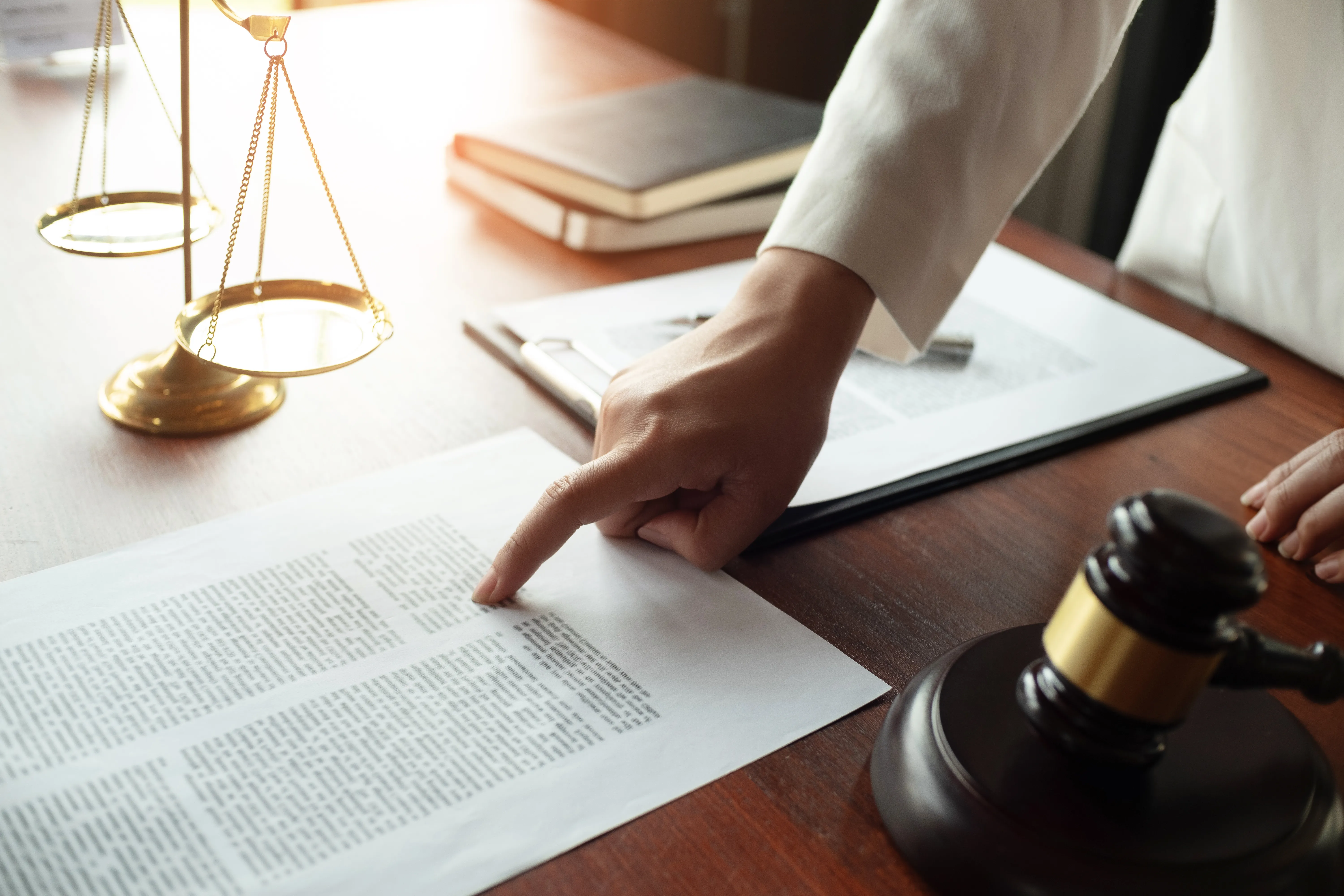
If you or a loved one are facing criminal charges in the Bronx, you need experienced legal counsel to navigate the New York State penal system. Securing a qualified criminal defense attorney promptly is essential to protect your constitutional rights, challenge the prosecution’s evidence, and work toward the best possible outcome for your specific case.
Understanding the Bronx Criminal Court System
The Bronx is part of the New York City court system, specifically falling under the jurisdiction of the Bronx County Supreme Court and the Bronx Criminal Court. Navigating these venues can be daunting due to the sheer volume of cases processed daily. When you are accused of a crime, the legal process begins almost immediately, often starting with an arraignment where a judge determines bail or release conditions.
Having a criminal lawyer in the Bronx provides a significant advantage because local practitioners are familiar with the specific prosecutors, judges, and procedural nuances unique to the 12th Judicial District. A local attorney understands the "Bronx way" of handling cases, which can influence how motions are filed, how plea negotiations are conducted, and how your defense is presented to a jury.
When to Seek Counsel
You should seek a criminal defense lawyer the moment you believe you are under investigation, or immediately following an arrest. Do not wait until your first court date to begin looking for representation. Key triggers for hiring an attorney include:
- Police Questioning: If law enforcement requests an interview, you have the right to have a lawyer present. Statements made without counsel can be used against you.
- Arrest or Citation: If you have been processed at a precinct or issued a Desk Appearance Ticket (DAT), you are already in the system.
- Search Warrants: If your property is searched or your home is entered by law enforcement, you need an attorney to evaluate the legality of the warrant and the search process.
- Grand Jury Subpoena: Being summoned to testify before a grand jury often signals that you are a target or a person of interest.
Factors to Consider When Selecting an Attorney
Not every attorney is the right fit for every case. Criminal law is broad, covering everything from minor misdemeanors to complex felonies. When evaluating potential candidates, consider their focus, their history of results, and their communication style.
1. Experience and Specialization
Ask a potential lawyer how many cases similar to yours they have handled in Bronx County. An attorney who specializes in white-collar crime may not be the best choice for a violent crime charge or a narcotics-related offense. Look for a track record that demonstrates experience in both negotiating favorable plea deals and litigating cases through trial.
2. Local Presence
While an attorney licensed in New York State can practice anywhere in the state, there is a clear benefit to hiring someone with a physical office or a primary practice presence in the Bronx. This ensures they are available for last-minute court appearances and have established professional relationships with the local courthouse personnel.
3. Fee Structure and Transparency
Legal fees vary significantly based on the severity of the charge and the expected length of the case. Ensure you receive a written retainer agreement that explicitly states what the fee covers. Is it a flat fee for the entire case, or an hourly rate that could fluctuate? Be wary of attorneys who guarantee a specific outcome; ethical legal practice is built on providing a defense, not promising an acquittal.
Comparison of Defense Options in the Bronx
| Option | Benefits | Potential Limitations |
|---|---|---|
| Private Criminal Defense Attorney | Often more time to dedicate to your case; personalized attention; ability to conduct independent investigations. | Higher out-of-pocket costs; variable quality based on the firm selected. |
| Public Defender (Legal Aid Society) | Free of charge for those who qualify; deep institutional knowledge of local courts. | Extremely high caseloads can limit individual time per client; may be assigned to you rather than chosen. |
| Panel Attorney (18-B) | Appointed by the court when conflicts arise; paid by the state but acts as a private practitioner. | Limited control over the selection process; strictly regulated fee caps. |
The Importance of Attorney-Client Privilege
One of the most important aspects of your relationship with your lawyer is the protection of attorney-client privilege. Anything you discuss with your criminal lawyer in the Bronx regarding your case is confidential. You must be entirely honest with your attorney, even if you believe the facts are damaging. If your lawyer does not have the full, unfiltered truth, they cannot effectively prepare your defense or challenge the prosecution’s narrative. Concealing information from your attorney is one of the most common mistakes defendants make, and it often leads to surprises in court that could have been mitigated.
Building Your Defense
A competent defense is not just about showing up to court; it is about proactive advocacy. Your attorney should engage in several critical phases of development:
- Evidence Review: Your lawyer must obtain and analyze the "discovery"—all evidence the prosecution intends to use against you. This includes police reports, body-worn camera footage, witness statements, and forensic reports.
- Investigative Work: In many cases, the state’s evidence is incomplete. A proactive defense team will interview witnesses, canvass for surveillance footage, and secure evidence that the police may have overlooked or ignored.
- Filing Motions: Your attorney may file pre-trial motions to suppress evidence. For example, if police conducted an illegal stop and frisk or searched your vehicle without probable cause, your lawyer can move to have that evidence excluded from trial.
- Mitigation Strategy: If a conviction is likely, your lawyer should work to create a mitigation package. This involves presenting the court with character references, employment history, and other factors that may convince a judge to offer a more lenient sentence.
Common Mistakes to Avoid
When navigating a criminal case, your actions outside the courtroom are just as important as your behavior inside it.
- Discussing the Case on Social Media: Never post about your case online. Prosecutors actively monitor social media for incriminating photos, comments, or admissions.
- Talking to Law Enforcement Without Counsel: Even if you think you are "clearing your name," you are likely providing information that can be used to build a case against you.
- Discussing Details with Friends or Inmates: Conversations with anyone other than your lawyer are generally not privileged. Even family members can be subpoenaed to testify about what you told them.
- Missing Court Dates: Failing to appear for a scheduled court date in the Bronx will result in an immediate bench warrant for your arrest.
Practical Next Steps
If you find yourself needing legal help, start by compiling all documents related to your arrest, including any tickets, bail receipts, or property vouchers. Schedule consultations with at least two or three attorneys to get a sense of their strategy and their communication style.
During the consultation, ask direct questions: "What is your experience with this specific type of charge?" "How will you keep me informed of the case’s progress?" and "What is your assessment of the potential risks we face?" Choose the attorney with whom you feel the most confident, as you will need to rely on their judgment during a high-stress period of your life.
FAQ: Legal Defense in the Bronx
Can I switch lawyers if I am unhappy with my current one? Yes, you have the right to hire a new attorney at any time. However, if you are using a court-appointed attorney, you must seek the judge’s permission to switch, which is usually only granted for a "good cause," such as a breakdown in communication or a conflict of interest.
What is the difference between a misdemeanor and a felony in New York? Misdemeanors are less serious offenses, typically punishable by up to one year in jail. Felonies are more serious crimes, such as robbery or grand larceny, which carry sentences of more than one year in a state correctional facility. The complexity of your defense will often correlate with the classification of the charge.
Does a lawyer guarantee an acquittal? No ethical lawyer will guarantee a specific result. The criminal justice system is unpredictable, and outcomes depend on the evidence, the judge, and the jury. A lawyer guarantees a vigorous, competent defense designed to achieve the best possible result allowed by law.
How do I pay for a private criminal defense lawyer? Most private attorneys require an upfront retainer fee, which is placed in an escrow account. As the lawyer performs work on your case, they draw from that account. Always ensure your retainer agreement clearly outlines how funds are handled.
What if I cannot afford a lawyer? If you are financially unable to hire a private attorney, you are entitled to court-appointed counsel, typically provided by organizations like the Legal Aid Society or individual 18-B panel attorneys. You must complete a financial questionnaire to determine your eligibility for this service.