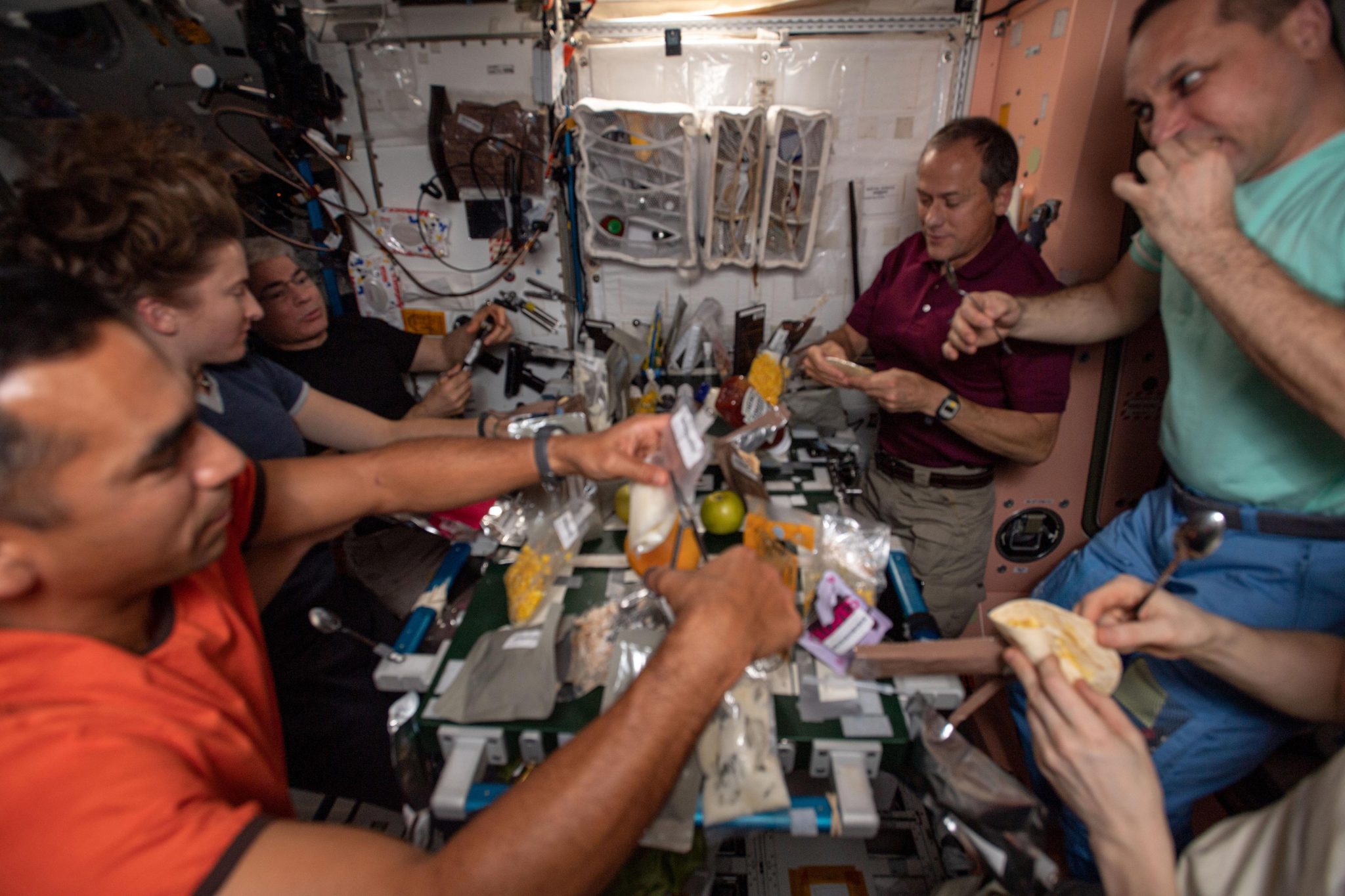
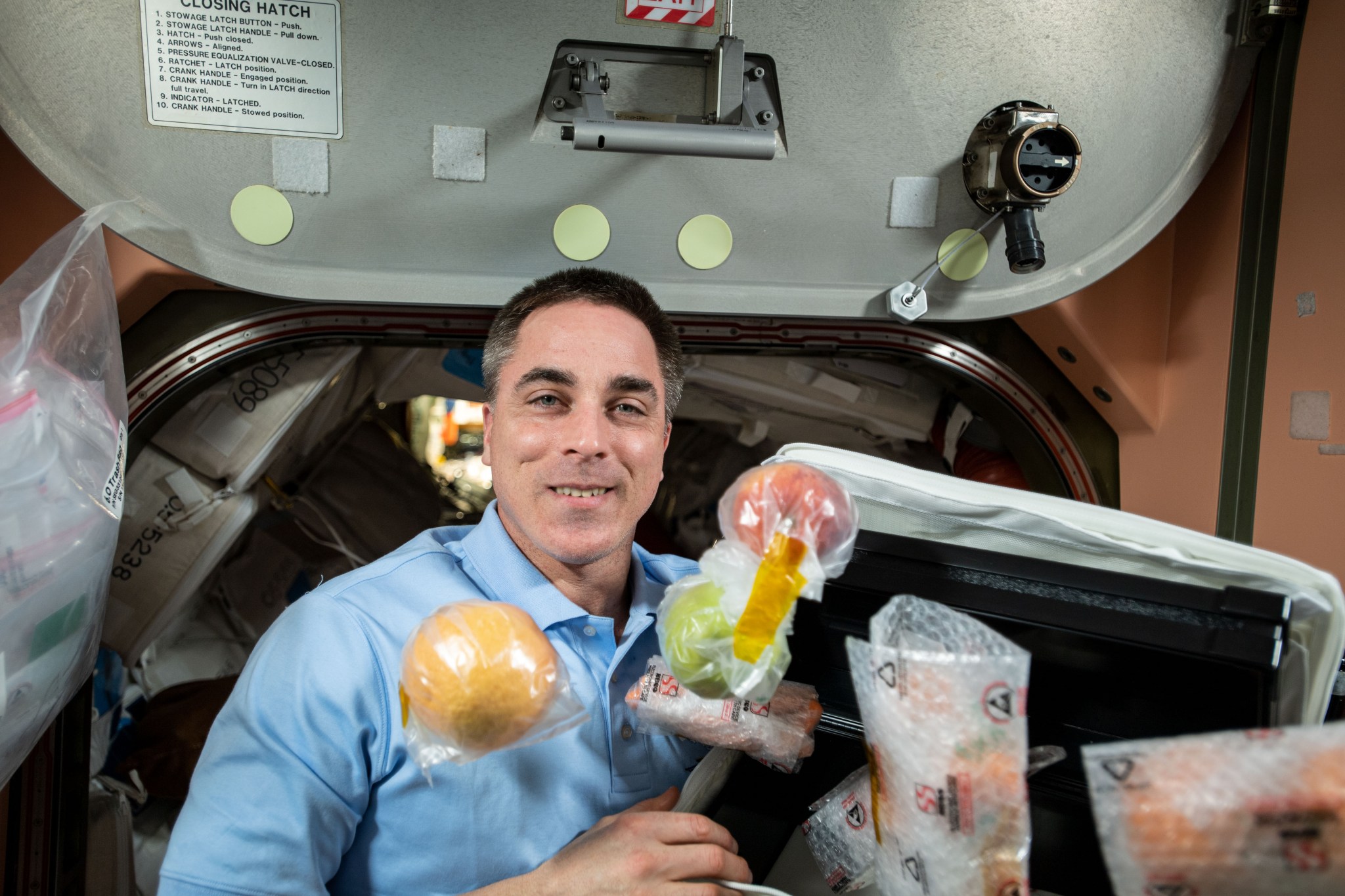
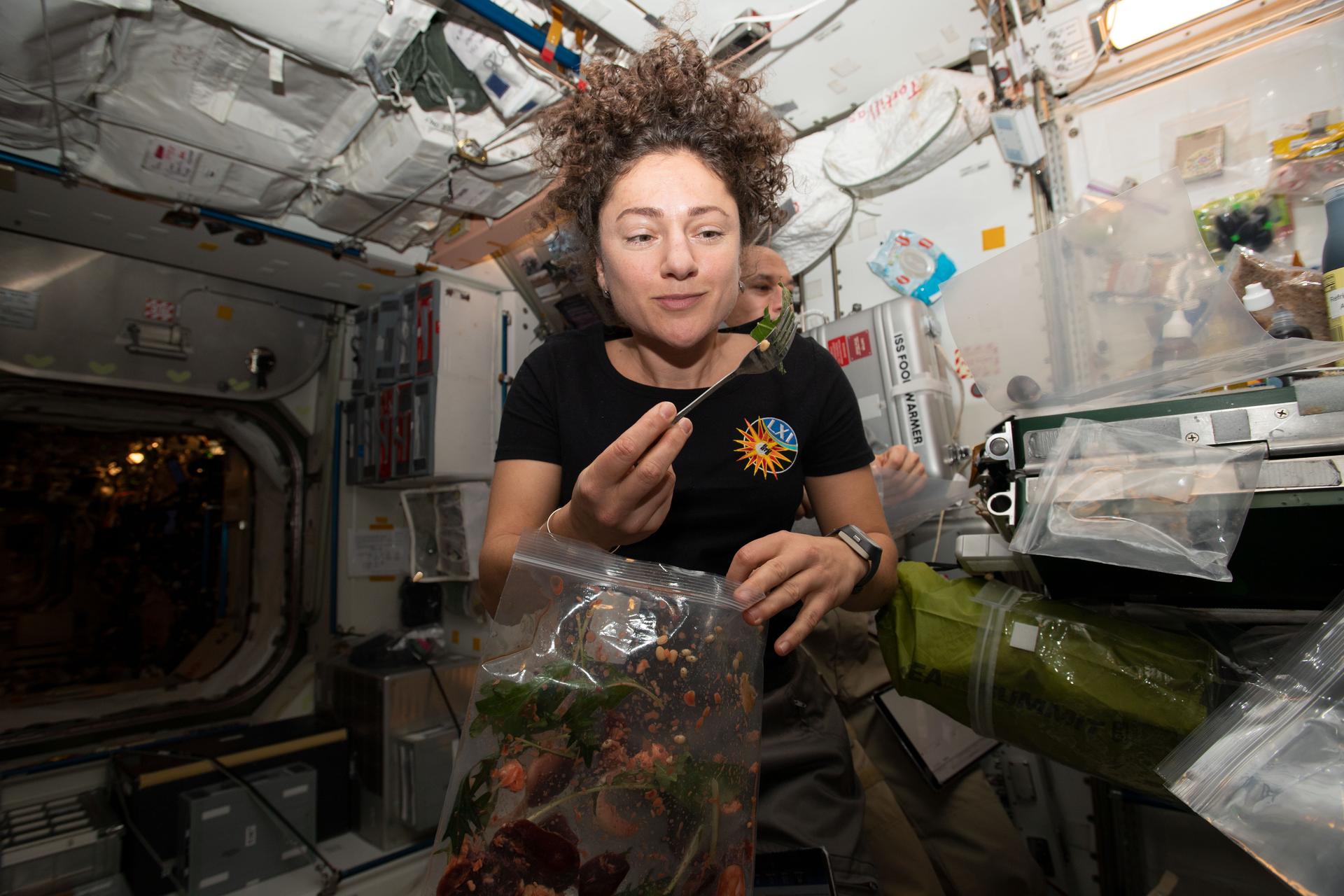
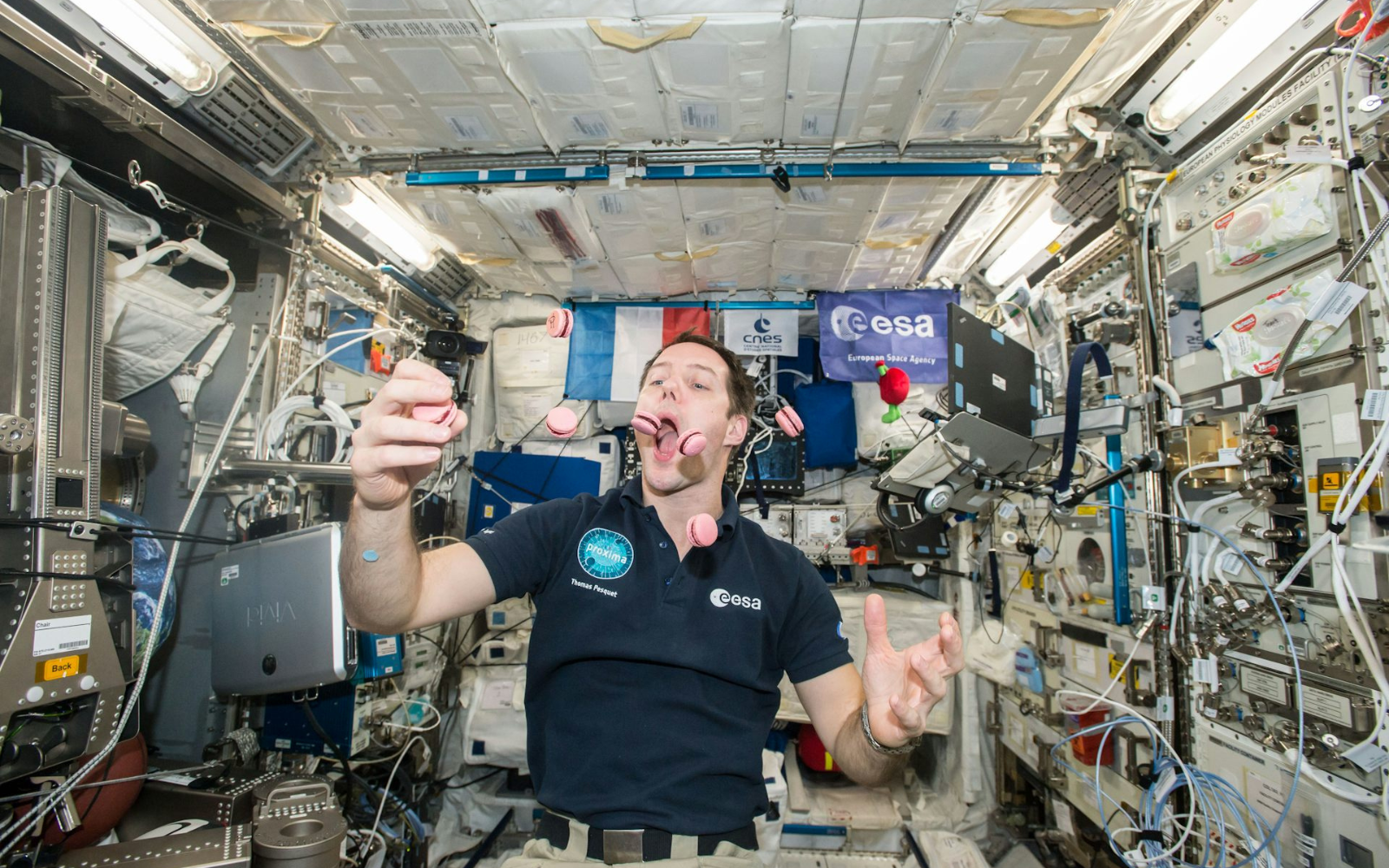
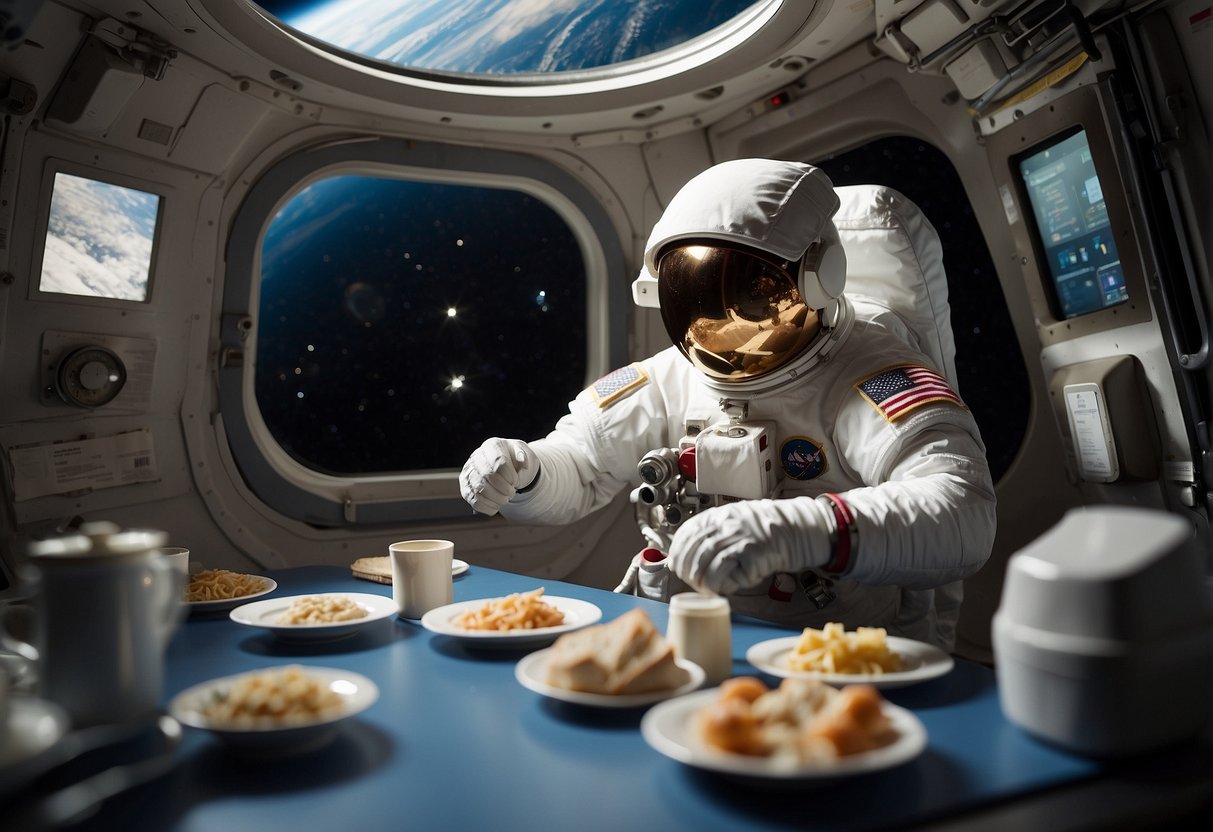
Astronauts on daily missions in 2026 maintain their health through a sophisticated system of shelf-stable, nutrient-dense meals specifically engineered for microgravity. Using specialized rehydration stations and convection warmers, crews consume a variety of thermostabilized, irradiated, and dehydrated foods designed to prevent crumbs and manage fluid shifts while meeting rigorous caloric requirements.
The Evolution of Space Gastronomy in 2026
Eating in space has transitioned from the "cubes and tubes" era of the 1960s to a highly sophisticated culinary program that rivals Earth-bound nutritional standards. As we operate within the mid-2020s, the focus on the International Space Station (ISS) and newer commercial modules like those from Axiom Space has shifted toward long-duration health and psychological well-being. Astronaut eating in space on daily missions is no longer just about survival; it is about maintaining peak cognitive and physical performance under the stressors of microgravity.
The primary challenge of space nutrition remains the environment itself. In a weightless environment, food does not stay on a plate, and crumbs do not fall to the floor. Instead, they float, posing a significant risk to sensitive electronics and the respiratory health of the crew. Consequently, every meal is a feat of engineering, balancing shelf-life, mass, volume, and "shatter-proof" textures.
The Classification of Space Food Systems
To understand how an astronaut eats on a daily basis, one must first look at the categories of food available. NASA’s Space Food Systems Laboratory and international partners use several processing methods to ensure food remains safe for up to three years without refrigeration.
Thermostabilized Foods
These are heat-processed to destroy harmful microorganisms and enzymes. Similar to "retort pouch" technology used for Earth-bound camping meals, these items (like beef brisket or chocolate pudding) are ready to eat once warmed. In 2026, improvements in pouch materials have reduced the mass of waste significantly.
Rehydratable Foods
Water is heavy, and launching it is expensive. By removing water from beverages and foods like soups or scrambled eggs, mission planners save immense amounts of weight. Astronauts use the station's Water Processor Assembly to inject hot or cold water back into these vacuum-sealed pouches before consumption.
Intermediate Moisture (IM) Foods
Items like dried apricots or beef jerky have enough moisture to be soft but not enough to support microbial growth. These are popular for snacking during long research shifts because they require no preparation.
Natural Form Foods
Nuts, granola bars, and cookies are provided in their natural state. However, the packaging is specific: it must be transparent for easy identification and often features Velcro patches so the food can be "stuck" to a table or the astronaut’s jumpsuit.
Irradiated Foods
Meats, in particular, are often treated with ionizing radiation after being sealed. This sterilizes the product without the high heat of thermostabilization, which can sometimes degrade the texture or flavor of delicate proteins.
The Daily Meal Cycle and Preparation Process
A typical day for an astronaut begins with a structured meal schedule. Unlike Earth, where one might "grab a bite," space missions require meticulous planning to ensure the Closed-Loop Life Support System (ECLSS) can handle the caloric load and the subsequent metabolic waste.
The Galley Experience
The "kitchen" on a spacecraft is known as the galley. It is surprisingly compact. In 2026, the ISS galley features a forced-air convection warmer and a water dispenser capable of precise measurements. There are no microwaves; the metallic packaging used for many space meals would cause arcing and fires.
To prepare a meal, an astronaut selects a pouch, attaches it to the water dispenser, and selects the required volume of water (measured in milliliters). After the water is injected, the pouch is kneaded to ensure even hydration. If the meal needs to be hot, it is placed in the suitcase-like warmer for 20 to 30 minutes.
The Physics of Eating
Eating is done using standard utensils—spoons and forks—but the technique is different. Most foods in space have a "wet" or "sticky" consistency, like oatmeal or stews. Surface tension keeps the food attached to the spoon as it travels from the pouch to the mouth. Using a knife is rare because cutting actions can send fragments flying.
Condiments are essential but come in liquid form. Salt is dissolved in water, and pepper is suspended in oil. If an astronaut tried to shake dry salt, it would float into their eyes or the station's air filters.
Nutritional Requirements and Biological Constraints
Maintaining a human body in space is a constant battle against atrophy. The nutritional profile of an astronaut’s diet is strictly monitored by flight surgeons and dietitians on the ground.
- Bone Density and Calcium: In microgravity, the body sheds calcium at a rate of about 1% per month. Dietitians emphasize Vitamin D and calcium, though supplements are often necessary because sunlight-induced Vitamin D synthesis is impossible behind radiation-shielded hulls.
- Sodium and Fluid Shift: "Space sniffles" occur when fluids shift toward the head in microgravity. This causes nasal congestion and a dulling of the sense of taste. Consequently, astronauts often crave spicy foods. However, sodium intake must be strictly limited; high sodium can exacerbate bone loss and increase intracranial pressure, which affects vision.
- Iron Levels: Because the body produces fewer red blood cells in space, iron requirements are lower than on Earth. Excess iron can become toxic over a six-month mission, so the "space menu" is intentionally low in iron-fortified products.
Comparison of Earth vs. Space Dining Logistics
The following table highlights the technical differences between daily eating on Earth and on a space mission as of 2026.
| Feature | Earth (Standard) | Space (Daily Mission) |
|---|---|---|
| Primary Preservation | Refrigeration / Freezing | Thermostabilization / Irradiation |
| Waste Management | Composting / Landfill | Compacted / Incinerated on Re-entry |
| Water Source | Municipal / Well | Recycled Sweat and Urine (ECLSS) |
| Sense of Taste | Normal | Diminished (Fluid Shift Effect) |
| Cooking Method | Conduction / Induction / Microwave | Convection Warming / Rehydration |
| Caloric Intake | 2,000 - 2,500 kcal | 2,700 - 3,700 kcal (High Activity) |
| Packaging | Plastics / Cardboard / Glass | Multi-layer Laminate Pouches |
The Psychological Importance of Food
Beyond biology, food serves a critical psychological function. Mission controllers have found that "breaking bread" as a crew is one of the most important factors in maintaining morale during high-stress missions.
Culturally Diverse Menus
With the rise of international cooperation and commercial spaceflight, menus have become diverse. Astronauts from JAXA (Japan) bring ramen and sushi-grade rice; ESA (Europe) astronauts often have gourmet items like duck confit or specialty cheeses developed by top chefs. This cultural exchange during dinner is a cornerstone of "soft diplomacy" in orbit.
Fresh Food and Space Gardens
In 2026, fresh food is a luxury that arrives via resupply ships like the SpaceX Cargo Dragon or the Northrop Grumman Cygnus. However, the ISS "Veggie" and "Advanced Plant Habitat" experiments have progressed. Astronauts now occasionally supplement their diet with "space-grown" lettuce, radishes, and chilies. These provide not only fresh nutrients but also the sensory pleasure of crunch and scent—things sorely lacking in processed pouches.
Challenges of Long-Duration Missions to Gateway and Mars
As we look toward the Moon-orbiting Gateway station, eating becomes even more complex. On the ISS, a resupply ship arrives every few months with "bonus containers" of fresh fruit. For missions beyond Earth’s orbit, the shelf-life of food must extend to five years.
The primary concern in 2026 is nutrient degradation. Over time, Vitamin C and Vitamin B1 (thiamine) break down in the radiation environment of deep space. Researchers are currently testing specialized "active packaging" that can better shield contents from high-energy particles, ensuring that by the time a human reaches Mars, their food is still nutritionally viable.
Logistics of Waste and Sustainability
What goes in must come out, and in the closed environment of a spacecraft, waste is a logistical hurdle. Every used food pouch is meticulously cleaned or sealed to prevent bacterial growth. These are then placed in "trash" ships that burn up upon re-entry into Earth's atmosphere.
Sustainability efforts in 2026 are focusing on edible packaging or packaging that can be repurposed. Some experimental 3D printers on the ISS are testing the ability to turn plastic waste from food containers into tools or replacement parts, though this technology is still in its infancy for food-grade materials.
Frequently Asked Questions
Can astronauts drink carbonated beverages like soda or beer?
No. In microgravity, the gas in a carbonated beverage does not separate from the liquid. This results in "wet burps," where the liquid and gas come up together, which is both uncomfortable and potentially hazardous to the astronaut’s airway and equipment. Furthermore, the lack of gravity prevents the bubbles from rising, keeping them trapped in the digestive tract and causing significant bloating.
How do astronauts deal with the loss of taste?
The upward fluid shift causes the tongue to swell slightly and the sinuses to block, similar to having a head cold. To combat this, space food is often much more heavily seasoned than Earth food. Sriracha, wasabi, and high-intensity spices are the most requested items in crew preference kits to make the meals palatable.
Is all the water in space food recycled?
Yes. On the ISS, approximately 93% of all water is reclaimed from the air (breath and sweat) and urine. This water is purified to standards higher than most municipal tap water on Earth before being used to rehydrate meals or for drinking. The logistics of 2026 missions rely heavily on this high-efficiency recycling to minimize launch weight.
Do astronauts have "cheat days" or snacks?
Astronauts are provided with "Bonus Containers"—personalized boxes of their favorite snacks from home. These often include specific candies, chocolates, or even regional specialties that aren't on the standard menu. These are used sparingly to celebrate mission milestones or for emotional support during difficult periods.
What happens if an astronaut gets food poisoning?
Rigorous testing on the ground makes food poisoning extremely rare. Every batch of food is tested for pathogens before flight. However, if it were to happen, the ISS is equipped with a comprehensive medical kit. The challenge would be the lack of gravity during vomiting, which requires specialized suction devices to prevent the spread of biological contaminants in the cabin.
How much does it cost to feed an astronaut for a day?
While the raw ingredients might be inexpensive, the cost of processing, testing, packaging, and launching the food is immense. Estimates in the mid-2020s suggest that the "delivery fee" for a single kilogram of food to the ISS is roughly $20,000 to $30,000, depending on the launch vehicle.
Final Recommendations for Understanding Space Nutrition
For those interested in the logistical reality of astronaut eating in space on daily missions, the best next step is to monitor the publicly available NASA Food Service menus or the ESA "Space Food" research portals. These organizations frequently update their findings on nutrient degradation and the success of "space gardening" initiatives.
If you are a student or researcher, focusing on food polymer science or microfluidics will provide the most direct path to contributing to this field. As we move closer to permanent lunar bases by the end of the 2020s, the ability to grow and process food in-situ (on-site) will be the most critical hurdle to clear.