For those seeking an authentic Argentine restaurant in Kansas City, the premier destination remains Piropos Restaurant, located in the Briarcliff Village area. This establishment offers a sophisticated fine-dining experience focused on the culinary traditions of Buenos Aires, specializing in grilled meats (Parrilla) and fresh seafood. For a more casual, street-food-style experience, Empanada Madura provides specialized Argentine pastries across multiple locations in the metro area.
Argentine cuisine in the heart of the American Midwest offers a fascinating intersection of traditions. While Kansas City is world-renowned for its low-and-slow barbecue, the Argentine approach to fire and meat provides a distinct, elegant alternative. In 2026, the local scene for South American flavors has matured, moving beyond simple steakhouse tropes to offer a nuanced look at the diverse culinary heritage of the Río de la Plata region.
The Cultural Significance of the Argentine Parrilla
To understand why an Argentine restaurant in Kansas City is a unique draw, one must understand the Parrilla. Unlike the smoky, sauce-heavy traditions of local BBQ, the Argentine grill focuses on the purity of the protein. The "asado" (the social event of the barbecue) is a cornerstone of Argentine life, and restaurants in Kansas City strive to replicate this communal, celebratory atmosphere.
Argentine cooking relies heavily on high-quality salt and the natural fats of the meat, rather than rubs or heavy marinades. The heat source is traditionally wood or charcoal, providing a clean, searing temperature that creates a Maillard reaction on the surface of the beef while keeping the interior succulent. In Kansas City, where diners are exceptionally discerning about their beef, Argentine establishments have found a loyal following by highlighting specific cuts and preparation methods that differ from the standard American steakhouse.
Piropos Restaurant: The Pinnacle of Argentine Fine Dining
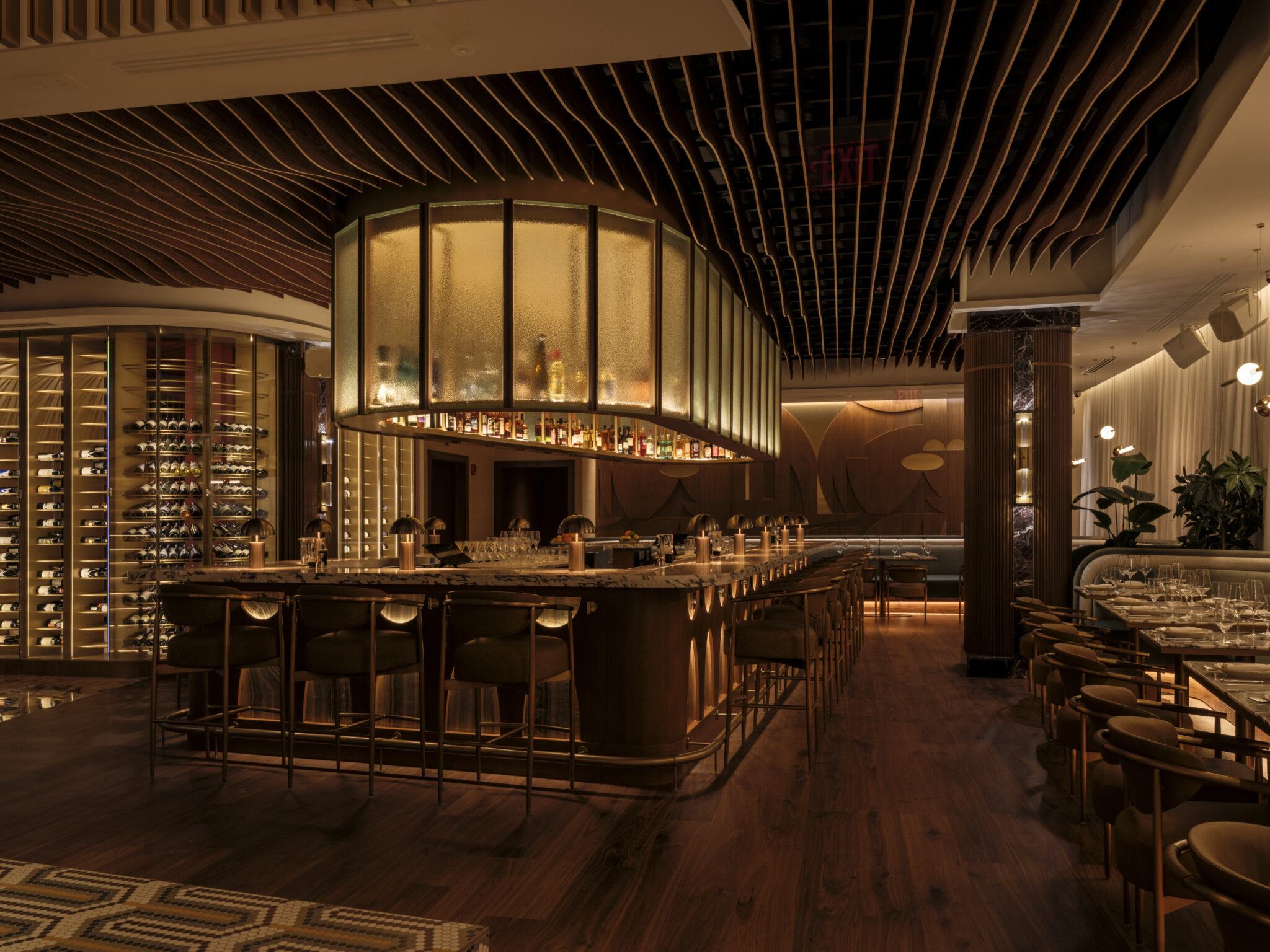
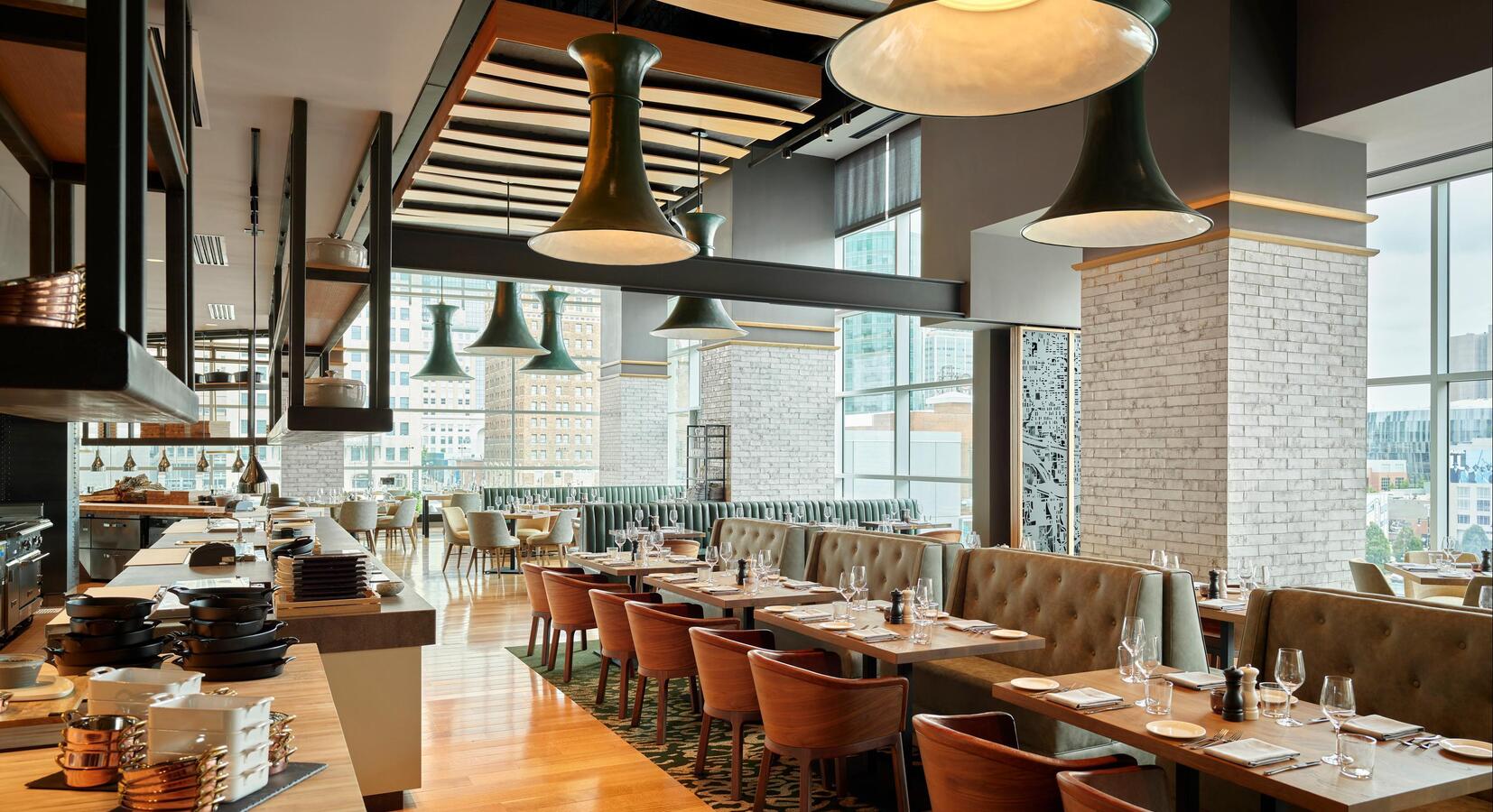
Piropos has long stood as the most prominent representative of Argentine culture in the Kansas City area. Perched on a hill in Briarcliff, it offers not just a menu, but a panoramic view that complements its sophisticated interior. The restaurant draws its inspiration from the Spanish word "piropo," which refers to a flirtatious compliment—a nod to the romantic and vibrant culture of Buenos Aires.
Signature Meat Cuts and Preparation
The menu at Piropos is built around the concept of the Argentine steakhouse, but with a refined touch. While you will find the familiar Filet Mignon, the true Argentine experience lies in the Entraña (skirt steak) and the Bife de Chorizo (not to be confused with the sausage, this is a thick-cut sirloin or New York strip).
The preparation at Piropos follows the traditional Argentine method:
- Minimalist Seasoning: Only coarse sea salt is used before grilling to enhance the natural flavor of the beef.
- Chimichurri Integration: Every table is graced with authentic chimichurri—a vibrant blend of parsley, garlic, oregano, vinegar, and oil. Unlike the pureed versions found in some grocery stores, the Argentine version in Kansas City is typically hand-chopped to maintain the texture of the herbs.
- Temperature Precision: Argentine diners often prefer their meat "a punto" (medium), though "jugoso" (medium-rare) is the standard for those seeking maximum tenderness in leaner cuts like the Entraña.
Seafood and European Influences
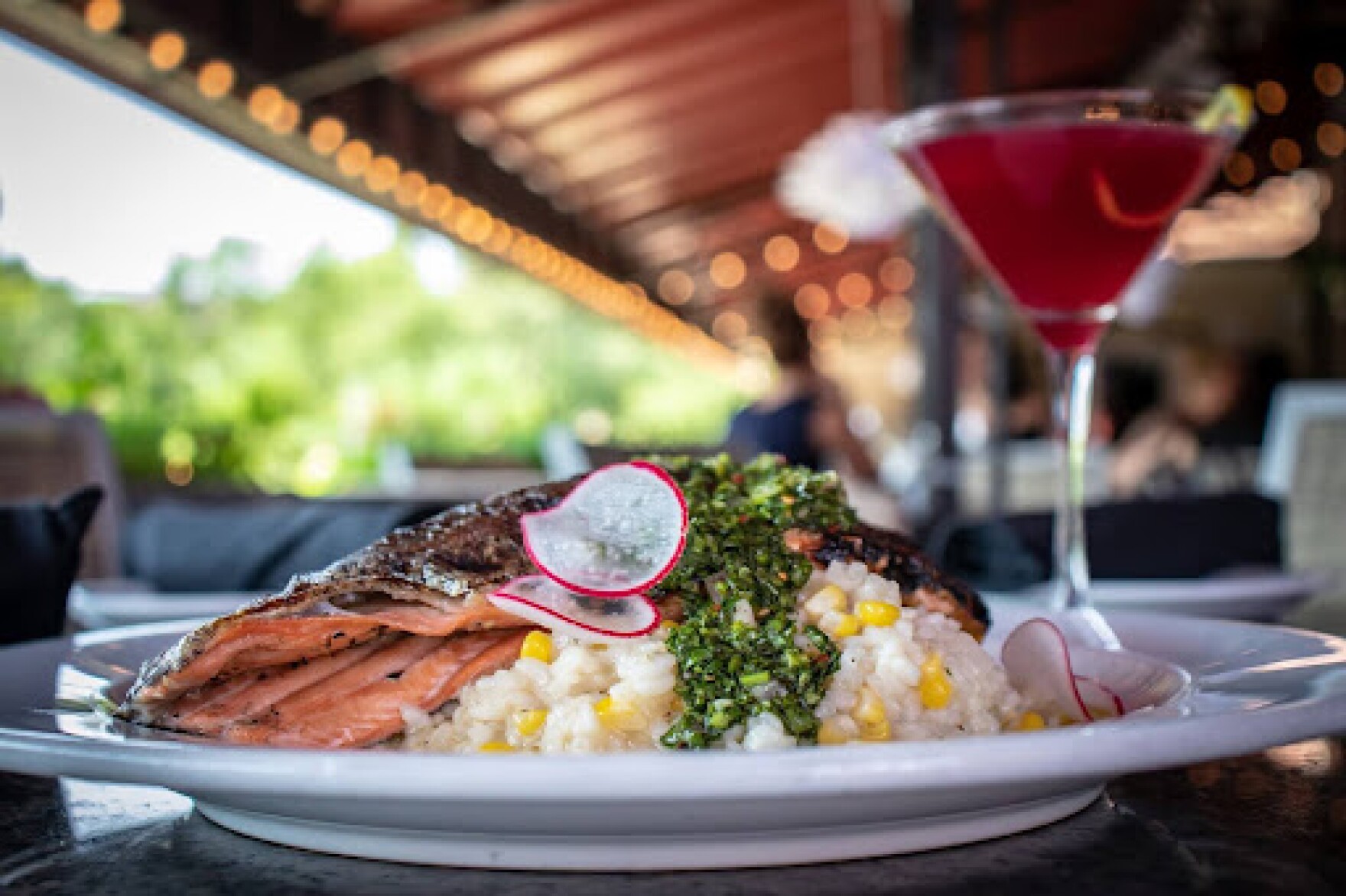
Argentina is a melting pot, with heavy Italian and Spanish influences. Piropos acknowledges this through its selection of seafood and pastas. The Sea Bass and Grilled Salmon are mainstays, often prepared with light herb butters or citrus reductions that reflect the coastal influences of the Atlantic. Additionally, the presence of various crepes and pasta dishes on the menu pays homage to the Italian immigrants who shaped the food culture of Argentina in the late 19th and early 20th centuries.
Casual Argentine Fare: Empanada Madura
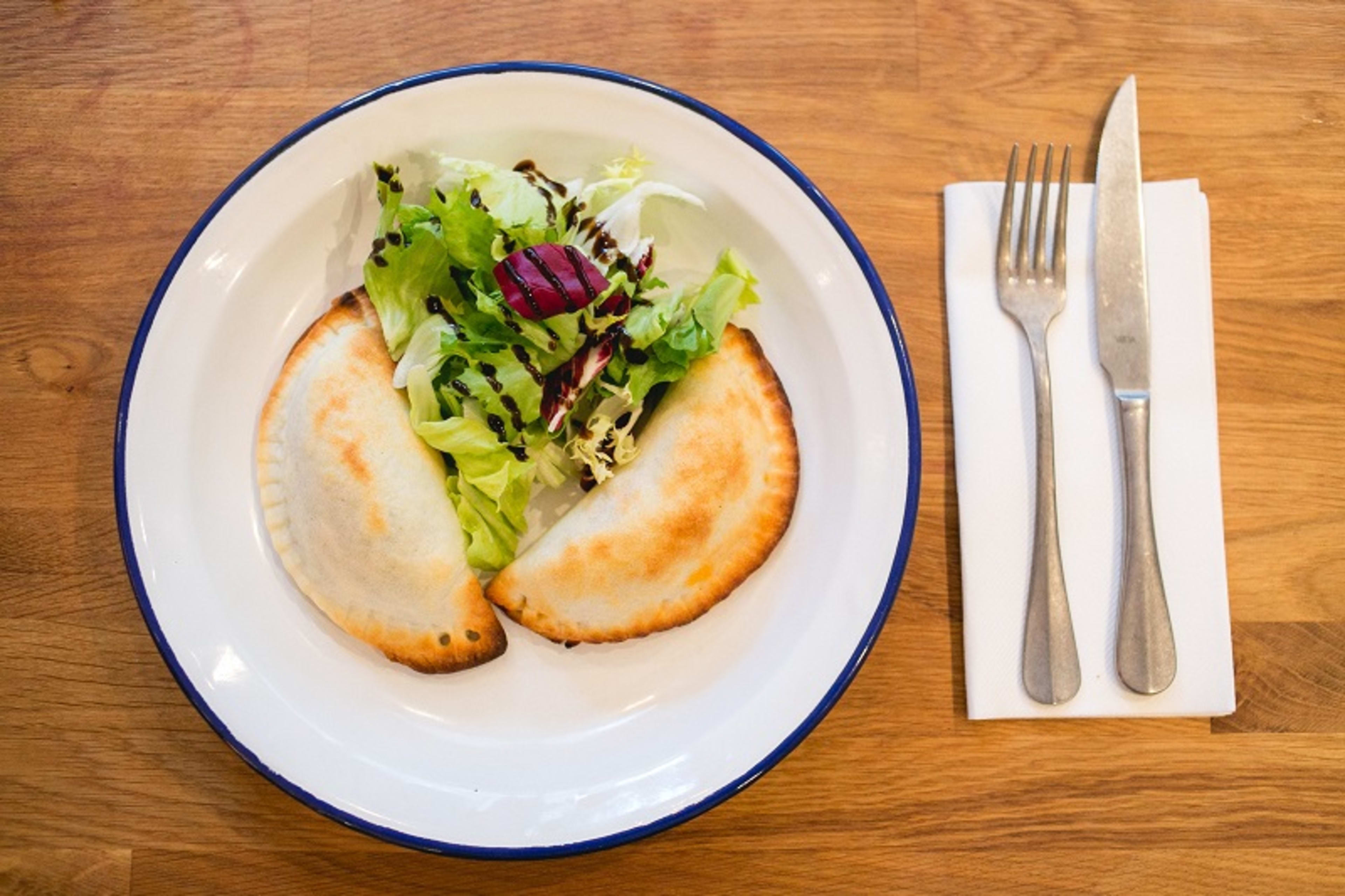
While Piropos handles the high-end "noche de gala" experience, Empanada Madura serves as the primary source for Argentine street food and comfort snacks. Empanadas are the quintessential Argentine handheld meal, consisting of a flaky pastry shell filled with various savory ingredients.
In Kansas City, Empanada Madura has carved out a niche by focusing on the authenticity of the dough and the traditional "repulgue" (the specific fold or crimp on the edge of the pastry that identifies the filling).
Understanding the Fillings
For those new to the Argentine empanada, the variety can be overwhelming. Each filling represents a different region or tradition:
- Carne Suave (Mild Beef): Usually contains ground beef, onions, green olives, and hard-boiled egg.
- Carne Picante (Spicy Beef): Incorporates crushed red pepper or local spices to add a kick, though Argentine "spicy" is generally milder than Mexican or Tex-Mex heat levels.
- Humita: A traditional Northern Argentine filling made of sweet corn, onions, and bechamel sauce.
- Pollo (Chicken): Often slow-braised with peppers and onions to ensure the pastry doesn't dry out during the baking process.
Empanada Madura provides a vital service for those looking for a quick lunch or a catered event that departs from the usual sandwiches or tacos, showcasing the versatility of Argentine dough-based dishes.
Comparing Argentine and American Steakhouse Traditions
For a Kansas City diner, the differences between a traditional local steakhouse and an Argentine restaurant might seem subtle at first, but they are foundational to the experience.
| Feature | Kansas City Steakhouse | Argentine Restaurant (Parrilla) |
|---|---|---|
| Primary Seasoning | Dry rubs, pepper, garlic salt, butter finish | Coarse sea salt only |
| Primary Sauce | Peppercorn, Béarnaise, or BBQ sauce | Chimichurri or Salsa Criolla |
| Side Dishes | Baked potato, creamed spinach, mac & cheese | Ensalada mixta (lettuce, tomato, onion), French fries |
| Cooking Method | High-heat broiler or flat top | Open-fire grill or charcoal parrilla |
| Common Cut | KC Strip, Ribeye (thick cut) | Entraña (Skirt), Vacio (Flank), Bife de Chorizo |
The Argentine approach is often perceived as "cleaner" because it lacks the heavy fats and sauces often associated with Midwestern dining. The focus on the Ensalada Mixta—a simple salad of greens, tomatoes, and onions dressed in vinegar and oil—acts as a palate cleanser against the richness of the grilled meat.
The Importance of Argentine Wine: Malbec and Beyond
No discussion of an Argentine restaurant in Kansas City is complete without mentioning the wine list. Argentina is the world’s leading producer of Malbec, and local establishments like Piropos curate their cellars to reflect the high-altitude vineyards of Mendoza and Salta.
Malbec is the perfect companion for grilled beef because its plum-like fruitiness and moderate tannins cut through the char and fat of the meat without overwhelming the palate. However, a truly authentic Argentine experience should also explore:
- Torrontés: A white wine unique to Argentina, known for its floral aroma and crisp acidity. It is the ideal pairing for spicy empanadas or seafood dishes.
- Bonarda: Often the "second" red of Argentina, it offers a lighter body and bright fruit notes, making it suitable for pasta dishes or leaner cuts of meat.
- Cabernet Sauvignon: While globally common, Argentine Cabernet tends to have a distinct mineral quality due to the volcanic soils of the Andes foothills.
Essential Argentine Ingredients and Flavors
The "flavor profile" of an Argentine kitchen in Kansas City is defined by a few specific ingredients that must be sourced correctly to maintain authenticity.
Chimichurri: The Green Gold
Chimichurri is not a marinade; it is a condiment applied after the meat is cooked. A proper Argentine restaurant will never serve a version that is too oily or too vinegar-heavy. The balance must allow the fresh parsley and dried oregano to shine. In Kansas City, the best versions use high-quality olive oils and red wine vinegar to ensure the acidity brightens the dish.
Dulce de Leche: The Sweet Soul
For dessert, Argentine cuisine relies almost exclusively on Dulce de Leche. This is not standard caramel; it is a thick, creamy reduction of milk and sugar. It is found inside Alfajores (shortbread cookie sandwiches), drizzled over flan, or served inside crepes (Panqueques de Dulce de Leche). An Argentine restaurant that doesn't offer a house-made flan with a side of Dulce de Leche and "crema" (whipped cream) is missing a vital cultural component.
Planning Your Visit: Practical Considerations
When choosing to dine at an Argentine restaurant in Kansas City in 2026, keep the following logistics in mind to ensure the best experience.
Reservations and Atmosphere
Piropos is a high-demand venue, particularly on weekends and during the sunset hours when the view is most spectacular. Reservations are highly recommended via their official website or major booking platforms. The dress code is "business casual," making it a popular choice for anniversaries and corporate dinners.
Dietary Needs and Special Requests
Argentine cuisine is naturally friendly to those with specific dietary needs, provided they are not vegetarian. Most grilled meats are naturally gluten-free as they are seasoned only with salt. However, those with gluten sensitivities should be cautious with empanadas and pastas. Most Argentine chefs are happy to accommodate "sin sal" (without salt) requests, though it departs from the traditional method.
Pricing Expectations
Expect fine-dining prices at Piropos, with entrees generally ranging from $35 to $65 as of 2026. For those on a budget, Empanada Madura offers a significantly lower price point, with individual empanadas typically priced between $4 and $6, allowing for a diverse meal at a fraction of the cost of a full sit-down dinner.
Frequently Asked Questions
Is Argentine food spicy?
Generally, no. Unlike some other Latin American cuisines, Argentine food focuses on herbs like parsley and oregano rather than chili peppers. While "Salsa Criolla" or "Carne Picante" empanadas may have a mild heat, they are rarely "hot" by American standards. The focus is on savory, rich flavors derived from the quality of the ingredients and the grilling technique.
What is the difference between a KC Strip and an Argentine Bife de Chorizo?
Technically, they are the same muscle (the strip loin). However, the "Bife de Chorizo" in an Argentine restaurant is often cut much thicker—sometimes three inches or more—and is grilled over a lower heat for a longer period compared to the fast, high-heat sear of a traditional American steakhouse. This results in a different texture and a more uniform temperature throughout the meat.
Do I need to speak Spanish to dine at these restaurants?
Not at all. While the staff often includes native speakers and the menus use traditional Spanish terms (like Vacío or Alfajores), they are fully translated and the staff is accustomed to explaining the nuances of the cuisine to English-speaking diners.
Are there vegetarian options at an Argentine steakhouse?
While the focus is heavily on meat, Argentine restaurants typically offer excellent Italian-inspired pasta dishes, large vegetable salads, and grilled vegetable platters (Parrillada de Verduras). Piropos, in particular, offers several seafood and pasta options that cater to non-meat eaters.
What is the best time of year to visit?
While these restaurants are open year-round, the experience of a heavy Argentine red wine and a warm steak is particularly comforting during the cold Kansas City winters. Conversely, the patio at Piropos is a highly sought-after spot during the spring and fall months.
Next Steps for Your Argentine Culinary Journey
If you are ready to experience the flavors of the Pampas in the Midwest, start by booking a table at Piropos at Briarcliff. For those looking for a more casual introduction, visit an Empanada Madura location to sample three or four different empanada varieties. To truly appreciate the culture, pair your meal with a glass of Argentine Malbec and conclude with a traditional flan with dulce de leche. Whether you are a lifelong Kansas City resident or just passing through, the Argentine culinary scene offers a sophisticated and delicious departure from the city's standard BBQ fare.