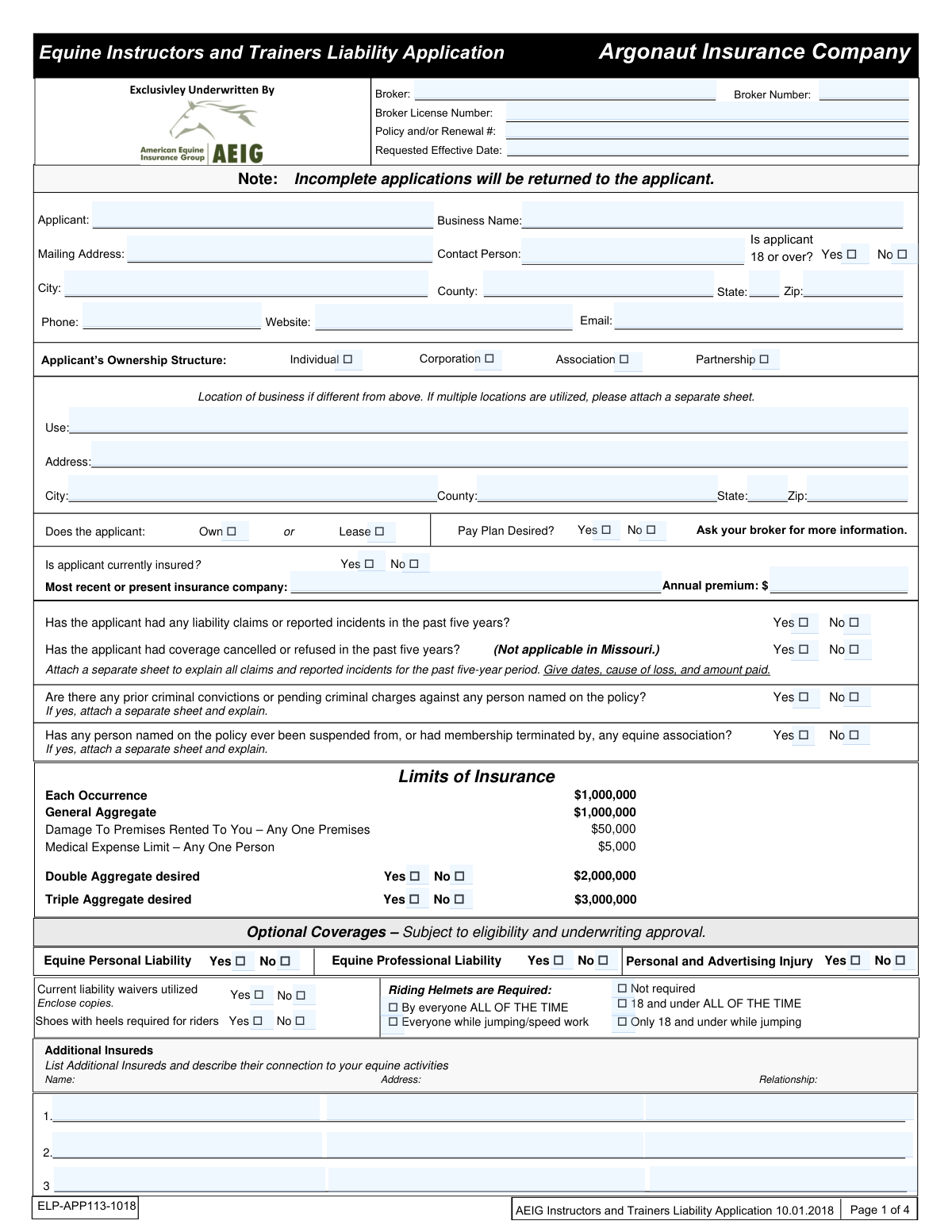
Argonaut auto insurance, underwritten by Argonaut Insurance Company (a subsidiary of Argo Group), provides specialized commercial vehicle and fleet coverage for businesses, contractors, and public entities. Unlike personal auto policies, Argonaut focuses on commercial auto liability, physical damage, and specialized endorsement programs distributed through independent insurance brokers to manage complex business driving risks.
What Is Argonaut Auto Insurance?
Argonaut auto insurance refers to the commercial motor vehicle policies issued by Argonaut Insurance Company, an established property and casualty underwriter operating within Argo Group (now a part of Brookfield Reinsurance). Founded in California in 1948 as a workers' compensation insurer, Argonaut expanded over decades into a recognized specialty commercial lines insurer.
It is important to establish a clear distinction early on: Argonaut does not offer personal private-passenger auto insurance for individual consumers seeking daily personal commute policies. If you are an individual looking to insure your personal family sedan or SUV, Argonaut does not issue retail personal automobile products.
Instead, Argonaut specializes in Commercial Auto Policies (CAP) and Business Auto Policies (BAP). These commercial products are designed for corporate entities, trade contractors, municipalities, public service organizations, and commercial fleet operators. Argonaut's auto insurance framework addresses the higher liability limits, specialized vehicle types, multiple employee drivers, and unique operational exposures inherent in commercial business driving.
Core Coverage Components of Argonaut Commercial Auto Policies
Commercial vehicle operations involve significantly higher financial exposure than personal driving. A single severe accident involving a heavy commercial vehicle or a business fleet driver can result in costly medical bills, property destruction, and liability lawsuits. Argonaut structures its commercial auto insurance around several key foundational coverages:
1. Commercial Auto Liability Insurance
Commercial auto liability is the backbone of any Argonaut business auto policy. It protects the business if an employee operating a covered company vehicle causes bodily injury or property damage to a third party.
- Bodily Injury Liability: Covers medical expenses, lost wages, pain and suffering, and legal defense costs arising from injuries to pedestrians, passenger vehicle occupants, or other third parties.
- Property Damage Liability: Pays for repairs or replacement of third-party property, such as vehicles, structures, guardrails, or utility poles, damaged in an accident caused by a business vehicle.
- Combined Single Limit (CSL): While personal policies often use split limits (such as $100,000/$300,000/$50,000), commercial auto policies issued by specialty insurers like Argonaut typically utilize a Combined Single Limit—often $1,000,000 or higher per accident—providing a unified pool of coverage for both bodily injury and property damage claims.
2. Physical Damage Coverage
Physical damage coverage protects the insured business's financial investment in its own fleet assets. Argonaut offers physical damage protections structured as:
- Collision Coverage: Reimburses the cost to repair or replace a covered company vehicle that overturns or collides with another vehicle or object, regardless of driver fault.
- Comprehensive Coverage (Other-Than-Collision): Covers damage to company vehicles caused by non-collision events, including theft, vandalism, fire, hail, falling objects, windstorms, flood, or collisions with animals.
- Settlement Valuation: Policies define how vehicle values are calculated in total loss scenarios, generally using Actual Cash Value (ACV) or Stated Value endorsements based on schedule appraisals for specialty equipment.
3. Hired and Non-Owned Auto (HNOA) Coverage
Many modern businesses rely on vehicles that the company does not directly own or lease. HNOA coverage is a vital extension offered within Argonaut commercial auto insurance:
- Hired Auto Coverage: Applies legal liability protection when the business rents, leases, hires, or borrows vehicles for corporate travel or short-term operational expansion.
- Non-Owned Auto Coverage: Protects the business entity if an employee uses their personal vehicle to execute business errands (e.g., picking up office supplies, delivering documentation, visiting client sites) and causes an accident. Without HNOA coverage, the company's liability asset exposure remains unprotected if third-party damages exceed the employee's personal policy limits.
4. Medical Payments and Uninsured/Underinsured Motorist Coverage
- Medical Payments (MedPay): Covers immediate medical or funeral expenses for company vehicle occupants injured in an accident, regardless of who caused the collision.
- Uninsured/Underinsured Motorists (UM/UIM): Ensures the business and its drivers receive compensation for bodily injuries and property damage caused by a motorist who either carries no insurance or maintains liability limits insufficient to cover total damages.
Target Industries and Vehicle Eligibility
Argonaut’s underwriting strategy targets commercial niches where customized risk management and specialized endorsements are required. Rather than writing high-risk long-haul trucking operations indiscriminately, Argonaut emphasizes select middle-market commercial classes and specialized public entities.
Argonaut Commercial Auto Target Sectors:
- Trade Contractors & Construction (Plumbers, Electricians, HVAC)
- Municipalities & Public Entities (Maintenance Fleets, Civil Works)
- Specialized Transportation & Courier Services
- Non-Profit & Social Service Agencies (Passenger Vans)
- Commercial Service Providers (Field Technicians, Sales Fleets)
Key Eligible Classes Include:
- Specialty Trades and Contractors: Electrical contractors, plumbing services, HVAC technicians, general commercial builders, and utility installation teams operating service vans and medium-duty pickup trucks.
- Public Entities and Municipalities: Local government utility vehicles, public works fleets, street maintenance vehicles, and municipal service automobiles requiring specialized statutory liability compliance.
- Social Service and Community Agencies: Non-profit transit vans, community outreach vehicles, and organizational transport fleets requiring specialized passenger transport liability limits.
- Commercial Service Companies: Commercial cleaning, field maintenance, inspection services, and local distribution fleets operating within local or regional territories.
Argonaut Commercial Auto Policy Comparison
To help commercial policyholders and risk managers evaluate policy structures, the table below highlights how primary coverage types function within an Argonaut commercial auto policy framework:
| Policy Coverage Component | Primary Risk Addressed | Standard Limit Options | Key Strategic Benefit |
|---|---|---|---|
| Commercial Auto Liability | Third-party bodily injury and property damage claims | $1,000,000 Combined Single Limit (CSL) standard | Protects corporate capital and assets from severe liability litigation. |
| Collision Coverage | Impact damage to company-owned fleet vehicles | Actual Cash Value (ACV) with deductible ($500–$2,500) | Restores essential operational vehicles to service after an accident. |
| Comprehensive Coverage | Theft, weather, vandalism, and non-collision damage | Actual Cash Value (ACV) with deductible ($250–$1,000) | Protects business fleet investment against non-operational property loss. |
| Hired & Non-Owned Auto (HNOA) | Employee personal vehicle use or short-term auto rentals | Conforms to policy primary liability limits | Shielding business liability when employees drive non-company autos for work. |
| Medical Payments (MedPay) | Direct medical expenses for vehicle occupants | $2,000 to $25,000 per individual | Ensures rapid initial payment for injured employees or passengers without fault disputes. |
| Uninsured Motorist (UM/UIM) | Collisions caused by uninsured or underinsured drivers | Variable based on state statutory mandates and selection | Prevents financial loss when third-party at-fault drivers lack adequate insurance. |
How to Obtain and Access Argonaut Auto Insurance
Argonaut operates under an independent insurance brokerage model. Individual business owners cannot purchase Argonaut commercial auto insurance directly through an online shopping cart or a direct-to-consumer phone line.
Step 1: Partnering with an Independent Insurance Broker
To obtain coverage, a business owner or fleet manager must work with a licensed independent commercial insurance broker or Managing General Agent (MGA) that maintains an active appointment with Argonaut Insurance Company or Argo Group.
Step 2: Submitting Fleet and Operational Data
The appointed broker collects key business operating details required for underwriting evaluation:
- Vehicle Schedules: Year, make, model, Vehicle Identification Number (VIN), garaging zip code, gross vehicle weight rating (GVWR), and current estimated value for every fleet unit.
- Driver Schedules: Names, date of birth, driver's license numbers, and driving history for all employees designated to operate company vehicles.
- Operational Radius: Specific travel limits (e.g., local under 50 miles, regional 50–200 miles, or long-distance).
Step 3: Reviewing Loss Runs and Safety History
Argonaut underwriters require loss runs—official insurance claims reports—typically covering the prior three to five policy years. Clean loss runs with low claim frequency directly improve underwriting eligibility and premium pricing.
Step 4: Underwriting and Policy Binding
Upon reviewing operational safety, driver Motor Vehicle Records (MVRs), and fleet use cases, Argonaut issues a tailored commercial auto quote. Once terms are agreed upon, the broker binds the coverage and issues a formal Certificate of Insurance (COI) to demonstrate legal compliance to client vendors, state regulators, and general contractors.
Key Factors That Influence Argonaut Commercial Auto Premiums
Commercial auto premiums vary based on operational risk profile, vehicle class, and claims experience. Argonaut underwriters analyze several risk drivers when establishing premium rates:
Premium Calculation Factors:
- Driver Motor Vehicle Records (MVRs) & Experience
- Vehicle Type, Weight, & Fleet Size
- Primary Operating Radius & Geographic Garaging Zip
- Historical Loss Runs (3 to 5 Year Claims History)
- Chosen Deductibles & Risk Retention Limits
- Driver Qualification and MVR History: Employees with clean driving records lower premium burdens. Conversely, drivers with multiple moving violations, speeding infractions, or past accidents significantly increase commercial premiums.
- Vehicle Type and Weight: Heavy commercial trucks or vehicles equipped with specialized machinery carry greater damage potential in accidents, leading to higher liability premiums than light-duty service sedans or pickup trucks.
- Geographic Radius and Garaging Locations: Vehicles garaged or operated in densely populated urban zones with high traffic congestion face higher loss probabilities than fleets operating in rural or low-density environments.
- Experience Modification and Loss History: A company's past claim frequency directly influences its rating. A pattern of frequent small physical damage claims indicates poor risk control and leads to higher policy costs.
- Deductible Selection: Choosing higher physical damage deductibles (e.g., $1,000 or $2,500 instead of $500) reduces annual fixed premiums by shifting a larger share of small losses to the policyholder.
Managing Claims and Fleet Safety with Argonaut
In the event of an auto accident or vehicle damage, structured claims handling is necessary to protect legal defenses and ensure prompt vehicle repair.
Immediate Claim Actions:
- Ensure Safety and Secure the Scene: Request emergency assistance if injuries occur, move vehicles off active roadways if safe to do so, and notify local law enforcement to create an official police report.
- Collect Fact-Based Documentation: Instruct company drivers to document accident details using a standardized fleet kit, capturing photos of vehicle positioning, physical damage, weather conditions, license plates, and third-party driver information.
- Notify Argonaut Claims Promptly: Submit incident details through the broker or directly to Argonaut’s designated claims intake department. Rapid reporting prevents delayed investigations and mitigates third-party litigation costs.
- Provide Fleet Telematics Data: If the vehicle is equipped with telematics or forward-facing dashcams, preserve video files and electronic logging data immediately. This objective evidence can decisively verify fault and resolve contested third-party claims.
Risk Management Best Practices
Argonaut emphasizes proactive risk control for its business insureds. Implementing continuous fleet safety controls reduces long-term commercial auto insurance overhead:
- Conduct mandatory annual Motor Vehicle Record (MVR) reviews for all prospective and existing drivers.
- Establish clear fleet safety policies specifying authorized personal use limits, cell phone/distraction bans, and mandatory accident reporting steps.
- Maintain regular fleet preventative maintenance programs to eliminate mechanical failures, tire blowouts, or brake issues that lead to preventable collisions.
Frequently Asked Questions
Does Argonaut offer personal auto insurance for individual drivers?
No, Argonaut Insurance Company does not write personal auto insurance policies for private individual vehicles. Argonaut operates strictly within specialty commercial insurance markets, offering business auto policies, commercial fleet coverages, and customized risk solutions for business enterprises, trade contractors, and public entities.
How do I purchase an Argonaut commercial auto insurance policy?
Argonaut commercial auto policies are sold exclusively through licensed independent insurance brokers and commercial Managing General Agents (MGAs). Business owners must contact a commercial insurance agent who can submit fleet details, driver records, and historical loss runs to Argonaut underwriters for rating.
What is the difference between Hired and Non-Owned Auto (HNOA) insurance and regular auto liability?
Regular commercial auto liability applies strictly to vehicles owned, leased, or registered directly to the business entity. Hired and Non-Owned Auto (HNOA) insurance protects the company against third-party liability claims when employees drive personal vehicles for business errands or when the company rents vehicles short-term for business operations.
How does fleet size affect Argonaut commercial auto insurance?
Fleet size impacts both policy pricing and underwriting flexibility. Businesses operating larger fleets may qualify for specialized fleet rating structures, composite loss-sensitive rating, or custom risk retention models, provided the fleet maintains a clean safety record and standardized safety management protocols.
What should a business do if a driver has a poor driving record?
Underwriting guidelines usually restrict high-risk drivers with severe infractions (such as DUIs, reckless driving, or multiple major moving violations) from operating covered company vehicles. Fleet managers should establish clear driving criteria and exclude high-risk drivers from company vehicle schedules to avoid non-renewal or elevated liability premiums.
Practical Next Steps for Business Owners
Evaluating commercial auto insurance requires balancing required liability limits against operational costs. If your organization is reviewing Argonaut auto insurance or assessing fleet protection needs:
- Audit Fleet Schedules: Review vehicle identification details, current market valuations, and usage classifications to ensure your vehicle schedules are completely accurate.
- Review Driver Eligibility: Pull current Motor Vehicle Records (MVRs) for all listed drivers to confirm compliance with Argonaut underwriting guidelines prior to annual policy renewals.
- Engage an Independent Commercial Insurance Broker: Consult an experienced commercial agent who can evaluate Argonaut's specialty commercial auto offerings alongside alternative carrier options to structure appropriate liability limits and deductible thresholds for your operations.
Disclaimer: Insurance terms, policy availability, underwriting criteria, and coverage limits vary by jurisdiction, business classification, and individual policy endorsements. For official legal interpretations, current guidelines, or binding coverage requests, consult directly with a licensed insurance broker or refer to your specific Argonaut policy documentation.