CRM software for marketing and sales automation in medical device manufacturing integrates healthcare provider (HCP) relationship management, field sales tracking, and compliance workflows into a single system. Organizations like Argon Medical Devices require specialized CRM architectures that align multi-channel marketing with complex hospital procurement, GPO contract tracking, and FDA regulatory standards.
Commercial Architecture in Medical Device Sales and Marketing
Medical device manufacturers operate within one of the most highly regulated and complex commercial ecosystems in the B2B landscape. Unlike traditional software or direct-to-consumer businesses, selling specialty medical equipment—such as interventional radiology catheters, vascular access devices, and biopsy instruments—involves multiple decision-makers across clinical, administrative, and financial domains.
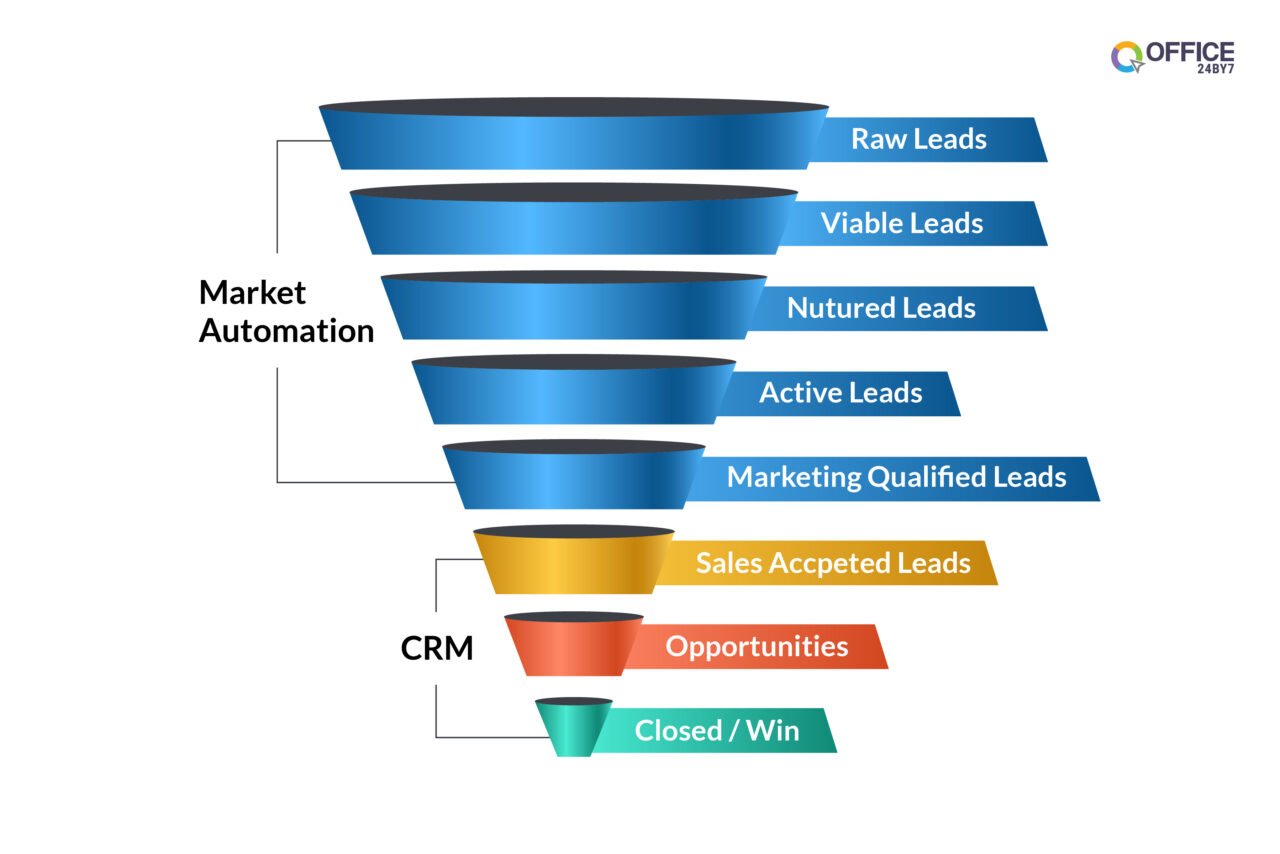
A specialized Customer Relationship Management (CRM) platform equipped with marketing and sales automation serves as the central operational system for these commercial activities. It bridges the gap between top-of-funnel marketing campaigns targeted at clinical specialists and bottom-of-funnel procurement execution with hospital systems, Integrated Delivery Networks (IDNs), and Group Purchasing Organizations (GPOs).
- HCP Marketing / Clinical Education
- CRM Marketing Automation
- Field Sales Enablement
- GPO / Contract Tracking
- ERP & Regulatory Compliance
Generic CRM systems off the shelf rarely fulfill the operational, analytical, and regulatory demands of medtech commercial teams. A medtech-tailored CRM must track physician preferences, monitor Value Analysis Committee (VAC) approval statuses, manage evaluation and consignment inventory, and maintain an immutable audit trail for legal compliance.
Essential Capabilities for Medtech CRM and Automation Platforms
When evaluating or designing CRM and commercial automation software for medical device enterprises, technical and commercial teams must ensure the system delivers capabilities across five core pillars:
1. Lead-to-Opportunity Automation and Physician Engagement
Medical device marketing relies heavily on peer-to-peer education, clinical trial dissemination, conference interactions, and hands-on workshops. Marketing automation within a medtech CRM must seamlessly capture leads from digital channels, medical congresses, and webinars, automatically scoring and routing them based on clinical specialty, hospital affiliation, and purchasing authority.
- Behavioral Nurturing: Automated email and content delivery tailored to specific physician specialties (e.g., interventional radiologists versus vascular surgeons).
- Event and Workshop Management: Automation tools that manage registration, attendance verification, and follow-up communications for clinical training sessions.
- Dynamic Lead Scoring: Models that weigh clinical content downloads, product sample requests, and event attendance to alert field representatives when a clinician demonstrates buying intent.
2. Account-Based Marketing (ABM) for Value Analysis Committees
Hospital purchasing decisions are seldom made by a single physician. Modern medical device procurement requires approval from a hospital's Value Analysis Committee (VAC), which evaluates clinical efficacy, patient outcomes, safety, and total cost of care.
CRM automation must aggregate interactions across an entire healthcare institution. By mapping relationships among department heads, materials managers, procurement officers, and attending physicians, marketing automation tools can deliver account-specific campaign content. This ensures administrative decision-makers receive economic value impact reports while clinicians receive peer-reviewed clinical trial data.
3. Field Sales and Mobile Execution
Field sales representatives in the medical device sector spend significant time in operating rooms, cath labs, and clinical suites. Consequently, the CRM’s mobile functionality is critical for daily operations.
- Surgical Case & Product Trial Tracking: Field reps must log case coverage, schedule product evaluations, and record surgeon feedback immediately after procedures.
- Consignment and Sample Inventory Management: Mobile CRM extensions allow reps to scan product barcodes, verify trunk stock or consignment inventory at medical facilities, and initiate replenishment orders linked to backend systems.
- Route and Territory Optimization: Automated schedule optimization that helps reps coordinate hospital visits based on scheduled surgical cases, urgency, and geographic proximity.
4. Regulatory Compliance and Transparency Governance
Medical device sales and marketing workflows must comply strictly with statutory and regulatory mandates. Software used in this space must incorporate automated guardrails to enforce compliance:
- Sunshine Act / Open Payments Reporting: Under the CMS Open Payments Program, transfers of value to physicians and teaching hospitals—including educational meals, product samples, and travel—must be meticulously tracked, categorized, and reported.
- FDA 21 CFR Part 11 Compliance: Electronic signatures, audit trails, and data security controls within the CRM must meet the requirements of the FDA 21 CFR Part 11 regulation for electronic records.
- Off-Label Usage Controls: Marketing automation workflows must restrict reps from distributing unapproved clinical materials or logging unapproved product indications.
5. Enterprise Integration Architecture (ERP, QMS, and EHR)
A medtech CRM cannot operate as an isolated data island. To provide complete visibility, the CRM platform must integrate with enterprise resource planning (ERP) platforms (such as SAP, Oracle, or Microsoft Dynamics), Quality Management Systems (QMS), and, where applicable, direct health system ordering portals.
Integrations allow automated order processing, real-time credit checks, contract tier tracking, and immediate flagging of customer complaints to the QMS for mandatory adverse event reporting.
Evaluating Leading Enterprise CRM Platforms for Medtech
Selecting the right software foundation depends on organizational scale, legacy infrastructure, field force size, and existing cloud investments. Below is a comparison of primary CRM and commercial automation software deployed by medical device manufacturers.
| Platform / Software Suite | Target Scale & Focus | Compliance & Regulatory Readiness | Field Sales & Consignment Depth | Marketing Automation Ecosystem | Enterprise ERP Integration |
|---|---|---|---|---|---|
| Salesforce Health Cloud + MedTech Solutions | Enterprise medtech corporations with complex, multi-divisional structures. | High (Requires configured audit trails and Sunshine Act plugins). | Extensive (Advanced mobile capabilities, asset, and trial tracking). | Industry-leading (Integration with Marketing Cloud and Account Engagement). | High (Native connectors for SAP, Oracle, and major middleware). |
| Veeva MedTech (Veeva Vault / CRM) | Specialized medical device and life science enterprises. | Native out-of-the-box (Pre-configured for Sunshine Act and FDA guidelines). | Purpose-built for clinical reps, procedural coverage, and sample tracking. | Built-in closed-loop marketing (CLM) and approved email channels. | High (Pre-built integrations for pharmaceutical and medtech ERPs). |
| Microsoft Dynamics 365 for MedTech | Mid-market to large enterprises already invested in Microsoft Azure. | High (Configurable through Microsoft Cloud for Healthcare). | Strong (Power Apps mobile interface for field reps). | Robust (Dynamics 365 Customer Insights & Journeys). | Native seamless integration with Dynamics 365 Supply Chain & Finance. |
| HubSpot Enterprise with MedTech Integrations | Growth-stage to mid-market medical device companies. | Moderate (Requires third-party integrations for Sunshine Act logging). | Moderate (Requires custom custom objects or integration for trunk stock). | Exceptional ease-of-use for inbound lead generation and inbound workflows. | Flexible via REST APIs and iPaaS solutions (Zapier, Celigo). |
Detailed Platform Analysis
Salesforce Health Cloud & MedTech
Salesforce remains a dominant force in large-scale medical device commercial operations. Its MedTech-specific data models allow organizations to manage device pricing, contract compliance, sales agreements, and inventory workflows. Coupled with Salesforce Marketing Cloud, sales ops teams can trigger multi-channel campaign journeys based on contract expiration dates, GPO tier thresholds, or field rep interaction logs.
Veeva MedTech
Engineered specifically for the life sciences sector, Veeva offers native compliance features that eliminate much of the custom engineering required by general-purpose CRMs. Veeva’s "Approved Email" feature ensures sales representatives can only send pre-approved, compliant digital collateral to healthcare professionals, preventing off-label promotion claims and reducing legal exposure.
Microsoft Dynamics 365
For organizations seeking tight alignment between backend ERP supply chain management and field sales execution, Microsoft Dynamics 365 offers unified data architecture through the Common Data Model. It excels in tracking complex pricing structures, capital equipment leases, and maintenance contracts alongside standard disposable device sales.
Strategic Roadmap for Implementing Commercial Automation
Deploying a CRM and marketing automation system in a medical device enterprise requires a structured rollout to ensure user adoption, regulatory compliance, and business strategy alignment.
- Phase 1: Compliance & Data Architecture Audit
- Phase 2: Core Platform Configuration & Middleware Integration
- Phase 3: Sales Rep Enablement & Mobile Deployment
- Phase 4: Multi-Channel Marketing Automation Rollout
- Phase 5: Advanced Analytics & Contract Optimization
Phase 1: Compliance & Data Architecture Audit
Before writing software code or configuring workflows, establish data governance rules. Identify all touchpoints where physician data, payments, product samples, and educational materials cross system boundaries.
- Define data structures for Healthcare Providers (HCPs) and Healthcare Organizations (HCOs).
- Establish explicit consent management frameworks for digital marketing communications in accordance with GDPR, CCPA, and local privacy laws.
- Catalog existing GPO contracts, IDN commitments, and local pricing tiers to structure the underlying database.
Phase 2: Core Platform Configuration & Middleware Integration
Configure the CRM system to reflect the medical device supply chain and sales cycles. Establish API-based integrations using middleware platforms (such as MuleSoft, Boomi, or Celigo) to connect the CRM with backend systems.
- Map ERP product master files, unique device identifiers (UDI), and pricing catalogs to CRM product objects.
- Configure automated approval hierarchies for non-standard pricing, evaluation equipment requests, and educational grants.
- Set up automated adverse event capture forms that trigger immediate alerts to the QMS team upon logging a clinical complaint.
Phase 3: Sales Rep Enablement & Mobile Deployment
Field adoption is the key factor determining CRM success. If field representatives find the software cumbersome during clinical operations, data quality will degrade rapidly.
- Design mobile interfaces optimized for tablet and smartphone screens, focusing on single-tap case logging and quick sample scanning.
- Implement offline capability so reps can log interactions inside hospital facilities where cellular signals are shielded.
- Automate administrative tasks, such as automated mileage tracking and automated meal expense allocation for Sunshine Act logging.
Phase 4: Multi-Channel Marketing Automation Rollout
Once sales tracking is operational, launch automated marketing campaigns to capture, nurture, and qualify clinical interest.
- Deploy targeted content hubs offering peer-reviewed studies, surgical technique videos, and clinical white papers.
- Build automated email workflows that trigger when a physician visits product pages, downloads clinical brochures, or attends educational webinars.
- Implement closed-loop reporting to track marketing leads from initial digital engagement through to surgical case trial and ongoing order volume.
Managing Common Implementation and Operational Challenges
| Challenge | Strategic Solution |
|---|---|
| Sales Rep Adoption Resistance | Single-tap mobile logging, UI reduction |
| Regulatory Non-Compliance & Claims | Locked content portals & approved email |
| Data Fragmentation (ERP vs CRM) | Automated bidirectional iPaaS sync |
| Complex GPO Tier Tracking | Automated contract revenue triggers |
Eliminating Sales Force Friction
Field representatives often view CRMs as administrative burdens that take time away from clinical selling. To counter this, commercial operations teams must focus configuration on feature utility rather than feature quantity.
By automating routine administrative tasks—such as auto-populating hospital address data, providing immediate visibility into consignment stock, and generating one-click quote requests—the CRM becomes a functional sales asset rather than an administrative report.
Preventing Off-Label Marketing Violations
Distributing unapproved claims regarding medical device indications exposes manufacturers to substantial legal penalties and regulatory sanctions.
Marketing automation platforms must be configured with rigid access controls. Content repositories should automatically archive outdated literature, replace physical media with version-controlled digital links, and prevent reps from uploading unapproved attachments to outbound physician communications.
Aligning Consignment Inventory with Sales Records
A common financial leak for medical device firms involves unaccounted trunk stock and consignment inventory sitting unbilled in hospital storage rooms. Automating inventory reconciliation through mobile CRM scanning allows sales ops to track evaluation units.
When a rep logs a procedure using a trial device, the automation engine can automatically convert that inventory item into an invoice request, update consignment stock levels, and alert the supply chain team for replenishment.
Frequently Asked Questions
What is the primary difference between a generic CRM and a medtech-specific CRM?
A generic CRM focuses on basic B2B pipeline stages and contact management. A medtech CRM is pre-configured to handle complex healthcare dynamics, such as tracking hospital Value Analysis Committees (VACs), managing consignment inventory, tracking physician transfers of value for Sunshine Act compliance, maintaining 21 CFR Part 11 audit trails, and managing multi-tiered GPO/IDN pricing contracts.
How does sales automation help with Sunshine Act and Open Payments compliance?
Sales automation tools simplify compliance by embedding financial transfer tracking directly into daily rep workflows. When a sales rep records an educational dinner, product sample distribution, or travel expense within the CRM, the software automatically categorizes the outlay, links it to the clinician's National Provider Identifier (NPI) number, and aggregates the data for annual CMS Open Payments reporting.
Can CRM marketing automation target individual physicians while staying HIPAA compliant?
Yes, provided the system is properly configured and does not process protected health information (PHI) without appropriate authorization and business associate agreements. B2B medical device marketing typically targets physicians in their professional capacity using business contact information, focus areas, and hospital affiliations, rather than patient health data.
How do CRM systems integrate with hospital purchasing systems and GPOs?
CRMs integrate with backend Enterprise Resource Planning (ERP) databases that store master GPO contracts and price files. When a sales rep creates a quote or contract within the CRM, the system automatically cross-references the facility's GPO affiliation and tiered commitment level to pull approved pricing, preventing revenue leakage and contract disputes.
What key performance indicators (KPIs) measure CRM and automation success in medical devices?
Primary KPIs include Lead-to-Opportunity Conversion Rate, Value Analysis Committee (VAC) Approval Velocity, Field Rep Case Logging Compliance Rate, Consignment-to-Sale Conversion Time, Marketing Attributed Revenue, and Expense Reporting Accuracy for Sunshine Act compliance.
Strategic Recommendations and Next Actions
To establish a scalable sales and marketing automation stack tailored for medical device operations, commercial leadership should execute the following strategy:
- Conduct a Capabilities Audit: Evaluate whether your current CRM infrastructure supports specialized medtech requirements, such as UDI tracking, Sunshine Act reporting, and dynamic GPO price modeling.
- Unify Sales and Marketing Operations: Consolidate field rep intelligence and digital marketing workflows within a shared data ecosystem to ensure consistent messaging across all clinician touchpoints.
- Prioritize Field Mobile Experience: Involve active field representatives in the mobile UI/UX design process to ensure daily case logging and sample tracking require minimal screens and taps.
- Enforce Regulatory Controls Systemically: Embed compliance rules into software logic—such as restricting marketing material access to approved content versions—rather than relying solely on manual policy enforcement.
- Establish Bidirectional ERP Integration: Ensure that product catalogs, inventory movements, and contract pricing stream in real time between backend financial databases and field CRM software.