Argentina’s sporting legends, including Lionel Messi, Diego Maradona, Manu Ginóbili, and Luciana Aymar, have transcended their respective disciplines to become global cultural icons. Their success is defined by a unique blend of technical "creativity" known as La Nuestra and an indomitable competitive spirit often referred to as Garra.
The Footballing Pantheon: Architects of National Identity
In Argentina, football is more than a sport; it is a primary lens through which the nation views itself and interacts with the world. The country has produced three distinct eras of global dominance, each headlined by a figure who redefined the parameters of the game.
Diego Armando Maradona: The Myth and the Miracle
Diego Maradona remains arguably the most culturally significant athlete in history. His peak during the 1980s, specifically the 1986 FIFA World Cup in Mexico, provided a catharsis for a nation recovering from the wounds of the Malvinas War and a brutal dictatorship. Maradona was the "Pibe" (the kid) from the Villa Fiorito slums who conquered Europe and the world.
His performance against England in the 1986 quarter-final—scoring both the controversial "Hand of God" and the "Goal of the Century"—encapsulated the duality of the Argentinian psyche: the cunning picardía (street smarts) and the unparalleled aesthetic brilliance. Maradona’s legacy is not just found in his trophies with Napoli or Argentina, but in his status as a secular deity, a symbol of rebellion against established power structures.
Lionel Messi: The Pursuit of Perfection
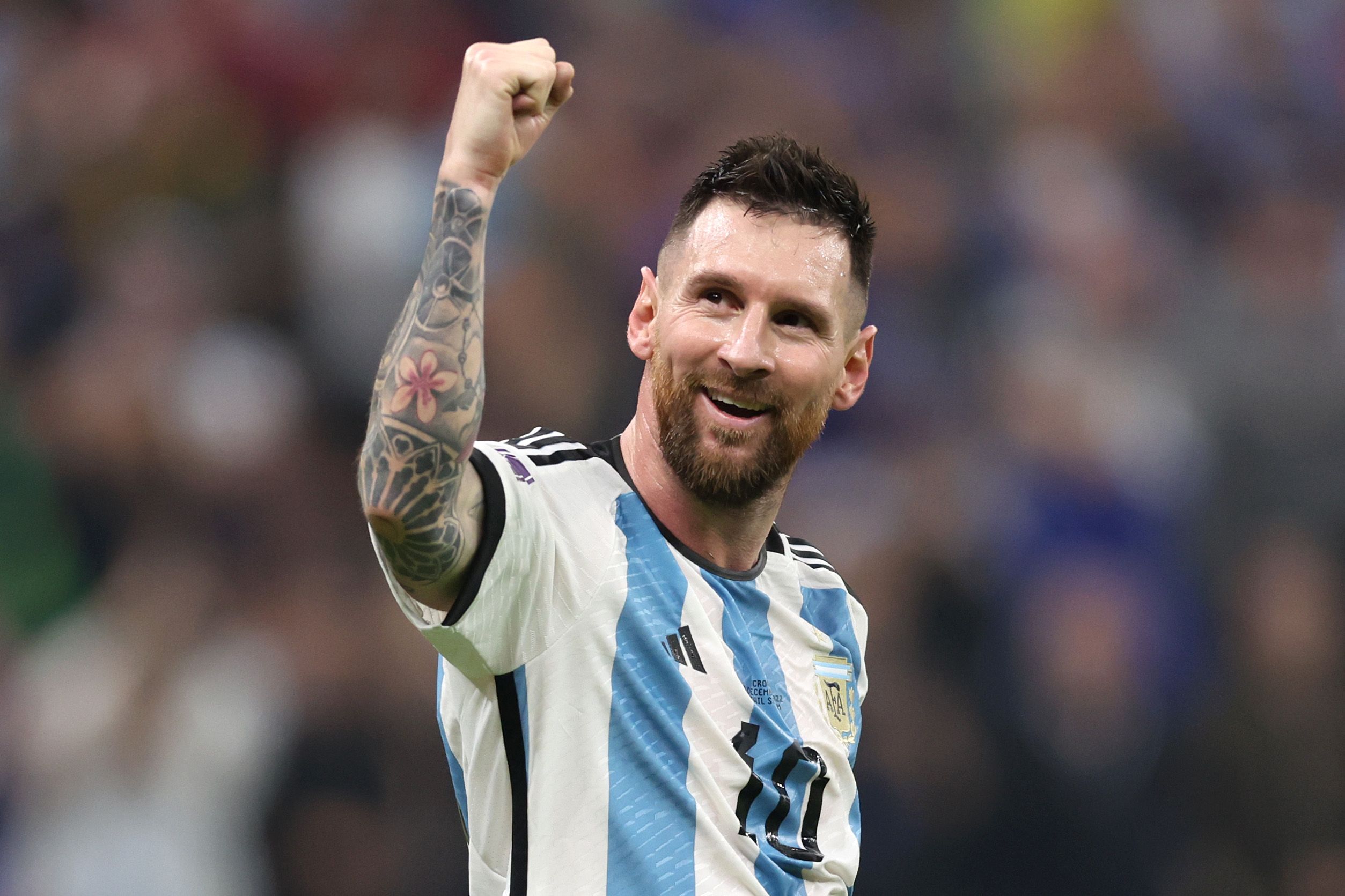
As of 2026, Lionel Messi’s career is viewed as the ultimate narrative arc of redemption and completion. For years, Messi faced the heavy shadow of Maradona, with critics pointing to his lack of a World Cup trophy as a blemish on his record. That narrative shifted irrevocably in 2021 with the Copa América win and was finalized with the 2022 World Cup victory in Qatar.
Messi’s game is characterized by a "low-gravity" dribbling style and a spatial intelligence that seems to predict the future of the match. Beyond the eight Ballon d'Or awards and numerous Champions League titles, Messi’s greatest achievement was perhaps his longevity. Unlike many legends who flickered briefly, Messi maintained a standard of excellence for two decades, bridging the gap between the traditional 10 and the modern, high-intensity forward.
Alfredo Di Stéfano: The First Global Superstar
Before Messi and Maradona, there was Alfredo Di Stéfano. Known as "La Saeta Rubia" (The Blond Arrow), Di Stéfano was the engine behind the Real Madrid team that won five consecutive European Cups in the 1950s. He was a pioneer of "total football," a player who could defend, organize the midfield, and finish with clinical precision. Though he never played in a World Cup—a historical anomaly due to various withdrawals and injuries—his influence on the tactical development of European football remains foundational.
The Golden Generation of Basketball: The 2004 Revolution
While football is the heartbeat of the nation, the "Generación Dorada" (Golden Generation) of basketball provided one of the most improbable upsets in sporting history. This group of athletes proved that Argentina could compete—and win—in a sport traditionally dominated by the United States.
Emanuel "Manu" Ginóbili: The Euro-Step Pioneer
Manu Ginóbili is the face of Argentinian basketball. His impact on the NBA with the San Antonio Spurs—winning four championships—was profound, but his contribution to the national team is what cements his legend. Ginóbili was the catalyst for the Argentinian victory over the U.S. "Dream Team" at the 2004 Athens Olympics, a feat previously thought impossible.
Ginóbili popularized the "Euro-step" in the NBA, a move that is now a staple of the modern game. His playing style was a mixture of erratic creativity and high-IQ decision-making. In 2026, he is remembered not just as a great shooter, but as the ultimate competitor who accepted a "sixth man" role for the sake of team success, a lesson in humility that resonates across Argentinian sports academies.
Luis Scola: The Iron Man
If Ginóbili was the spark, Luis Scola was the foundation. Scola’s international career spanned over two decades, making him the leading scorer in the history of the FIBA World Cup at the time of his retirement. His footwork in the post is still studied by big men today. Scola represented the professionalization of Argentinian sport, showing that consistency and physical preparation could allow a smaller nation to remain a global powerhouse for twenty years.
Tennis Royalty: From the Clay of Roland Garros to the US Open
Argentina has a deep-rooted tradition in tennis, particularly on clay surfaces, but its legends have proven they can win anywhere.
Guillermo Vilas: The Bull of the Pampas
Guillermo Vilas is the father of Argentinian tennis. In 1977, Vilas had a season that remains one of the greatest in the history of the sport, winning 16 titles and 46 consecutive matches. He was the quintessential "baseline grinder," utilizing heavy topspin and extreme physical fitness to outlast opponents. His success triggered a massive boom in the sport's popularity in South America, leading to the construction of thousands of courts across Argentina.
Gabriela Sabatini: The Icon of the 90s
Gabriela Sabatini remains the most successful female athlete in Argentinian history. Winning the 1990 US Open and reaching the Wimbledon final, Sabatini was known for her elegant one-handed backhand and powerful serve. Beyond her on-court success, she became a global brand, proving that Argentinian athletes could command the world stage both as competitors and as cultural ambassadors.
Field Hockey and the Rise of Las Leonas
No discussion of Argentinian sports is complete without mentioning field hockey. The women’s national team, known as Las Leonas (The Lionesses), became a symbol of female empowerment in the early 2000s.
Luciana Aymar: The Maradona of Hockey
Luciana Aymar is widely considered the greatest female field hockey player of all time. An eight-time FIH Player of the Year, Aymar possessed a dribbling ability that earned her comparisons to Diego Maradona. She led Las Leonas to four Olympic medals and two World Cups. Aymar’s influence shifted the sporting landscape in Argentina, making field hockey the most popular sport for young women and ensuring a legacy of competitive excellence that continues in 2026.
Speed and Strength: Formula 1 and Boxing
Argentina's sporting history also reaches into the high-octane world of motor racing and the grit of the boxing ring.
Juan Manuel Fangio: El Maestro
In the early days of Formula 1, Juan Manuel Fangio was the undisputed king. He won five World Championships in the 1950s with four different teams (Alfa Romeo, Maserati, Mercedes, and Ferrari)—a feat of versatility that has never been matched. Known for his technical understanding of the cars and his nerves of steel, Fangio set the standard for what a professional racing driver should be.
Carlos Monzón: The Middleweight King
Carlos Monzón held the undisputed world middleweight championship for seven years, defending it 14 times. He was a ferocious competitor known for his reach and devastating right hand. While his personal life was marred by tragedy and crime, his sporting achievements in the 1970s made him a national hero at a time when Argentina was seeking international recognition.
Comparison of Argentinian Sporting Legends
| Athlete | Sport | Major Achievement | Peak Era | Impact Level |
|---|---|---|---|---|
| Lionel Messi | Football | 8 Ballon d'Ors, 2022 World Cup | 2004–2024 | Global Icon |
| Diego Maradona | Football | 1986 World Cup, Napoli Titles | 1976–1994 | National Myth |
| Juan Manuel Fangio | F1 | 5 World Championships | 1950–1958 | Technical Pioneer |
| Manu Ginóbili | Basketball | 4 NBA Rings, 2004 Olympic Gold | 1999–2018 | Tactical Innovator |
| Luciana Aymar | Field Hockey | 8x World Player of the Year | 1998–2014 | Cultural Shift |
| Guillermo Vilas | Tennis | 4 Grand Slams, 62 ATP Titles | 1969–1992 | Sport Popularizer |
The Cultural Engine: Why Argentina Produces Legends
The recurring success of Argentinian athletes on the world stage is rarely the result of superior funding or state-of-the-art facilities. Instead, it stems from a unique social structure: the "Club de Barrio" (Neighborhood Club). These social clubs act as the primary scouting grounds and developmental centers for young talent.
In these clubs, athletes learn the value of community and the necessity of "finding a way" with limited resources. This environment fosters La Nuestra, a style of play that prioritizes individual flair and problem-solving. When this creativity is combined with the extreme pressure of the Argentinian sporting media and fan base, it produces athletes who are psychologically hardened for the world stage.
Furthermore, the concept of "Garra" (literally "claw") refers to a dogged determination to win even when outmatched. Whether it is the rugby team, Los Pumas, consistently punching above their weight against Tier 1 nations, or Juan Martín del Potro’s storied comeback from wrist surgeries to win the 2009 US Open, this resilience is a common thread among the nation's legends.
Frequently Asked Questions
Who is considered the greatest Argentinian athlete of all time?
While subjective, the debate usually centers on Lionel Messi, Diego Maradona, and Juan Manuel Fangio. In terms of global recognition and statistical dominance, Messi is often cited as the greatest, especially following his 2022 World Cup victory. However, Maradona’s cultural impact within Argentina remains unparalleled.
Why is Argentina so successful in so many different sports?
The success is largely attributed to the "Club de Barrio" system and a culture that highly prizes sporting achievement as a means of social mobility. The Argentinian concept of Garra—a fierce, never-give-up attitude—also plays a significant role in their ability to compete against nations with much larger populations and budgets.
What is the significance of "Los Pumas" in Argentinian sport?
Los Pumas is the nickname for the national rugby team. They are significant because they represent the "amateur spirit" that survived long into the professional era. Their victory over the New Zealand All Blacks in 2020 and their consistent Top 10 world ranking make them a source of immense national pride, symbolizing strength and elite teamwork.
How has women's sport evolved in Argentina?
Women's sport in Argentina saw a massive surge in the early 2000s, driven primarily by the success of Las Leonas in field hockey. This led to increased participation and visibility, eventually paving the way for the professionalization of women's football and increased support for female tennis players and athletes in individual disciplines.
Has Argentina ever won an Olympic gold in basketball?
Yes. Argentina won the gold medal at the 2004 Athens Olympics, defeating the United States in the semi-finals and Italy in the final. This is considered one of the greatest achievements in the history of international basketball, as it was the first time a team featuring NBA players from the US failed to win gold since they were allowed to compete.
Recommendations for Further Exploration
To fully appreciate the depth of Argentina's sporting history, enthusiasts should look toward official archives and documentary series. The Olympic Museum's digital archives provide extensive footage of the 2004 basketball run and Fangio's races. For football fans, FIFA's official history portal offers remastered highlights of the 1986 and 2022 World Cups. Understanding the legends of Argentina requires an appreciation of the social context in which they rose; exploring the history of the Buenos Aires "Social and Sports Clubs" provides the necessary background for how these world-class talents are forged in the neighborhood before they conquer the globe.