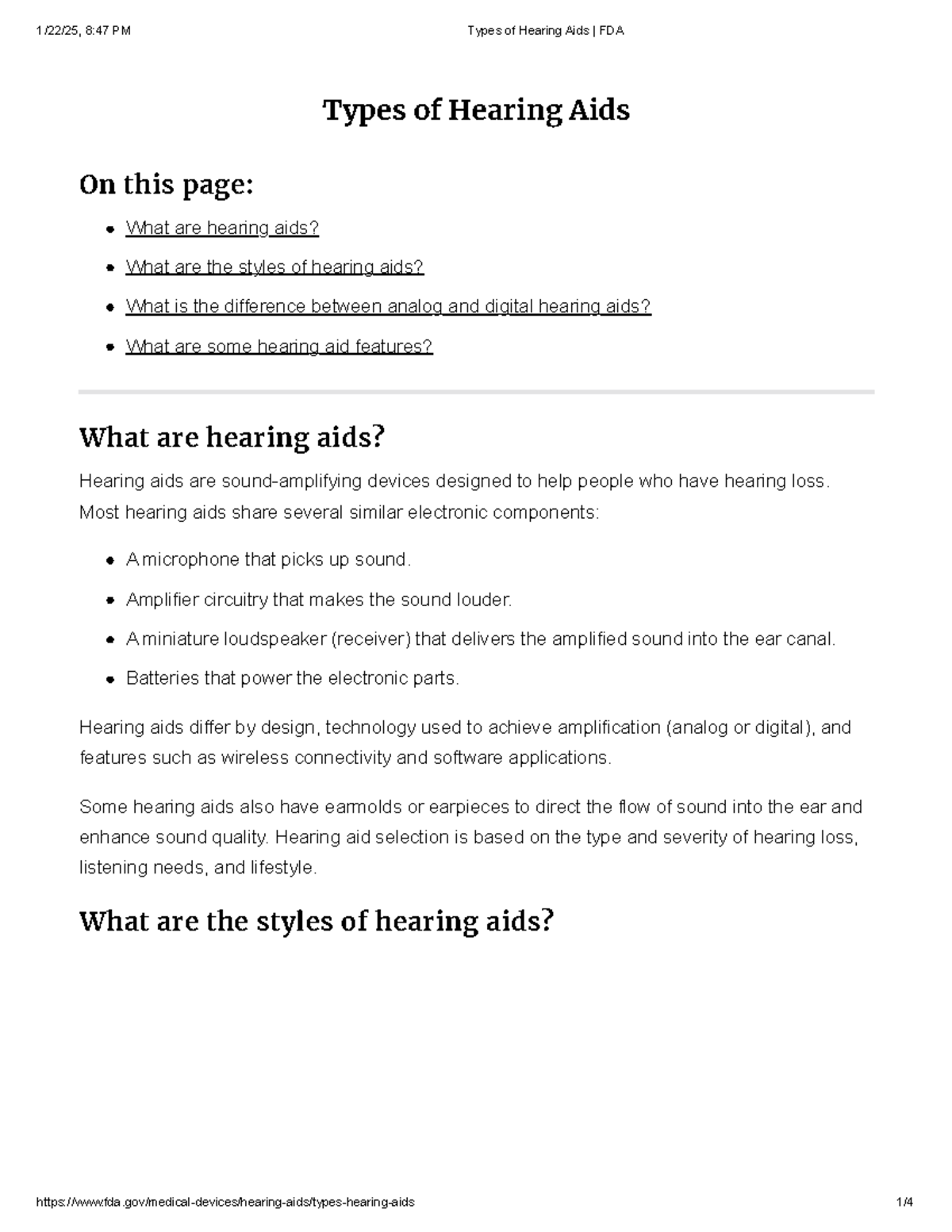
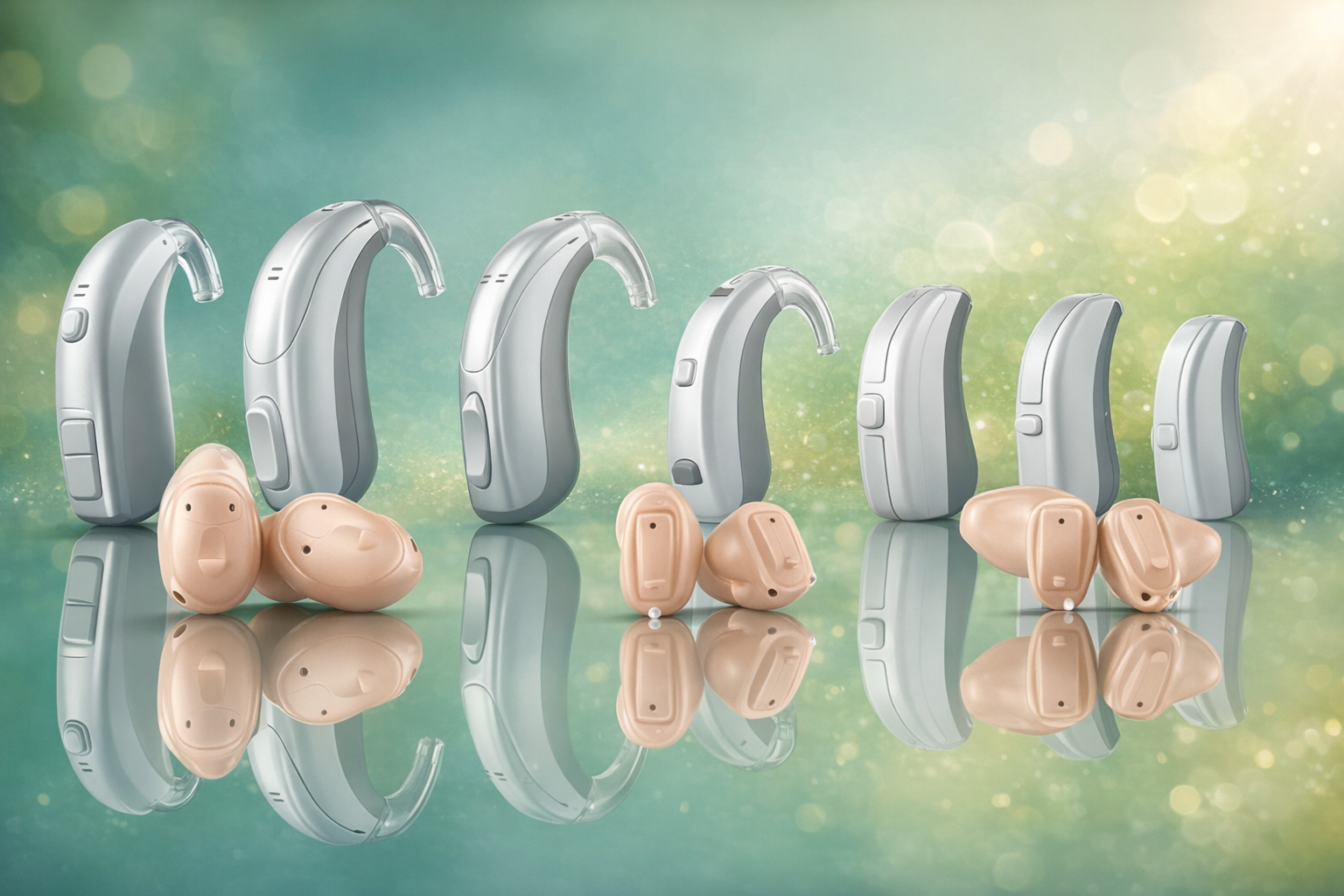
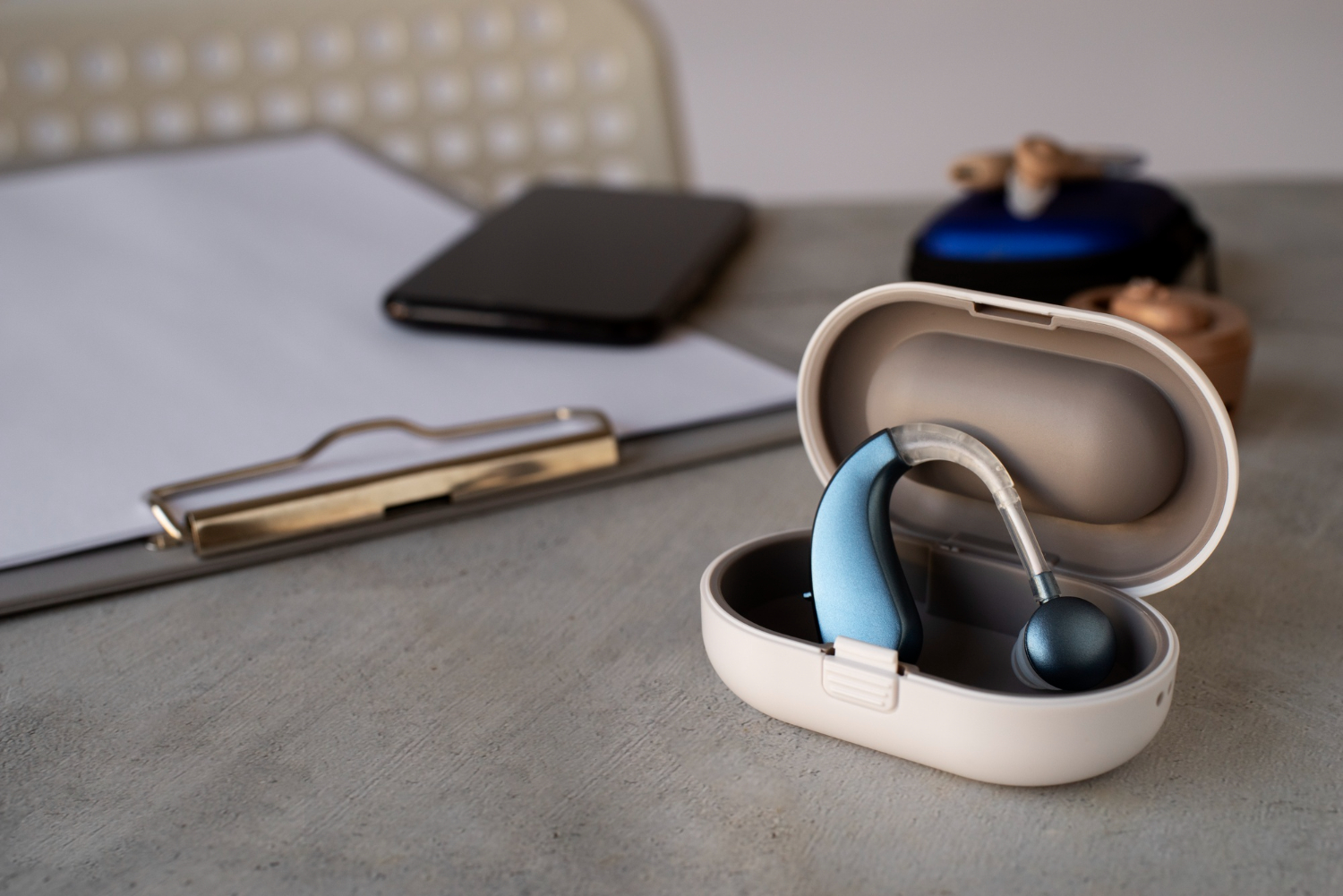
Argosy Hearing Aids were pioneering custom hearing devices manufactured by Argosy Electronics, a prominent American hearing instrument manufacturer acquired by Sonova (the parent company of Phonak) in 1999. Although dedicated Argosy-branded hearing aids are no longer in active production, understanding their custom shell designs, analog and early digital circuit options, and service paths helps current owners maintain legacy devices or transition to modern Phonak and Unitron platforms.
The History and Evolution of Argosy Electronics
Founded in Eden Prairie, Minnesota, Argosy Electronics established itself during the 1980s and 1990s as a premier manufacturer of custom-fit hearing instruments. Prior to the widespread adoption of standardized behind-the-ear (BTE) devices, hearing care required individual physical ear impressions to craft custom-molded shells that fit precisely inside a patient's ear canal or concha bowl. Argosy earned a reputation among audiologists and hearing instrument specialists for engineering some of the most comfortable and discreet custom fitters on the market.
During its peak operating years, Argosy focused on miniaturization, acoustic ventilation, and custom circuit configuration. The company developed advanced techniques for placing microphones, receivers, and amplifiers inside tight anatomical spaces, popularizing form factors such as In-The-Ear (ITE), In-The-Canal (ITC), and Completely-In-Canal (CIC) units.
In late 1999, Swiss hearing healthcare giant Phonak AG (now Sonova Holding AG) acquired Argosy Electronics. This strategic acquisition combined Argosy’s expertise in custom shell manufacturing and North American distribution with Phonak’s research in digital signal processing (DSP) and acoustic algorithms. Following the acquisition, Sonova integrated Argosy's technological innovations and custom manufacturing infrastructure directly into its primary brand portfolios, including Phonak and Unitron. While the standalone Argosy brand name was eventually phased out, its manufacturing principles left a lasting mark on modern custom hearing technology.
Classic Argosy Models and Circuit Architecture
To understand how an Argosy hearing aid functions, it is helpful to look at its structural design and internal circuit technology. Unlike contemporary digital hearing aids that use software algorithms, classic Argosy devices depended heavily on specialized analog, hybrid, and early programmable digital circuits tuned with physical trimpots (potentiometers) or basic programming interfaces.
Argosy Custom Shell Structure and Signal Path:
- Sound input
- Argosy Custom Shell
- Microphone
- Circuit Board (Analog / Hybrid / Programmable)
- Battery Door
- Receiver (Speaker)
- Ear Canal
Key Legacy Models
- Argosy Cameo: The Cameo was Argosy's flagship Completely-In-Canal (CIC) model. Released during an era when hearing aid stigma made invisibility a top priority for consumers, the Cameo was designed to sit deep within the ear canal, past the second anatomical bend. This placement reduced the "occlusion effect" (the booming sound of one's own voice) and utilized the ear's natural pinna to collect sound directionally.
- Argosy Quadra: The Quadra series represented a transitional step between purely analog devices and fully digital signal processors. Utilizing multi-channel, programmable architecture, the Quadra allowed audiologists to adjust frequency response bands through early software interfaces, providing better customization for complex, sloping high-frequency hearing losses.
- Argosy Manhattan: Designed for moderate to severe hearing loss, the Manhattan series was primarily built in full-shell and half-shell In-The-Ear (ITE) form factors. It was known for high acoustic gain output and stable feedback suppression before modern digital phase-cancellation existed.
- Argosy Shaper: The Shaper offered specialized acoustic venting and potentiometer-based adjustments, giving wearers manual volume controls or tone adjustments directly on the faceplate of the device.
Legacy Signal Processing Technologies
- Analog K-Amp Circuits: Many classic Argosy models incorporated the famed K-Amp circuit architecture. Designed to preserve sound naturalness, the K-Amp automatically amplified soft sounds while leaving loud sounds unamplified, functioning as a high-fidelity level-dependent circuit without distorting musical tones.
- Wide Dynamic Range Compression (WDRC): Later Argosy models utilized WDRC to compress wide input dynamic ranges into a reduced dynamic range suitable for damaged hair cells in the cochlea. This ensured quiet speech remained audible without making background noise painfully loud.
- Output Limiting Compression (OLC) vs. Peak Clipping: Early custom aids relied on peak clipping to protect the ear from dangerously loud sounds, which caused harmonic distortion. Argosy's implementation of output limiting compression smoothed out peak sound levels, preserving audio clarity.
Technical Specifications Comparison
Because legacy Argosy aids were custom-built to individual acoustic profiles and anatomical dimensions, their physical specifications varied based on the wearer's impression. However, their primary operational parameters can be categorized by product family:
| Model Series | Primary Form Factor | Circuit Technology Type | Standard Battery Size | Primary Target Loss Profile | Modern Equivalent Platform |
|---|---|---|---|---|---|
| Argosy Cameo | Completely-In-Canal (CIC) | Analog / Hybrid Class D / Early DSP | Size 10 (Yellow tab) | Mild to Moderate Hearing Loss | Phonak Virto Titanium / Virto Paradise CIC |
| Argosy Quadra | In-The-Canal (ITC) / ITE | Multi-Channel Programmable Hybrid | Size 312 (Brown tab) | Mild to Moderately-Severe Loss | Phonak Virto Custom / Unitron Insera |
| Argosy Manhattan | Full-Shell In-The-Ear (ITE) | Analog WDRC / K-Amp Architecture | Size 13 (Orange tab) | Moderate to Severe Hearing Loss | Phonak Virto ITE / Custom BTE with Mold |
| Argosy Shaper | Half-Shell / Low-Profile ITE | Manual Potentiometer Adjustable | Size 312 or 13 | Moderate Hearing Loss | Unitron Insera ITE / Entry-Level Custom |
Maintenance and Troubleshooting for Legacy Argosy Devices
If you or a family member still possess a functioning Argosy hearing aid, proper maintenance is crucial to keep the device operational. Custom in-the-ear instruments are especially vulnerable to earwax (cerumen) accumulation, skin oil migration, and moisture damage.
Common Issues and Step-by-Step Solutions
1. Device is Completely Dead (No Sound Output)
- Check the Battery: Legacy analog and early digital aids draw continuous current from zinc-air button batteries. Replace the old battery with a fresh cell, ensuring the protective tab has been removed for at least 60 seconds before insertion to allow oxygen activation. Verify correct polarity (+ sign matching the door indicator).
- Inspect the Sound Port / Wax Guard: Earwax clogging the receiver (speaker) tube is the most common cause of a dead device. Use a wax pick or loop tool to carefully clear debris from the sound nozzle. If equipped with a replaceable wax guard system, remove the contaminated guard and install a fresh one.
- Examine the Battery Door Contacts: Check internal copper battery contacts for oxidation, corrosion, or bending. Gently clean contacts with a dry cotton swab.
2. Sound is Weak, Distorted, or Intermittent
- Microphone Port Blockage: Inspect the small opening on the outer faceplate where sound enters the microphone. Debris or skin oil blocking this port drastically reduces amplification.
- Moisture Accumulation: Perspiration and humidity can degrade internal analog components. Place the hearing aid in a dedicated hearing aid dehumidifier or desiccant drying canister overnight (with the battery door open and battery removed).
3. Continuous Whistling or Acoustic Feedback
- Improper Seating: Ensure the custom plastic shell is fully seated in your ear canal. Even a tiny gap allows amplified sound escaping from the speaker to re-enter the microphone, creating a feedback loop.
- Weight or Ear Anatomy Changes: Human ears change shape over time due to weight changes, cartilage growth, or tissue laxity. An old Argosy shell that fit perfectly years ago may no longer seal the canal adequately.
- Excessive Earwax Build-Up: A cerumen plug in the ear canal reflects amplified sound back toward the hearing aid microphone, inducing feedback. Consult a physician or audiologist for professional ear canal cleaning.
Troubleshooting Workflow for Legacy Custom Hearing Aids:
- No Sound / Dead Device
- Replace Zinc-Air Battery (Wait 60s after un-tabbing)
- Clear Earwax from Receiver Tube / Replace Wax Guard
- Inspect Battery Door & Clean Internal Contacts
- Weak or Distorted Sound
- Clean Faceplate Microphone Opening
- Dry Device Overnight in Desiccant Drying Jar
- High-Pitched Whistling / Feedback
- Re-insert Shell Firmly into Ear Canal
- Check Ear Canal for Cerumen (Earwax) Impaction
Servicing and Repair Availability
Because Sonova phased out dedicated Argosy component manufacturing years ago, authorized warranty service through traditional retail clinics is generally unavailable for original Argosy devices. However, specialized independent all-make hearing aid repair laboratories can still service legacy custom devices. These independent labs can:
- Re-wire broken internal leads.
- Replace standard analog/digital receivers and microphones.
- Re-shell the electronics in fresh acrylic if the outer casing cracks.
For guidance on medical device safety and general hearing health management, consult resources provided by the U.S. Food and Drug Administration (FDA).
Modern Alternatives: Moving from Argosy to Current Technology
While legacy Argosy devices restored audibility for many wearers, modern hearing healthcare technology offers significant improvements in speech processing, feedback reduction, and wireless connectivity.
- Legacy Argosy Technology (1990s-2000s)
- Fixed frequency response
- Physical trimpots / Manual volume
- Single omnidirectional microphone
- Disposable Zinc-Air batteries
- Modern Sonova Technology (2020s-2026)
- AI-driven auto-scene analysis
- Smartphone app control & streaming
- Multi-beam directional mics
- Lithium-ion rechargeable options
Key Differences Between Legacy Argosy and Modern Hearing Aids
- Acoustic Processing & Artificial Intelligence: Modern hearing aids continuously monitor the acoustic environment, using real-time scene classification to separate background noise from human speech. Legacy Argosy devices processed sound uniformly regardless of whether you were in a quiet living room or a crowded restaurant.
- 3D Ear Scanning and Shell Precision: Argosy relied on physical silicone ear impressions shipped to manufacturing facilities. Today, audiologists utilize 3D optical ear scanners to map the ear canal with sub-millimeter precision. Combined with algorithmic acoustic modeling (such as Phonak's Biometric Calibration), modern custom aids sit more comfortably while optimizing directional microphone placement.
- Wireless Connectivity and Direct Streaming: Modern custom and BTE hearing instruments integrate Bluetooth Low Energy (LE) Audio. Users can stream phone calls, audiobooks, and music directly from smartphones, tablets, or televisions straight into their hearing aids—a feature that did not exist during the original Argosy era.
- Rechargeability: While Argosy relied entirely on disposable zinc-air button batteries (Sizes 10, 312, or 13), today's custom and BTE instruments offer integrated lithium-ion rechargeable systems that provide full-day operation on a single overnight charge.
Recommended Direct Replacement Lines
If you are accustomed to the fit and feel of an Argosy custom device, consider these equivalent modern technology families:
- Phonak Virto Series (e.g., Virto Lumity / Virto Paradise): As the direct technological evolution of Phonak’s custom division (which absorbed Argosy), the Virto series offers custom-molded options ranging from medical-grade titanium Completely-In-Canal (CIC) units to full-shell In-The-Ear models equipped with hands-free Bluetooth streaming.
- Unitron Insera Series: Also manufactured within the Sonova family, Unitron's Insera line focuses on natural sound localization and discreet custom acrylic construction, providing a smooth transition for long-time Argosy wearers.
- Over-the-Counter (OTC) Hearing Aids: For adults with perceived mild-to-moderate hearing loss seeking an accessible replacement without visiting a clinic, FDA-regulated OTC hearing aids provide self-fitting options, though they typically rely on pre-molded silicone tips rather than individual custom ear impressions. For evidence-based recommendations on hearing loss interventions, review guidance from the National Institute on Deafness and Other Communication Disorders (NIDCD).
Financial and Clinical Considerations
Upgrading from a legacy system involves several clinical and economic steps:
- Step 1: Comprehensive Audiometric Assessment
- Evaluate current hearing thresholds and speech discrimination capabilities.
- Step 2: Anatomical Impression or 3D Optical Scan
- Capture the precise contour of the outer ear and ear canal.
- Step 3: Technology Selection & Acoustic Prescription
- Select form factor (CIC, ITC, ITE, or RIC) and features based on lifestyle.
- Step 4: Clinical Fitting & Verification
- Perform Real-Ear Measurements (REM) to verify output against targets.
Price Ranges and Coverage
- Custom Prescription Hearing Aids (Phonak/Unitron): Typically range from $1,200 to $3,500 per ear, depending on technology tier (Standard, Advanced, or Premium). This price generally covers professional fitting, acoustic programming, real-ear verification, and clinical follow-up care.
- Insurance and Benefit Coverage: While traditional Medicare (Part A and B) does not cover routine hearing aid devices, many Medicare Advantage (Part C) plans, private employer-sponsored health insurance, and veterans' health frameworks (such as VA healthcare in the United States) offer hearing aid benefit allowances or discounted managed-care programs.
- Repairing Legacy Units vs. Replacing: If an independent repair lab quotes over $200–$300 to service an aging analog Argosy unit, that money is often better invested toward a modern digital platform that provides superior speech intelligibility in background noise and better protection for residual hearing.
Frequently Asked Questions
Are Argosy hearing aids still being manufactured today?
No, dedicated Argosy-branded hearing aids are no longer manufactured. Argosy Electronics was acquired by Phonak (now Sonova) in 1999, and its engineering capabilities and production facilities were merged into Sonova's global product catalog, primarily under the Phonak and Unitron brands.
Who owns the rights to Argosy hearing aid technology?
Sonova Holding AG, the parent company of Phonak, Unitron, and Sennheiser Hearing, owns all historical intellectual property, patents, and manufacturing assets associated with the Argosy Electronics brand.
What battery sizes do older Argosy hearing aids require?
Argosy custom hearing aids primarily used standard zinc-air button batteries. The specific size depended on the custom shell dimensions:
- Cameo (CIC): Size 10 (Yellow tab)
- In-The-Canal (ITC): Size 312 (Brown tab)
- In-The-Ear (ITE): Size 13 (Orange tab) or Size 675 (Blue tab for high-power models)
Can an old Argosy hearing aid still be repaired if it stops working?
While original manufacturer repair service from Sonova is no longer available for Argosy units, specialized independent all-make hearing aid repair laboratories can still service them. These facilities can clean internal circuitry, replace damaged microphones or speakers (receivers), and repair cracked outer shells.
What modern hearing aid model is closest to a classic Argosy Cameo?
The closest modern equivalent to the Argosy Cameo is the Phonak Virto Titanium or Phonak Virto Lumity CIC. These modern custom devices fit deep inside the ear canal for near-total invisibility while offering modern digital sound processing, feedback cancellation, and custom acoustic venting.
Practical Recommendations and Next Steps
If you currently rely on an Argosy hearing aid or have inherited a legacy device, follow these practical steps to determine your best path forward:
- Schedule a Professional Diagnostic Hearing Test: Hearing thresholds change over time. An updated audiogram conducted by an audiologist or licensed hearing instrument specialist will determine your current degree and configuration of hearing loss. Consult clinical standards maintained by the American Academy of Audiology to prepare for your assessment.
- Evaluate Your Existing Device: If your Argosy device is functioning well, maintain it by replacing wax guards regularly and storing it in a dry-store box. However, if the shell causes physical discomfort or speech clarity in noise is poor, bring the device to an audiologist to test its acoustic output on a hearing aid analyzer box.
- Explore Modern Custom Options: If you prefer the discreet in-canal fit of classic Argosy designs, ask your clinician to demonstrate modern custom in-the-ear instruments like the Phonak Virto series or Unitron Insera. Request Real-Ear Measurement (REM) verification during your fitting to ensure your new prescription accurately matches your individual ear canal acoustics.